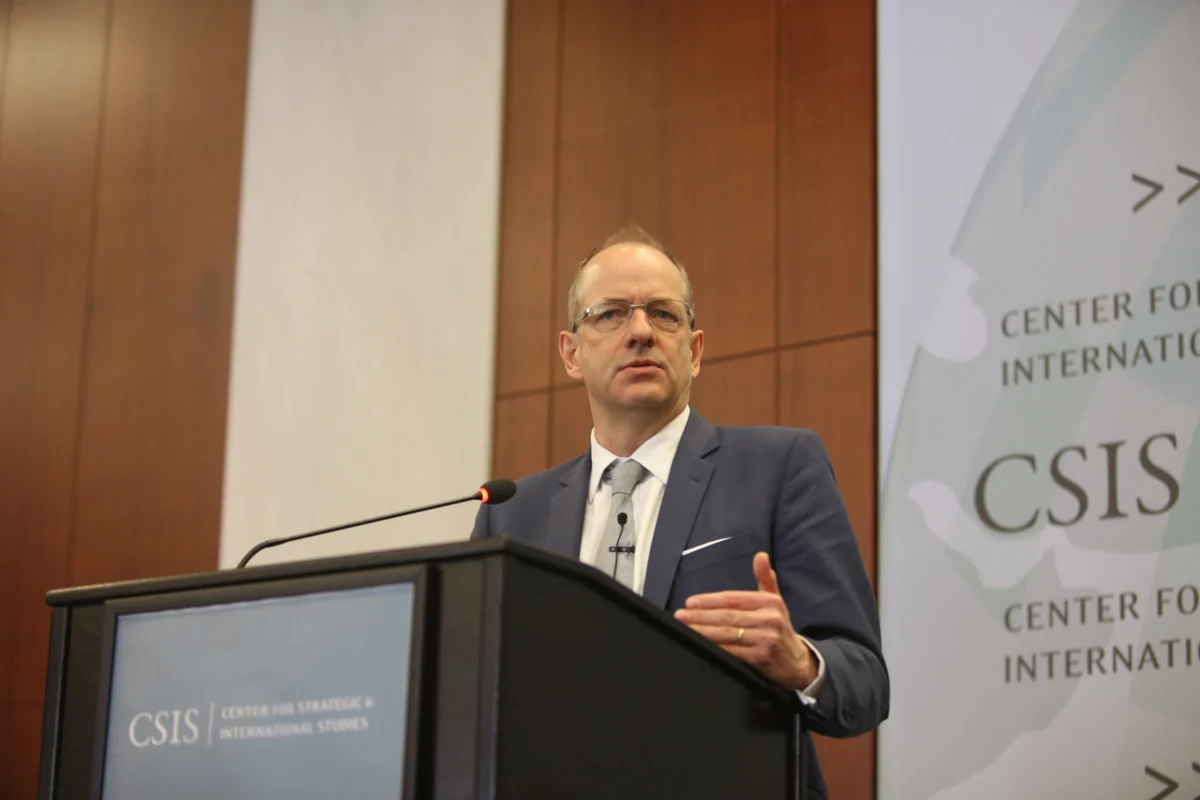
On March 17, 2016, the Center for Strategic and International Studies (CSIS) hosted a landmark policy forum titled "The Bio-Pharma Industry and Society," bringing together global health leaders to address the intensifying friction between commercial pharmaceutical interests and the public’s fundamental right to accessible medicine. Held at the CSIS headquarters in Washington, D.C., the event served as a critical platform for discussing the industry’s social contract, specifically regarding how private bio-pharmaceutical firms can align their profit models with the societal mandates of affordability, clinical quality, and equitable access.
Contextualizing the 2016 Health Policy Landscape
The event arrived at a volatile moment in global health history. By early 2016, the pharmaceutical industry was facing unprecedented scrutiny from governments, international NGOs, and civil society. Concerns were mounting over the soaring costs of specialty medications, particularly for Hepatitis C and oncology, which were placing severe fiscal pressures on public health systems. Simultaneously, the lack of R&D investment in neglected tropical diseases and antimicrobial resistance had reached a breaking point, prompting the United Nations to intervene.
In November 2015, UN Secretary-General Ban Ki-moon had announced the formation of a High-Level Panel on Access to Medicines, tasked with addressing the "policy incoherence" between human rights, trade agreements, and public health outcomes. The CSIS event provided a stage for Sir Andrew Witty, then-CEO of GlaxoSmithKline (GSK) and a member of that UN panel, to outline the industry’s defensive—and perhaps transformative—strategy.
Keynote Address: The GSK Reform Model
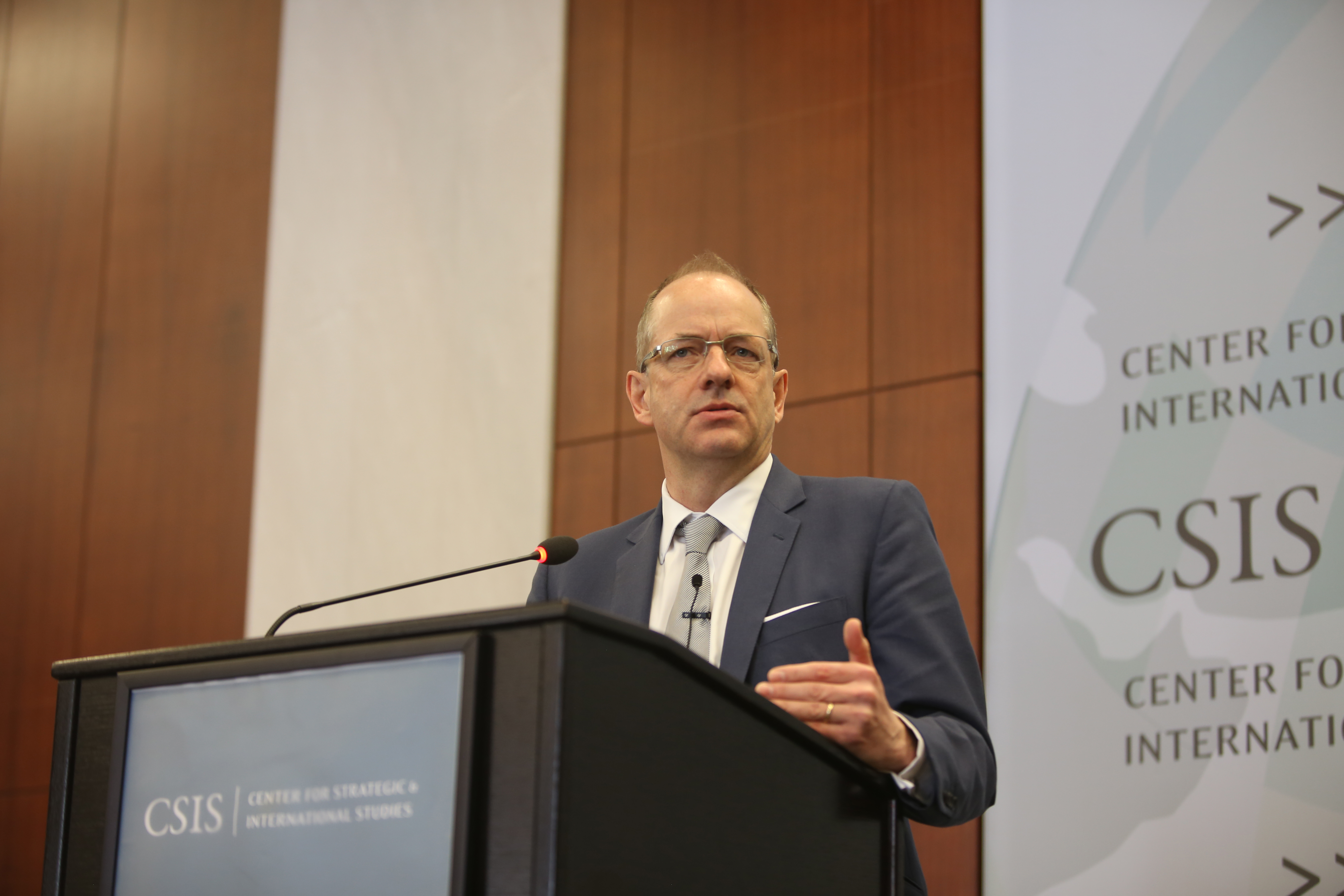
Sir Andrew Witty utilized the keynote address to argue that the pharmaceutical industry could no longer operate behind closed doors if it wished to maintain its "license to operate." He detailed a series of internal reforms at GSK, which represented a marked departure from standard industry practices of the era.
Witty’s remarks centered on four pillars of reform:
- Sales and Marketing Ethics: Shifting compensation structures for medical representatives away from pure volume-based sales targets to ensure that patient outcomes were the primary driver of engagement.
- Clinical Data Transparency: Committing to the public disclosure of clinical trial data, a move designed to mitigate the long-standing critique that firms suppressed negative or inconclusive findings.
- Tiered Pricing Strategies: Implementing differentiated pricing models based on a country’s economic status to improve access in the developing world without fully cannibalizing R&D budgets.
- Targeted R&D: Allocating more resources toward diseases that disproportionately affect low-income populations, an area historically neglected by for-profit entities.
"The industry needs to strengthen trust," Witty noted during his address, acknowledging that the reputation of the pharmaceutical sector had been severely damaged by high-profile scandals, patent litigation, and the perception that corporate interests were systematically overriding public health needs.
Panel Analysis and Expert Perspectives
Following the keynote, a distinguished panel moderated by J. Stephen Morrison, Senior Vice President and Director of the CSIS Global Health Policy Center, dissected the implications of Witty’s proposals. Joining the conversation were Dr. Margaret Hamburg, Foreign Secretary of the Institute of Medicine (now the National Academy of Medicine) and former Commissioner of the FDA, and Dr. Ezekiel Emanuel, a preeminent bioethicist and Chair of the Department of Medical Ethics and Health Policy at the University of Pennsylvania.
Dr. Hamburg highlighted the regulatory complexities of the debate, emphasizing that while transparency is essential, the speed of innovation must not be sacrificed at the altar of over-regulation. "The challenge," she remarked, "is creating an ecosystem where the reward for innovation matches the value delivered to the patient."
Dr. Emanuel offered a more critical lens, focusing on the sustainability of the pricing models discussed. He noted that even with tiered pricing, the sheer volume of new, high-cost specialty drugs coming to market threatened to bankrupt public health insurance schemes. He argued that the conversation must expand beyond "corporate responsibility" to include systemic changes in how governments negotiate drug prices and how clinical outcomes are measured.
Supporting Data: The Cost of Innovation
To understand the urgency of the 2016 forum, one must look at the economic data of the period. According to the IMS Institute for Healthcare Informatics, global spending on medicines reached $1.07 trillion in 2015, with a significant portion of that growth driven by high-cost specialty medications. The data suggested a bifurcated market: wealthy nations struggled with the cost of breakthrough therapies, while low- and middle-income countries struggled to access even the most basic, life-saving essential medicines.
Furthermore, a 2016 report by the Access to Medicine Foundation—an independent non-profit—noted that while large firms like GSK were making strides in "Access to Medicine Index" rankings, the industry as a whole remained inconsistent. Only a handful of companies had committed to the patent pooling initiatives necessary to ensure that generics could be manufactured for the world’s most vulnerable populations.
Chronology of the Debate
- 2014: Increased global outcry regarding the pricing of Sovaldi (a Hepatitis C treatment) leads to a renewed push for reform.
- November 2015: UN Secretary-General Ban Ki-moon establishes the High-Level Panel on Access to Medicines.
- March 2016: CSIS hosts the "Bio-Pharma Industry and Society" forum to facilitate a dialogue between industry leadership and public health policymakers.
- September 2016: The UN High-Level Panel releases its report, calling for greater transparency in R&D costs and stronger mechanisms for patent management.
- Post-2016: The discourse initiated at the CSIS event continues to influence global debates on the "Value-Based Healthcare" movement.
Implications for the Global Health Sector
The implications of the 2016 discussion extended far beyond the walls of the CSIS conference room. The forum underscored that the pharmaceutical industry’s legitimacy was inextricably linked to its social impact. The event signaled a shift in the corporate narrative from "innovation at any cost" to "innovation for universal health coverage."
However, the event also revealed a persistent tension. While leaders like Witty were advocating for self-regulation and voluntary transparency, many advocates and public health experts continued to demand structural reform, including compulsory licensing and a decoupling of R&D costs from final drug prices. The 2016 session did not provide a definitive resolution to these conflicts, but it successfully established a framework for how the private sector could—and perhaps should—interact with the global health community.
Legacy and Modern Context
In the years following the 2016 event, the world witnessed the rapid development of mRNA vaccines during the COVID-19 pandemic, an achievement that relied heavily on the very public-private partnerships discussed at the CSIS forum. The issues raised by Witty, Hamburg, and Emanuel—transparency, pricing, and equity—remained central during the pandemic as the world grappled with the equitable distribution of vaccines.
The 2016 CSIS event remains a benchmark in the history of global health policy. It highlighted that the bio-pharmaceutical industry is not merely a commercial entity, but a vital component of the global security and health architecture. As the world continues to face new health challenges, the fundamental question posed in 2016 remains relevant: How can we foster a robust innovation ecosystem while ensuring that the products of that innovation reach those who need them most, regardless of their ability to pay?
The dialogue initiated by J. Stephen Morrison and his colleagues provided a roadmap for this delicate balancing act. By bringing together the architects of industry policy and the guardians of public health, CSIS demonstrated that progress is rarely the result of a single policy change, but rather the cumulative effect of sustained, transparent, and multi-stakeholder dialogue. The legacy of the 2016 forum is found in the continued, albeit arduous, evolution of the global pharmaceutical contract.