On March 17, 2016, the Center for Strategic and International Studies (CSIS) Global Health Policy Center hosted a high-level symposium to address the evolving and often contentious relationship between the global bio-pharmaceutical industry and the societies it serves. The event, which took place in Washington, D.C., served as a critical platform for discussing the fundamental tension between profit-driven innovation and the imperative of global health equity. At the heart of the discussion was the challenge of reconciling the need for sustainable business models with the urgent requirements for improved affordability, accessibility, and transparency in clinical medicine.
The Context: A Industry Under Scrutiny
The 2016 forum arrived at a pivotal moment in the history of the pharmaceutical sector. For years, the industry had been grappling with a crisis of public trust. Concerns regarding the high cost of life-saving medications, the opacity of clinical trial data, and the aggressive marketing tactics employed in developing and developed markets had put pharmaceutical giants in the crosshairs of global health organizations and government regulators.
By 2016, the United Nations Secretary-General’s High-Level Panel on Access to Medicines had begun its critical deliberations. This panel was tasked with finding solutions to the policy incoherence between the rights of innovators—represented by patents and intellectual property protections—and the human rights of patients to access essential treatments. The participation of key industry figures in this dialogue was seen as a necessary, if overdue, step toward establishing a new social contract.
Keynote Address: Sir Andrew Witty and the GSK Reform Agenda
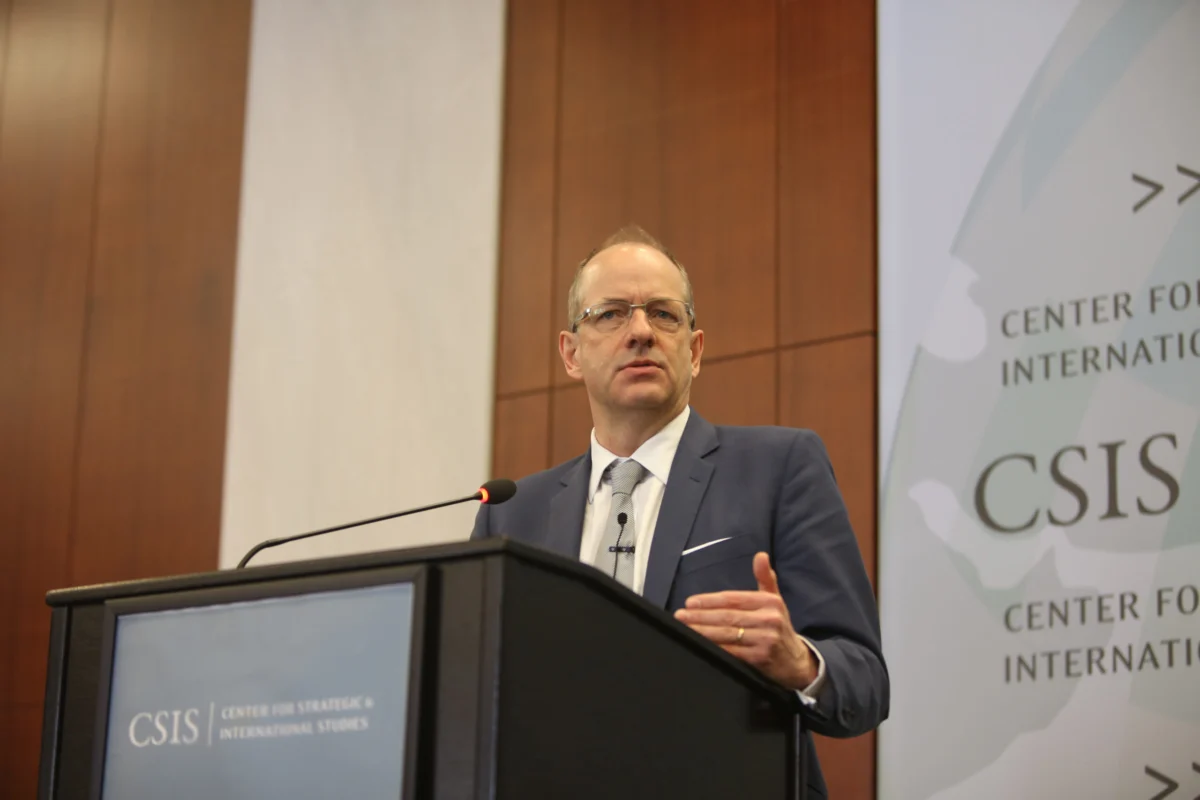
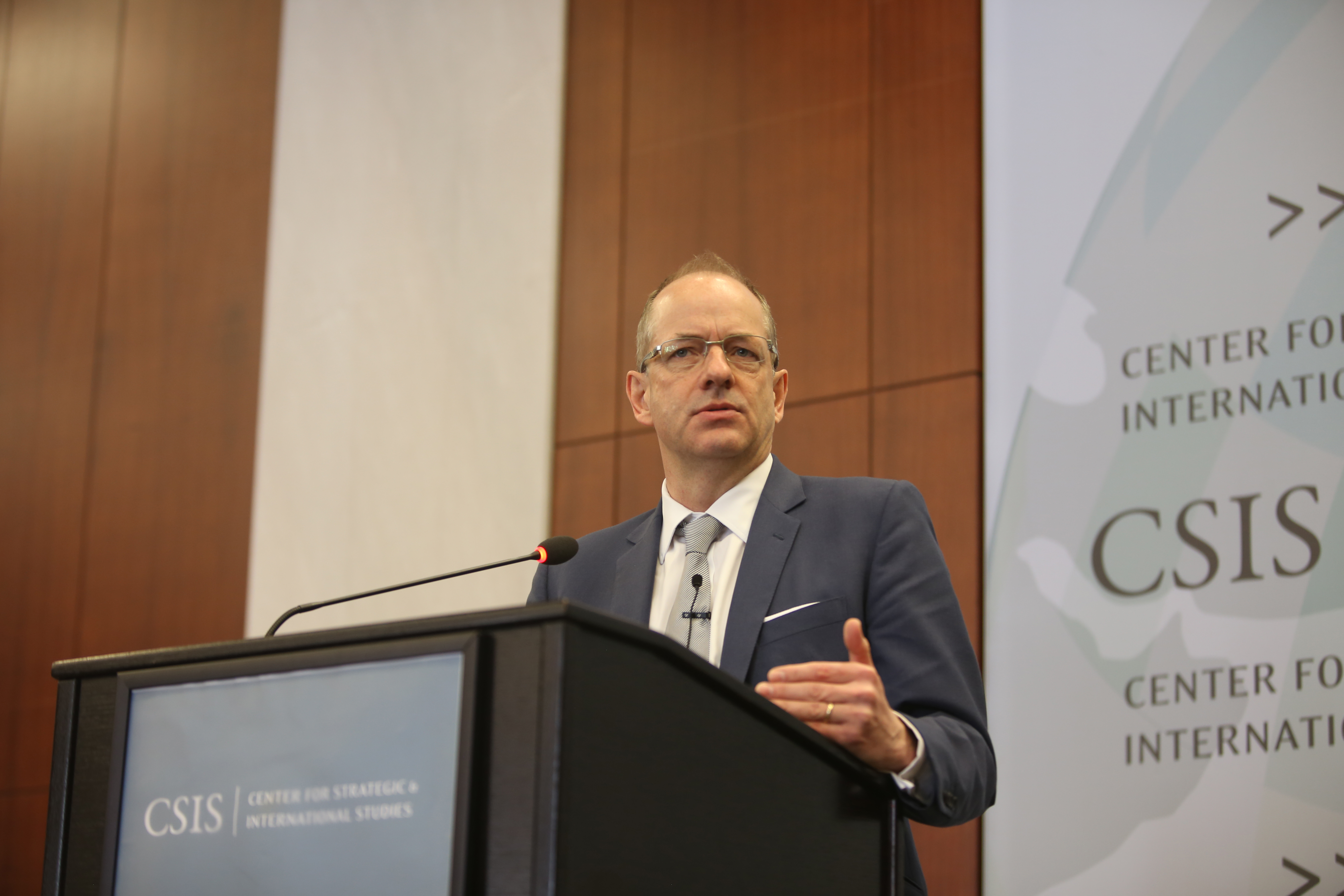
Sir Andrew Witty, serving as the Chief Executive Officer of GlaxoSmithKline (GSK) at the time, opened the session with a candid assessment of the industry’s standing. Witty acknowledged that the traditional "blockbuster" model of drug development was failing to meet the needs of the modern, globalized patient base.
In his address, Witty outlined a series of structural reforms that GSK had implemented, which aimed to serve as a blueprint for the wider industry. These reforms were centered on four key pillars:
- Sales and Marketing Overhaul: Moving away from volume-based incentive structures for sales representatives, which critics argued had historically led to the over-prescription of drugs.
- Clinical Trial Transparency: Committing to the public disclosure of clinical trial data, a move designed to mitigate bias in research and provide independent scientists with the information necessary to verify efficacy and safety.
- Tiered Pricing Strategies: Implementing differential pricing models to ensure that essential medicines remained affordable in low-to-middle-income countries, acknowledging that a "one-size-fits-all" pricing strategy was unsustainable in a global market.
- Targeted R&D: Shifting research focus toward addressing neglected tropical diseases and unmet medical needs, rather than focusing solely on "lifestyle" drugs or minor variations of existing treatments.
Expert Perspectives and Roundtable Analysis
Following the keynote, J. Stephen Morrison, Senior Vice President and Director of the CSIS Global Health Policy Center, moderated a high-level roundtable that moved the discussion from corporate strategy to systemic policy implications. Joining Sir Andrew Witty were Dr. Margaret Hamburg, then-Foreign Secretary of the Institute of Medicine (now the National Academy of Medicine), and Dr. Ezekiel Emanuel, a prominent bioethicist and Vice Provost for Global Initiatives at the University of Pennsylvania.
Dr. Margaret Hamburg emphasized that the industry’s internal reforms, while commendable, must be coupled with stronger regulatory oversight and international cooperation. She noted that the scientific community relies on the integrity of clinical data, and the movement toward open science was essential for public health preparedness.
Dr. Ezekiel Emanuel provided a more provocative analysis, focusing on the economics of innovation. He argued that while transparency is a moral imperative, it is not a substitute for addressing the underlying cost structures of the health system. Emanuel highlighted the "value-based" pricing model, suggesting that the industry must be prepared to demonstrate the clinical efficacy of its products to justify price points, particularly in systems heavily funded by public insurance or government expenditure.
Chronology of the 2016 Global Health Policy Landscape
To understand the significance of the 2016 symposium, it is necessary to view it against the backdrop of the mid-2010s health policy environment:
- Early 2015: The UN Secretary-General announces the creation of the High-Level Panel on Access to Medicines in response to global outcry over the pricing of treatments for Hepatitis C and other chronic conditions.
- Late 2015: Civil society organizations increase pressure on multinational pharmaceutical firms to waive intellectual property rights for essential medicines during regional health crises.
- March 2016: The CSIS symposium provides a rare, direct venue for industry leaders to address these criticisms before a policy-oriented audience.
- September 2016: The UN High-Level Panel publishes its report, which, while divided on certain intellectual property issues, reinforces the need for greater transparency and government-led investment in R&D.
Data and Market Realities
The discussion was underpinned by the stark reality of global health expenditures. In 2016, global spending on medicines was projected to reach $1.3 trillion by 2020. This trajectory created an inevitable collision course with national health budgets, which were already strained by aging populations and the rising prevalence of non-communicable diseases.
The data presented during the forum suggested that while the industry had seen record-breaking innovation in areas like oncology and immunotherapy, these advancements were becoming increasingly inaccessible to the average patient. The divergence between the "innovator’s price" and the "patient’s ability to pay" had reached an inflection point. Sir Andrew Witty’s argument for "volume over value" was a response to this data—a recognition that if a large portion of the global population cannot afford the product, the long-term viability of the firm is compromised.
Implications and Broader Impact
The 2016 CSIS event remains a case study in how industry leaders attempt to shape the narrative during periods of regulatory vulnerability. By engaging with the CSIS, a prominent D.C.-based think tank, GSK and other firms were attempting to shift the conversation from one of "corporate greed" to one of "shared responsibility."
The implications of this discourse are still being felt in current health policy debates. The emphasis on clinical trial transparency, which was a central theme of the session, has since become a standard expectation for major research institutions and firms. Furthermore, the debate regarding tiered pricing continues to influence the procurement strategies of global health organizations like Gavi, the Vaccine Alliance, and the Global Fund.
However, critics at the time—and in the years since—have argued that these voluntary commitments by industry leaders often fall short of systemic reform. Without binding international treaties that mandate transparency and regulate pricing, the burden remains on individual companies to choose between shareholder profit and public health outcomes.
Conclusion: A Legacy of Dialogue
The March 2016 meeting at the CSIS was more than just a corporate briefing; it was an acknowledgment that the "Bio-Pharma Industry and Society" relationship had fundamentally changed. The event signaled that the era of operating behind a veil of proprietary secrecy was coming to an end. Whether these reforms were driven by a genuine shift in corporate philosophy or a pragmatic response to political pressure remains a subject of debate among historians and health policy experts.
Ultimately, the symposium underscored that in an era of globalized healthcare, the pharmaceutical industry cannot function as an isolated entity. Its success is inextricably linked to the strength of the public health systems it supplies, the trust of the patients it treats, and the transparency of the research it conducts. As the global community continues to grapple with the complexities of modern medicine, the themes discussed at the CSIS in 2016 remain as relevant today as they were then, providing a foundational roadmap for the ongoing quest to harmonize innovation with equity.