The Center for Strategic and International Studies (CSIS) has convened a high-level assembly of defense officials and policy experts to scrutinize the administration’s Fiscal Year (FY) 2017 defense budget request. This half-day conference, hosted by the CSIS International Security Program under its Defense360 initiative, serves as a critical forum for dissecting the strategic calculus underpinning the Pentagon’s financial roadmap. As the United States navigates an increasingly complex global security environment, the alignment between budgetary allocations and national security priorities remains a point of intense debate within the defense community.
The Strategic Context of the FY2017 Request
The FY2017 defense budget request arrived at a time of significant geopolitical friction, characterized by the resurgence of great-power competition, persistent regional instability in the Middle East, and the rapid advancement of military technologies among peer and near-peer adversaries. The budget, totaling approximately $582.7 billion in base and Overseas Contingency Operations (OCO) funding, was designed to balance current operational requirements with the need for long-term modernization.
The administration’s proposal reflected a shift in emphasis toward addressing emerging threats in the cyber and space domains, as well as maintaining a technological edge in conventional warfare. However, the proposal also faced the persistent shadow of the Budget Control Act of 2011, which imposed statutory spending caps that military leaders repeatedly warned were detrimental to readiness and modernization efforts.
Chronology of the Policy Debate
To understand the weight of the CSIS conference, one must look at the timeline of the FY2017 budgetary process:
- February 2016: The Department of Defense officially submitted its FY2017 budget request to Congress. The request highlighted a focus on “Third Offset” strategies—a push to leverage innovation, robotics, and advanced computing to maintain superiority over rivals.
- Spring 2016: Legislative deliberations began in the House and Senate Armed Services Committees. Tensions flared over the use of the OCO account to augment the base budget, a maneuver criticized by some as a “budgetary gimmick” to circumvent spending caps.
- May 2016: The CSIS Defense360 conference provided a neutral venue for government officials and independent analysts to reconcile these conflicting fiscal and strategic narratives.
- Late 2016: Congressional appropriations processes moved toward completion, ultimately setting the trajectory for the final defense posture of the fiscal year.
Key Participants and Expert Testimony
The morning session featured a direct dialogue between the Pentagon’s financial architects and policy strategists. Mike McCord, the Under Secretary of Defense (Comptroller) and Chief Financial Officer, provided the technical rationale for the budget, emphasizing the necessity of balancing the department’s vast portfolio. Dr. Jamie Morin, Director of Cost Assessment and Program Evaluation (CAPE), offered insights into the analytical rigor applied to program prioritization, while Robert Scher, the Assistant Secretary of Defense for Strategy, Plans, and Capabilities, articulated how the funding levels directly supported the national defense strategy.
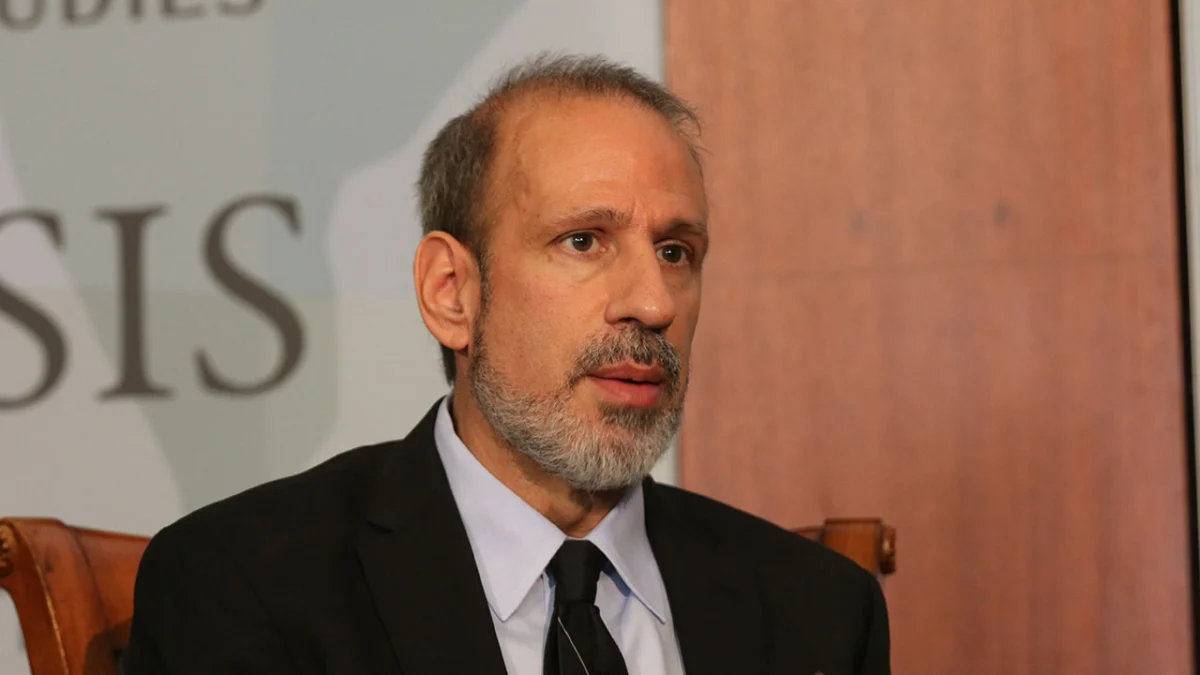
The subsequent panel, moderated by Todd Harrison, Director of Defense Budget Analysis at CSIS, transitioned from internal government justifications to external academic and industry assessments. Participants included Tina Jonas, a former Under Secretary of Defense (Comptroller); Andrew Hunter, an expert on defense-industrial initiatives; Mark Cancian, a senior adviser on military force structure; and representatives from the Center for a New American Security (CNAS) and the American Enterprise Institute (AEI). This diversity of thought ensured that the discussion covered the gamut from acquisition reform to geopolitical risk assessment.
Supporting Data and Fiscal Realities
The FY2017 request was notable for its attempt to reconcile the “rebalance to the Asia-Pacific” with the need to address Russian aggression in Eastern Europe. Supporting data released during the budget cycle indicated that the Department of Defense sought a significant increase in the European Reassurance Initiative, moving from $789 million in FY2016 to $3.4 billion in FY2017.
Furthermore, the budget signaled a clear commitment to the “Third Offset” strategy, with investments in:
- Autonomous systems: Increasing research and development funding for unmanned aerial and undersea vehicles.
- Cybersecurity: Enhancing the defensive and offensive capabilities of the U.S. Cyber Command.
- Space resiliency: Developing systems to protect critical satellite infrastructure from potential anti-satellite weapons.
Despite these investments, the fiscal environment remained constrained. Analysis by CSIS at the time suggested that while the budget increased funding for high-priority programs, the overall modernization rate for the total force remained insufficient to address the aging nature of existing combat platforms, many of which had been in service since the 1980s.
Official Responses and Institutional Reactions
Official responses to the FY2017 request were largely split along ideological lines regarding the use of OCO funds. The Pentagon maintained that the reliance on OCO was a necessary bridge to maintain force levels without violating statutory caps. Conversely, fiscal conservatives in Congress argued that the practice masked the true cost of operations and prevented a necessary reckoning with the federal debt.
Industry stakeholders expressed cautious optimism, particularly regarding the increased focus on research and development. However, trade associations also voiced concerns regarding the “valley of death”—the gap between successful prototype development and full-scale procurement—noting that the budget process did not always provide the stability required for long-term industrial planning.
Broader Implications for Defense Reform
The CSIS conference underscored a growing consensus that the traditional budget process is increasingly ill-suited to the speed of modern technological development. The discussion on defense reform, which extended into a public survey conducted by the organizers, highlighted several key areas for potential improvement:
- Acquisition Agility: The need to move away from the decades-long development cycles of major weapon systems in favor of more incremental, software-driven upgrades.
- Budgetary Transparency: A call for more honest accounting regarding the costs of ongoing contingencies versus long-term modernization.
- Strategic Alignment: The recognition that strategy cannot be divorced from fiscal reality; if the budget is capped, the strategy must either be scaled back or risks becoming an aspirational, rather than actionable, document.
The Role of Independent Analysis
Events like the CSIS Defense360 conference fulfill a vital role in the American democratic process. By bringing together the architects of defense policy and the critics who monitor its implementation, these forums foster a more informed public discourse. The analytical rigor provided by organizations like CSIS ensures that the conversation remains grounded in data rather than mere rhetoric.
As the attendees concluded their sessions, the overarching takeaway was clear: the FY2017 defense budget was not merely a collection of numbers, but a reflection of the nation’s security priorities. The challenges identified during the conference—ranging from the limitations of the Budget Control Act to the necessity of rapid technological modernization—remain central to the ongoing evolution of the U.S. defense enterprise.
Ultimately, the proceedings served as a testament to the complexity of managing a global military superpower. Whether the strategic priorities outlined in the FY2017 request would be sufficient to deter near-peer competitors remained a subject of intense scrutiny, but the commitment to public engagement and transparent debate demonstrated by the participants underscored the enduring importance of oversight in the national security apparatus. Through continued analysis and dialogue, the defense community continues to grapple with the fundamental question: how to best preserve national security in an era of fiscal constraint and geopolitical transformation.