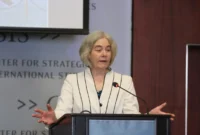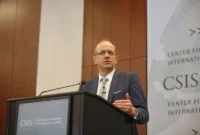
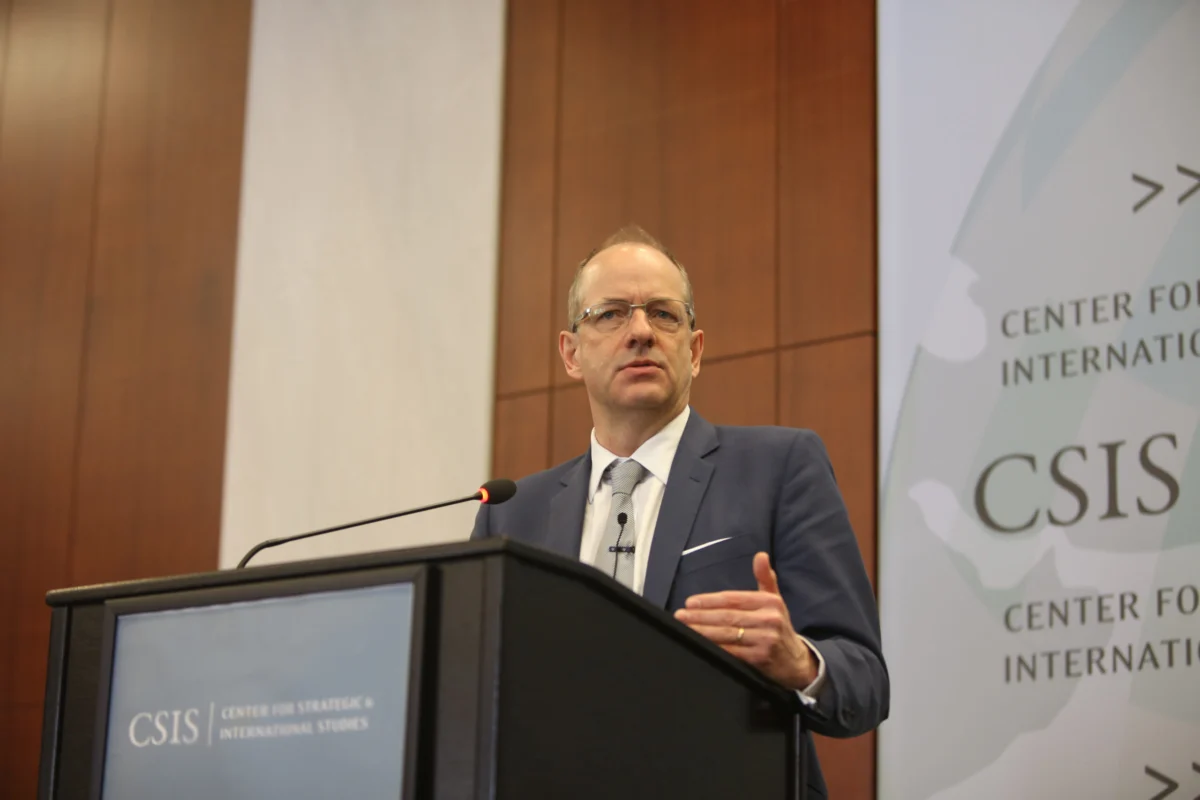
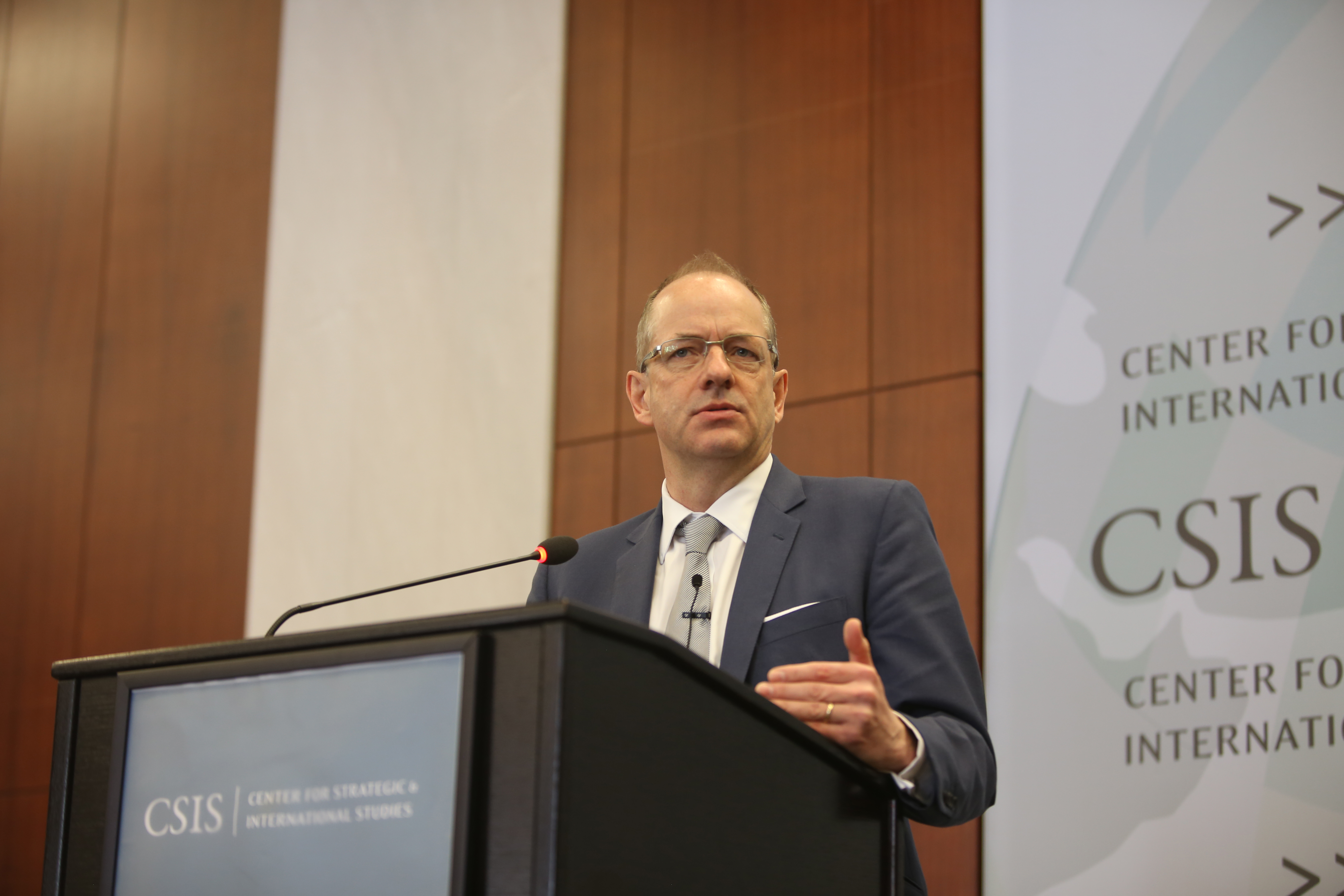
On March 17, 2016, the Center for Strategic and International Studies (CSIS) Global Health Policy Center convened a pivotal forum to address the widening chasm between the bio-pharmaceutical industry and the global public. The event, held at the CSIS headquarters in Washington, D.C., served as a high-level platform to interrogate the evolving relationship between private-sector medical innovation and the essential societal mandates of equitable access, affordability, and transparency. Featuring a keynote address by Sir Andrew Witty, then-CEO of GlaxoSmithKline (GSK), the discussion arrived at a critical juncture in the global discourse regarding how pharmaceutical giants might reconcile profit-driven R&D with the universal human right to health.
The Context of the 2016 Healthcare Landscape
The 2016 event took place against a backdrop of intensifying international scrutiny. Throughout the early 2010s, the pharmaceutical industry faced mounting criticism over drug pricing models, a lack of transparency in clinical trial data, and a perceived failure to adequately address the medical needs of low- and middle-income countries. Global health advocates had long argued that the traditional intellectual property-based model of drug development often prioritized "blockbuster" lifestyle drugs over life-saving treatments for neglected tropical diseases or antibiotic-resistant infections.
Furthermore, the timing of this discussion was inextricably linked to the formation of the United Nations Secretary-General’s High-Level Panel on Access to Medicines. This body was tasked with finding solutions to the "policy incoherence" between intellectual property rights, international trade agreements, and public health objectives. With Sir Andrew Witty serving as a member of this prestigious panel, his participation at CSIS was viewed as a significant opportunity to signal a shift in corporate strategy toward more transparent, patient-centric engagement.
Keynote: Sir Andrew Witty’s Reform Agenda
Sir Andrew Witty utilized his keynote address to outline a series of internal reforms at GlaxoSmithKline intended to modernize the firm’s global footprint. Central to his presentation were four strategic pillars: the modernization of sales and marketing practices, an unprecedented commitment to the transparency of clinical trial data, a tiered approach to drug pricing based on national economic development, and a reorientation of research and development toward unmet medical needs.
Witty argued that the "trust deficit" plaguing the pharmaceutical industry was a structural issue that required a fundamental change in corporate philosophy. He highlighted GSK’s shift away from sales-based compensation for representatives—a move intended to remove the incentive for aggressive marketing of medications. Additionally, his commitment to sharing clinical trial data through public repositories was, at the time, considered a progressive leap toward open science, aimed at accelerating collective medical progress and fostering public confidence in clinical evidence.
Roundtable Perspectives: Balancing Ethics and Economics
Following the keynote, the discussion transitioned into a roundtable moderated by J. Stephen Morrison, Senior Vice President and Director of the CSIS Global Health Policy Center. The panel featured esteemed voices in the field of bioethics and public health, including Dr. Margaret Hamburg, then-Foreign Secretary of the Institute of Medicine (now the National Academy of Medicine), and Dr. Ezekiel Emanuel, a preeminent scholar on medical ethics and health policy at the University of Pennsylvania.
Dr. Hamburg emphasized the necessity of a global regulatory framework that could harmonize safety standards while ensuring that innovations reached developing markets. She noted that while the private sector is the engine of drug discovery, that engine requires the "guardrails of public interest" to function effectively for society at large.
Dr. Emanuel, meanwhile, brought a rigorous analytical focus to the economics of drug development. He argued that while companies deserve a fair return on investment for high-risk innovation, the pricing of life-saving therapeutics must account for "value-based" outcomes rather than simply "what the market will bear." The dialogue underscored the friction between the fiduciary duties of public companies and the social imperative to prevent price-gouging in life-or-death treatment scenarios.
Supporting Data and Historical Industry Trends
To understand the significance of the 2016 forum, one must examine the state of the pharmaceutical sector at the time. Industry data from 2015 and 2016 indicated that the cost of developing a single new prescription drug had ballooned to an average of over $2.5 billion, according to the Tufts Center for the Study of Drug Development. This figure was frequently cited by industry proponents to justify high retail prices. However, critics pointed to the heavy reliance on government-funded basic research—often originating from the National Institutes of Health (NIH)—as evidence that the public was paying for the same innovation twice: once through taxes and again at the pharmacy counter.
By 2016, the sector was also navigating the fallout of several high-profile pricing scandals involving companies like Turing Pharmaceuticals, which had increased the price of the drug Daraprim by over 5,000 percent overnight. While GSK was not implicated in such extreme predatory pricing, the general public sentiment was one of profound skepticism, making Witty’s call for reform not just a moral choice, but a strategic imperative to preserve the industry’s social license to operate.
The Broader Implications for Policy
The CSIS session served as a microcosm for the larger, ongoing struggle to define the "Social Contract" of the 21st-century bio-pharmaceutical industry. The implications of the discourse were three-fold:
- Transparency as a Currency of Trust: The shift toward open-access clinical data set a standard that many other firms would eventually feel pressured to follow. The event highlighted that in the age of digital information, "secrecy" is increasingly viewed as a liability to a company’s brand and its long-term market sustainability.
- The Evolution of Global Access Programs: Witty’s focus on tiered pricing demonstrated an acknowledgement that a "one-size-fits-all" pricing model is untenable in a globalized economy. By adjusting prices to reflect the GDP per capita of a given nation, pharmaceutical firms could theoretically increase their market reach while simultaneously meeting humanitarian goals.
- The Role of Non-State Actors in Global Governance: The event highlighted that corporations are no longer merely passive subjects of national regulation. Instead, they are active participants in international policy-making. When a CEO of a major pharmaceutical firm joins a UN High-Level Panel, the line between private interest and public governance blurs, necessitating a higher degree of accountability.
Looking Forward: A Legacy of Dialogue
The March 2016 CSIS event remains a significant historical marker in the timeline of global health policy. While the challenges of drug pricing and equitable access continue to dominate international headlines, the dialogue initiated during this period fostered a more rigorous demand for accountability.
The participation of experts like Dr. Ezekiel Emanuel and Dr. Margaret Hamburg ensured that the discussion was grounded in the realities of medical ethics, while Sir Andrew Witty’s presence provided a rare, candid glimpse into the challenges of implementing corporate reform from within the industry. As the global community continues to grapple with the pandemic-era lessons regarding vaccine distribution and medical supply chains, the core themes discussed at CSIS in 2016—trust, transparency, and the pursuit of the common good—remain as relevant today as they were nearly a decade ago.
The legacy of such forums is not found in immediate, sweeping legislative change, but in the slow, persistent shifting of the "Overton window" of corporate responsibility. By bringing the pharmaceutical industry into the light of public, academic, and policy scrutiny, institutions like CSIS have played a vital role in ensuring that the future of medicine is built upon a foundation of both innovation and human dignity.