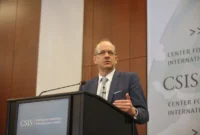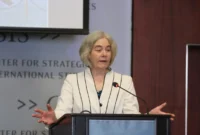
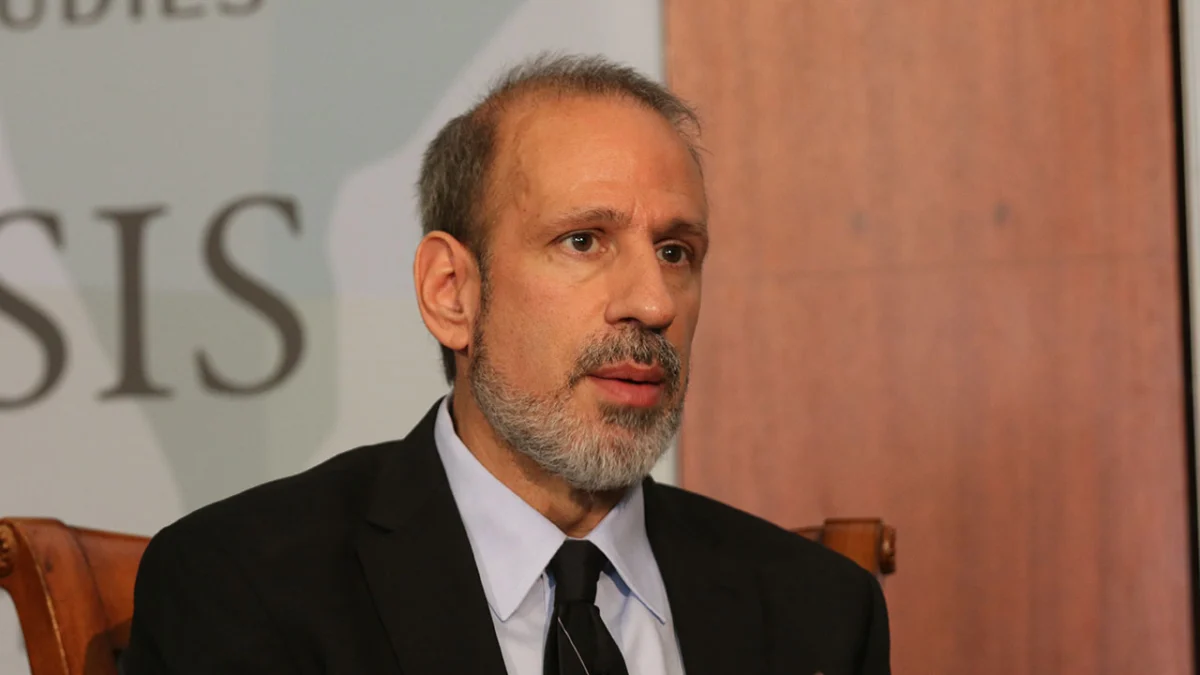
The Center for Strategic and International Studies (CSIS) has convened a high-level, half-day conference under its Defense360 banner to dissect the intricacies of the fiscal year (FY) 2017 defense budget request. As the Department of Defense (DoD) navigates an increasingly complex global threat environment, this event serves as a critical forum for stakeholders to examine the alignment between the administration’s strategic priorities and the financial resources allocated to achieve them. The conference features senior Pentagon leadership and a curated panel of experts tasked with evaluating how the proposed budget addresses long-term modernization, readiness, and the geopolitical challenges defining the modern security landscape.
The Strategic Context of the FY2017 Request
The FY2017 defense budget request arrives at a pivotal juncture in American national security policy. Following years of fiscal volatility driven by the Budget Control Act (BCA) of 2011 and subsequent sequestration, the 2017 request represents a deliberate attempt by the Obama administration to balance the immediate requirements of ongoing global operations against the need for future force modernization.
The strategic calculus behind this budget is predicated on the "Third Offset Strategy," an initiative designed to maintain the United States’ military-technological edge against peer competitors such as Russia and China. This approach emphasizes the integration of advanced technologies—including robotics, artificial intelligence, and cyber capabilities—into the defense enterprise. However, the proposal must also contend with the reality of an aging military fleet and the high operational tempo of forces deployed across the Middle East and Eastern Europe.
Chronology of the Budgetary Process
The journey toward the FY2017 request began well before the public unveiling, rooted in the Quadrennial Defense Review (QDR) and subsequent adjustments necessitated by the evolving security environment.
- Strategic Planning Phase: Throughout 2015, the DoD refined its force structure goals, prioritizing the transition from the counterinsurgency-heavy focus of the previous decade toward high-end, great-power competition.
- Budget Formulation: The Office of the Under Secretary of Defense (Comptroller) worked in conjunction with the Cost Assessment and Program Evaluation (CAPE) office to align specific procurement programs with the fiscal ceilings mandated by the Bipartisan Budget Act of 2015.
- Formal Submission: The President submitted the budget request to Congress in early 2016, triggering a months-long legislative review process characterized by intense scrutiny from both the House and Senate Armed Services Committees.
- Defense360 Conference: The CSIS event acts as an analytical bridge, providing a venue for the architects of the budget to justify their decisions to the defense policy community and for independent analysts to stress-test the underlying assumptions of the request.
Key Personnel and Institutional Perspectives
The CSIS conference features opening remarks by Dr. John Hamre, President and CEO of CSIS, whose leadership has long been central to the discourse on defense reform and fiscal responsibility. The core of the policy discussion is anchored by three primary figures:
- Mike McCord, Under Secretary of Defense (Comptroller): As the DoD’s Chief Financial Officer, McCord provides the institutional perspective on the technical feasibility of the request and the mechanisms by which the Pentagon manages its massive, multi-billion-dollar portfolio.
- Dr. Jamie Morin, Director of Cost Assessment and Program Evaluation (CAPE): CAPE plays a foundational role in analyzing the cost-effectiveness of defense programs. Morin’s presence is critical to understanding why certain platforms were prioritized for funding while others were slated for divestment or reduction.
- Robert Scher, Assistant Secretary of Defense for Strategy, Plans, and Capabilities: Scher represents the strategic policy wing, explaining how the budget supports the specific goals set forth in the National Military Strategy, including the pivot to the Indo-Pacific and the reinforcement of NATO’s eastern flank.
Analysis of Fiscal Data and Resource Allocation
The FY2017 request, totaling approximately $582.7 billion in base and Overseas Contingency Operations (OCO) funding, reflects a strategic shift toward increased investment in research and development (R&D). Data from the request indicates a sustained focus on cyber warfare, space systems, and advanced munitions.
A central point of contention in the budget is the reliance on OCO funding, which is exempt from the statutory caps of the BCA. Critics argue that using OCO as a "slush fund" to cover base-budget requirements—such as routine maintenance and base operations—masks the true structural deficit within the defense budget. The panel discussions, moderated by Todd Harrison, Director of Defense Budget Analysis at CSIS, are expected to delve into these accounting practices, exploring the long-term risks to military readiness if the DoD remains overly reliant on temporary funding streams for core, enduring requirements.
Expert Commentary and Independent Assessment
Following the administration’s briefing, a panel of senior defense experts provides a rigorous assessment of the proposal. The panel, including Tina Jonas, former Under Secretary of Defense (Comptroller); Andrew Hunter, Director of the CSIS Defense-Industrial Initiatives Group; Mark Cancian, Senior Adviser at CSIS; Shawn Brimley of the Center for a New American Security; and Roger Zakheim of the American Enterprise Institute, brings a diverse array of perspectives to the table.
Key areas of focus for the panel include:
- Defense Industrial Base Readiness: How the budget influences the sustainability of the defense industrial base, particularly for niche suppliers of specialized components.
- Modernization vs. Readiness: The perennial tension between funding next-generation platforms and ensuring that current forces are adequately trained and equipped for immediate deployment.
- Geopolitical Alignment: Whether the geographic allocation of resources sufficiently addresses the rise of anti-access/area-denial (A2/AD) capabilities in the Pacific and the Baltic region.
Broader Implications for National Security
The implications of the FY2017 defense budget extend far beyond the fiscal year in question. The choices made in this budget cycle set the trajectory for procurement cycles that will span the next decade. If the United States fails to adequately fund R&D now, it risks a "capabilities gap" that could be difficult to bridge in the 2020s and 2030s.
Furthermore, the conference serves as a platform for broader discussions on defense reform. CSIS has actively solicited input on how the Department of Defense can streamline its bureaucracy and reduce overhead costs. The survey on defense reform promoted during the event highlights a growing consensus that the current management structure within the Pentagon may be ill-suited for the speed of modern technological change.
Legislative and Institutional Reactions
While the administration views the budget as a pragmatic, necessary compromise, reaction on Capitol Hill has been mixed. Fiscal hawks have expressed concern over the continued growth of the federal deficit, while defense hawks have argued that the overall budget levels remain insufficient to combat the "four-plus-one" threat matrix (Russia, China, North Korea, Iran, and violent extremism).
The debate surrounding the FY2017 budget also highlights the increasing friction between civilian leadership and the military services regarding the balance between personnel costs and modernization. As personnel costs—including healthcare and compensation—continue to rise, the amount of funding available for training and procurement is squeezed, leading to what some analysts describe as a "hollow force" risk.
Conclusion: The Path Forward
The CSIS Defense360 conference provides a vital snapshot of the American defense posture in an era of uncertainty. By bringing together the architects of the FY2017 request and the independent analysts who hold them to account, the conference fosters a deeper understanding of the constraints and opportunities facing the U.S. military. As the nation continues to navigate the complexities of global power dynamics, the ability of policymakers to align financial resources with strategic imperatives remains the ultimate test of American national security. The discussions held in this forum will undoubtedly inform the legislative actions and policy adjustments that will define the trajectory of the Department of Defense in the years to come.