
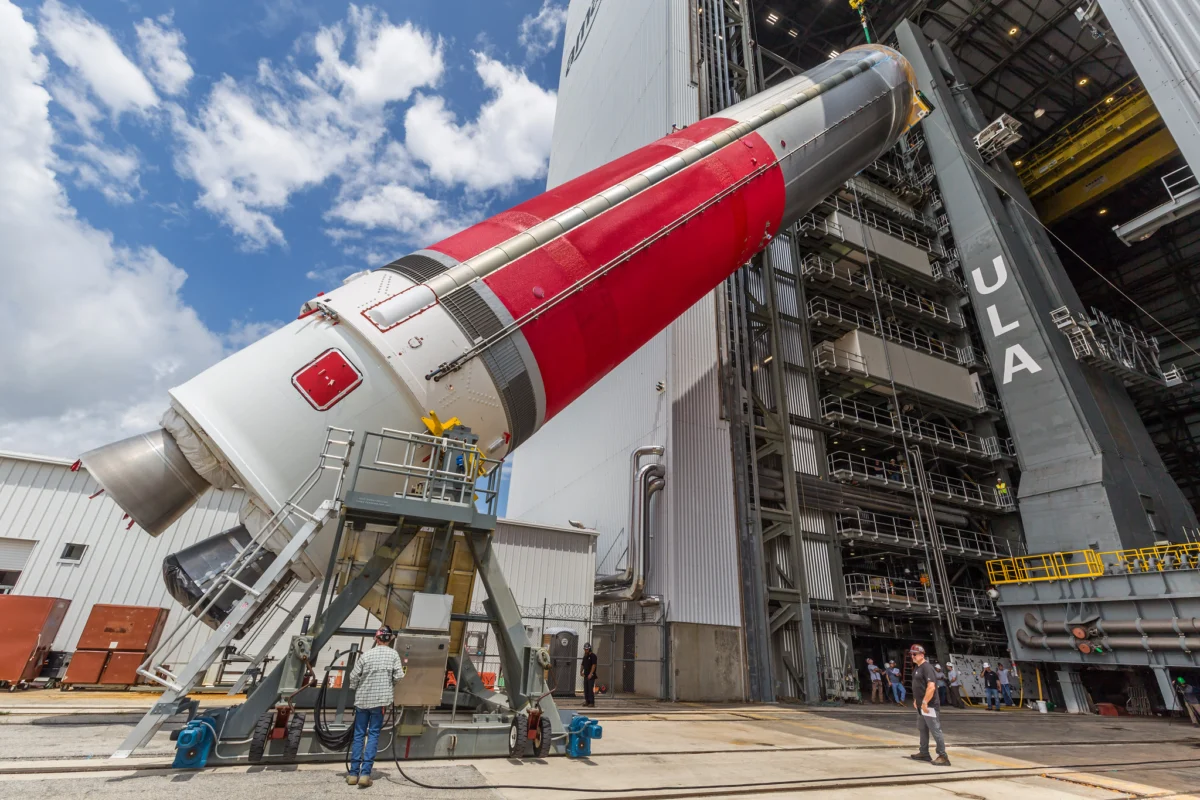
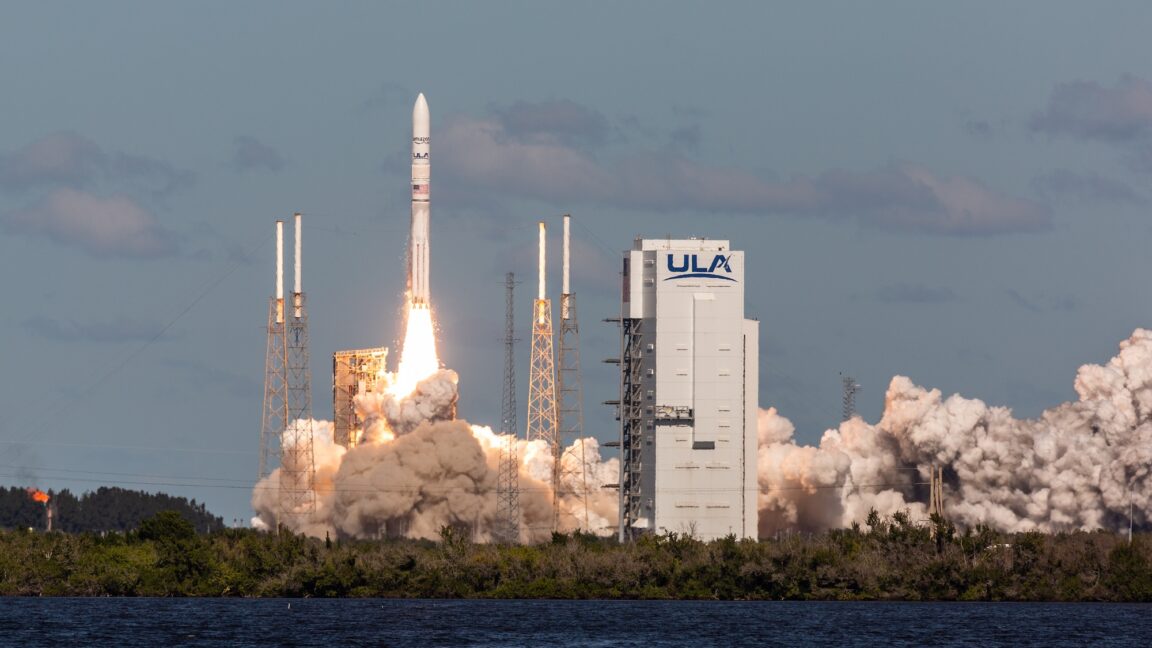
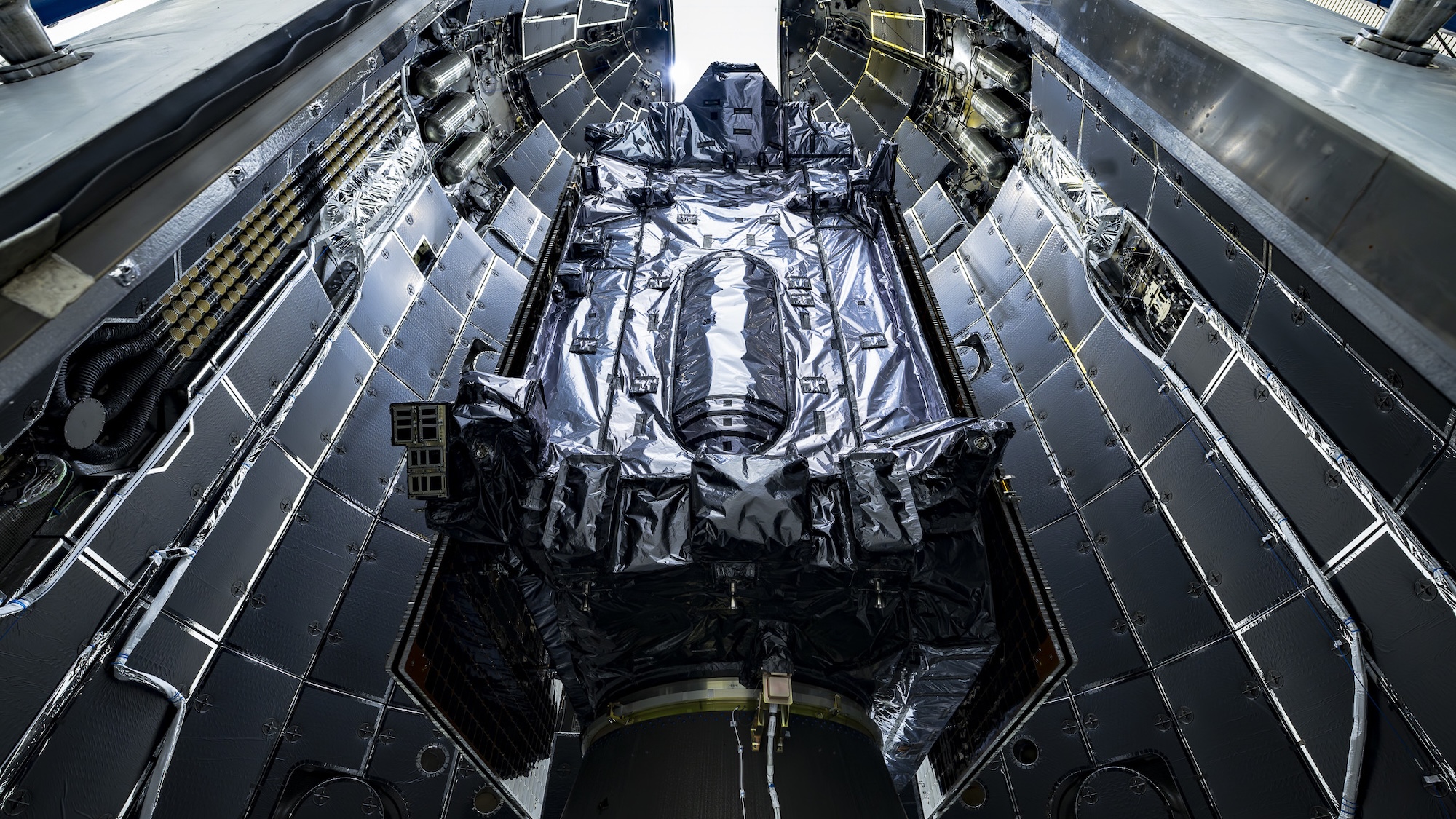
The United Launch Alliance (ULA) Vulcan rocket experienced a catastrophic failure Sunday afternoon shortly after lifting off from the Cape Canaveral Space Force Station in Florida. The event, which occurred at approximately 12:40 pm EDT (17:40 UTC), marks the first total mission loss in the two-decade history of the joint venture between aerospace giants Boeing and Lockheed Martin. The failure resulted in the loss of 40 Amazon Project Kuiper (Leo) broadband satellites, a significant blow to the tech giant’s ambitious plans to challenge SpaceX’s Starlink in the global satellite internet market.
The anomaly, which ULA officials confirmed in a brief post-launch statement, occurred roughly 10 minutes into the flight. While the rocket’s six solid rocket boosters performed as expected during the initial ascent, telemetry data suggested mounting instability as the vehicle transitioned to the power of its dual Blue Origin-manufactured BE-4 engines. The loss of the vehicle and its payload has effectively grounded the Vulcan fleet indefinitely as federal regulators and internal engineering teams launch a comprehensive investigation into the root cause of the incident.
Chronology of a Failed Mission
The launch sequence initially appeared nominal as the Vulcan rocket cleared the pad at Cape Canaveral. The six solid rocket boosters, which provide the initial thrust required to haul heavy payloads into orbit, functioned within expected parameters for the first two minutes of flight. Following the successful jettisoning of these boosters, the vehicle continued its trajectory toward orbit powered by its twin BE-4 main engines.
However, telemetry data began to deviate from flight profiles shortly thereafter. According to mission analysts and industry sources, the BE-4 engines, which were designed to provide over 500,000 pounds of thrust each, remained active for roughly 30 seconds longer than the planned five-minute burn duration. This extended burn, often a sign of an automated attempt to compensate for a lack of velocity or altitude, indicated that the booster stage was struggling to maintain its flight path.
As the rocket transitioned to the Centaur V upper stage, visual telemetry from the launch broadcast showed the vehicle entering an uncontrolled spin. Despite the activation of the Centaur’s twin RL10 engines—which attempted to vector thrust to stabilize the craft—the vehicle’s attitude could not be corrected. The mission, intended to deploy a critical batch of broadband satellites into a low-Earth orbit, was declared a failure shortly after the live broadcast concluded. ULA stated that it currently lacks specific diagnostic data to pinpoint the exact moment of failure, though investigations are now focused on the booster stage and the interaction between the vehicle’s propellant systems and the BE-4 engines.
Technical Implications and the BE-4 Factor
The failure has immediately focused intense scrutiny on the BE-4 engine, a complex liquid methane-fueled engine developed by Jeff Bezos’s Blue Origin. The BE-4 is the centerpiece of the Vulcan’s propulsion system, and its reliability has been a focal point for the space industry since its development.
The timing of this failure is particularly sensitive given the recent history of the BE-4 engine. In May, a separate test of a New Glenn rocket—which also utilizes the BE-4—resulted in an explosion at a Florida testing facility. Investigators previously attributed that incident to a faulty valve within the engine assembly. If the current ULA investigation concludes that a similar mechanical or software failure occurred during Sunday’s flight, the consequences will ripple across the entire US launch sector.
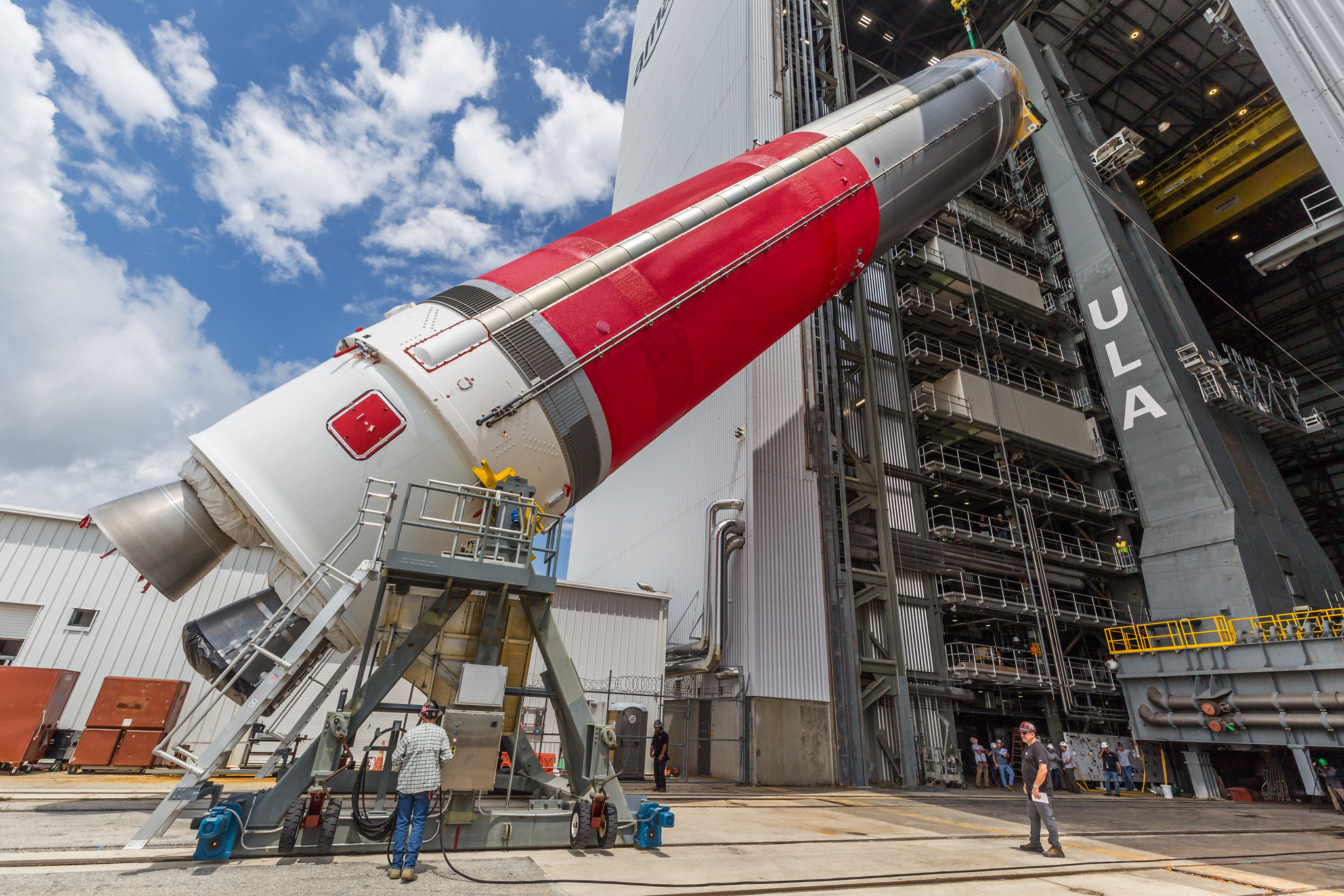
Beyond the immediate loss of the Vulcan, a confirmed engine defect would likely force a multi-month grounding of both the Vulcan rocket and the upcoming New Glenn flight schedule. For ULA, this represents a major setback in their effort to modernize their launch capabilities. The company has spent years transitioning from the legacy Atlas V and Delta IV Heavy platforms to the Vulcan, which was intended to be the workhorse for national security launches and commercial heavy-lift requirements.
Impact on Amazon’s Project Kuiper
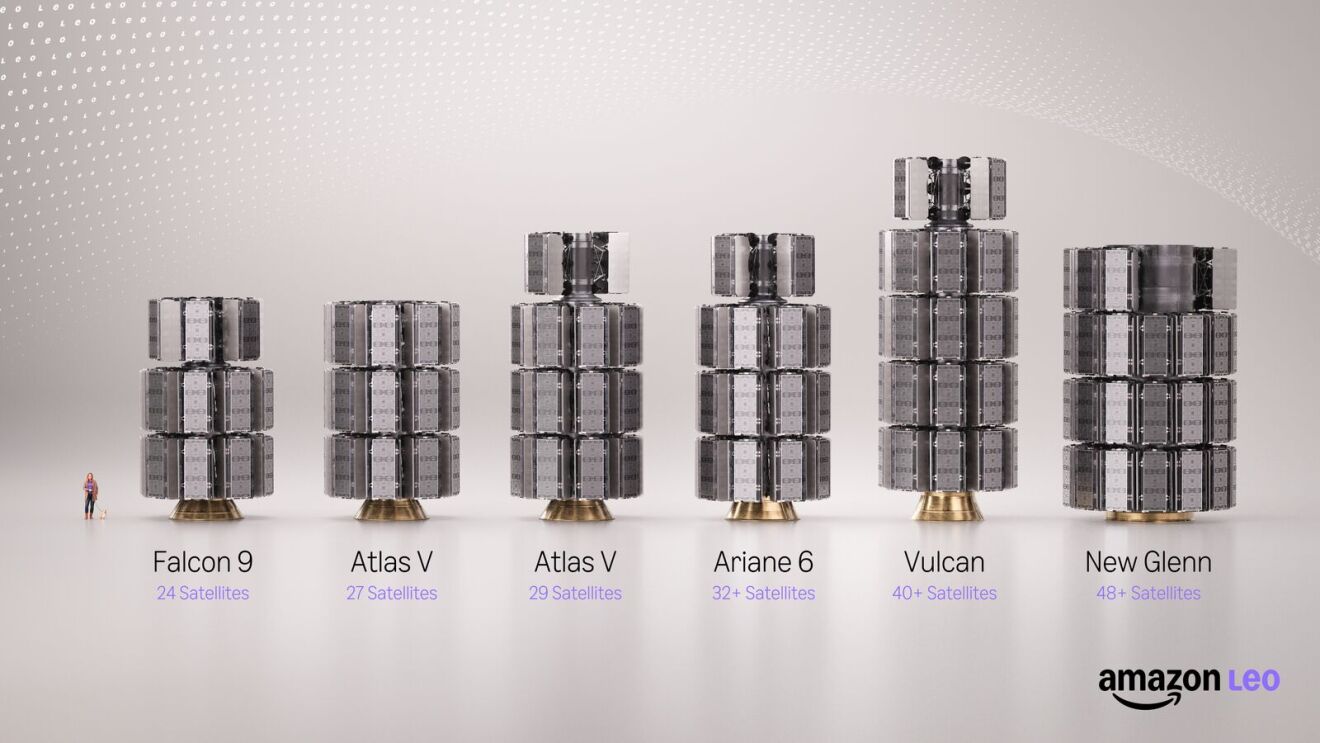
For Amazon, the loss of 40 satellites is a substantial operational hurdle. The company, which is in the midst of building a massive constellation of 3,292 satellites to provide high-speed internet globally, has already invested billions in research, development, and launch infrastructure.
Prior to Sunday, the Kuiper constellation consisted of 396 satellites, a modest fraction of its ultimate goal. Amazon had previously stated that it held enough satellite inventory to begin initial commercial internet services by the end of this calendar year. The loss of these 40 units does not necessarily derail the entire project, but it severely complicates the timeline for full-network deployment.
Amazon’s launch strategy has been intentionally diversified, relying on a mix of providers including ULA, Arianespace, and Blue Origin. However, the Vulcan failure compounds existing delays. With the Atlas V rocket no longer in production and the New Glenn program facing its own developmental bottlenecks, Amazon has been forced to lean heavily on SpaceX’s Falcon 9 for interim launches. While Amazon has 10 missions booked with SpaceX, industry experts note that the company’s reliance on its primary competitor is a strategic vulnerability. With SpaceX transitioning its own focus toward the next-generation Starship vehicle, the availability of the Falcon 9 for external commercial payloads is expected to decline in the coming years.
National Security and the Space Force
The Department of Defense faces a similar dilemma. The US Space Force relies on both ULA and SpaceX to guarantee "assured access to space" for sensitive military and intelligence payloads. In recent years, the Space Force has moved to include more launch providers, such as Blue Origin, to prevent a single-provider monopoly.
However, the Vulcan’s repeated delays—and now this total loss—have forced the military to shift critical payloads to SpaceX to avoid missing launch windows. While the Space Force has historically negotiated "swaps" to balance the mission load between providers, the options for such maneuvers are narrowing. The military’s dependence on SpaceX is at an all-time high, a situation that Pentagon officials have expressed a desire to avoid for risk-mitigation reasons.
The current failure of the Vulcan is likely to trigger an intensive review by the Space Force regarding certification standards and launch readiness. As the US faces growing competition from international rivals—specifically China’s rapidly advancing space program—the pressure on domestic launch providers to maintain a consistent and reliable cadence has never been greater.
The Path to Recovery
In the wake of the failure, ULA leadership has committed to a policy of full transparency. CEO and engineering teams are currently reviewing telemetry from the failed flight to determine the specific corrective actions required to return to flight.
NASA Administrator Bill Nelson offered a message of support, noting that the agency is prepared to assist in the investigation. This offer of support underscores the high stakes involved for the broader US aerospace sector, including NASA’s Artemis program. The Centaur V upper stage, which is a critical component of the Vulcan, is also slated for integration into the Space Launch System (SLS) for future crewed lunar missions. NASA’s interest in identifying a potential design flaw in the Centaur is, therefore, a matter of human safety.
The investigation will follow a rigorous methodology, likely involving independent experts and oversight from the Federal Aviation Administration (FAA). For ULA, the path forward requires not only a technical fix but a restoration of confidence among its high-stakes customers.
As the industry looks toward the next phase of the investigation, the focus will remain on the interplay between the BE-4 engines and the rocket’s guidance systems. Whether this failure is a localized manufacturing defect or a systemic design limitation will determine the future of the Vulcan program. For now, the launch pad at Cape Canaveral remains silent, serving as a reminder of the inherent risks that accompany the pursuit of orbital dominance. The next few months will be a defining period for ULA, as the company attempts to recover from the most significant setback in its history while the eyes of the global space industry remain fixed on their findings.