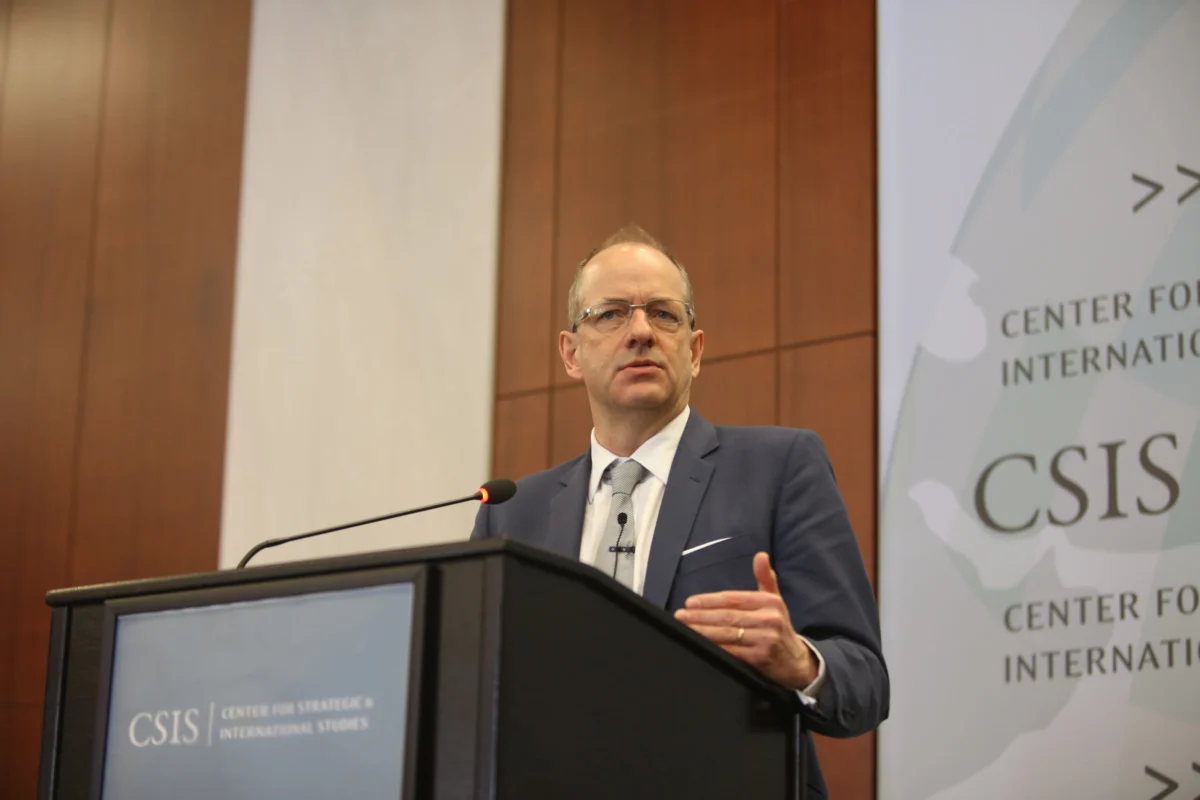
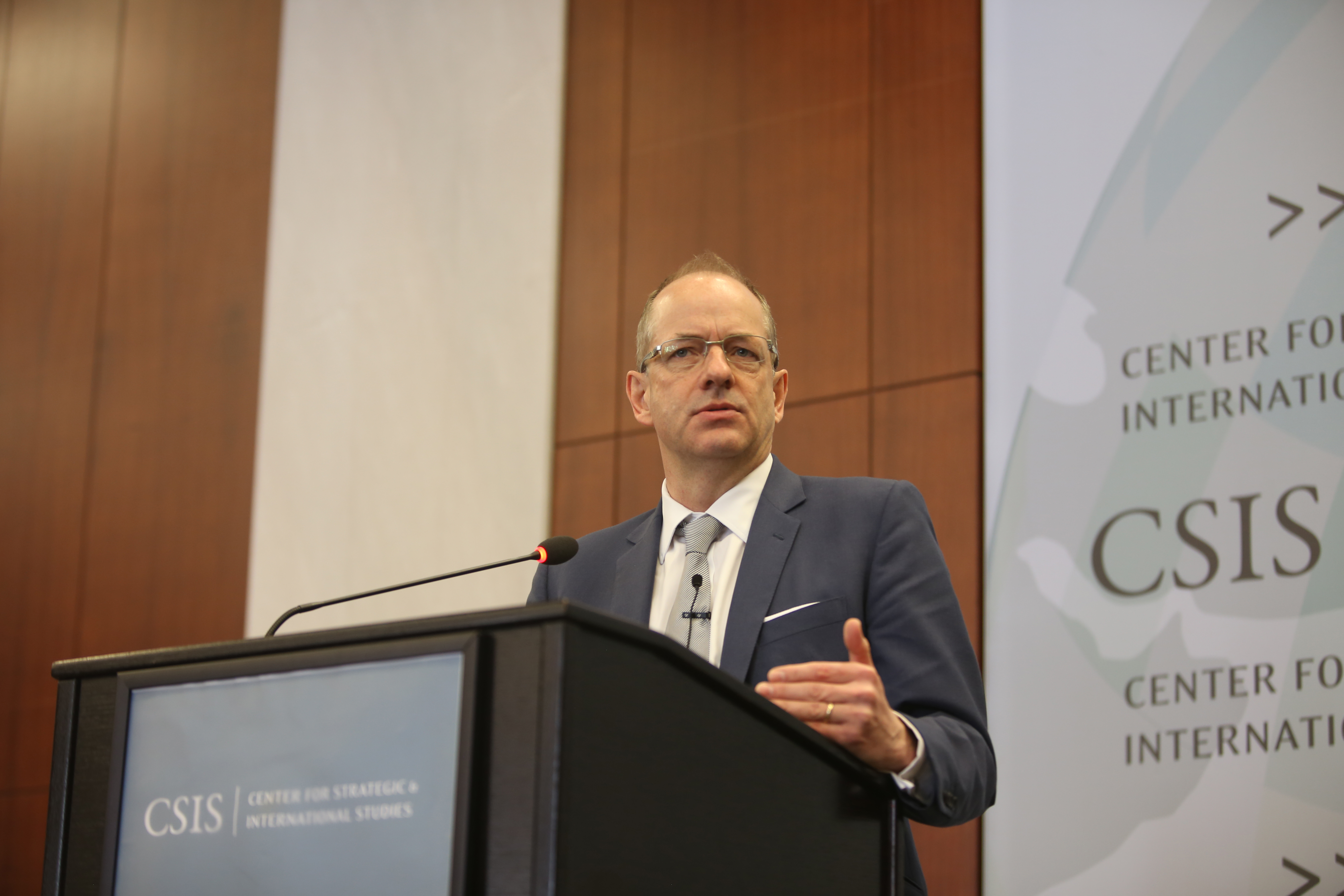
On March 17, 2016, the Center for Strategic and International Studies (CSIS) Global Health Policy Center convened a high-level forum to address the widening gap between the biopharmaceutical industry’s commercial imperatives and the pressing societal demands for affordable, accessible, and high-quality healthcare. The event, which featured a keynote address by then-GlaxoSmithKline (GSK) CEO Sir Andrew Witty, served as a critical platform for discussing the industry’s ethical obligations, the necessity for increased transparency, and the mechanics of drug pricing in an era of heightened public scrutiny.
The Context of the 2016 Industry Crisis
By early 2016, the global pharmaceutical sector was grappling with a profound crisis of confidence. For years, the industry had been under fire for aggressive pricing strategies, particularly in the United States, and a perceived lack of transparency regarding the outcomes of clinical trials. The narrative surrounding "Big Pharma" had shifted from one of life-saving innovation to one of profit-maximization at the expense of patient welfare.
Against this backdrop, the UN Secretary-General’s High-Level Panel on Access to Medicines had been established to identify and implement solutions to the public health crisis caused by the disconnect between the cost of research and development (R&D) and the affordability of the resulting therapies. Sir Andrew Witty’s participation in this panel, coupled with his appearance at CSIS, signaled an attempt by a major industry leader to steer the conversation toward systemic reform rather than defensive posturing.
Keynote Address: Sir Andrew Witty and the GSK Reform Agenda
Sir Andrew Witty utilized the CSIS stage to detail a series of internal reforms at GlaxoSmithKline that aimed to decouple the traditional sales-based incentive structures from medical professional engagement. At the time, GSK had begun to phase out direct payments to doctors for speaking engagements—a practice long criticized for creating conflicts of interest.
Witty argued that for the pharmaceutical industry to maintain its "license to operate," it had to move toward a model of "value-based" engagement. He highlighted the firm’s commitment to making clinical trial data more accessible, recognizing that the sequestration of negative or inconclusive trial results had historically undermined public trust. Furthermore, Witty addressed the complex issue of tiered pricing, suggesting that the industry must be more flexible in its approach to different markets, ensuring that patients in developing nations were not excluded from life-saving medicines due to price parity with Western markets.
The Roundtable: Ethical Imperatives and Market Realities
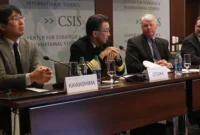
Following the keynote, a distinguished panel consisting of Sir Andrew Witty, Dr. Margaret Hamburg, former Commissioner of the U.S. Food and Drug Administration (FDA) and then-Foreign Secretary of the Institute of Medicine, and Dr. Ezekiel Emanuel, a noted bioethicist from the University of Pennsylvania, engaged in a robust discussion moderated by J. Stephen Morrison.
Dr. Margaret Hamburg emphasized the necessity of regulatory rigor, noting that the relationship between the regulator and the industry must be characterized by both collaboration and distance. She pointed out that innovation is only beneficial if it is safe and if the data supporting its efficacy is beyond reproach. Dr. Emanuel provided a more critical perspective on the economic structures of the industry, challenging the audience to consider whether the current patent system was truly incentivizing the right kind of innovation—specifically, whether there was too much focus on "me-too" drugs (minor variations of existing treatments) rather than breakthrough therapies for unmet medical needs.
Supporting Data and Industry Trends
At the time of the 2016 forum, the data regarding pharmaceutical spending painted a stark picture. In the United States, prescription drug spending had reached approximately $450 billion in 2016, representing a significant increase over previous years. This surge was driven by both the introduction of high-cost specialty drugs for conditions like Hepatitis C and significant price hikes on legacy medications.
Simultaneously, the industry was facing a "patent cliff," where many high-revenue drugs were losing their patent protection to generic competition. This created a paradoxical pressure: companies needed to maintain high profit margins to fund future R&D, yet those high prices were fueling the very public outcry that threatened their reputation. The CSIS discussion highlighted the tension between the high cost of failure in drug development—where only one in several thousand compounds successfully makes it to market—and the public’s expectation of equitable access.
Chronology of Key Developments
- 2014-2015: Growing international backlash against pharmaceutical pricing leads to the formation of the UN Secretary-General’s High-Level Panel on Access to Medicines.
- Early 2016: Industry leaders begin to publicly acknowledge the need for a "social contract" to rebuild trust with policymakers and patient advocacy groups.
- March 17, 2016: The CSIS event takes place, marking one of the most transparent public dialogues between a major pharma CEO and policy experts.
- Late 2016: The UN High-Level Panel issues its final report, calling for greater transparency in R&D costs and advocating for the delinking of R&D costs from final product pricing.
- 2017 and Beyond: The discourse initiated at forums like CSIS continues to influence subsequent legislation and industry self-regulation regarding transparency and ethical marketing.
Broader Implications for Global Health Policy
The implications of the dialogue held at CSIS extended far beyond the immediate discussion. The event codified the argument that health policy and economic policy are inextricably linked. It underscored that the pharmaceutical industry cannot operate as an island, isolated from the geopolitical realities of global health.
The emphasis on transparency regarding clinical trials set a new industry standard. By the late 2010s, it became increasingly common for companies to publish trial data on open-access portals, a shift that began with early adopters like GSK. Furthermore, the discussion regarding "unmet medical needs" pushed the conversation toward neglected diseases—those that disproportionately affect the global poor and have historically been ignored by traditional commercial R&D pipelines.
Analysis of Future Challenges
While the 2016 forum successfully identified the core issues, the challenges highlighted remain largely unresolved in the current global climate. The tension between the protection of intellectual property (IP) and the human right to health persists. Critics of the "reform" approach argued that voluntary measures by individual firms, while positive, were insufficient to address the systemic imbalances of the global pharmaceutical market.
Proponents of stronger reform argued that without mandatory transparency in R&D spending and international agreements on price ceilings, the industry would continue to oscillate between periods of relative moderation and aggressive price extraction. The legacy of the 2016 CSIS meeting remains a foundational chapter in the ongoing narrative of corporate responsibility in the medical sector. It marked a turning point where the language of ethics—"trust," "confidence," and "societal goals"—began to be integrated into the strategic planning of the world’s largest biopharmaceutical firms.
Ultimately, the event demonstrated that the industry’s long-term sustainability is dependent on its ability to prove that its profit motive serves, rather than undermines, the health and well-being of the global population. As the industry continues to evolve in the wake of subsequent global health crises, the principles discussed at this 2016 forum continue to serve as a benchmark for measuring progress in the delicate balance between innovation and equitable access.