The intersection of private enterprise and global public health has long been a domain of intense scrutiny, balancing the imperative for commercial innovation with the fundamental societal demand for affordable healthcare. On March 17, 2016, the Center for Strategic and International Studies (CSIS) Global Health Policy Center hosted a pivotal public event titled "The Bio-Pharma Industry and Society" in Washington, D.C. The 90-minute forum brought together prominent pharmaceutical executives, global health policymakers, and medical ethicists to address an urgent challenge: how bio-pharmaceutical corporations can structurally align their business models with the global imperatives of affordability, treatment access, quality care, and ethical research.
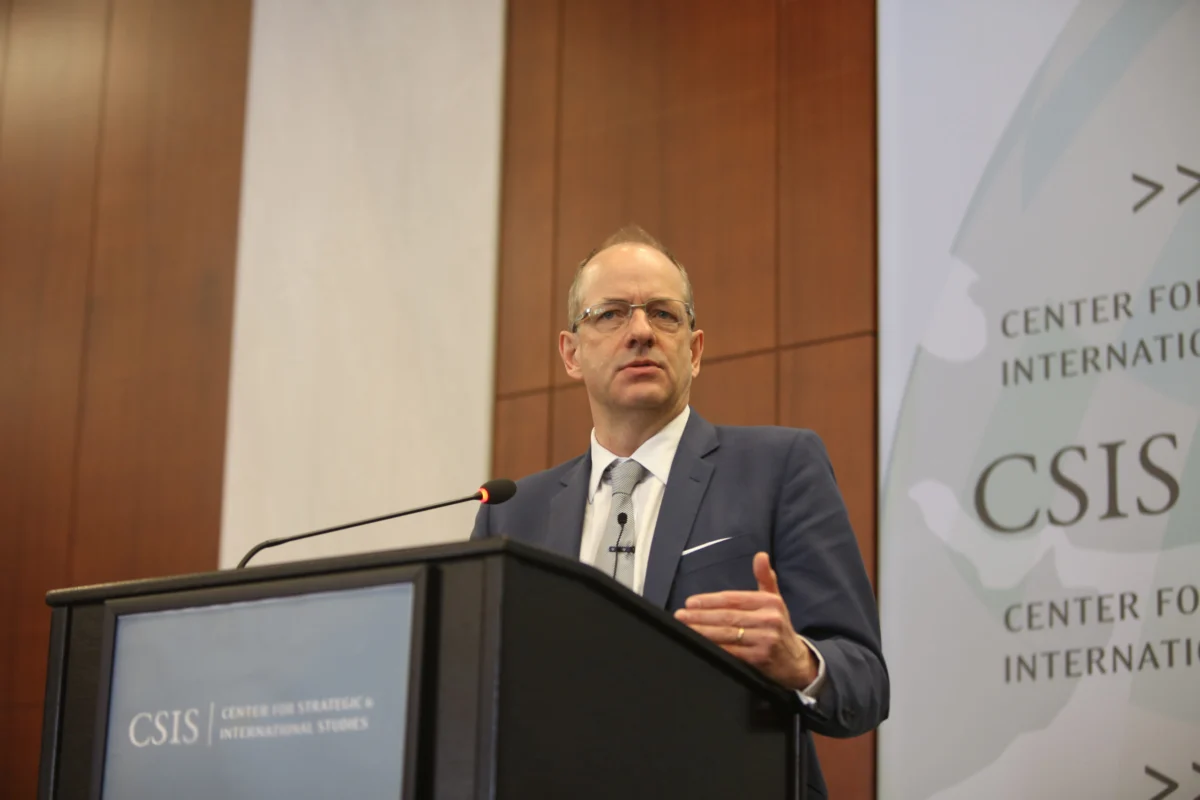
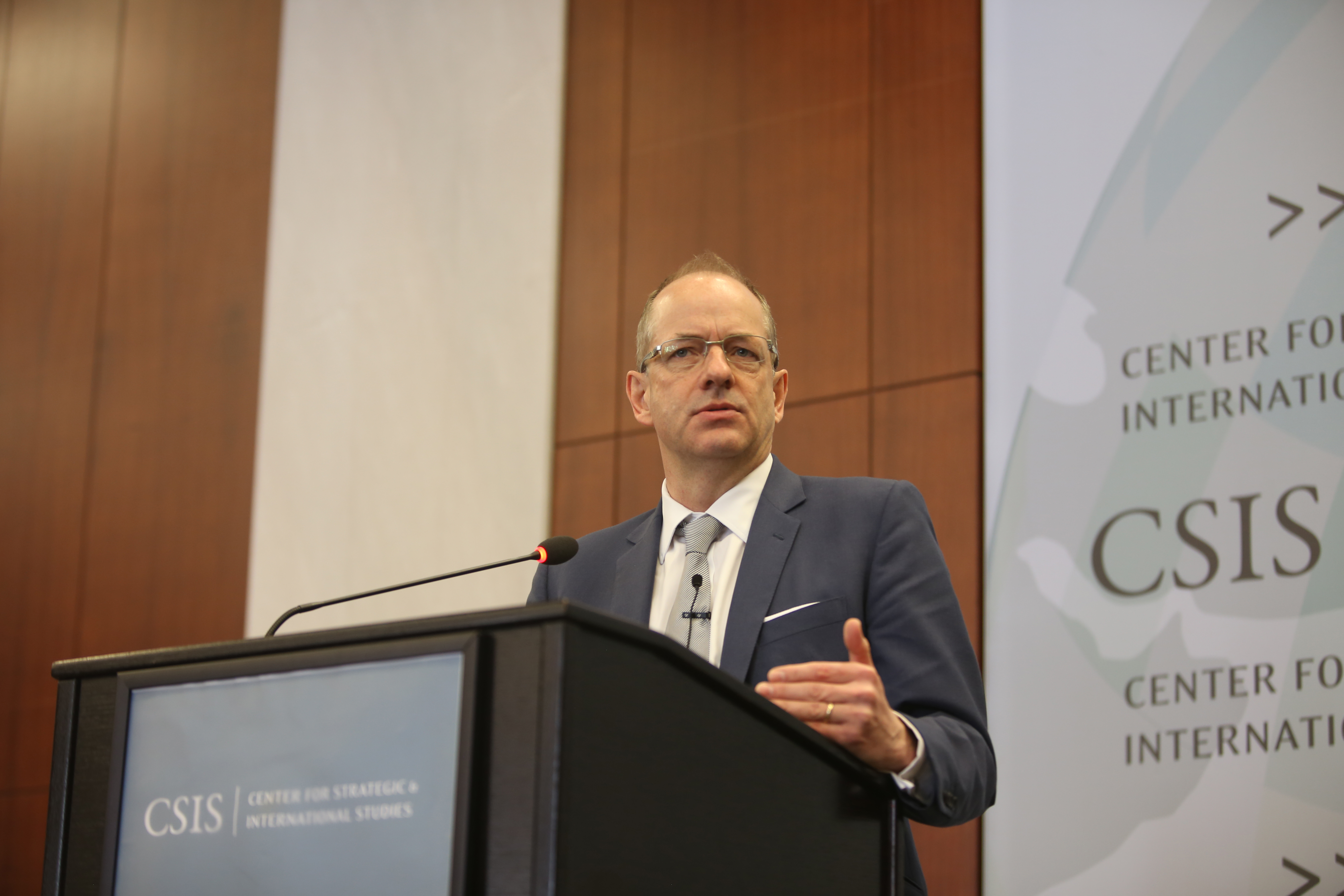
Against a backdrop of mounting public distrust in corporate pricing practices, shifting geopolitical health landscapes, and ongoing international deliberations on access to essential medicines, the event served as a critical platform for industry self-reflection and policy debate. Featuring a keynote address by then-GlaxoSmithKline (GSK) Chief Executive Officer Sir Andrew Witty and a high-level panel discussion moderated by CSIS Senior Vice President J. Stephen Morrison, the convening dissected the evolving obligations of multinational drug manufacturers in the twenty-first century.
The Global Context: Balancing Profitability with Public Health
During the mid-2010s, the pharmaceutical industry faced a complex web of reputational, financial, and ethical pressures. On one hand, rapid advancements in biotechnology, genomics, and targeted therapies unlocked unprecedented scientific potential, offering cures and advanced management for diseases that were previously considered terminal or untreatable. On the other hand, escalating drug prices in developed economies and persistent barriers to essential medicines in low- and middle-income countries sparked global outrage. Patients, advocacy groups, and governments increasingly questioned the justification behind high launch prices for specialty drugs, pointing out the substantial public investments funded through institutions like the U.S. National Institutes of Health (NIH) that often underpin basic biomedical research.
Furthermore, issues regarding clinical trial transparency—specifically the historic practice of withholding negative or inconclusive trial results—eroded public confidence in corporate data integrity. Regulatory agencies and civil society organizations began demanding radical transparency, arguing that the withholding of safety and efficacy data compromised patient care and hindered independent scientific validation. It was within this volatile climate of heightened expectations and regulatory friction that the CSIS forum took place, providing a rare window into how industry leaders sought to navigate the tension between shareholder value and universal health equity.
Keynote Address: Sir Andrew Witty and the Case for Corporate Reform
Sir Andrew Witty, leading GSK through a transformative era, utilized his keynote address to outline a sweeping philosophical and operational shift within his company. Taking the stage at 10:00 a.m. EDT, Witty argued that the long-term viability of the bio-pharmaceutical sector depended entirely on its ability to rebuild trust with society by redefining its core mission.
Witty highlighted several major structural reforms implemented at GSK aimed at altering the company’s footprint across diverse global markets:
- Flexible Pricing and Tiered Models: Acknowledging the stark economic disparities between nations, GSK introduced differentiated pricing strategies. In least-developed countries, the company committed to capping prices of patented drugs at a fraction of Western costs, while reinvesting a percentage of local revenues back into local health infrastructure and workforce training.
- Clinical Trial Data Transparency: Witty emphasized GSK’s pioneering role in opening up clinical trial data to independent researchers. By granting academic and regulatory entities access to anonymized patient-level data from past trials, the company aimed to foster a culture of scientific openness and collaborative discovery.
- Targeting Unmet Medical Needs: The GSK chief discussed a strategic pivot in research and development (R&D) resource allocation, moving away from "me-too" drugs—incremental variations of existing medications designed primarily to capture market share—and redirecting capital toward neglected tropical diseases, pediatric formulations, and novel antibiotics to combat rising antimicrobial resistance.
- Reforming Sales and Marketing Incentives: In a move that challenged traditional pharmaceutical commercial practices, GSK overhauled its global sales force compensation structure. Sales representatives were no longer incentivized by prescription volume quotas, eliminating aggressive marketing tactics that historically strained relationships with prescribing physicians.
Witty’s address carried heightened resonance given his concurrent role as a member of the United Nations Secretary-General’s High-Level Panel on Access to Medicines. Established to evaluate systemic policy incoherence between international trade rules, intellectual property rights, and public health needs, the UN panel provided a broader geopolitical framework for the reforms Witty advocated at the corporate level.
Expert Roundtable: Multidisciplinary Perspectives on Ethics and Access
Following the keynote, J. Stephen Morrison moderated a rigorous roundtable discussion featuring Witty alongside two titans of public health policy and medical ethics: Dr. Margaret Hamburg, Foreign Secretary of the Institute of Medicine (and former Commissioner of the U.S. Food and Drug Administration), and Dr. Ezekiel Emanuel, Vice Provost for Global Initiatives and Chair of the Department of Medical Ethics and Health Policy at the University of Pennsylvania.
The dialogue interrogated the systemic hurdles preventing equitable access to medicines and evaluated the feasibility of corporate self-regulation versus mandatory international policy interventions.
Dr. Margaret Hamburg on Regulatory Science and Quality Standards
Drawing on her extensive regulatory background, Dr. Hamburg underscored the indispensable role of robust regulatory authorities in ensuring that expanded access does not compromise product quality, safety, or efficacy. She noted that as pharmaceutical manufacturing globalizes and supply chains become increasingly intricate, maintaining stringent oversight across international borders is paramount. Hamburg praised steps toward clinical trial transparency, asserting that open science accelerates innovation and enhances regulatory decision-making by allowing independent experts to scrutinize safety profiles more comprehensively.
Dr. Ezekiel Emanuel on Ethical Obligations and R&D Priorities
Dr. Emanuel offered a sharp, analytical critique of current industry pricing structures and R&D return-on-investment models. He challenged the conventional industry narrative that exceptionally high drug prices are invariably necessary to fund high-risk innovation, presenting data suggesting that administrative, marketing, and shareholder payout expenditures frequently rival or exceed actual R&D budgets within major pharmaceutical firms. Emanuel advocated for deeper structural partnerships between governments, philanthropic foundations, and private entities to de-risk development pipelines for critical global health goods, such as vaccines and diagnostics for epidemic-prone pathogens.
The Moderated Exchange: Trust, Transparency, and Accountability
During the moderated question-and-answer segment, Morrison steered the discussion toward the tangible metrics of corporate accountability. The panelists debated whether voluntary corporate social responsibility initiatives are sufficient to bridge the global health equity gap, or if binding international frameworks and domestic legislative reforms—such as compulsory licensing provisions and price negotiation authorities—are ultimately required. Witty defended the pragmatic utility of voluntary industry action, arguing that collaborative models can be deployed much faster and more flexibly than multilateral treaties, though he conceded that regulatory compliance forms an essential baseline.
Supporting Data and Industry Trends (2010–2016)
To contextualize the arguments presented at the CSIS forum, economic and epidemiological data from the era illustrate the severe magnitude of the access challenge:
- Global Health Disparities: According to World Health Organization (WHO) estimates from the period, approximately one-third of the global population lacked regular access to essential medicines, with the proportion rising above 50 percent in impoverished regions of sub-Saharan Africa and South Asia.
- R&D vs. Marketing Expenditures: Financial analyses of major pharmaceutical firms during the early 2010s consistently revealed that marketing and administrative costs often accounted for 25 to 30 percent of total revenue, frequently matching or exceeding expenditures allocated to research and development.
- The Burden of Non-Communicable and Infectious Diseases: While high-income nations grappled with the fiscal sustainability of chronic disease management and specialty oncology drugs, low- and middle-income countries faced a dual burden: persisting epidemics of HIV/AIDS, tuberculosis, and malaria alongside a rapidly accelerating wave of non-communicable diseases like cardiovascular conditions and cancer.
Broader Impact and Long-Term Implications
The March 2016 CSIS policy forum captured a transitional epoch in the pharmaceutical industry’s relationship with global society. By placing corporate leaders like Sir Andrew Witty alongside independent ethicists and regulators like Dr. Hamburg and Dr. Emanuel, the event illuminated the difficult compromises required to reconcile commercial profitability with human rights obligations.
The discussions resonated far beyond the walls of the CSIS headquarters in Washington, feeding directly into the global policy debates surrounding the UN High-Level Panel on Access to Medicines. The commitments articulated by GSK—ranging from tiered pricing structures and open data sharing to decoupled sales incentives—established an influential benchmark for corporate citizenship within the life sciences sector.
In the years following the event, the pharmaceutical industry experienced continued pressure to institutionalize transparency and affordability measures, a dynamic that gained renewed urgency during subsequent global health crises, including the COVID-19 pandemic. The foundational dilemmas debated at the 2016 forum—how to reward genuine scientific innovation while ensuring life-saving therapies remain within reach of every patient, regardless of geography or socioeconomic status—remain central to the architecture of global health policy today.