
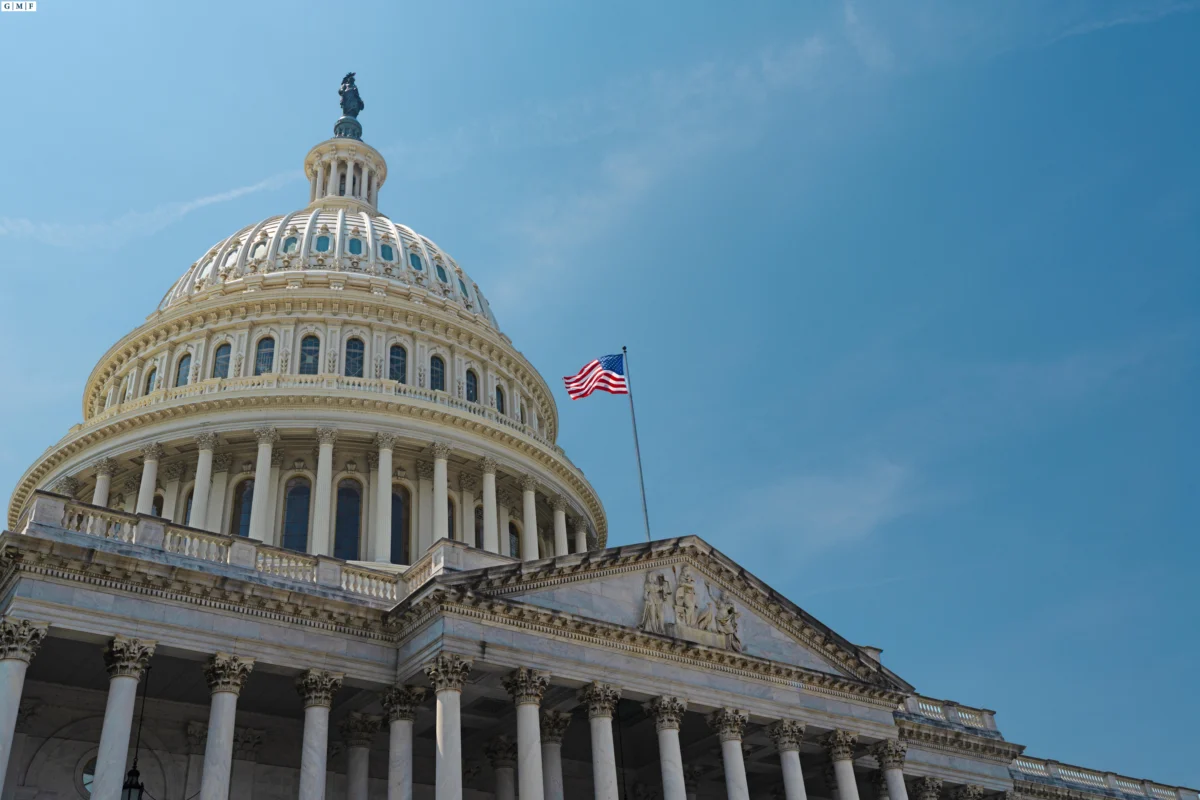
With the midterm election results nearly settled, the American political landscape has undergone a seismic shift, placing the Democratic Party in control of both the House of Representatives and the Senate as of January 2027. This electoral outcome, characterized by a significant swing against the incumbent administration, represents a historic moment for the presidency of Donald Trump, marking the first time in his tenure that he must navigate a government where both legislative chambers are held by the opposition. The results are widely interpreted by political analysts as a definitive rebuke of the administration’s aggressive foreign policy agenda and its broader economic management. While midterm elections are historically centered on domestic "fundamentals"—namely inflation, employment, and the cost of living—the 2026 cycle proved to be a notable exception, as voters directly linked their economic anxieties to the administration’s ongoing military engagement in Iran and its protectionist tariff policies.
A Chronology of the 2026 Midterm Reversal
The lead-up to the 2026 midterms was defined by an escalating sense of urgency among the electorate. Throughout the summer of 2026, internal polling suggested that the administration’s foreign policy, particularly the deepening involvement in the Middle East, was beginning to erode support even within traditional party strongholds.
- September 2026: Congress passes the Lindsey O. Graham Sanctioning Russia and Iran Act of 2026 with bipartisan support, signaling early legislative tension. The administration subsequently delays implementation, citing executive privilege and national security concerns.
- October 2026: Reports of undisclosed casualties and munitions shortages within the Iran theater surface, triggering intense scrutiny from oversight committees.
- November 4, 2026: Election Day results confirm a Democratic takeover of the House and Senate, effectively ending the period of unified government that characterized the first two years of the administration.
- January 2027: The new Congress is scheduled to convene, inheriting a mandate to aggressively exercise oversight of the executive branch and its foreign policy conduct.
The Dynamics of Divided Government
The American constitutional framework grants the president considerable latitude in foreign affairs, a reality that historically encourages chief executives to pivot toward international stagecraft during their final two years in office to cement their legacies. When faced with an opposition-controlled Congress, this tendency toward unilateralism often intensifies. Analysts anticipate that President Trump will attempt to maintain a robust international presence, potentially seeking rapid, high-visibility tactical victories to counteract the legislative gridlock he will face domestically.
However, the efficacy of this strategy is now constrained by a more assertive legislative branch. Unlike previous administrations that enjoyed a degree of deference from Congress regarding wartime funding, the incoming 2027 Democratic leadership has signaled a departure from the "blank check" approach. The power of the purse has become the primary mechanism through which Congress intends to challenge the White House. Democratic leaders have indicated that any supplemental funding requests for the war in Iran will face rigorous scrutiny, with many lawmakers suggesting that future appropriations will be subject to strict oversight provisions or denied entirely if clear exit strategies are not presented.
Congressional Oversight and the Defense Portfolio
The new Congress is expected to launch a series of high-profile investigations into the Pentagon, with Secretary of Defense Pete Hegseth identified as a primary target for oversight. Discussions in Capitol Hill hallways suggest that Democrats may leverage their control over the National Defense Authorization Act (NDAA) to force personnel changes. The historical parallel often cited is the 2006 midterm elections, which eventually led to the resignation of Secretary of Defense Donald Rumsfeld following the unpopularity of the Iraq surge.
Key areas of investigation are expected to include:
- The Iran Theater: Focusing on the transparency of troop casualties, the management of munitions supply chains, and the strategic rationale—or lack thereof—for an enduring exit strategy.
- The Russian "Diesel Deal": An examination of the administration’s previous negotiations and energy policy regarding Russia.
- Technology and Conflict: A formal inquiry into the operational status of Starlink in Ukraine and the circumstances surrounding its intermittent deactivation, with potential subpoenas issued to private sector stakeholders like Elon Musk.
The Economic Link: Foreign Policy as Domestic Burden
The 2026 election results underscored the reality that voters no longer view foreign policy in a vacuum. Data from the Bureau of Labor Statistics during the campaign cycle showed a direct correlation between the rise in gas prices and the intensification of the conflict in Iran. Voters, particularly in suburban districts, perceived the administration’s tariff policies as a direct contributor to the rising cost of consumer goods.
This economic dissatisfaction provides the Democrats with a strong mandate to prioritize domestic policy. The coming legislative session will likely be defined by a clash over the social safety net and federal budget priorities. The prospect of frequent government shutdowns and the reliance on continuing resolutions (CRs) has already sent tremors through the defense establishment. Military analysts warn that a prolonged cycle of budget uncertainty will jeopardize long-term defense initiatives, including those requiring sustained investment, such as artificial intelligence, hypersonic weaponry, and collaborative platforms with European NATO allies.
Implications for the Transatlantic Relationship
For European capitals, the shift in Washington presents a complex paradox. On one hand, the prospect of a more cautious, budget-constrained US administration might offer the European Union the necessary space to develop a more autonomous defense strategy. On the other hand, the unpredictability of the US budget-making process creates a significant hurdle for synchronization.
Strategic complementarity—the ability for US and European forces to integrate seamlessly—requires long-term fiscal predictability. If the US is locked in a two-year cycle of internal budget standoffs, the reliability of the American security umbrella may be called into question, regardless of formal treaty commitments. While the Biden-era consensus on NATO has been tested by the current administration, the incoming Congress has shown a stronger inclination toward honoring these commitments. However, the authority to interpret Article 5 remains firmly with the president, and his past skepticism toward the alliance remains a point of deep concern for leaders in Brussels and Berlin.
Looking Toward 2028: A Shift in the National Narrative
The 2026 election marks the beginning of a two-year ideological struggle within both major parties. The "MAGA" base, while still loyal to the president’s populist platform, has shown signs of fatigue regarding foreign interventionism. Conversely, the Democratic Party is currently navigating its own internal debate over the extent to which it should project power on the global stage.
As the US approaches the 2028 presidential cycle, the debate over America’s role in the world will likely center on three core questions:
- The Limits of Executive Power: To what extent should the legislature restrain a president’s ability to initiate military conflict?
- Economic Nationalism vs. Global Trade: How should the US balance its protectionist tariff policies with the requirements of a stable, interconnected global economy?
- The Value of Alliances: Does the American public still view the maintenance of alliances as a strategic necessity or a fiscal liability?
The results of the 2026 midterms suggest that the traditional post-WWII consensus is being fundamentally rewritten. For the international community, the next two years will not merely be a period of domestic political gridlock; they will serve as a definitive trial for the future of American internationalism. With a divided government now the reality in Washington, the ability of the United States to act as a consistent, credible, and stable global partner remains an open question—one that will be answered not by the rhetoric of the campaign trail, but by the legislative maneuvers and oversight battles that will define the final two years of the current administration.