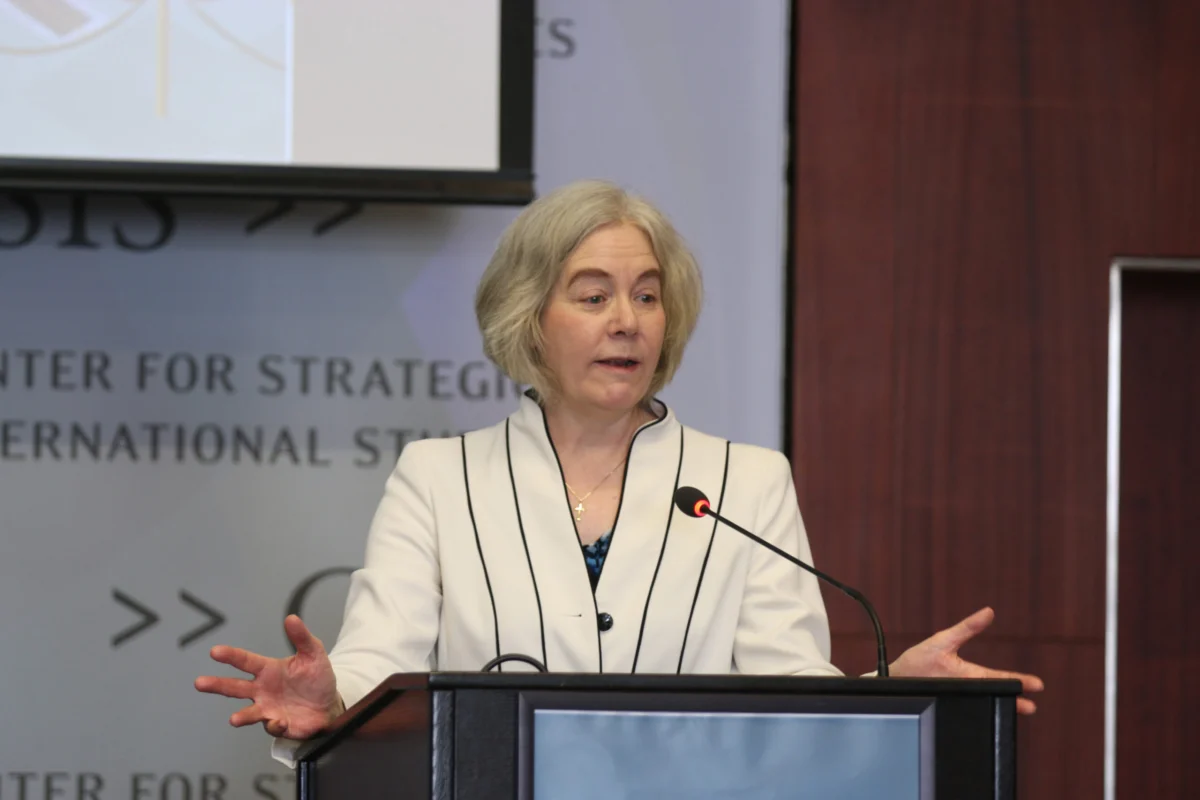
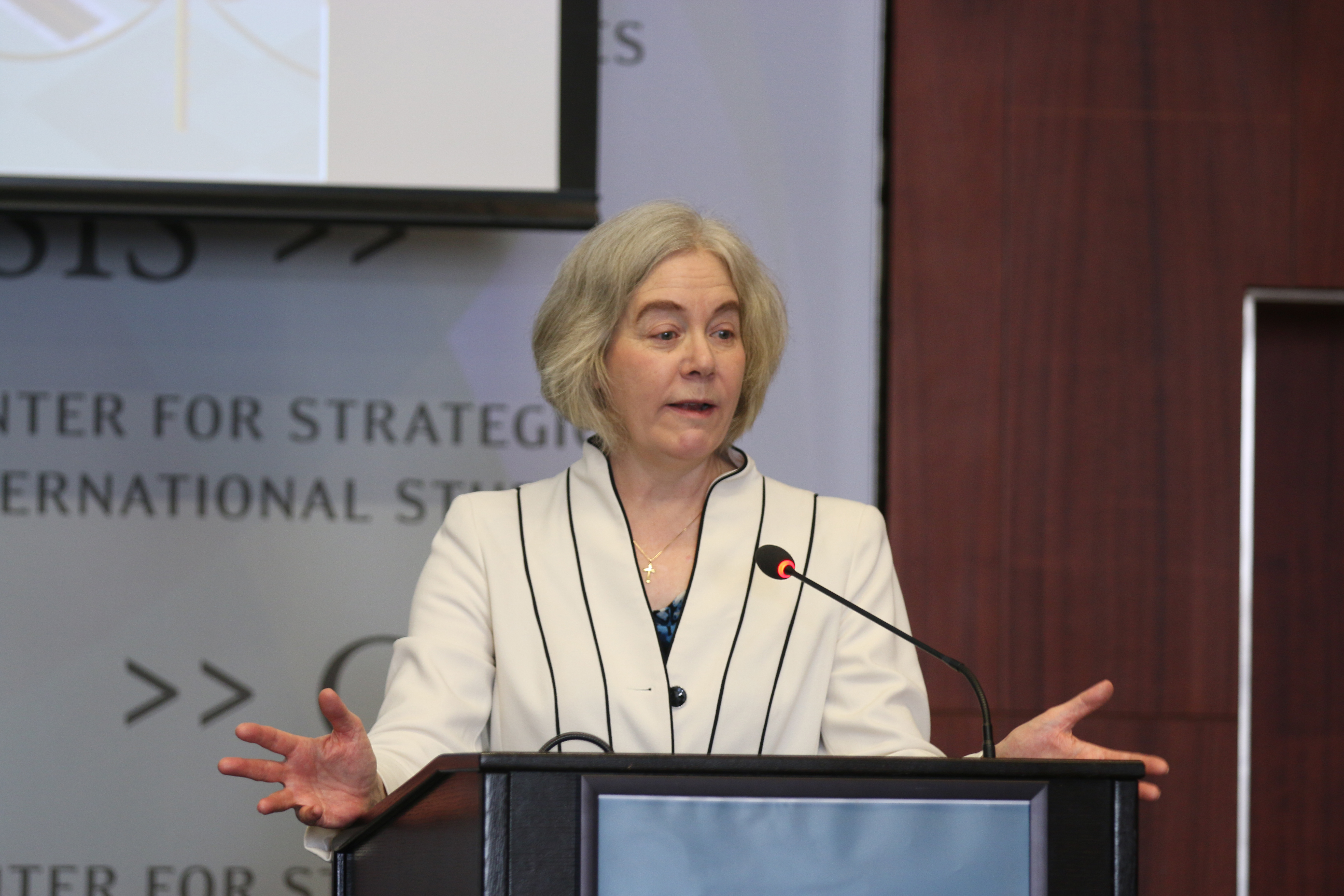
On March 10, 2016, the Center for Strategic and International Studies (CSIS) hosted a pivotal discussion featuring Dr. Ellen Williams, the then-Director of the Advanced Research Projects Agency-Energy (ARPA-E). The event, moderated by Frank O’Sullivan of the MIT Energy Initiative, centered on the critical evolution of the American electric grid and the technological innovations required to transition toward a more resilient, efficient, and decarbonized energy future. This dialogue took place at a time when the United States was at a crossroads, balancing the legacy of an aging electrical infrastructure with the urgent necessity of integrating renewable energy sources and modernizing grid management systems.
Contextualizing the Energy Landscape in 2016
The 2016 discourse surrounding energy policy was defined by a shift in perspective regarding federal research and development. ARPA-E, established in 2009 under the America COMPETES Act, was designed to model the success of the Defense Advanced Research Projects Agency (DARPA) by funding high-risk, high-reward energy projects that the private sector might otherwise deem too speculative. By the time Dr. Williams took the stage at CSIS, the agency had already established a reputation for bridging the "valley of death"—the difficult phase between laboratory-scale research and commercial viability.
The grid was identified as the primary bottleneck for the 21st century. While generation technologies like wind and solar were seeing rapid cost declines, the distribution infrastructure remained largely tethered to the "hub-and-spoke" model of the 20th century. This centralized architecture was ill-equipped to handle the intermittency of renewables or the bidirectional flow of electricity necessitated by distributed energy resources (DERs) like rooftop solar and electric vehicle charging stations.
Key Technological Focus Areas
During the presentation, Dr. Williams outlined the core pillars of ARPA-E’s research strategy for 2016, emphasizing that the grid required a radical rethinking of software, hardware, and physical storage.
- Grid Management and Optimization: Williams highlighted that the complexity of grid operations had increased exponentially. Managing thousands of intermittent inputs required advanced sensing and control software. ARPA-E was focused on developing algorithms that could provide real-time, autonomous control of the grid, allowing for localized decision-making that could prevent cascading failures during weather events or cyber-attacks.
- Grid-Scale Energy Storage: A persistent challenge identified by the panel was the lack of cost-effective, long-duration energy storage. While lithium-ion batteries were beginning to dominate the market for short-term frequency regulation, they were not yet economically viable for shifting renewable energy loads across days or seasons. The discussion explored the potential of flow batteries, thermal storage, and advanced mechanical systems to address this gap.
- Mission Innovation: A major point of discussion was the launch of Mission Innovation, a global initiative announced during the COP21 climate talks in Paris in late 2015. Through this commitment, 20 countries, including the United States, pledged to double their government funding for clean energy research and development over five years. Dr. Williams positioned ARPA-E as the engine for the U.S. contribution to this effort, aiming to ensure that public investment catalyzed a transformation in how energy is produced and consumed.
Chronology of the Event
The event followed a structured format designed to translate complex technical concepts into policy-relevant insights:
- Introductory Remarks (Sarah Ladislaw): The session opened with an overview by Sarah Ladislaw, then Director and Senior Fellow of the CSIS Energy and National Security Program. She framed the discussion within the broader context of national security, noting that a modernized grid is a foundational element of economic stability and geopolitical resilience.
- Keynote Presentation (Dr. Ellen Williams): Dr. Williams provided an overview of the ARPA-E project portfolio, highlighting the transition from purely theoretical research to the pilot stage. She showcased examples of startups that had received early funding and were successfully navigating the scaling process.
- Moderated Panel (Frank O’Sullivan): The session moved to a deep dive into the practical limitations of current grid deployment. Frank O’Sullivan, bringing his experience from the MIT Energy Initiative, steered the conversation toward the regulatory and market hurdles that often stall innovation even when the technology is proven.
Supporting Data and Industry Implications
The urgency behind the CSIS session was backed by significant data regarding grid reliability and efficiency. In the years leading up to 2016, the U.S. Department of Energy (DOE) reported that the frequency of major power outages had risen, largely due to extreme weather events and an aging transformer fleet. At the time, over 70% of transmission lines and power transformers were estimated to be over 25 years old.
Economically, the investment in grid modernization was presented as a high-return strategy. Estimates from various energy think tanks suggested that every dollar invested in grid hardening and "smart" infrastructure could prevent significantly higher costs associated with service interruptions and infrastructure failure. Furthermore, the push for grid-scale storage was timed with a period where the Levelized Cost of Electricity (LCOE) for wind and solar had dropped by approximately 60% and 80% respectively between 2009 and 2016, creating a market environment where the grid was the final limiting factor to total decarbonization.
Perspectives from the Panel
The participants offered a unified view that technology was no longer the sole impediment to progress. Instead, the panel emphasized that "market deployment" was the new frontier. Dr. Williams noted that while ARPA-E could de-risk technology, the regulatory framework governing utilities—often focused on traditional cost-of-service models—needed to evolve to reward grid flexibility and resilience.
Frank O’Sullivan’s analysis highlighted the role of MIT and other research institutions in providing the "intellectual plumbing" for these transitions. He pointed out that while Silicon Valley often focused on software-driven energy solutions, the "hard tech" of grid infrastructure—such as power electronics and high-voltage direct current (HVDC) transmission—required a sustained commitment to physical engineering that the private sector often found daunting without federal support.

Broader Impact and Long-term Implications
The discussions held at CSIS in early 2016 have proven to be prescient. Many of the initiatives championed by Dr. Williams and ARPA-E at the time have since become standard components of the national energy debate. The focus on grid management software paved the way for the current surge in Virtual Power Plants (VPPs), where distributed energy resources are aggregated to act as a single power plant, providing reliability to the grid.
Furthermore, the emphasis on Mission Innovation underscored a change in how the U.S. views international energy cooperation. By linking domestic research goals with global commitments, the U.S. solidified its position as a primary innovator in clean energy, a stance that has continued to influence subsequent federal funding cycles, including those associated with the Infrastructure Investment and Jobs Act and the Inflation Reduction Act.
Analysis of Current Grid Challenges
While the 2016 discussion successfully identified the roadmap for innovation, the reality of the 2020s has highlighted new complexities. The transition to a "decarbonized" grid has faced headwinds related to interconnection queues—the administrative backlog that prevents new projects from connecting to the grid—and the raw material supply chain for battery technologies.
The insights provided by Dr. Williams during the event remain a cornerstone for understanding the current energy landscape. The move toward a "smarter" grid, capable of self-healing and optimized for distributed inputs, remains the primary objective of modern grid planners. The event served as a reminder that technological breakthroughs are rarely sufficient on their own; they require a synthesis of aggressive research funding, clear-eyed regulatory reform, and a consistent focus on the physical realities of the electrical infrastructure that powers the modern economy.
Ultimately, the session at CSIS served as a catalyst for deeper engagement between the research community, policymakers, and private sector stakeholders. By highlighting the strategic necessity of grid modernization, the speakers not only outlined a technical agenda but also defined a path for maintaining American competitiveness in a rapidly changing global energy market. The legacy of this discussion continues to echo in the ongoing efforts to ensure that the American grid remains a reliable, efficient, and sustainable engine for growth.