On March 17, 2016, the Center for Strategic and International Studies (CSIS) Global Health Policy Center convened a high-level forum to address the widening gap between the pharmaceutical industry’s profit-driven business models and the urgent societal requirements for affordable, accessible, and high-quality healthcare. The event, held in Washington, D.C., served as a critical platform for discussing the role of private bio-pharmaceutical firms in a global health landscape that is increasingly defined by the tension between rapid innovation and the equitable distribution of life-saving medical interventions.
The Context of the 2016 Global Health Debate
The 2016 event took place during a period of significant geopolitical and ethical transition within the health sector. The international community was actively grappling with the fallout of several high-profile drug pricing controversies, which had prompted a broader public outcry regarding the lack of transparency in the pharmaceutical supply chain.
At the center of this dialogue was the United Nations Secretary-General’s High-Level Panel on Access to Medicines. Established to address the policy incoherence between the rights of inventors, international human rights law, trade rules, and public health, the panel aimed to identify practical solutions for improving access to essential medicines. The participation of Sir Andrew Witty, then-CEO of GlaxoSmithKline (GSK), in both the CSIS event and the UN panel, signaled a rare moment of engagement between industry leaders and global policy regulators.
Keynote and Industry Reform Strategy
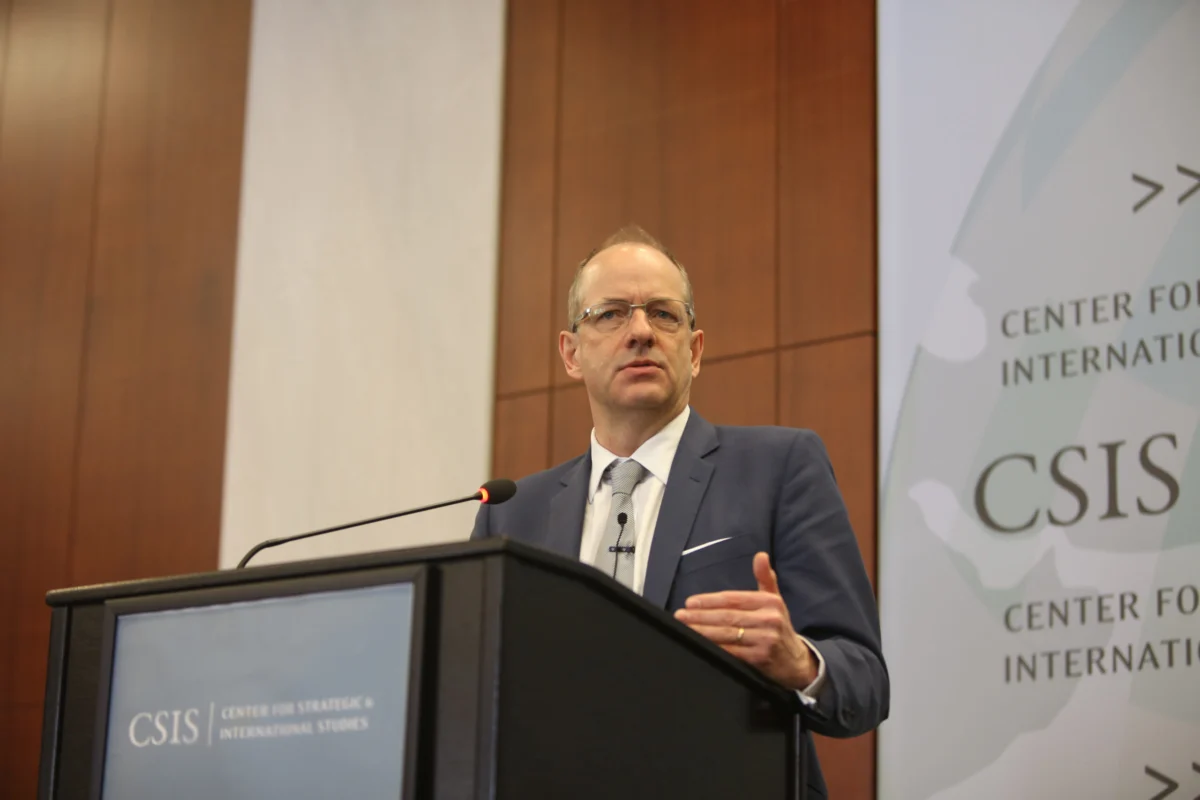
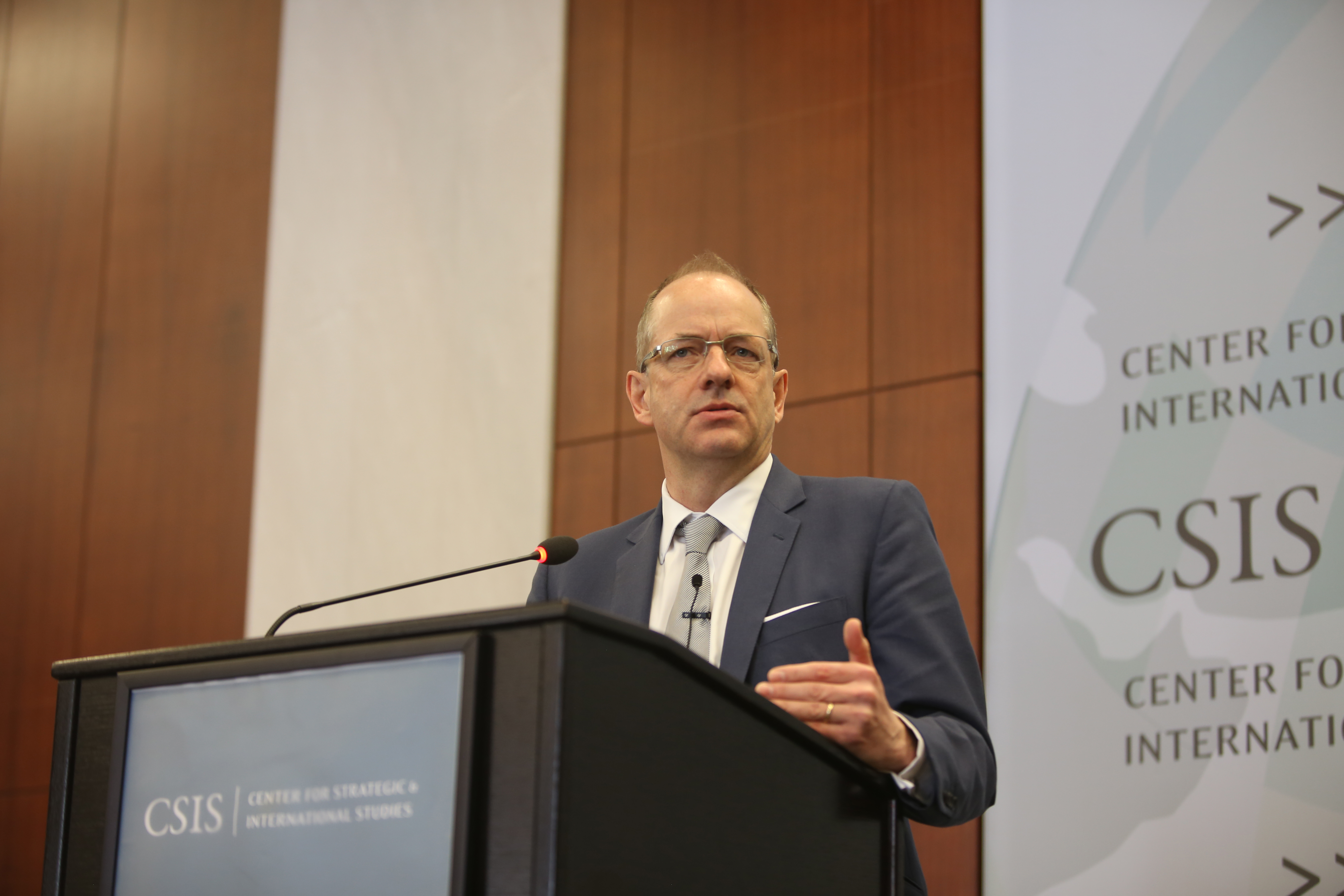
Sir Andrew Witty utilized the CSIS platform to articulate a "new social contract" for the pharmaceutical industry. His keynote address focused on four pillars of reform that GSK had begun to implement: changes to sales and marketing incentives, increased transparency in clinical trial data, tiered pricing models based on a nation’s economic development, and a strategic pivot toward research and development (R&D) that targets unmet medical needs.
Witty’s remarks addressed the persistent criticism that pharmaceutical companies prioritized lucrative "lifestyle" drugs over essential medications for neglected tropical diseases. By emphasizing transparency—specifically the disclosure of clinical trial data—GSK sought to rebuild trust with the medical and academic communities, who had long argued that opaque data hindered independent validation and, consequently, patient safety.
Expert Perspectives and Roundtable Analysis
Following the keynote, the discussion transitioned into a rigorous roundtable featuring Dr. Margaret Hamburg, the former Commissioner of the U.S. Food and Drug Administration (FDA) and then-Foreign Secretary of the Institute of Medicine, and Dr. Ezekiel Emanuel, a prominent bioethicist and Vice Provost for Global Initiatives at the University of Pennsylvania.
Dr. Hamburg emphasized the necessity of a stable regulatory environment to foster innovation while ensuring that the benefits of that innovation reach the populations that need them most. She noted that while the industry is essential to the global health infrastructure, the "trust deficit" between firms and the public was becoming a systemic risk to the sustainability of the health ecosystem.
Dr. Emanuel, known for his pragmatic approach to health policy, challenged the panelists to look beyond corporate social responsibility statements. He argued that structural changes—such as value-based pricing and a shift away from traditional sales-representative models—were the only ways to align corporate interests with the public good. The session was moderated by J. Stephen Morrison, Senior Vice President and Director of the CSIS Global Health Policy Center, who framed the conversation as a fundamental inquiry into whether the current bio-pharmaceutical model was fit for purpose in the 21st century.
Chronology of Evolving Industry Standards
The events of March 2016 were not isolated but were part of a multi-year effort to reform the pharmaceutical industry:
- 2012–2014: Increased advocacy from NGOs and civil society regarding the high cost of HIV/AIDS and Hepatitis C medications led to a global push for patent reform.
- 2015: The United Nations Secretary-General established the High-Level Panel on Access to Medicines, marking the first time such an high-level international body was tasked with examining the trade-health nexus.
- March 2016: The CSIS symposium provided a public forum for industry leaders to test their reform rhetoric against academic and regulatory scrutiny.
- Late 2016: The UN High-Level Panel published its final report, which recommended increased transparency in R&D costs and a move toward more collaborative, non-exclusive licensing models.
Supporting Data and Market Implications
The urgency of the discussion was underscored by economic indicators prevalent at the time. Research published around 2016 suggested that the cost of drug development was rising exponentially, with some estimates placing the cost of bringing a new molecular entity to market at over $2.5 billion when accounting for failures. This cost, industry defenders argued, necessitated high prices upon launch. However, critics pointed to data showing that public investment often funded the foundational research that led to these breakthroughs, suggesting that the public deserved a greater return on investment in the form of lower prices.
The impact of these discussions has been long-lasting. The call for clinical trial transparency has since become a standard expectation in many jurisdictions. Furthermore, the concept of "tiered pricing"—whereby drug prices are adjusted based on a country’s GNI per capita—has been adopted by various multinational corporations, though the efficacy and scope of these programs remain subjects of ongoing academic research and critique.
Broader Impact and Ethical Implications
The 2016 CSIS forum served as a microcosm of a larger societal struggle. The core implication of the event was that the pharmaceutical industry could no longer function as a purely commercial entity. Instead, it was being forced into a hybrid role as a public-private partner.
The primary challenge identified during the session was the "incentive trap." If companies are incentivized solely by the volume of sales, they are less likely to invest in antibiotics, which are often used sparingly, or treatments for rare diseases with small patient populations. The panelists agreed that systemic reform requires a combination of "push" mechanisms (grants and tax incentives for R&D) and "pull" mechanisms (advance market commitments and prizes) to ensure that the most socially necessary drugs are developed.
Analysis of the Legacy
In retrospect, the 2016 discourse laid the groundwork for contemporary debates regarding vaccine access during the COVID-19 pandemic. Many of the arguments regarding intellectual property waivers, technology transfer, and equitable distribution that dominated the 2020-2022 global health response were the direct descendants of the themes discussed at this CSIS session.
While skepticism regarding the pharmaceutical industry remains high, the 2016 dialogue marked a turning point in how industry leaders communicated their societal obligations. By participating in an open, public forum hosted by a neutral policy institution, leaders like Sir Andrew Witty acknowledged that the "license to operate" for pharmaceutical companies is ultimately granted by the public. When that trust is broken—whether through aggressive pricing, lack of transparency, or failure to address unmet needs—the industry faces political and regulatory headwinds that threaten its long-term viability.
The event concluded with a consensus that while innovation is the primary engine of modern medicine, it is the social contract between the industry and the global community that ensures that innovation serves the broader goal of humanity: the preservation of life, regardless of geography or economic status. This balance remains the defining challenge for bio-pharmaceutical policy today.