The Center for Strategic and International Studies (CSIS) has convened a high-level half-day symposium under its Defense360 initiative to dissect the fiscal year 2017 (FY17) defense budget request. As the Pentagon balances legacy commitments with emerging global security threats, this conference serves as a critical forum for stakeholders to examine how the Department of Defense (DoD) aligns its financial resources with its stated strategic priorities. The event features key architects of the federal defense strategy, including senior officials from the Office of the Secretary of Defense, alongside a panel of policy experts tasked with evaluating the efficacy and sustainability of the current administration’s defense posture.
The Strategic Context of the FY2017 Budget
The FY17 defense budget request arrived at a period of intense geopolitical volatility. The administration’s fiscal blueprint was designed to address a "four-plus-one" challenge set: the modernization of Russian military capabilities, the assertive growth of Chinese maritime and anti-access/area-denial (A2/AD) capabilities, the ongoing regional instability in the Middle East, the persistent threat of North Korean nuclear proliferation, and the enduring counterterrorism mission against extremist organizations.
Historically, the FY17 request represented a pivotal moment for the DoD, as it marked the transition from a decade of post-9/11 counterinsurgency focus to a renewed emphasis on "great power competition." This shift necessitated a rebalancing of the budget, moving funds away from immediate operational requirements toward long-term research, development, and procurement of advanced technologies. The strategic calculus behind this move was to ensure that the United States maintained a qualitative edge against near-peer adversaries, even under the fiscal constraints imposed by the Budget Control Act (BCA) of 2011 and subsequent sequestration measures.
A Chronology of the Budgetary Landscape
To understand the significance of the CSIS conference, one must examine the timeline leading up to the FY17 request. The years preceding 2016 were defined by a series of stop-gap funding measures and budgetary caps that hampered the military’s readiness and modernization cycles.
- 2011: The enactment of the Budget Control Act, which established automatic spending caps for defense and non-defense discretionary spending.
- 2013: The first round of sequestration took effect, forcing the DoD to cancel or delay numerous training and maintenance activities across all branches.
- 2015: The Bipartisan Budget Act of 2015 provided a temporary two-year reprieve from the most draconian sequestration cuts, allowing the administration to formulate the FY17 request with a slightly higher, though still constrained, spending ceiling.
- February 2016: The formal submission of the FY17 defense budget request to Congress, emphasizing technological innovation and readiness.
- Spring 2016: The CSIS Defense360 conference convenes to provide an independent, expert-led analysis of the executive branch’s proposals.
Key Speakers and Institutional Perspectives
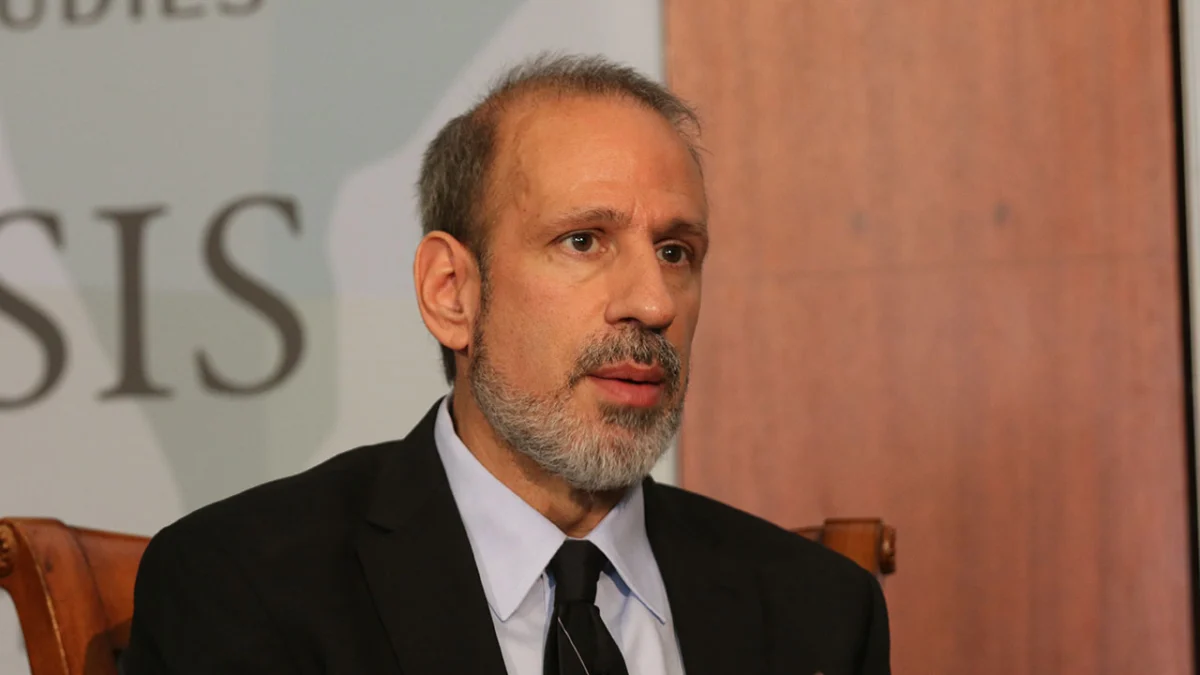
The morning session features a trio of officials who are central to the Pentagon’s financial and strategic decision-making. Mike McCord, as Under Secretary of Defense (Comptroller), provides the necessary technical oversight, ensuring that the budget request remains legally compliant and fiscally responsible. Dr. Jamie Morin, Director of the Cost Assessment and Program Evaluation (CAPE) office, serves as the analytical engine of the DoD; his office is responsible for the rigorous, evidence-based assessment of defense programs, ensuring that the most cost-effective technologies are prioritized. Robert Scher, Assistant Secretary of Defense for Strategy, Plans, and Capabilities, bridges the gap between policy and reality, aligning the combatant commanders’ requirements with the administration’s broader foreign policy objectives.
The participation of these individuals underscores the administration’s commitment to transparency regarding the budgetary trade-offs. Their dialogue with CSIS President and CEO Dr. John Hamre serves to ground the discussion in the reality of the Pentagon’s fiscal limitations while articulating a long-term vision for the force.
Expert Panel: Evaluating Connectivity and Strategy
Following the initial presentation, a second session shifts the focus to external critique and policy assessment. The panel—comprising Tina Jonas, Andrew Hunter, Mark Cancian, Shawn Brimley, and Roger Zakheim—offers a diverse cross-section of expertise.
Tina Jonas brings the perspective of a former DoD Comptroller, offering insights into the bureaucratic complexities of managing the world’s largest defense budget. Andrew Hunter and Mark Cancian, both senior fellows at CSIS, provide deep analytical dives into the defense industrial base and the specific budgetary line items that determine the military’s "teeth-to-tail" ratio. Shawn Brimley and Roger Zakheim represent the broader think-tank community, with viewpoints spanning the ideological spectrum of national security policy.
The moderator, Todd Harrison, Director of Defense Budget Analysis, is instrumental in steering the conversation toward the "connectivity" between strategy and spending. A central theme of this panel is whether the proposed budget adequately funds the strategy, or if the strategy has been "re-scoped" to fit within the constraints of the budget—a common point of friction in Washington defense circles.
Supporting Data and Fiscal Realities
The FY17 request totaled approximately $582.7 billion, encompassing the base budget and the Overseas Contingency Operations (OCO) fund. The OCO fund has historically been a subject of intense debate, as it is exempted from BCA caps and is often used as a "slush fund" to cover base-budget requirements that cannot be funded within the strict caps.
Analysts at CSIS and other institutions have noted that while the FY17 budget includes significant increases for research and development—particularly in cyber, space, and electronic warfare—these gains are often offset by persistent shortfalls in readiness accounts. The "readiness gap," caused by years of high operational tempo and deferred maintenance, remains a primary concern for both the DoD and congressional oversight committees. Data from the Pentagon indicates that the aviation fleet, in particular, has suffered from aging airframes and a lack of spare parts, a trend that the FY17 budget seeks to reverse through targeted procurement increases.
Broader Implications and Public Engagement
The conference is not merely an academic exercise; it serves as a platform to socialize the Pentagon’s priorities with the defense industry, the media, and the congressional staff who will ultimately shape the final appropriations bills. The inclusion of an online survey on defense reform, as highlighted by the event organizers, reflects a growing recognition that the current budgetary process is fundamentally broken.
The "defense reform" narrative has gained traction across both sides of the aisle, with many policymakers arguing that the current system of accounting and program management prevents the DoD from being agile. By inviting public and expert feedback, CSIS is contributing to a wider debate about the structure of the Pentagon itself—specifically, whether the Goldwater-Nichols Act of 1986, which governs the current organization of the military, is still fit for purpose in the era of hybrid warfare and rapid technological disruption.
Analysis: The Tension Between Readiness and Modernization
The core tension underlying the FY17 budget, and the primary subject of the CSIS analysis, is the "trilemma" of readiness, modernization, and force size. The DoD cannot maximize all three under current fiscal constraints. If the military invests heavily in modernizing its nuclear triad and cyber capabilities, it may be forced to sacrifice the readiness of the conventional force. Conversely, if it prioritizes current readiness, it risks falling behind in the long-term technological race against peer competitors.
The FY17 request represents a deliberate attempt to prioritize the "future force" at the expense of current force structure capacity. This is a high-risk, high-reward strategy that relies on the assumption that the U.S. will not be drawn into a major conflict in the near term. The participants at the Defense360 conference are tasked with evaluating whether this gamble is supported by current intelligence assessments or if it represents a dangerous overreach.
Conclusion
As the Defense360 conference proceeds, the synthesis of government perspectives and external expert analysis provides a comprehensive look at the state of the American military machine. Whether the FY17 budget serves as a successful pivot toward future-oriented defense or as a stop-gap measure that leaves the force vulnerable remains a central question for national security policymakers. The collaborative nature of this event, supported by the foundational research capabilities of CSIS, underscores the importance of objective, data-driven analysis in the formation of defense policy. As the budget moves through the legislative process, the insights gained from this symposium will likely reverberate through the halls of Congress, influencing the final decisions that will define the readiness and capabilities of the U.S. Armed Forces for years to come.