The intersection of private enterprise and public health has long been a domain of intense scrutiny, debate, and delicate negotiation. On March 17, 2016, the Center for Strategic and International Studies (CSIS) Global Health Policy Center hosted a pivotal public event titled "The Bio-Pharma Industry and Society." Held in Washington, D.C., the morning symposium brought together prominent industry leaders, prominent ethicists, and global health policymakers to address a pressing question: How can private biopharmaceutical firms effectively align their commercial objectives with the vital societal goals of drug affordability, widespread access, uncompromised quality, and continuous innovation?
This high-level dialogue occurred at a critical inflection point for the global pharmaceutical sector. Facing mounting public skepticism, escalating drug prices, and increasing pressure from international bodies to bridge the health disparities between developed and developing nations, industry leaders recognized an urgent need to rebuild trust and confidence among consumers, governments, and healthcare providers.
Background Context and the State of Global Biopharmaceuticals in 2016
To understand the weight of the March 2016 CSIS forum, one must examine the broader socio-economic and regulatory landscape of the mid-2010s. The global pharmaceutical industry was navigating a complex paradigm shift. On one hand, rapid advancements in genomics, biotechnology, and personalized medicine were yielding unprecedented scientific breakthroughs, offering targeted therapies for previously untreatable conditions, rare diseases, and complex oncology cases. On the other hand, these sophisticated treatments came with staggering price tags, sparking fierce debates over healthcare equity, sustainability, and the true cost of research and development (R&D).
Simultaneously, systemic distrust in corporate motives had grown. Incidents involving dramatic price hikes on legacy drugs, opacity surrounding clinical trial results, and aggressive marketing tactics had severely tarnished the industry’s public image. Policymakers, patient advocacy groups, and international organizations began calling for systemic reforms.
It was against this backdrop that the United Nations established the High-Level Panel on Access to Medicines, tasked with finding pragmatic solutions to the mismatch between international human rights obligations and trade rules governing intellectual property. The inclusion of key industry figures in these global deliberations signaled a cautious willingness among major pharmaceutical corporations to engage in constructive dialogue and consider structural reforms.
Keynote Address: Sir Andrew Witty and GlaxoSmithKline’s Strategic Shift
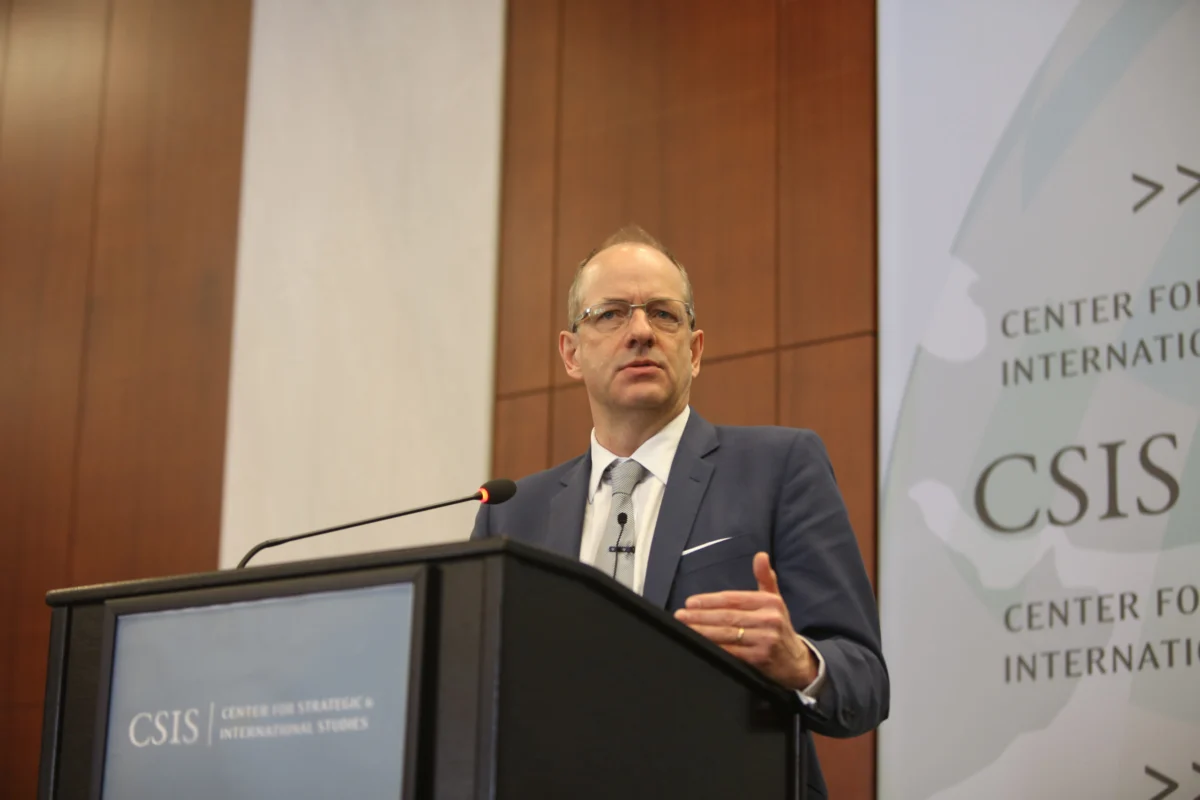
The centerpiece of the CSIS morning session was a keynote address delivered by Sir Andrew Witty, the Chief Executive Officer of British multinational pharmaceutical giant GlaxoSmithKline (GSK). At the time, Witty was widely regarded as a progressive voice within the traditional pharmaceutical establishment, having championed several unconventional policy shifts aimed at addressing global health inequities.
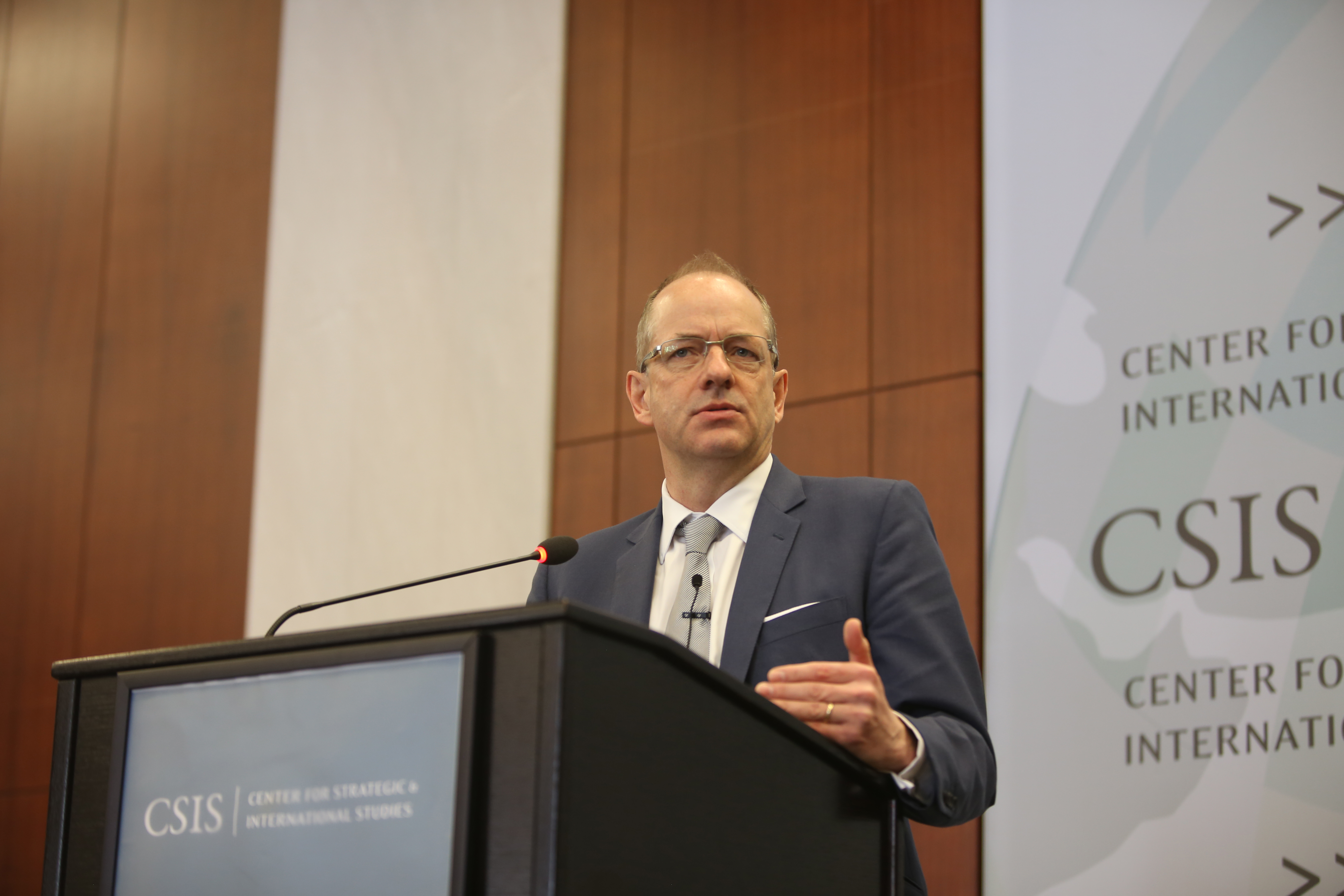
In his address, Witty outlined how GSK was actively redefining its operational model to foster greater trust and engagement across diverse international markets. He detailed several core pillars of the company’s reform agenda:
- Reforming Sales and Marketing Practices: Witty discussed the transition away from traditional sales-incentive models that relied heavily on physician prescription volumes. GSK had previously eliminated individual sales-target bonuses for its representatives, shifting instead toward rewarding technical knowledge, customer service, and ethical engagement.
- Commitment to Clinical Trial Transparency: Recognizing that public trust depends on scientific integrity, Witty emphasized GSK’s pioneering efforts to broaden access to clinical trial data. By allowing independent researchers to scrutinize anonymized participant-level data from clinical studies, the company sought to validate its findings and advance scientific understanding collaboratively.
- Flexible and Tiered Pricing Strategies: Addressing the contentious issue of drug affordability, Witty highlighted GSK’s tiered-pricing model, which adjusted medication costs based on a nation’s Gross National Income (GNI) per capita. Furthermore, the company committed to reinvesting a percentage of its profits from least-developed nations directly back into local healthcare infrastructure.
- Targeting Unmet Medical Needs: Witty underscored the importance of shifting R&D investments toward neglected tropical diseases and antimicrobial resistance—areas traditionally overlooked by profit-driven commercial pipelines due to low financial returns from vulnerable patient populations.
Witty’s remarks carried substantial weight, particularly given his concurrent service as a member of the UN Secretary-General’s High-Level Panel on Access to Medicines. His address served as an early blueprint for how major market players could potentially reconcile commercial viability with corporate social responsibility.
Expert Roundtable: Interdisciplinary Perspectives on Health Policy
Following the keynote address, the event transitioned into a rigorous roundtable discussion moderated by J. Stephen Morrison, Senior Vice President and Director of the CSIS Global Health Policy Center. The panel featured two distinguished authorities in medical ethics and public health regulation:
- Dr. Margaret Hamburg: Serving as the Foreign Secretary of the Institute of Medicine (now the National Academy of Medicine) and the immediate past Commissioner of the U.S. Food and Drug Administration (FDA), Dr. Hamburg brought critical regulatory and institutional insight to the conversation. She emphasized the regulatory frameworks necessary to ensure that expediting access to innovative medicines does not compromise safety, efficacy, or quality control standards.
- Dr. Ezekiel Emanuel: As the Vice Provost for Global Initiatives and Chair of the Department of Medical Ethics and Health Policy at the University of Pennsylvania, Dr. Emanuel offered a sharp ethical analysis of the pharmaceutical marketplace. Known for his outspoken commentary on healthcare reform, Emanuel interrogated the structural incentives driving pharmaceutical pricing and challenged the industry to demonstrate greater accountability in its pricing models and marketing expenditures relative to actual R&D investments.
The moderated discussion explored the tension between intellectual property protections—which pharmaceutical companies argue are essential to recouping the billions of dollars required to bring a single drug to market—and the moral imperative of global health equity, which demands affordable access for all populations regardless of geographic location or economic standing.
Broader Impact and Implications for the Future of Healthcare
The 2016 CSIS symposium on the bio-pharma industry and society resonated far beyond the confines of the conference room, offering critical lessons and predictive insights that continue to influence global health policy today.
- The Evolution of Corporate Social Responsibility (CSR): The event marked a philosophical pivot where corporate social responsibility within pharma evolved from philanthropic outreach (such as drug donation programs) into core business strategy. Transparency in pricing, clinical data sharing, and adaptable IP licensing (such as voluntary patent pools) transitioned from radical proposals to expected standards of corporate governance.
- The Balancing Act of Innovation and Regulation: Discussions from leaders like Dr. Hamburg underscored the ongoing challenge regulatory agencies face in accelerating review processes for breakthrough therapies—such as gene therapies and biologics—while maintaining rigorous oversight. The dialogue helped shape subsequent regulatory pathways designed to fast-track critical treatments without sacrificing patient safety.
- Cross-Sector Collaboration: The CSIS forum reinforced the necessity of multi-stakeholder engagement. Private enterprises, academic institutions, regulatory bodies, and civil society organizations realized that systemic health challenges—ranging from pandemic preparedness to chronic disease burdens—cannot be solved in silos.
Ultimately, the March 17, 2016 gathering at CSIS captured a defining moment of introspection for the global pharmaceutical sector. By confronting head-on the difficult questions surrounding affordability, transparency, and innovation, industry leaders and health experts laid the groundwork for a more accountable, patient-centric pharmaceutical ecosystem suited to the complex realities of the 21st century.