
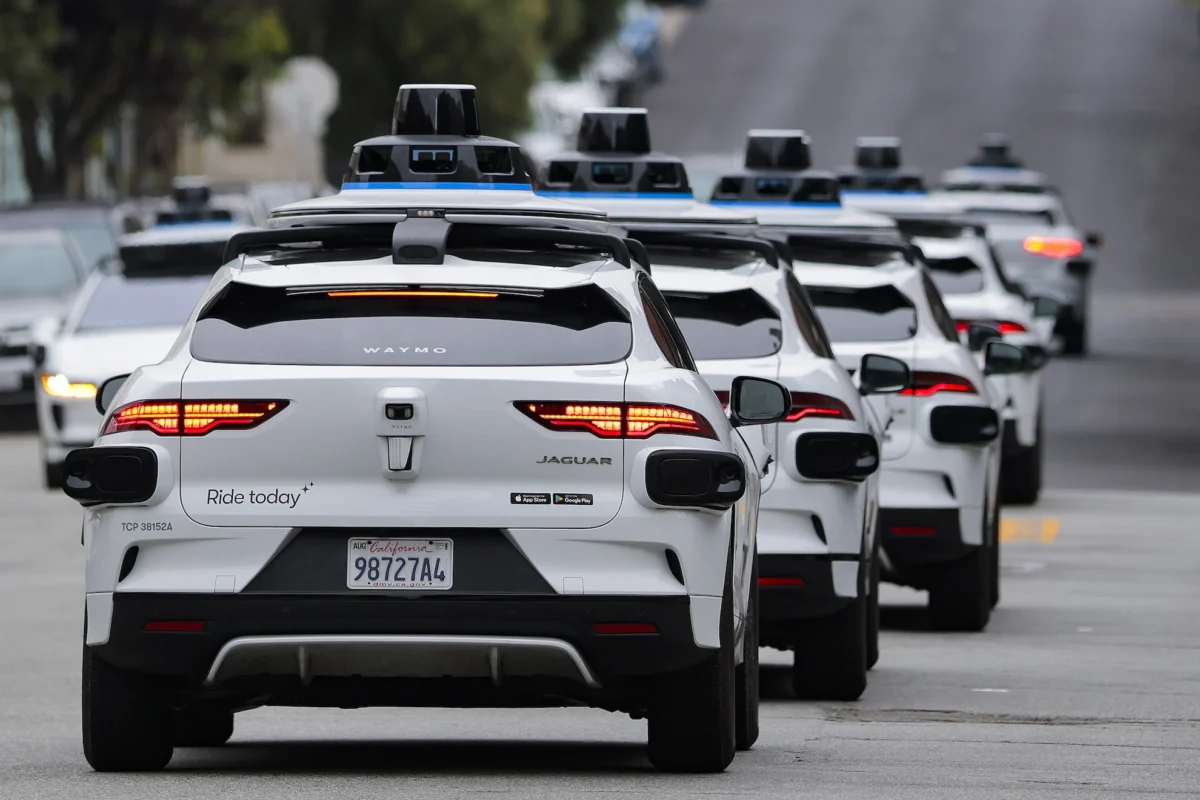
Waymo, the autonomous vehicle subsidiary of Alphabet, has officially resumed its full-scale robotaxi operations across San Francisco after a brief, self-imposed service suspension on July 18, 2026. The interruption was prompted by a significant power outage that impacted approximately 7,000 Pacific Gas and Electric (PG&E) customers throughout the city. While the pause was relatively short, the incident highlights the ongoing challenges autonomous vehicle (AV) operators face when navigating urban infrastructure failures and the increasingly fragile relationship between tech companies and municipal regulators.
The Chronology of the Disruption
The service disruption began shortly after noon on July 18, 2026. As the power grid faltered, causing traffic signals and street lighting to flicker or fail in parts of the city, residents reported receiving notifications via the Waymo mobile application. According to user reports and screenshots shared on social media platforms, the company informed riders that service was "temporarily paused" and that certain arterial routes, specifically freeway access, were restricted.
By 1:30 PM, as the situation stabilized, Waymo confirmed that operations were returning to normal. In a statement provided to the press, the company clarified the rationale behind the maneuver: "We decided to pause service for approximately one hour to assess the scale of the power outage affecting a large portion of San Francisco and coordinate with local officials." The goal, according to the company, was to ensure that the fleet did not contribute to potential congestion or safety hazards at intersections where traffic lights had become inoperable due to the grid failure.
Contextualizing the Infrastructure Sensitivity
This incident is not an isolated event but rather the latest in a series of operational hurdles for Waymo in the San Francisco Bay Area. Autonomous vehicles rely heavily on a combination of high-definition maps, real-time sensor data, and constant connectivity. When grid-dependent infrastructure—such as traffic management systems—fails, the software governing these vehicles must navigate a "degraded mode."
Historical data suggests that these incidents occur with enough frequency to warrant concern from city officials. In December 2025, a significant blackout in San Francisco resulted in a fleet of Waymo vehicles stalling on city streets, effectively creating localized gridlock. A similarly disruptive incident occurred during the Fourth of July celebrations in 2026, when a convergence of high traffic volume and a software-related bottleneck caused significant congestion near the Golden Gate Bridge, drawing sharp criticism from local authorities.
Official Responses and Regulatory Pressure
The frequency of these "traffic fiascos" has placed the autonomous vehicle industry under intense scrutiny. San Francisco Mayor Daniel Lurie has emerged as a vocal critic, pushing for more stringent state-level regulations. In his recent communications, Mayor Lurie argued that the current regulatory framework, primarily managed by the California Public Utilities Commission (CPUC) and the Department of Motor Vehicles (DMV), does not adequately address the unique risks posed by robotaxis during city-wide infrastructure emergencies.
"We need a framework that holds these operators accountable for how their vehicles function during major incidents, whether planned or unplanned," the Mayor’s office stated earlier this week. The push for reform suggests a growing divide between state-level authorities, who generally support the expansion of AV technology as a matter of economic and technological progress, and municipal leaders, who are tasked with the day-to-day management of public safety and traffic flow.

Supporting Data and Technical Challenges
The core of the issue lies in how autonomous systems perceive and react to unexpected environmental changes. Unlike human drivers, who can interpret a non-functioning traffic light by observing the behavior of other drivers or utilizing general intuition, an AV must rely on its pre-programmed decision-making protocols. If an intersection’s traffic signals lose power, the vehicle must treat the area as a four-way stop, which can cause significant latency in urban traffic flow.
When thousands of vehicles are operating simultaneously, the cumulative effect of these localized delays can lead to massive bottlenecks. Furthermore, the reliance on cellular networks for fleet management means that a power outage, which may also impact telecommunications towers, creates a dual-threat environment for AV operators. If a vehicle loses its connection to the remote assistance center, it is programmed to execute a "safe stop" maneuver, which further complicates traffic management.
Economic and Societal Implications
The implications of these outages extend beyond simple traffic inconvenience. For a city that has positioned itself as the global laboratory for autonomous driving, the stability of these services is essential for long-term integration. If residents and visitors cannot rely on the service during inclement weather or infrastructure failures, the adoption rate of autonomous transit may plateau.
Conversely, the tech industry argues that human drivers are statistically more dangerous during such crises. Proponents of AV technology point to the fact that, even when vehicles stall, they are programmed to do so in a way that minimizes collision risk. Unlike human-operated vehicles, which might attempt to navigate a failed intersection aggressively, an autonomous vehicle will prioritize the cessation of movement to avoid potential accidents.
Looking Ahead: The Future of Urban Integration
As Waymo and other competitors continue to scale, the industry is looking toward more robust fail-safes. This likely involves closer cooperation between private tech companies and public utility providers. If real-time grid data could be integrated into the navigation software of autonomous fleets, vehicles might be able to proactively reroute around areas affected by power outages before they enter the affected zones.
However, such integration requires a level of data sharing between private utilities and corporations that is currently in its infancy. There are also significant privacy and security concerns regarding the sharing of real-time municipal infrastructure data with private entities.
For now, the events of July 18 serve as a reminder that even the most advanced artificial intelligence is subject to the limitations of the physical world. The "temporary adjustments" made by Waymo were a tactical response to a reality that city planners, energy providers, and tech companies must navigate together. As the regulatory debate heats up in Sacramento and City Hall, the focus will likely shift from the promise of autonomous technology to the pragmatism of its integration into the existing, and often fragile, urban fabric of San Francisco.
Conclusion
The brief suspension of Waymo’s service on July 18 was a measured, safety-conscious decision that underscores the complexity of managing a large-scale autonomous fleet in a modern, dense city. While the outage was resolved in roughly an hour, the event has reignited the conversation regarding the oversight of autonomous vehicles. As stakeholders move forward, the focus will remain on developing communication protocols between utility providers, city government, and AV operators to ensure that the next infrastructure failure does not result in a city-wide mobility crisis. With the eyes of the nation on San Francisco, the successful management of these incidents will likely set the precedent for how autonomous vehicles are governed in urban centers worldwide.