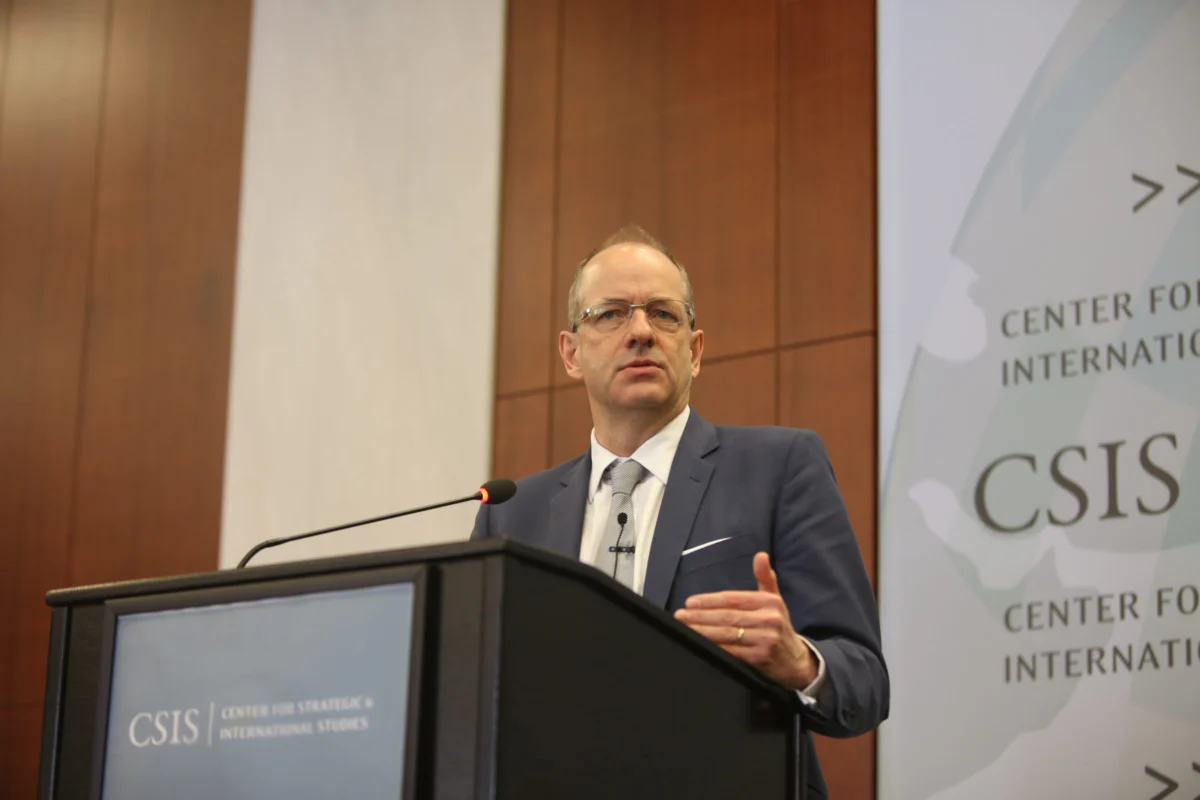
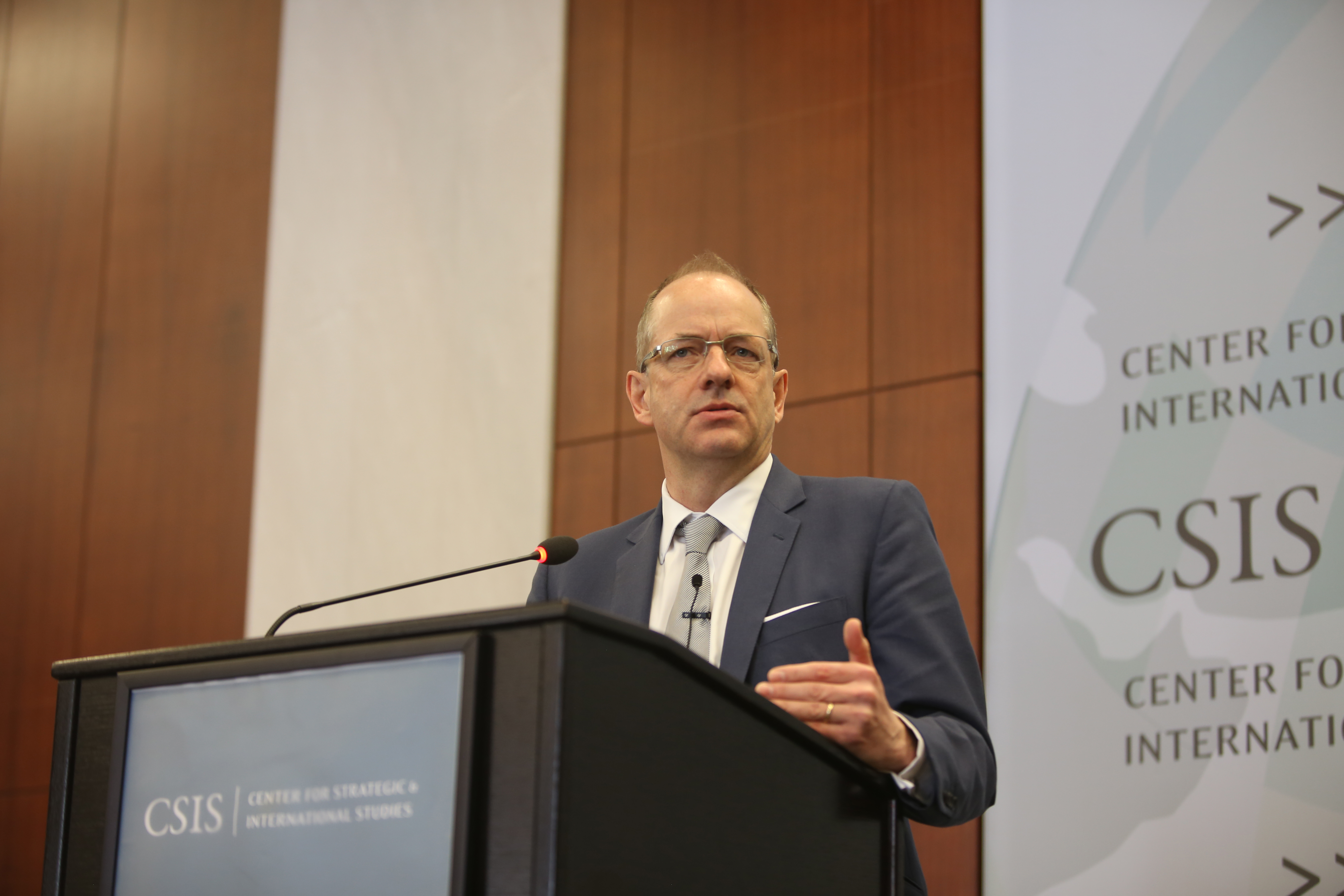
On March 17, 2016, the Center for Strategic and International Studies (CSIS) hosted a high-level forum centered on the critical intersection of the global pharmaceutical industry, public health policy, and societal expectations. The event, held at the CSIS headquarters in Washington, D.C., served as a platform for industry leaders and policymakers to debate the evolving responsibilities of bio-pharmaceutical firms in an era defined by intense scrutiny over drug pricing, patent accessibility, and the transparency of clinical data. Featuring a keynote address by then-GlaxoSmithKline (GSK) CEO Sir Andrew Witty, the event examined how the private sector could align profit-driven innovation with the global humanitarian mandate of equitable access to medicine.
The Context of the 2016 Dialogue
The mid-2010s represented a period of profound volatility for the pharmaceutical sector. Globally, the industry was grappling with a "trust deficit" stemming from rising out-of-pocket costs for patients, aggressive marketing practices, and controversy surrounding the accessibility of essential medicines in low- and middle-income countries. By 2016, the UN Secretary-General’s High-Level Panel on Access to Medicines had become a focal point for international advocacy, aiming to address the misalignment between the rights of innovators and the rights of patients to access affordable, life-saving treatments.
Against this backdrop, the CSIS Global Health Policy Center sought to bridge the gap between corporate strategy and public health requirements. The discussion was framed by the necessity of restoring institutional confidence, shifting the industry from a model of reactive public relations to one of proactive, transparent, and socially responsible engagement.
Keynote Address: Sir Andrew Witty’s Reform Agenda
Sir Andrew Witty’s keynote served as the primary catalyst for the day’s discussions. As the leader of one of the world’s largest pharmaceutical entities, Witty used the platform to outline a series of internal reforms at GSK that were, at the time, considered pioneering. Central to his address was the concept of "value-based" engagement.
Witty emphasized four pillars of corporate reform:
- Sales and Marketing Overhaul: Moving away from individual sales targets to models that reward ethical interactions with healthcare professionals.
- Clinical Trial Transparency: Committing to the publication of clinical trial data to ensure scientific rigor and public accountability.
- Tiered Pricing Strategies: Implementing flexible pricing models based on a nation’s economic development to expand access in the Global South.
- R&D Prioritization: Directing research efforts toward neglected diseases and unmet medical needs, rather than solely focusing on high-margin, blockbuster therapeutic areas.
Witty’s presence was particularly significant given his concurrent role on the UN Secretary-General’s High-Level Panel. His participation signaled a rare willingness among industry giants to engage directly with critics who argued that intellectual property protections were frequently at odds with the right to health.
Roundtable Perspectives: The Ethical Imperative
Following the keynote, a distinguished panel moderated by J. Stephen Morrison, Senior Vice President and Director of the CSIS Global Health Policy Center, dissected the complexities of Witty’s proposals. Joining the conversation were Dr. Margaret Hamburg, then-Foreign Secretary of the Institute of Medicine (now the National Academy of Medicine), and Dr. Ezekiel Emanuel, a leading voice in medical ethics and health policy at the University of Pennsylvania.
Dr. Margaret Hamburg underscored the importance of regulatory consistency. She argued that while corporate reform is essential, sustainable change requires robust, global regulatory frameworks that ensure high-quality medicine reaches the patients who need it most, regardless of geography. Her analysis highlighted that voluntary industry reforms, while laudable, were only one piece of a much larger, complex puzzle involving international trade laws and domestic health infrastructure.
Dr. Ezekiel Emanuel provided a rigorous critique of the status quo, focusing on the economics of innovation. He noted that the tension between affordability and innovation is inherent to the current business model of Big Pharma. Emanuel posited that the focus should not solely be on pricing, but on the value of the outcomes achieved. He argued that if the pharmaceutical industry expects to maintain public trust, it must demonstrate that its pricing structures are directly tied to tangible clinical outcomes rather than just market exclusivity.
Data and Trends in Global Health Access
To understand the significance of the 2016 discussions, one must consider the data trends of that era. According to reports from the World Health Organization (WHO) and the Access to Medicine Foundation from that time, nearly two billion people lacked regular access to essential medicines. Furthermore, the industry’s R&D spend was heavily skewed toward chronic diseases prevalent in high-income nations, with relatively little investment directed toward the "neglected" diseases that disproportionately affected the global poor.
The 2016 CSIS forum occurred during a peak in public discourse regarding the "access gap." Pharmaceutical expenditures in the United States, for instance, had seen significant spikes, prompting a flurry of legislative inquiries. Globally, the debate over compulsory licensing—the ability of governments to override patents in the interest of public health—was gaining momentum, creating an urgent pressure for companies like GSK to demonstrate that they could be "part of the solution."
Chronology of Strategic Shifts (2010–2016)
- 2010: GSK begins to implement a "tiered pricing" strategy, tying the price of their medicines to the economic status of the country.
- 2012: The industry faces increased scrutiny from the UN and NGOs regarding the transparency of clinical trial data, leading to calls for universal disclosure.
- 2014: GSK announces a historic commitment to share its patent portfolio for neglected tropical diseases, allowing third parties to use their research to develop new treatments.
- 2015: The UN Secretary-General establishes the High-Level Panel on Access to Medicines, signaling a global shift toward formal policy intervention.
- March 2016: The CSIS event takes place, serving as a public forum for the industry to defend and explain its participation in these global governance shifts.
Broader Implications and Long-Term Impact
The implications of the dialogue held at CSIS reverberated through the industry for years. The move toward clinical trial transparency, which was a core theme of the discussion, eventually became an industry standard, with most major firms adopting policies to make trial data publicly available on portals like ClinicalTrials.gov.
However, the debate regarding drug pricing remains as contentious today as it was in 2016. The "social contract" between bio-pharmaceutical firms and the public continues to be strained by the astronomical costs of specialized therapies, particularly in the fields of oncology and rare diseases. The CSIS forum was an early acknowledgement that the traditional model—innovation protected by absolute patent rights with little regard for affordability—was reaching its limit.
The event demonstrated that for the bio-pharmaceutical industry, survival in the 21st century requires more than just scientific success; it requires a license to operate granted by society. This license is contingent upon the industry’s ability to prove that its innovations are not just profitable, but accessible and equitable.
Conclusion: A Legacy of Accountability
The 2016 CSIS Global Health Policy Center forum provided a vital snapshot of an industry at a crossroads. By bringing together figures like Sir Andrew Witty, Dr. Margaret Hamburg, and Dr. Ezekiel Emanuel, the center facilitated a necessary, if difficult, conversation about the ethics of global health. While the pharmaceutical industry has since made strides in transparency and tiered pricing, the fundamental challenge of balancing the financial incentives required for R&D with the societal necessity of affordable healthcare remains an unfinished project.
The legacy of the event lies in its insistence that private bio-pharmaceutical firms are not merely commercial entities but are key architects of global health infrastructure. As the world continues to face new health challenges, the principles discussed during that March afternoon—transparency, ethical marketing, and equitable access—remain the essential benchmarks against which the industry is measured by both policymakers and the global public.