
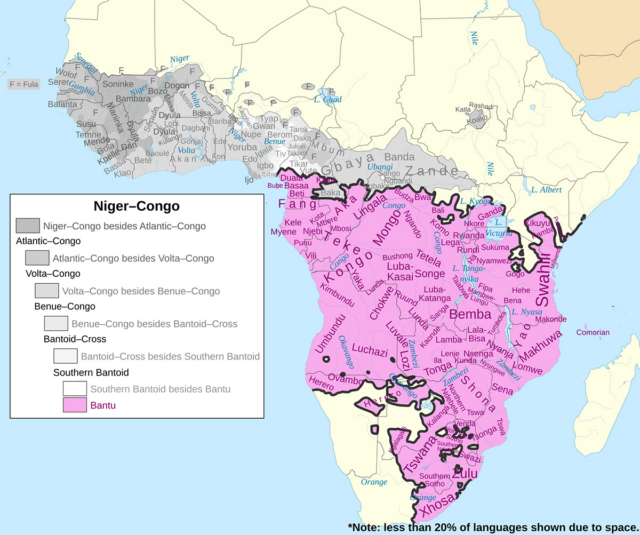
The archaeological and genetic landscape of sub-Saharan Africa is being fundamentally reshaped by a growing body of evidence detailing one of the most significant human migrations in history: the Bantu expansion. Beginning roughly 6,000 to 4,000 years ago, communities originating from the Grassfields region of modern-day Cameroon embarked on a protracted journey across the continent. This demographic shift, which spanned thousands of years, did more than just relocate people; it introduced sedentary farming, advanced metallurgy, and a linguistic framework that now serves as the foundation for the cultures of over 350 million people.
The Technological Mastery of the Bantu Speakers
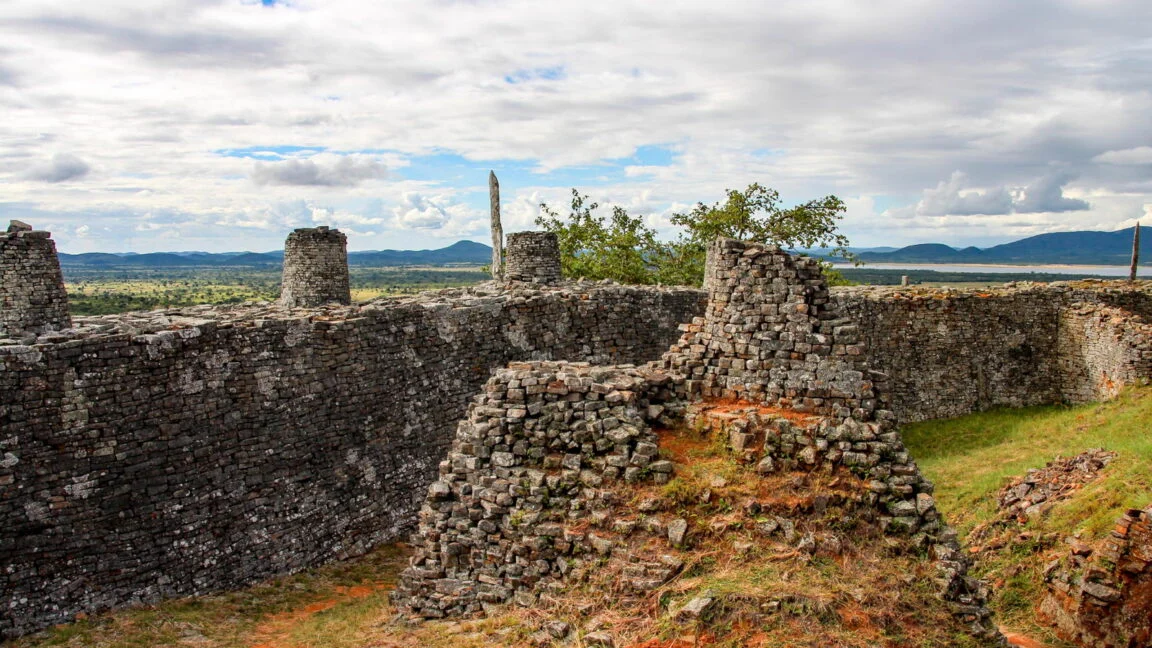
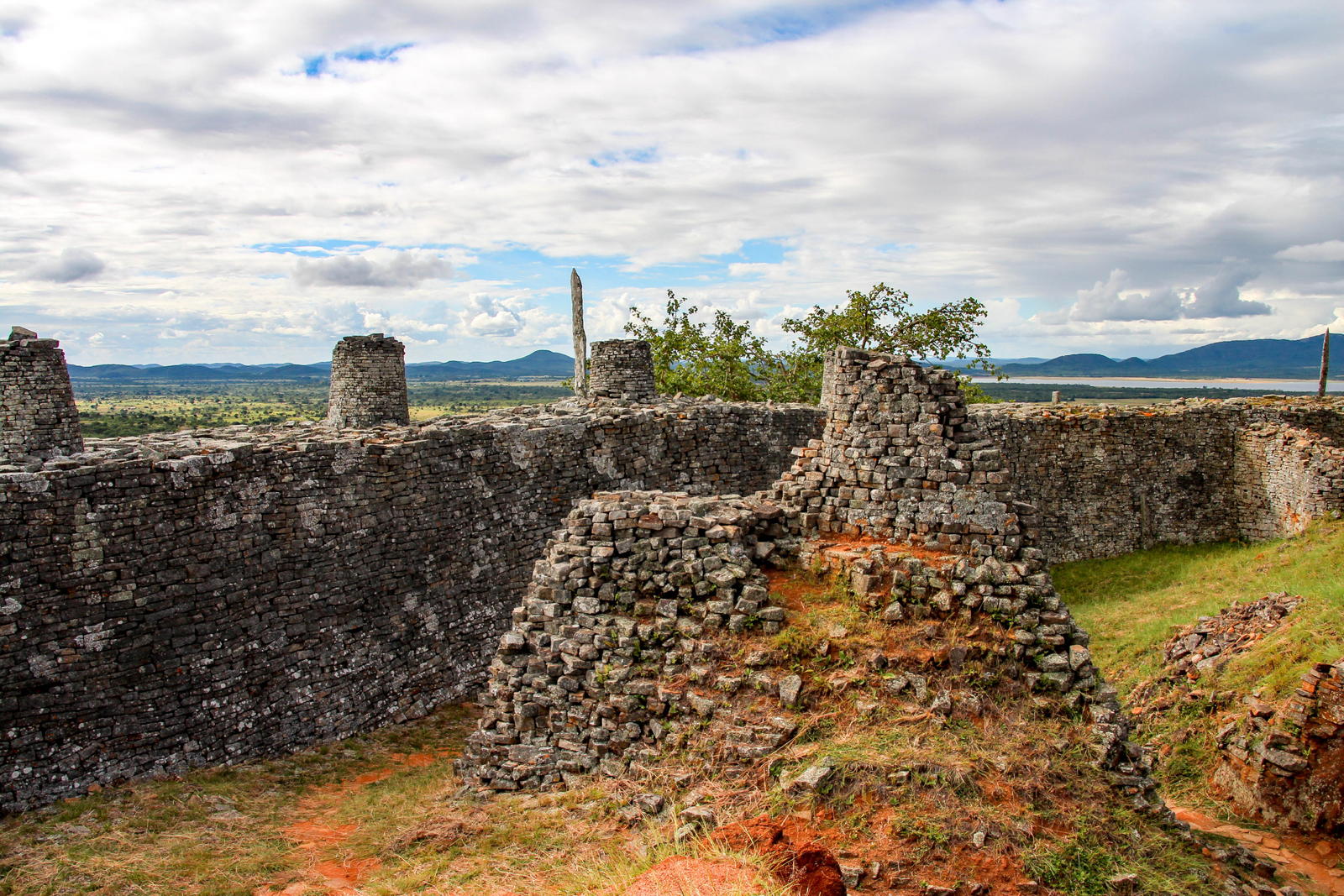
The legacy of the Bantu expansion is perhaps most visible in the material culture left behind in the southern reaches of the continent. The ancient city of Great Zimbabwe, which flourished between 1000 and 1700 AD, stands as a testament to the organizational and technical prowess of these populations. At the heart of their success was an unparalleled mastery of iron smelting.
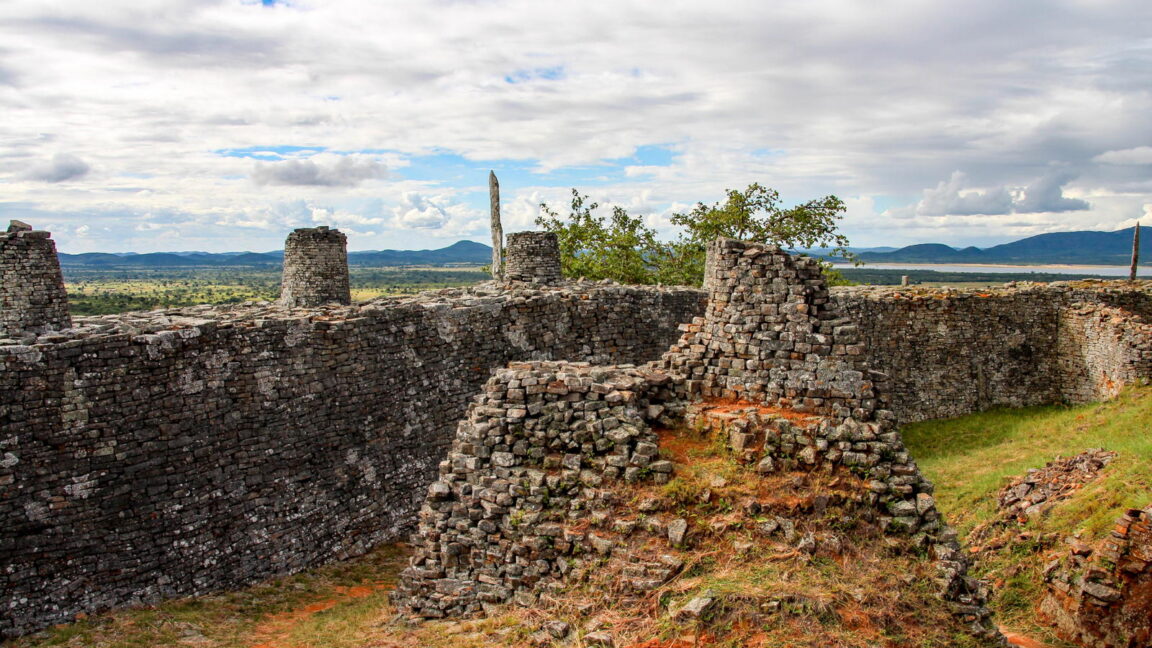
Archaeometallurgical studies, such as those conducted at the Mashava site, reveal that Bantu artisans operated furnaces capable of reaching temperatures exceeding 2,100° Fahrenheit. These structures were not merely crude pits; they utilized sophisticated natural-draft technology, employing chimneys to facilitate airflow without the need for manual labor. By producing high-quality iron for hoes, axes, and weaponry, these societies were able to clear dense forests for agriculture and defend their territories effectively. The scale of this production—evidenced by mounds of furnace debris—suggests an industrial-level output that fueled the economic growth of kingdoms like Great Zimbabwe.
Chronology of an Expanding Civilization
The expansion was not a single, rapid event but a rhythmic, multi-generational progression.
- 6,000–4,000 Years Ago: The ancestral Bantu population begins to diversify in the Grassfields of Cameroon, developing the foundational "Bantu package" of farming, pottery, and metallurgy.
- 4,000–3,000 Years Ago: Migratory groups begin to push southward and eastward, entering the Congo rainforest.
- 3,000–2,500 Years Ago: Bantu settlers reach the southern fringes of the rainforest. It is here that the migration is believed to have diverged into distinct eastern and southern streams.
- 2,500–1,500 Years Ago: The groups spread rapidly across eastern and southern Africa, integrating or displacing indigenous hunter-gatherer populations.
- 1,000–1,700 AD: The emergence of complex state societies, such as the Kingdom of Great Zimbabwe, marking the zenith of Bantu-led regional integration and international trade.
Genetic and Linguistic Evidence: Unlocking the Puzzle
Reconstructing this expansion has long been a challenge due to the paucity of written records. However, the convergence of linguistics and population genetics has provided a clearer picture. Linguists have observed that the 500 distinct Bantu languages share a common syntax and vocabulary, suggesting a single ancestral origin. When Portuguese explorer Vasco da Gama reached southeastern Africa in 1497, his crew found they could communicate with local populations using languages learned in west-central Africa, a testament to the remarkable preservation of linguistic roots over thousands of miles.
Genetic analysis has further solidified this narrative. A 2024 study examining the genomes of 1,763 Africans confirmed that genetic diversity among Bantu speakers is highest in western Africa and declines steadily as one moves eastward and southward. This gradient is a classic hallmark of a "serial founder effect," where smaller groups break away from a larger population, carrying only a subset of the original genetic diversity with them.
The Dynamics of Cultural Integration
The Bantu migration was not a vacuum-sealed movement; it was characterized by profound, often complex, interactions with indigenous groups such as the rainforest hunter-gatherers and the Khoisan peoples. Genetic data indicates that as Bantu farmers moved into new territories, they frequently intermarried with local populations.
Interestingly, this intermarriage often followed specific social patterns. Studies of mitochondrial DNA (maternal line) versus Y-chromosome DNA (paternal line) in southern Africa show a higher proportion of indigenous female ancestry compared to Bantu male ancestry. This suggests that the expansion often involved the integration of local women into Bantu-speaking societies, potentially through marriage or trade, while the Bantu paternal lineage remained dominant. This synthesis also left a permanent mark on language, as seen in the "click" consonants of the Zulu and Xhosa languages, which are widely believed to have been adopted from Khoisan neighbors through centuries of bilingualism and cultural exchange.
Economic Networks and Global Trade
By the second millennium AD, the Bantu-speaking societies had transcended regional isolation, integrating into an expansive Indian Ocean trade network. Archaeological excavations at sites like Great Zimbabwe have unearthed Chinese porcelain and glass beads of Middle Eastern origin, items traded for gold, ivory, and the high-quality iron for which the region became famous. Medieval Muslim cartographers documented the superior quality of southern African iron, which was, in some instances, preferred over materials sourced from India. This period of history challenges Eurocentric narratives that often characterized sub-Saharan Africa as isolated from global commerce prior to the colonial era.
Contemporary Challenges and Future Research
Despite these revelations, the field of Bantu history faces significant hurdles. Researchers like Igor Yanovich and Shadreck Chirikure emphasize that our current understanding is limited by data gaps. Many early linguistic reconstructions assumed that languages evolved in total isolation, failing to account for the constant cross-pollination that occurs between neighboring cultures. Furthermore, archaeological research in Africa has historically been underfunded compared to other regions, often relying on foreign grants that are inconsistent and insufficient for large-scale excavations.
The future of this research lies in the integration of ancient DNA (aDNA) analysis. By sequencing the genomes of remains found in dated archaeological layers, scientists hope to move beyond broad statistical inferences to identify specific movement patterns. This "spread over spread" model of migration—where groups moved in waves, overlapping and interacting with their predecessors—suggests a level of historical complexity that earlier, linear models could not capture.

Implications for Modern African Identity
The legacy of the Bantu expansion is a core component of contemporary African identity. The 350 million speakers of Bantu-derived languages, along with millions of members of the African diaspora who trace their ancestry to these regions, represent one of the most successful and resilient expansions in human history.
As scholars continue to peel back the layers of the past, the story of the Bantu people serves as a powerful reminder of the dynamism of human societies. It is a history defined not just by movement, but by the ability to adapt, innovate, and synthesize disparate traditions into a cohesive, enduring culture. As research continues to benefit from better funding and more rigorous methodology, the story of the Bantu migration will undoubtedly continue to evolve, offering new insights into the complex, interconnected history of the African continent.
The ongoing collaborative efforts between geneticists, linguists, and archaeologists provide a model for how history can be reconstructed when multiple disciplines work in concert. As we look toward the future of this field, the emphasis remains on documenting the voices of the past—both through the ceramic shards left in the soil and the linguistic structures preserved in the voices of millions today. This interdisciplinary approach ensures that the history of Africa is not only told through the lens of external observers but is reclaimed and understood through the scientific rigor of those dedicated to unearthing the truth of their shared heritage.