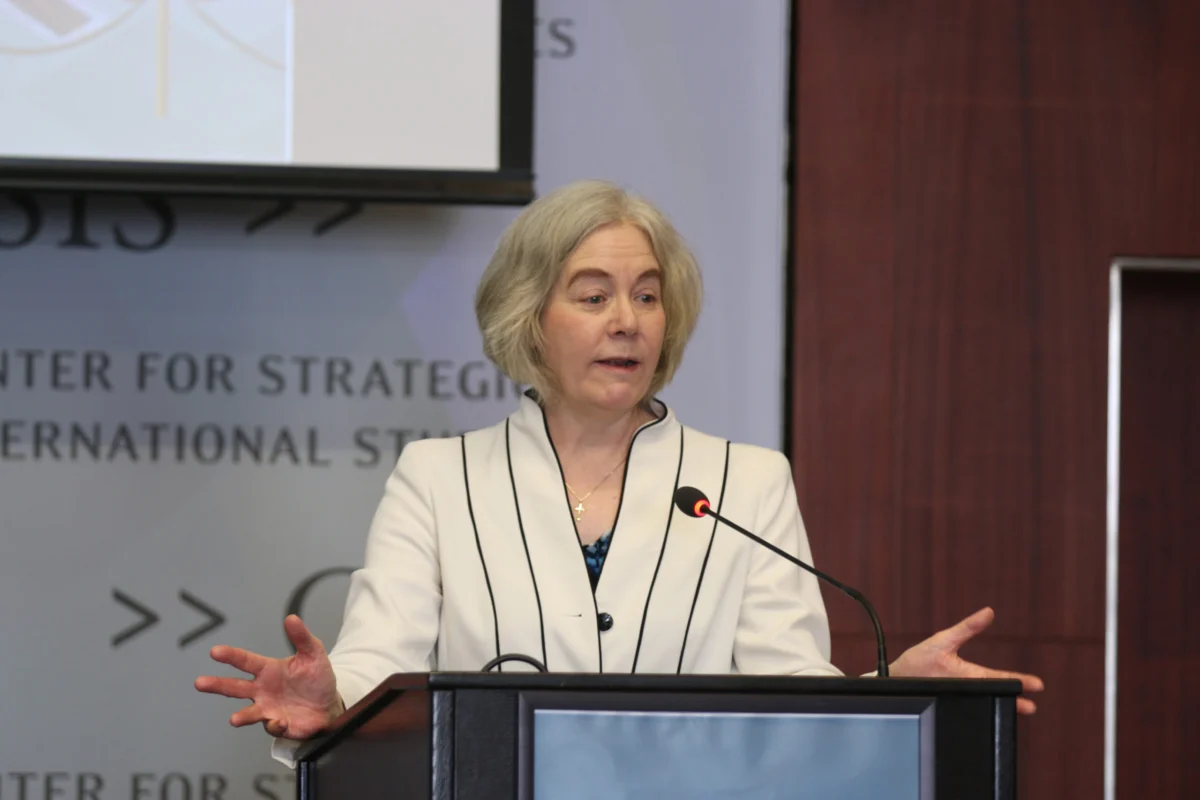
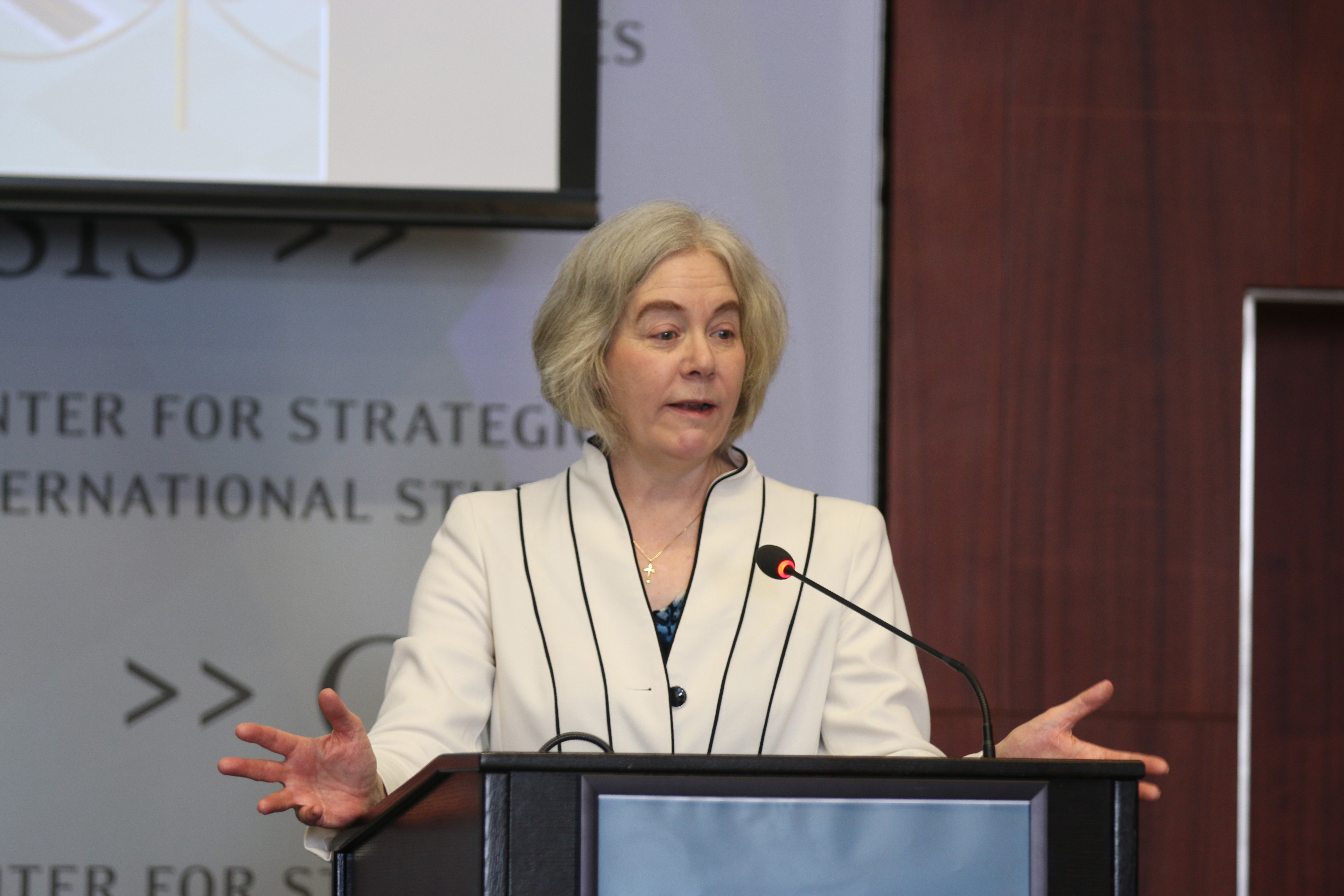
On March 10, 2016, the Center for Strategic and International Studies (CSIS) hosted a pivotal discussion focused on the modernization of the American electric grid, featuring Dr. Ellen Williams, then-Director of the Advanced Research Projects Agency-Energy (ARPA-E). The event, moderated by Frank O’Sullivan of the MIT Energy Initiative, served as a high-level briefing on how the U.S. Department of Energy (DOE) intended to leverage cutting-edge research to transform the nation’s aging power infrastructure into a resilient, flexible, and sustainable network.
The Context of Grid Modernization in 2016
The 2016 event arrived at a critical juncture in U.S. energy policy. The electric grid, often described as the largest machine in the world, was facing unprecedented pressure from the transition toward intermittent renewable energy sources, such as wind and solar, as well as an increasing demand for grid stability against the backdrop of extreme weather events.
At the time, the grid was primarily designed for a unidirectional flow of electricity—from large, centralized power plants to end-users. However, the rise of distributed energy resources (DERs) and the proliferation of electric vehicles necessitated a fundamental architectural shift. Dr. Williams emphasized that ARPA-E’s mandate was not merely to refine existing technology but to fund “high-risk, high-reward” research that could bridge the gap between scientific discovery and commercial viability.
ARPA-E’s Strategic Objectives
During her presentation, Dr. Williams outlined several key pillars of the agency’s 2016 research agenda. Central to these objectives was the optimization of grid management through software and advanced hardware. The agency recognized that the grid of the future required "intelligence" at the edge, capable of balancing load and generation in real-time.
A significant portion of the discussion was dedicated to energy storage. In 2016, lithium-ion battery costs were still prohibitively high for large-scale, long-duration grid storage, and alternative chemistries were still in their infancy. Dr. Williams highlighted that ARPA-E was prioritizing projects that sought to lower the cost-per-kilowatt-hour of storage solutions, enabling the grid to absorb the variability of renewable energy without sacrificing reliability.
Mission Innovation and Global Collaboration
A major talking point during the event was the launch of "Mission Innovation," a global initiative announced at COP21 in Paris just months prior. This international commitment involved 20 countries pledging to double their clean energy research and development investments over five years. Dr. Williams noted that this initiative provided a framework for international collaboration that could accelerate the deployment of the technologies ARPA-E was incubating.
By aligning domestic R&D efforts with international market signals, the DOE aimed to ensure that American innovations—such as grid-scale power electronics and advanced control algorithms—would be exported to a rapidly growing global market for sustainable infrastructure.
The Role of MIT and Academic Partnerships
The involvement of the MIT Energy Initiative, represented by moderator Frank O’Sullivan, underscored the importance of the "lab-to-market" pipeline. O’Sullivan, an expert in energy systems analysis, pressed the discussion toward the practicalities of grid deployment. He pointed out that technical success in the laboratory does not automatically translate into market adoption, particularly in the highly regulated and conservative utility sector.
The dialogue between Williams and O’Sullivan highlighted a central tension in energy policy: how to encourage utility companies to adopt experimental technologies when their primary regulatory mandate is to maintain absolute reliability at the lowest possible cost. Dr. Williams argued that the data generated by ARPA-E pilot projects serves as the necessary evidence base to de-risk these technologies for utility regulators and private investors.
Data-Driven Implications for Infrastructure
The implications of the research discussed in 2016 were profound for the decade that followed. Data presented during the event underscored that the U.S. grid required a fundamental redesign to accommodate the "decarbonization" of the energy sector. Statistics from the era indicated that while renewable energy generation was growing at an annualized rate of nearly 10%, the transmission and distribution infrastructure was lagging behind, resulting in congestion and curtailment of renewable power.
The technical focus on grid management software was prophetic. In the years following this event, the industry saw an explosion in "Grid 2.0" technologies—digital twins, AI-driven demand response, and synchrophasor technology—all of which were early-stage concepts funded under the ARPA-E programs mentioned by Dr. Williams.

Chronology of Progress
- December 2015: The Paris Agreement establishes a global framework for climate action, setting the stage for increased funding for clean energy R&D.
- March 2016: CSIS hosts the discussion on the future of the grid, focusing on ARPA-E’s role in technological incubation.
- Mid-2016: ARPA-E initiates several funding rounds specifically targeting "grid-edge" intelligence and high-efficiency power converters.
- 2017–2020: Implementation of pilot programs across regional transmission organizations (RTOs) validates the effectiveness of advanced storage integration strategies discussed at the event.
Perspectives on Institutional Challenges
While the tone of the event was optimistic, there was a sober recognition of the hurdles involved. Sarah Ladislaw, then-Director of the CSIS Energy and National Security Program, provided introductory remarks that framed the challenge as both technical and political. She noted that the "grid" is not a singular entity but a patchwork of federal, state, and local regulatory jurisdictions.
The experts involved agreed that the most significant barrier to the future of the grid was not necessarily a lack of innovation, but the "valley of death"—the phase where a technology has been proven in a lab but lacks the capital or regulatory approval to be deployed at scale. ARPA-E’s specific strategy to mitigate this—by engaging with industry stakeholders early in the research lifecycle—became a blueprint for subsequent federal R&D efforts.
Broader Impact and Legacy
The insights shared by Dr. Williams in 2016 have proven to be foundational for the current landscape of the U.S. energy transition. The focus on grid storage has since evolved from an experimental curiosity into a cornerstone of modern grid stability, with utility-scale battery installations now commonplace across the Southwest and Midwest.
Furthermore, the emphasis on Mission Innovation and international R&D partnerships has remained a consistent feature of U.S. energy policy across different administrations. The focus on "smart" infrastructure, which was the central theme of the CSIS event, has now matured into the broader concept of the "Smart Grid," characterized by bidirectional communication between consumers and utility providers.
The 2016 discussion at CSIS serves as a primary historical record of the strategic intent behind the U.S. push toward a cleaner, more resilient power grid. By fostering a dialogue between the research community, policymakers, and energy analysts, the event helped solidify a consensus that the transition to a low-carbon economy is fundamentally a challenge of grid engineering and systems integration.
Conclusion
As the United States continues to modernize its infrastructure, the frameworks and research pathways outlined by Dr. Ellen Williams and her team at ARPA-E in 2016 remain highly relevant. The evolution of the electric grid from a passive delivery system to an active, intelligent, and flexible network continues to be the defining task of the 21st-century energy sector. The event at CSIS was not merely a discussion of then-current technologies, but a roadmap for the systemic changes that continue to shape the American energy landscape today. The legacy of those initiatives is visible in the increased reliability of renewable energy integration and the ongoing success of the U.S. effort to lead in clean energy innovation.