
The modern discourse surrounding perimenopause—the transitional phase leading up to the final menstrual period—has undergone a radical transformation. Once shrouded in silence and social stigma, the subject is now a fixture of digital discourse, propelled by social media influencers, wellness gurus, and television personalities. However, this increased visibility has birthed a troubling secondary effect: the proliferation of pervasive misinformation. As millions of women navigate the symptoms of midlife, they are increasingly turning to unverified sources, leading to a landscape where marketing hype often supersedes clinical reality.
The Myth of the Perimenopause Diagnostic Test
Central to the current wave of misinformation is the false promise of diagnostic testing. Despite aggressive marketing campaigns from private wellness firms, there is currently no clinically validated blood test or biomarker panel that can definitively diagnose perimenopause. While hormone levels fluctuate throughout a woman’s reproductive life, these levels are notoriously volatile and do not serve as a reliable indicator of the transition into menopause.
Medical experts emphasize that perimenopause remains a clinical diagnosis, predicated on the observation of symptoms—such as irregular cycles, vasomotor symptoms like hot flashes, and sleep disturbances—rather than laboratory results. The danger of these “at-home” tests lies in their potential to lead women down a path of unnecessary treatments or, conversely, to cause them to dismiss underlying health issues that may not be hormonal in nature. The medical community continues to caution that midlife symptoms are multifactorial; attributing every health shift to perimenopause can obscure other conditions, such as thyroid dysfunction, nutritional deficiencies, or cardiovascular health changes.
China’s Strategic Pivot in the Global AI Race
While the discourse on health shifts toward critical evaluation, the global technological landscape is experiencing a seismic shift regarding Artificial Intelligence. Recent reports indicate that a Chinese startup has unveiled an open-source AI model of unprecedented scale, effectively challenging the long-standing dominance of American firms like OpenAI and Anthropic.
This development, announced at the World Artificial Intelligence Conference (WAIC) in Shanghai, marks a potential turning point in the geopolitical AI race. By betting heavily on open-source frameworks, China appears to be attempting to bypass the restrictive export controls on high-end semiconductors imposed by the United States. While Western companies have largely pivoted toward closed, proprietary models to protect their intellectual property, China’s strategy suggests an effort to establish a global standard through accessibility and widespread adoption in the developing world.
The market reaction to this news was immediate. Global semiconductor and AI-focused equities saw downward pressure, reflecting investor anxiety regarding the erosion of the "US lead" in frontier technology. Analysts suggest that China’s ability to scale models without relying solely on top-tier Nvidia chips—by leveraging domestic alternatives—demonstrates a level of technological resilience that Western policymakers had previously underestimated.
Chronology of Recent Tech and Scientific Developments
The past week has seen a convergence of high-stakes stories across various domains of science and technology:

- July 15: New investigative reports highlighted significant privacy concerns regarding period-tracking applications, which continue to monetize user health data despite heightened regulatory scrutiny.
- July 16: Astronomers confirmed the discovery of an atmosphere on an Earth-like exoplanet, a milestone in the search for extraterrestrial habitability.
- July 16: A medical breakthrough was reported involving a brain-computer interface that successfully restored tactile sensation in a paralyzed patient, allowing for improved motor function in daily tasks.
- July 16: European regulators issued a formal mandate requiring Google to share search data and open its Android ecosystem to competing AI bots, a move aimed at curbing monopolistic practices in the AI-search integration space.
- July 17: The NTSB released findings on a fatal Tesla crash in Texas, confirming that the driver had manually overridden the Full Self-Driving (FSD) system by applying full throttle, highlighting the ongoing tension between human error and automated driver-assist technologies.
- July 17: Xi Jinping articulated a clear vision for China’s role in global AI standards, emphasizing that the nation aims to transition from a follower to a primary architect of global technological governance.
Regulatory Pressures and the Future of Big Tech
The European Union’s recent decision to force Google to open its ecosystem reflects a broader trend of aggressive antitrust enforcement. By compelling the company to provide competitors with access to search data and integrate third-party AI bots into Android, the EU is attempting to prevent the "AI-in-search" transition from creating a new era of digital enclosure.
This regulatory environment is forcing a recalibration of business models for firms like Google, Apple, and Meta. As these companies navigate the dual pressures of government regulation and competition from state-backed or state-supported AI initiatives in China, the strategic importance of data privacy and open-source accessibility has reached an all-time high. The push for "adversarial fashion"—garments designed to disrupt facial recognition software—further underscores a growing public and corporate anxiety regarding the pervasiveness of surveillance technology.
Biological and Agricultural Innovation
Beyond the geopolitical theater, scientific inquiry continues to push the boundaries of human endurance and resource management. The study of astronaut physiology remains a priority as space agencies look toward long-duration missions to Mars. Recent findings from the International Space Station suggest that microgravity causes a degradation of mitochondrial function, which in turn reduces protein synthesis and leads to muscle atrophy. Understanding this mechanism is vital not only for space travel but also for developing therapies for age-related muscle wasting on Earth.
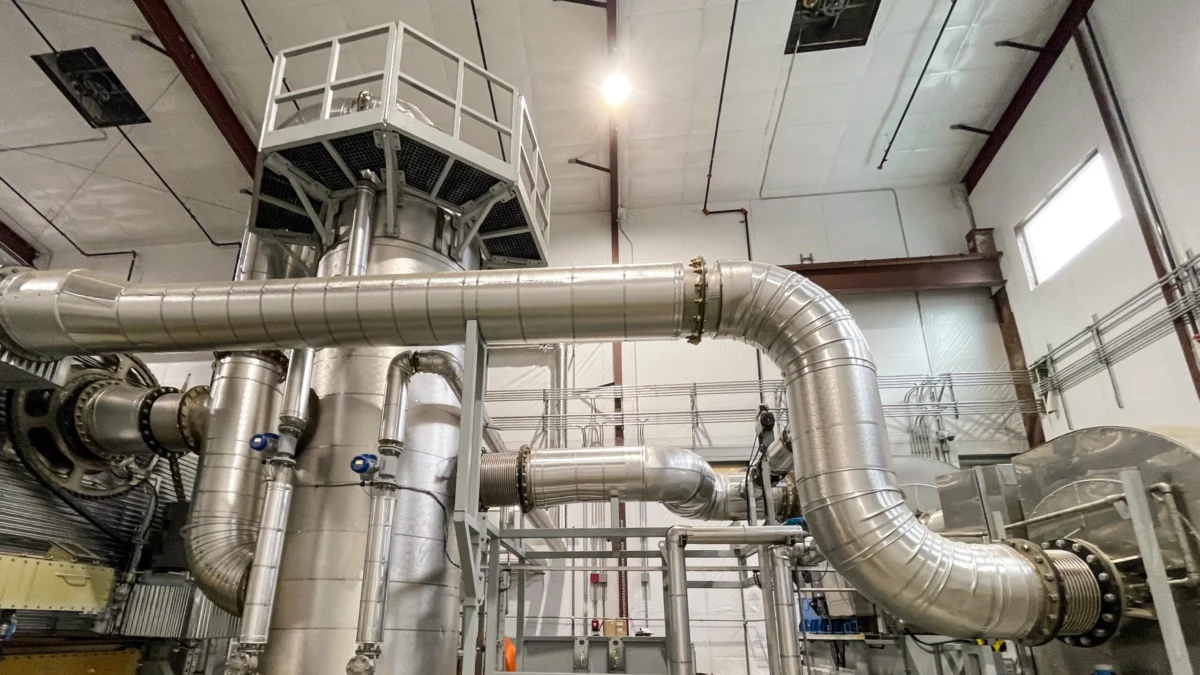
Simultaneously, the agricultural sector is exploring unconventional solutions to the global nutrient crisis. Innovative facilities, such as the one recently highlighted in the Pacific Northwest, are developing industrial-scale systems to treat and repurpose human and livestock fecal waste. By extracting and recycling phosphorus and nitrogen—nutrients essential for crop yields but currently in limited supply—these technologies aim to turn a waste management challenge into a cornerstone of circular, sustainable agriculture.
Synthesis of Implications
The common thread linking these diverse developments is the increasing intersection of human biological reality and advanced technological intervention. Whether it is the attempt to medicalize the natural process of perimenopause, the use of brain implants to bypass biological paralysis, or the conversion of waste into agricultural fuel, society is in a state of rapid adaptation.
The political and economic implications are equally significant. China’s move to lead the world in AI standards represents a fundamental challenge to the post-World War II technological order. If Beijing succeeds in making its open-source models the baseline for the Global South, the influence of American tech giants may wane, not necessarily due to a lack of innovation, but due to a misalignment of business models and geopolitical strategy.
Furthermore, the "information crisis" in health and the "privacy crisis" in consumer data suggest that the public is struggling to keep pace with the velocity of technological change. As influencers and social media platforms continue to shape perceptions of health, and as corporations fight to maintain market share against regulatory headwinds, the need for transparent, evidence-based communication becomes paramount.
Conclusion
As we look toward the remainder of the year, the stability of these systems—biological, geopolitical, and digital—remains in flux. The rise of sophisticated drone technology, the maturation of AI-driven market analysis, and the ongoing search for life in the cosmos remind us that we are living in an era of unprecedented capability. However, as evidenced by the myths surrounding perimenopause and the volatility of tech stocks, the ability to discern fact from marketing, and to understand the long-term implications of our technological trajectory, remains the most significant challenge facing global society today. The path forward will require not only innovation but a renewed commitment to the scientific method and a more rigorous approach to regulatory oversight in an increasingly interconnected and, at times, deceptive digital world.