
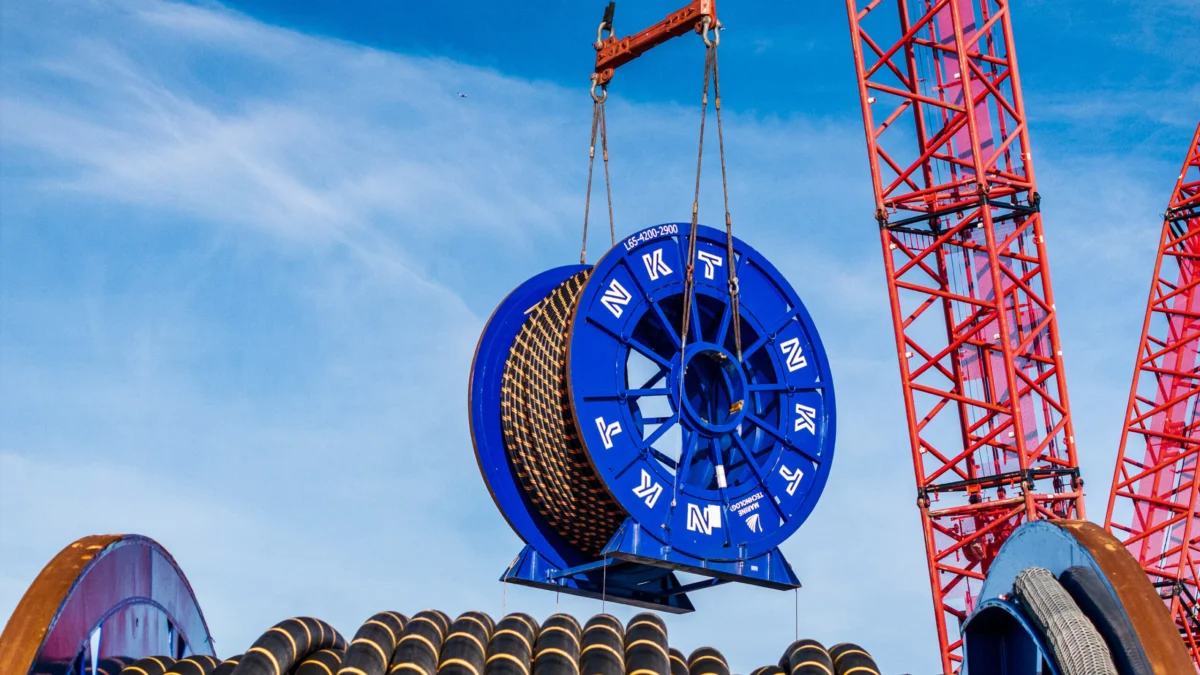
The Champlain Hudson Power Express (CHPE), a massive $6 billion infrastructure project, represents one of the most ambitious attempts to decarbonize the New York City power grid. Designed to deliver 1,250 megawatts of electricity—enough to power approximately one million homes—the 339-mile transmission line is intended to be the backbone of the state’s transition away from fossil fuels. By importing surplus hydropower from Quebec, where 99% of electricity generation is derived from renewable sources, the project aims to satisfy up to 20% of New York City’s total energy demand. Yet, as the project transitions from construction to full-scale operation, it faces significant technical hurdles and environmental uncertainties that underscore the complexities of modernizing the North American power grid.
A Multi-Decade Journey to Completion
The conceptualization of the CHPE, colloquially referred to by stakeholders as "Chippy," dates back roughly 15 years. Formal permitting processes were initiated in March 2010, marking the beginning of a long, arduous regulatory and environmental review. The project, a partnership between Transmission Developers—a subsidiary of the alternative asset management firm Blackstone—and Hydro-Québec, was designed to bridge the gap between Canada’s vast hydroelectric resources and the high-demand energy markets of the U.S. Northeast.
Construction finally commenced in late 2022, utilizing advanced engineering techniques to navigate a path that is largely buried underground or submerged at the bottom of the Hudson River. The project consists of a dual-cable high-voltage direct-current (HVDC) system, with cables measuring approximately five inches in diameter. The subaqueous portions required specialized vessels capable of jetting trenches into the riverbed sediment, a feat of logistics that spanned the length of New York State. While the physical construction concluded earlier this year, the transition to a fully functional, reliable energy conduit has proven far more difficult than the engineering team initially anticipated.
The Challenges of a "Slow Start"
Despite the years of planning and billions in investment, the CHPE has experienced a rocky operational debut. Within its first month of connectivity, the line has been sidelined by two distinct outages, raising questions about the stability of new-build energy infrastructure. The first failure occurred on July 1, reportedly triggered by a technical trip at a converter station located on the Canadian side of the border. This was quickly followed by a second, more persistent outage on July 4, which remained unresolved as of the third week of July.
Industry experts, including Normand Mousseau, a professor of physics at the Université de Montréal, have cautioned against overreacting to these early-stage technical difficulties. In many instances, complex HVDC transmission systems require a "burn-in" period during which equipment is stress-tested under real-world conditions. According to reporting from industry trade publication RTO Insider, the second outage was traced to a damaged section of the cable within the U.S. border. Hydro-Québec spokesperson Lynn St-Laurent confirmed that the damaged segment had been removed and replaced, with the project entering a final phase of post-repair testing expected to conclude by late July.
This narrative of "startup woes" is not unique to the CHPE. The New England Clean Energy Connect (NECEC) line, a 145-mile transmission project connecting Quebec to Maine that went online in January, has faced similar technical disruptions. These incidents highlight the inherent risks of integrating new, large-scale transmission technology into existing, legacy grid frameworks.
Reliability Planning and Grid Resilience
For the New York Independent System Operator (NYISO), the manager of the state’s electrical grid, the instability of the CHPE is currently a manageable issue. Kevin Lanahan, a spokesperson for the NYISO, emphasized that the state’s reliability planning does not rely on any single project being available for operation. During the record-breaking heat waves that gripped the Northeast earlier this month, the grid remained stable despite the absence of power from the CHPE.
"A core principle of reliability planning is not relying on any single project," Lanahan noted in a recent statement. This strategic redundancy is designed to protect consumers from the inevitable outages associated with new infrastructure. However, as New York moves toward its mandated goal of a zero-emissions grid by 2040, the margin for error will decrease significantly. The state will eventually need the CHPE—and other major interconnections—to operate at high capacity to replace the fossil-fuel-reliant plants that are currently slated for retirement.
The Looming Threat of Environmental Variability
Beyond the technical hurdles of the cables themselves, the long-term viability of the CHPE is tethered to the climate stability of the Canadian Shield. For the past three years, Quebec has experienced a persistent and intense drought, which has severely impacted water levels in the reservoirs that feed Hydro-Québec’s massive fleet of generating stations.
Hydropower generation is inherently dependent on water cycles, and as climate change alters precipitation patterns, the reliability of Quebec as a "battery" for New York becomes increasingly uncertain. Even if the transmission lines themselves function at 100% efficiency, the amount of electricity available to be exported will fluctuate in tandem with the hydrologic conditions in Quebec. This introduces a new layer of risk for New York’s grid planners: the realization that inter-regional energy dependence is susceptible to the same climate-driven volatility as local, weather-dependent resources like wind and solar.
The Broader Implications of Interconnection
The construction of the CHPE serves as a case study in the broader movement toward regional grid integration. Research, including studies published in Nature Climate Change, has consistently shown that connecting disparate regional grids can lead to substantial reductions in carbon emissions. By pooling resources across a wider geographic area, grid operators can balance out localized supply-and-demand fluctuations, potentially lowering total system costs and increasing overall reliability.
However, the cost of this integration is significant, both in terms of capital expenditure and political capital. Securing the rights-of-way, navigating environmental assessments, and managing the opposition of local communities are all formidable obstacles that delay and complicate the development of transmission infrastructure. The $6 billion price tag for the CHPE reflects not only the engineering costs but also the immense effort required to navigate a complex regulatory landscape that often moves slower than the pace of technological innovation.
Looking Ahead
As the CHPE undergoes its final rounds of testing and integration, the focus will shift from construction to long-term performance. For the project to be considered a success, it must move beyond the "teething" phase and demonstrate consistent, high-capacity throughput. The lessons learned from the current outages will likely influence the maintenance protocols for the project’s lifespan, which is expected to extend for several decades.
For New York, the project remains a critical component of its climate agenda. While the current outages provide a sobering reminder of the difficulties inherent in energy transition projects, they are viewed by most analysts as a temporary setback in a much larger, multi-decade strategy. The ability to move renewable energy from areas of abundance to areas of high demand is essential to the future of the modern grid. Whether the CHPE can overcome the combination of technical challenges and environmental constraints will be a defining question for the state’s energy future.
Ultimately, the story of the Champlain Hudson Power Express is one of ambition tempered by the realities of physical infrastructure. It is a testament to the fact that while the transition to clean energy is a technological imperative, it is also a massive operational undertaking that will continue to test the resilience and foresight of grid planners for years to come. As the project stabilizes, its impact on the New York market will serve as a bellwether for similar transmission projects across North America, proving whether such massive investments can truly deliver on the promise of a reliable, low-carbon future.