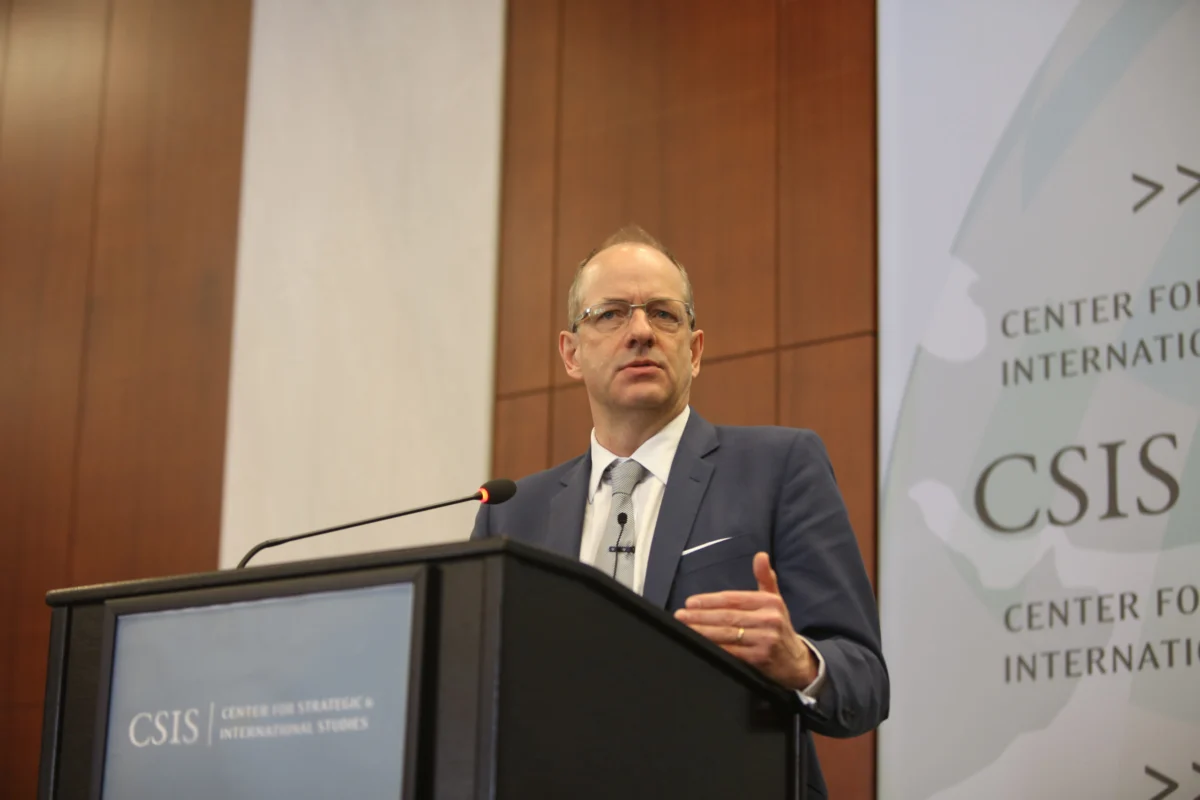
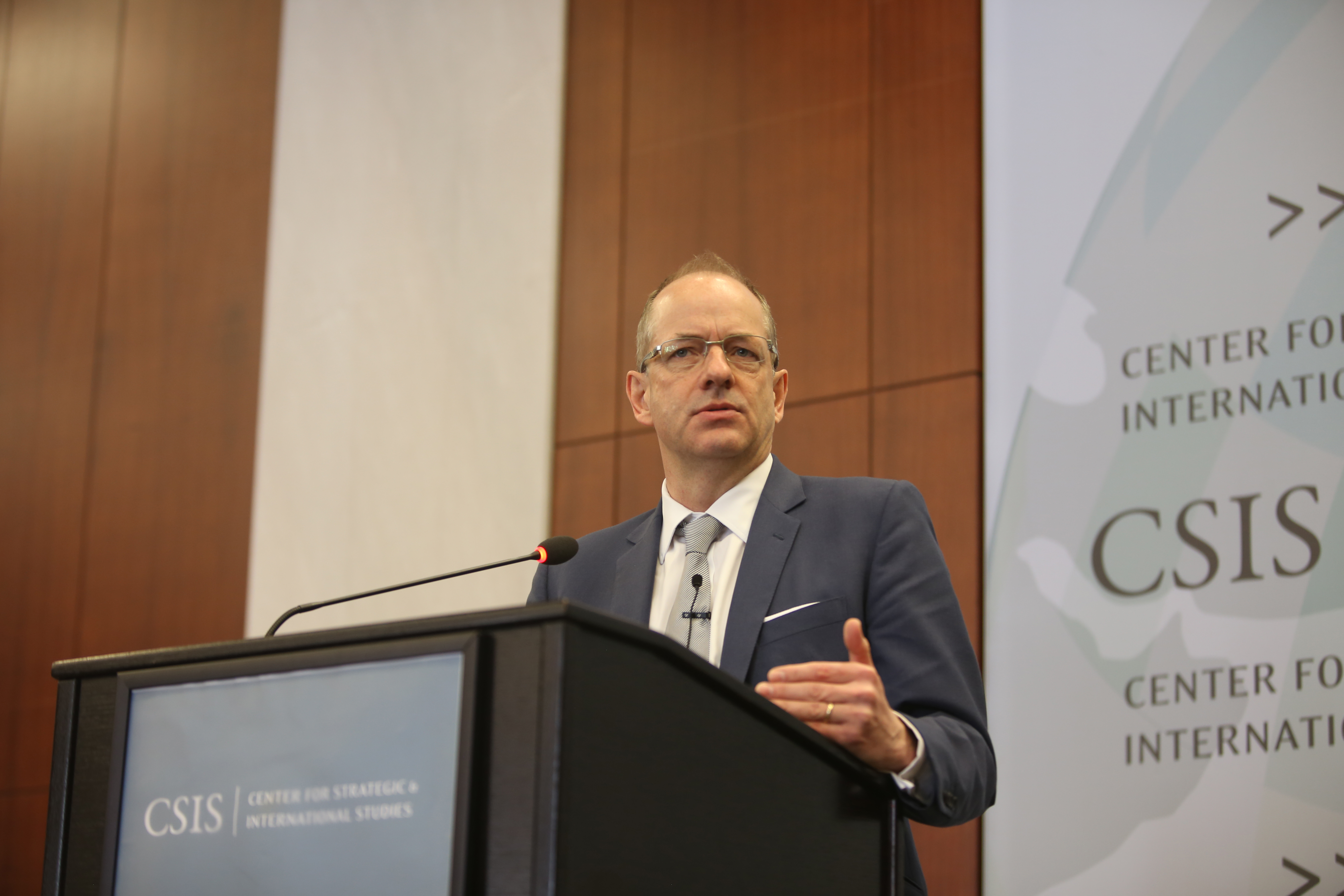
On March 17, 2016, the Center for Strategic and International Studies (CSIS) Global Health Policy Center convened a pivotal discussion focused on the intersection of the bio-pharmaceutical industry, societal expectations, and the persistent global challenge of healthcare equity. The event, which featured a keynote address by then-CEO of GlaxoSmithKline (GSK) Sir Andrew Witty, served as a diagnostic look at how private pharmaceutical entities navigate the tension between profit-driven innovation and the ethical imperative to improve global access to medicines.
The Landscape of the 2016 Pharmaceutical Discourse
The mid-2010s represented a period of intense scrutiny for the pharmaceutical industry. Global health advocates, government agencies, and the public were increasingly vocal about the rising costs of specialty drugs and the lack of transparency in clinical trial data. The CSIS event was strategically timed to coincide with the deliberations of the United Nations Secretary-General’s High-Level Panel on Access to Medicines, a body established to address the policy incoherence between intellectual property rights, trade, and public health.
Sir Andrew Witty’s participation was significant because it marked a shift in corporate strategy for GSK. At the time, the company was transitioning away from a volume-based sales model toward a value-based approach, aiming to decouple sales representative incentives from individual prescription targets. This move was intended to address widespread concerns regarding aggressive marketing practices that had plagued the industry for decades.
Keynote Address and Corporate Reform
In his address, Sir Andrew Witty articulated a vision for a "reformed" pharmaceutical giant. He emphasized that the industry could no longer operate in a vacuum of public skepticism. His proposal rested on four pillars: the restructuring of sales and marketing incentives, the commitment to full clinical trial transparency, a tiered pricing model based on a country’s economic development, and an intensified focus on research and development (R&D) for neglected tropical diseases.
Witty argued that transparency was the "new currency" of trust. By making clinical trial data accessible to the broader scientific community, GSK aimed to mitigate the perception that pharmaceutical firms buried negative results or selectively reported data to gain regulatory approval. Furthermore, the commitment to tiered pricing—where the cost of a drug would be adjusted relative to a nation’s GDP—was presented as a model for how the private sector could bridge the gap between high-income markets and the Global South.
The Roundtable Perspective: Ethics and Equity
Following the keynote, the discussion transitioned to a moderated roundtable featuring Dr. Margaret Hamburg, then-Foreign Secretary of the Institute of Medicine (now the National Academy of Medicine), and Dr. Ezekiel Emanuel, a prominent bioethicist and architect of health policy.
Dr. Margaret Hamburg underscored the necessity of regulatory harmonization. She noted that while industry innovation is the engine of medical progress, the regulatory environment must be sufficiently robust to ensure that products are not only effective but also accessible to the populations that need them most. Hamburg emphasized that the role of institutions like the Institute of Medicine was to provide the scientific rigor necessary to hold both governments and corporations accountable to public health standards.
Dr. Ezekiel Emanuel provided a more critical lens, focusing on the systemic ethics of pharmaceutical pricing. He raised questions about the sustainability of current drug development pipelines, noting that the high cost of R&D—often cited as the primary driver for exorbitant drug pricing—required more empirical scrutiny. Emanuel argued that if the industry expects to maintain its patent protections and societal license to operate, it must demonstrate a clearer alignment between the pricing of its products and the actual clinical value provided to patients.
Historical Chronology of Industry-Society Relations
The dialogue at CSIS was not an isolated event but rather a manifestation of a long-standing historical trajectory regarding the pharmaceutical industry:
- 2001 (Doha Declaration): The WTO affirmed that the TRIPS Agreement does not prevent members from taking measures to protect public health, opening the door for compulsory licensing of generic medicines.
- 2008–2012: A period of significant patent cliffs for major pharmaceutical firms, leading to increased pressure to find new revenue streams, often resulting in higher prices for specialty biologics.
- 2015: The UN Secretary-General announces the High-Level Panel on Access to Medicines, signaling a global push to address the "access gap."
- 2016: The CSIS symposium takes place, reflecting the industry’s attempt to engage in "proactive diplomacy" to shape the narrative before potential regulatory crackdowns.
- Post-2016: The focus on "value-based pricing" becomes a staple of pharmaceutical corporate social responsibility (CSR) reporting, though critics continue to point to persistent affordability gaps.
Supporting Data and Economic Context
The conversation was underscored by a complex set of economic indicators. During the 2010–2016 period, global pharmaceutical spending was increasing at an average annual rate of 4% to 7%, primarily driven by the introduction of high-cost specialty drugs for cancer, hepatitis C, and rare diseases.
According to data available to the attendees at the time, the cost of bringing a single new molecular entity to market had ballooned to an estimated $2.6 billion, when accounting for failures in the R&D pipeline. However, analysts pointed out that this figure was often inflated by marketing and administrative costs. The central tension remained: if the pharmaceutical industry is to remain the primary driver of life-saving innovation, how can society ensure that the products of that innovation are not priced out of reach for the average citizen?
Implications for Future Health Policy
The 2016 event at CSIS highlighted a fundamental shift in how the pharmaceutical industry viewed its "social license to operate." By participating in an open dialogue with health experts and ethicists, firms like GSK were signaling that they understood the reputational risks of remaining aloof from global health policy debates.
The implications of this discussion were twofold. First, it forced a mainstream conversation about the necessity of transparent pricing models. The concept of "value-based pricing"—where the price of a drug is tied to its effectiveness rather than just the R&D investment—gained significant traction following the discussions initiated by leaders like Witty.
Second, the event underscored the increasing power of multilateral health organizations in shaping corporate behavior. By serving on panels and working groups like the UN High-Level Panel, industry leaders found themselves in a position where they were required to defend their practices in front of global health stakeholders, rather than simply in front of shareholders.
Analytical Assessment: The Trust Deficit
While the discourse at the CSIS event was constructive, the industry faced, and continues to face, a significant "trust deficit." Analysis of the period suggests that while corporate pledges regarding transparency and tiered pricing were positive, they were often viewed by skeptics as defensive measures rather than fundamental shifts in business models.
The primary challenge identified by the panel—the reconciliation of commercial success with global health equity—remains the central dilemma of modern medicine. The symposium established that while technological innovation in medicine is advancing at an unprecedented rate, the mechanisms for distributing that innovation remain fragmented and inequitable.
Conclusion: A Lasting Dialogue
The CSIS event on March 17, 2016, remains a landmark example of how high-level policy forums can facilitate necessary, albeit difficult, conversations between the private sector and public health advocates. By bringing together the leadership of the pharmaceutical industry with the architects of global health policy, the event highlighted the necessity of a multi-stakeholder approach.
As the industry continues to evolve in the face of new challenges—ranging from the rise of personalized medicine to the complexities of global pandemic preparedness—the core themes discussed at this symposium remain highly relevant. The requirement for transparency, the ethical obligation to ensure access, and the ongoing need for public-private collaboration remain the foundational pillars upon which the future of the global pharmaceutical industry will be built. The legacy of this session serves as a reminder that the progress of science is incomplete without the progress of equitable access.