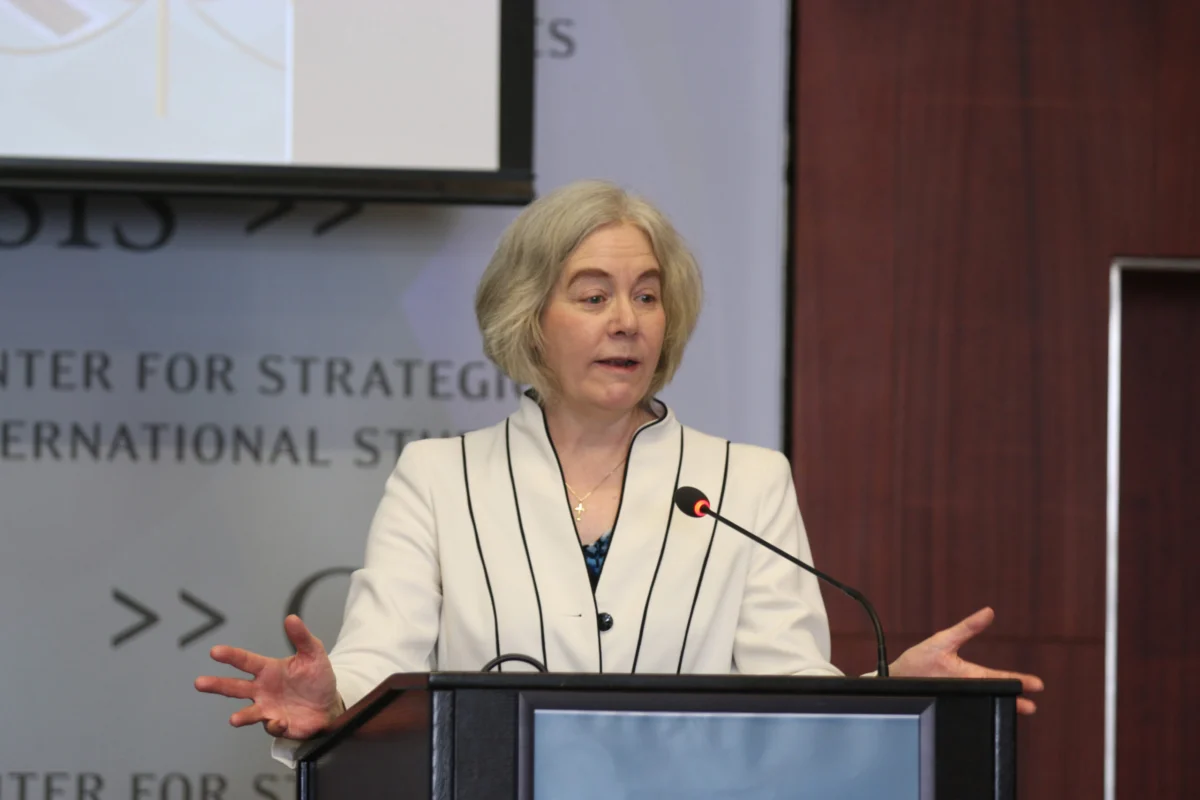
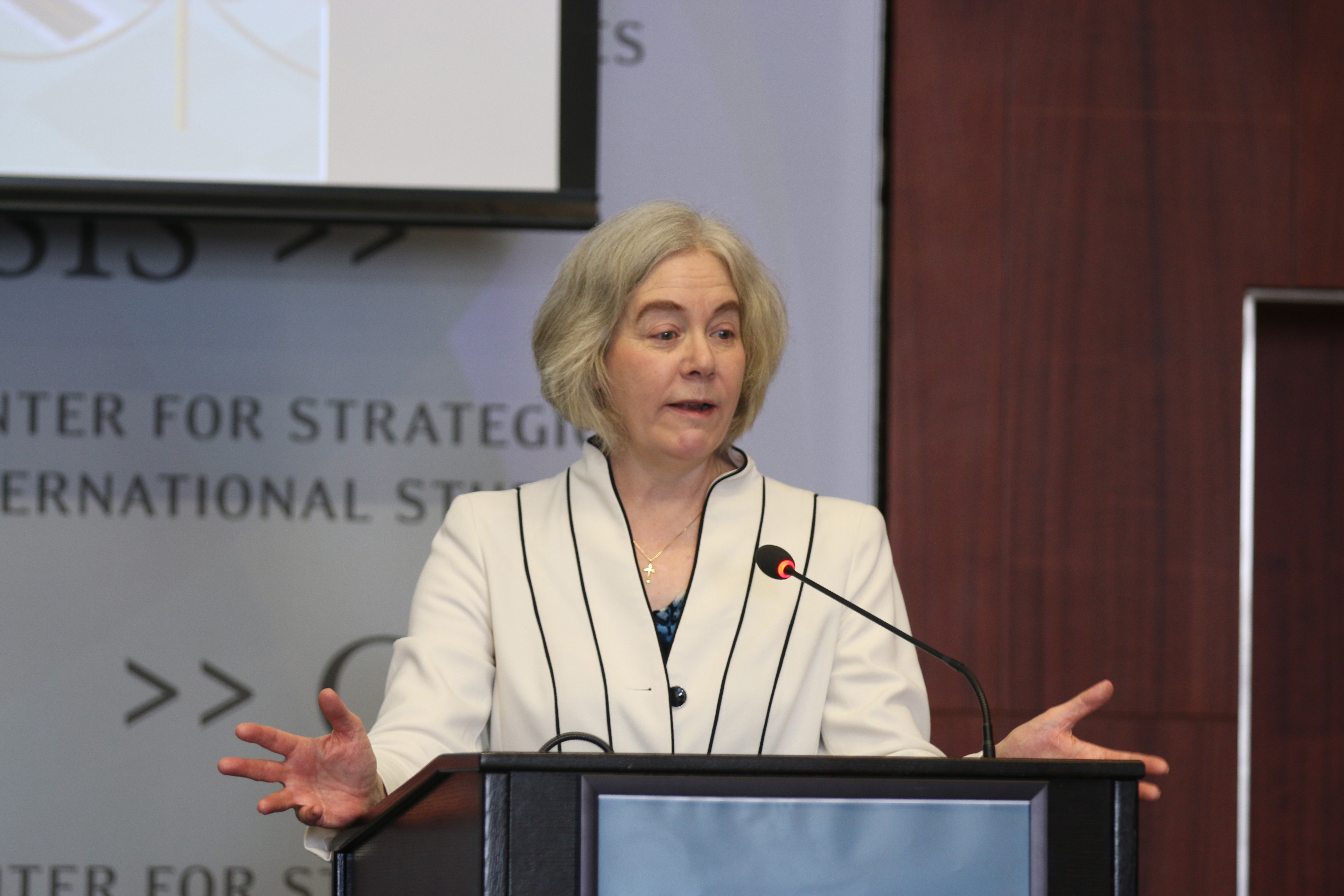
The Center for Strategic and International Studies (CSIS) hosted a pivotal discussion on March 10, 2016, featuring Dr. Ellen Williams, Director of the Advanced Research Projects Agency-Energy (ARPA-E). The event, held in Washington, D.C., from 10:00 AM to 11:30 AM EST, centered on the evolving landscape of United States energy infrastructure, with a particular emphasis on modernizing the electric grid, advancing grid-scale storage technologies, and implementing the newly launched Mission Innovation initiative.
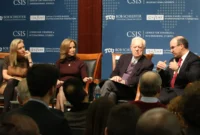
The gathering brought together key energy security experts, policymakers, and industry researchers to evaluate how federal research funding can bridge the persistent gap between early-stage laboratory breakthroughs and large-scale commercial market deployment. Sarah Ladislaw, Director and Senior Fellow of the CSIS Energy and National Security Program, delivered opening remarks, setting a strategic tone for the morning. The subsequent discussion was moderated by Frank O’Sullivan, Senior Associate with the CSIS Energy and National Security Program and Director of Research and Analysis at the MIT Energy Initiative.
Background Context: The Urgency of Grid Modernization
For decades, the United States electric grid has been heralded as one of the great engineering achievements of the 20th century. However, as the 21st century progressed, the aging transmission and distribution networks faced unprecedented stress. Increasing integration of intermittent renewable energy sources like wind and solar, combined with rising demands for grid resilience against extreme weather events and cyber threats, exposed structural vulnerabilities in traditional energy management systems.
Established in 2009 under the America COMPETES Act, ARPA-E was modeled after the Defense Advanced Research Projects Agency (DARPA). Its explicit mandate is to fund high-risk, high-reward research projects that can fundamentally transform the nation’s energy security, reduce greenhouse gas emissions, and ensure technological leadership. By 2016, as global momentum gathered around climate agreements and clean energy transitions, the modernization of the electrical grid emerged as the central frontier for both technological innovation and market viability.
Core Focus Areas for ARPA-E in 2016
During her keynote presentation, Dr. Williams outlined the strategic priorities guiding ARPA-E’s investments for the 2016 fiscal year. She emphasized that while generation technologies—such as photovoltaic solar panels and wind turbines—had seen dramatic cost reductions and efficiency gains, the infrastructure required to transport, manage, and store that electricity lagged behind.
Advanced Grid Management and Software Solutions
Dr. Williams underscored that operating a modern grid requires vastly superior computational tools and real-time visibility. Traditional grid operators rely on legacy control systems that were not designed to handle the decentralized, two-way power flows generated by rooftop solar panels, electric vehicles, and local microgrids. ARPA-E’s portfolio highlighted programs aimed at developing advanced sensing, ultrafast data processing, and predictive software that can automatically reconfigure power distribution during disruptions, thereby enhancing overall system reliability.
Breakthroughs in Grid-Scale Energy Storage
A central theme of the discussion was the critical necessity of economical, long-duration energy storage. While lithium-ion batteries had dominated consumer electronics and short-duration electric vehicle applications, they remained cost-prohibitive and impractical for multi-day or seasonal grid storage. Dr. Williams discussed ARPA-E initiatives designed to pioneer alternative chemistries and novel mechanical storage concepts—ranging from flow batteries and compressed air energy storage to thermal storage systems—capable of stabilizing the grid during prolonged periods of low renewable generation.
Mission Innovation and Global Commitments
The timing of the CSIS event coincided with a broader international push for clean energy research and development. Just months prior, at the COP21 climate negotiations in Paris, the United States and 19 other nations launched "Mission Innovation," a landmark pledge to double government investments in clean energy research and development over five years. Dr. Williams detailed how ARPA-E would serve as a vital domestic engine for fulfilling the U.S. commitment under Mission Innovation, directing federal dollars toward high-impact projects that leverage private-sector venture capital.
Chronology and Event Proceedings
The 90-minute session followed a structured format designed to maximize both institutional insight and interactive analysis:
- 10:00 AM – 10:10 AM: Introduction and framing by Sarah Ladislaw, highlighting the intersection of national security, economic competitiveness, and technological innovation within the energy sector.
- 10:10 AM – 10:45 AM: Keynote address by Dr. Ellen Williams. She presented data on ARPA-E’s project portfolio, detailing successful transitions of lab-scale technologies into startup companies and commercial supply chains, while addressing current bottlenecks in grid architecture.
- 10:45 AM – 11:15 AM: Moderated discussion led by Frank O’Sullivan. The conversation explored the regulatory hurdles facing new energy technologies, the mechanics of public-private partnerships, and the specific metrics used to evaluate ARPA-E program success.
- 11:15 AM – 11:30 AM: Audience Q&A session, allowing industry stakeholders, academic researchers, and press representatives to question the panel on funding allocations and grid vulnerability mitigation.
Expert Perspectives and Analysis
The dialogue at CSIS illuminated the complex realities of steering government-backed scientific research toward commercial adoption—a challenge frequently referred to in energy circles as the "Valley of Death."
In her opening remarks, Sarah Ladislaw noted that energy infrastructure transformations are inherently slow due to high capital intensity and strict reliability requirements. Unlike the digital technology sector, where software can be iterated rapidly, energy hardware must operate reliably for decades under extreme physical conditions.

Frank O’Sullivan added analytical depth by examining the economic incentives driving utility companies. He pointed out that traditional utility business models, built around guaranteed returns on large capital expenditures for centralized power plants, often disincentivized investments in distributed resources and advanced software management unless mandated by regulatory frameworks or proven to yield immediate cost savings.
Dr. Williams defended ARPA-E’s high-risk portfolio strategy by presenting empirical metrics of agency performance. By maintaining rigorous, independent technical milestones and employing proactive program directors from both academia and industry, ARPA-E successfully identified dead ends early while aggressively supporting technologies capable of shifting market paradigms. She emphasized that federal investment acts as a crucial catalyst, lowering technological risk to a level where private venture capital and corporate venture arms feel confident stepping in.
Broader Implications for U.S. Energy Policy and National Security
The initiatives discussed by Dr. Williams carry profound implications for the future of American energy independence and economic competitiveness.
From a national security perspective, a modernized, resilient electric grid is indispensable. As cyber threats against critical infrastructure escalate and climate-driven natural disasters become more frequent, the ability of the electrical grid to withstand, absorb, and rapidly recover from shocks is a matter of paramount national defense. Decentralized generation paired with robust grid storage significantly reduces the risk of cascading nationwide blackouts.
Economically, leadership in next-generation energy technologies positions U.S. manufacturing and engineering firms at the forefront of a multi-trillion-dollar global clean energy market. As developing nations rapidly expand their electrical grids, exporting advanced U.S. grid management software, storage solutions, and efficiency technologies ensures long-term trade advantages and geopolitical influence.
Ultimately, the March 2016 CSIS forum underscored that achieving a reliable, low-carbon energy future requires more than just cleaner sources of electricity generation. It demands a holistic reinvention of how power is routed, stored, and managed—a monumental task where targeted federal research agencies like ARPA-E continue to play an irreplaceable role.