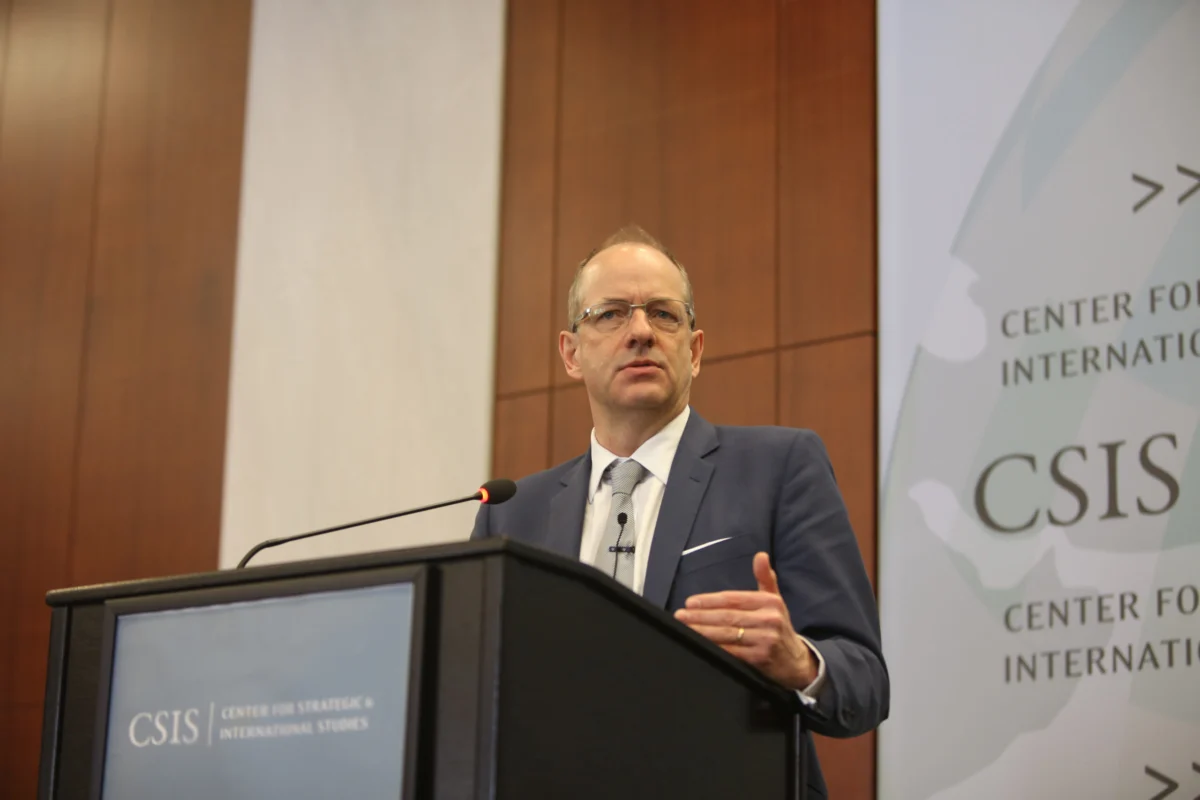
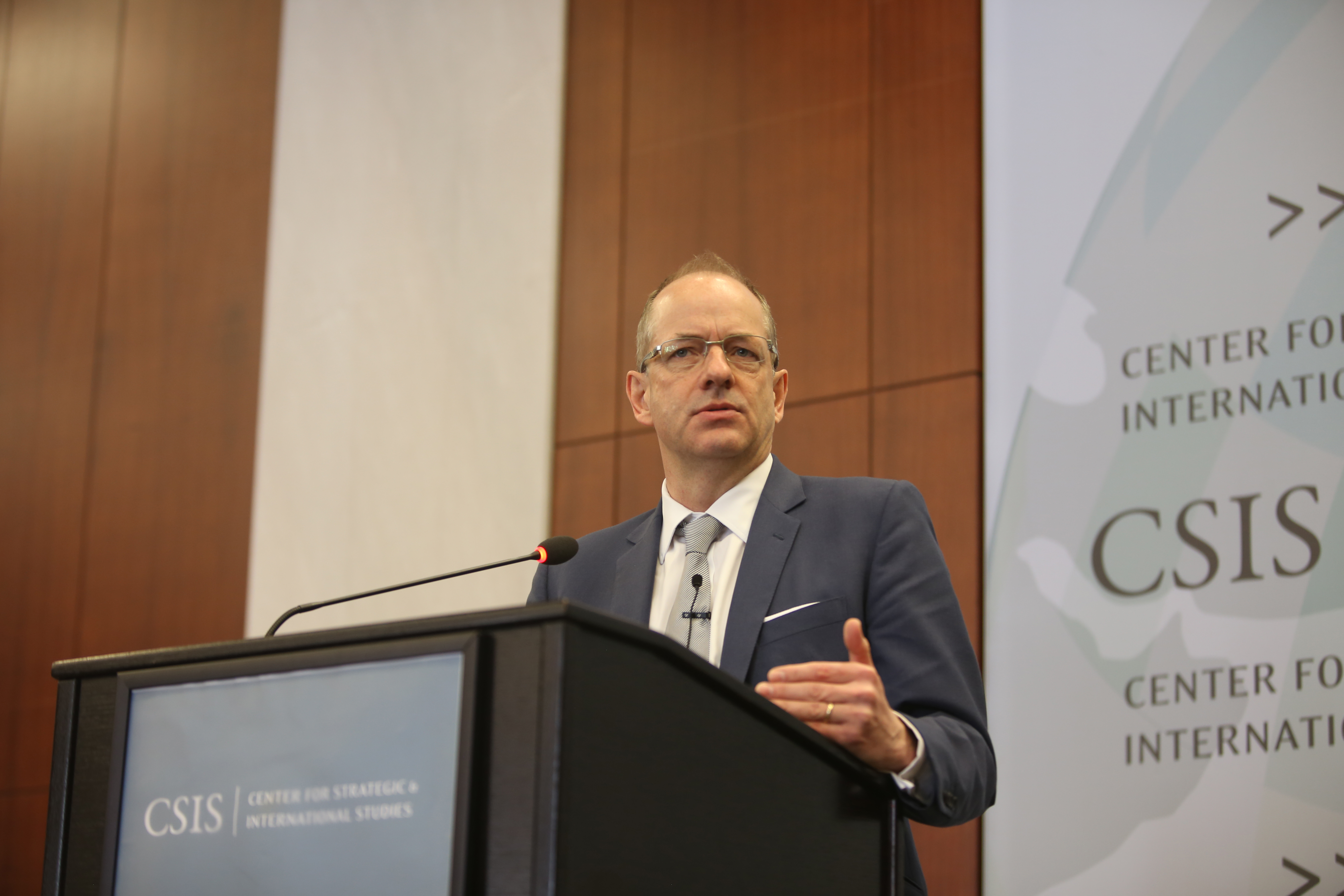
On March 17, 2016, the Center for Strategic and International Studies (CSIS) Global Health Policy Center hosted a pivotal forum titled The Bio-Pharma Industry and Society, aimed at addressing the widening chasm between pharmaceutical corporate practices and global public health requirements. The event brought together industry leaders, bio-ethicists, and public health officials to dissect the fundamental tension between profit-driven innovation and the imperative of universal health access. The discussion was anchored by a keynote from Sir Andrew Witty, then-CEO of GlaxoSmithKline (GSK), and a subsequent roundtable featuring Dr. Margaret Hamburg, former Commissioner of the U.S. Food and Drug Administration, and Dr. Ezekiel Emanuel, a prominent authority on medical ethics.
Contextualizing the Global Health Crisis
The 2016 forum took place against a backdrop of intensifying international scrutiny regarding the pharmaceutical industry. By the mid-2010s, the global community was grappling with the dual challenge of astronomical drug pricing in developed nations and the persistent lack of essential medicines in developing countries. The United Nations Secretary-General’s High-Level Panel on Access to Medicines had been convened specifically to address these systemic failures, reflecting a growing consensus that the traditional pharmaceutical business model was insufficient to meet the Sustainable Development Goals (SDGs).
For decades, the industry had faced accusations of prioritizing high-margin lifestyle drugs over treatments for neglected tropical diseases. The 2016 CSIS event sought to shift this narrative, advocating for a "social contract" that would prioritize transparency and accessibility. The timing was critical: the industry was experiencing a crisis of public trust, exacerbated by public outcries over the pricing of life-saving hepatitis C medications and the opacity of clinical trial results.
Keynote Address: The GSK Reform Agenda
Sir Andrew Witty utilized the CSIS platform to articulate a series of reforms he had implemented at GlaxoSmithKline, which served as a blueprint for what he termed "responsible commercialization." His address centered on four pillars of change:
- Decoupling Sales Incentives: Witty announced a transition away from paying sales representatives based solely on prescription volume. This shift aimed to reduce aggressive marketing tactics that historically led to the over-prescription of medications.
- Clinical Trial Transparency: GSK committed to the public disclosure of clinical trial data, a move designed to restore scientific integrity and allow independent researchers to verify drug efficacy and safety profiles.
- Tiered Pricing Models: Recognizing that a single price point is exclusionary, GSK introduced a tiered pricing structure based on a country’s economic status, measured by GNI per capita.
- Patent Flexibility: The company began exploring "patent pools" and licensing agreements that allowed for the production of generic versions of their medicines in low-income nations, effectively lowering the barrier to entry for essential therapies.
The Roundtable: Examining the Ethical Dimensions
Following the keynote, the discussion transitioned to the broader structural implications of these reforms. Dr. Margaret Hamburg emphasized the role of regulatory bodies in ensuring that innovation does not bypass the most vulnerable populations. She noted that the "innovation ecosystem" requires a balance between intellectual property protections, which incentivize R&D, and regulatory pathways that facilitate the rapid deployment of generic alternatives once patents expire.
Dr. Ezekiel Emanuel, representing the perspective of medical ethics, pushed the conversation toward the concept of "value-based pricing." He argued that the industry must prove the clinical benefit of new drugs to justify their costs. Emanuel’s remarks during the panel highlighted a growing movement within academia and policy circles to tie pharmaceutical reimbursements to objective patient outcomes rather than market-clearing prices.
Supporting Data and Industry Trends
To understand the gravity of the 2016 debate, one must look at the economic data of the period. In 2015, global pharmaceutical spending reached an estimated $1.07 trillion, with the United States accounting for nearly half of that total. Despite this massive investment, reports from the World Health Organization (WHO) consistently indicated that approximately one-third of the global population lacked regular access to essential medicines.
The R&D pipeline during this era was also heavily skewed. Analysis of new molecular entities (NMEs) approved by the FDA between 2010 and 2015 revealed that while significant breakthroughs were made in oncology and rare diseases, investment in antibiotic development—a major global health security threat—remained stagnant. The CSIS event highlighted that without industry-wide reform, the market would continue to fail in incentivizing research for public health priorities that lack immediate commercial viability.
A Chronology of Reform Efforts
The event at CSIS was one milestone in a broader decade of industry self-reflection:
- 2012: GSK begins its shift toward tiered pricing and ending volume-based sales incentives.
- 2014: The "AllTrials" campaign gains momentum, pushing for the registration and reporting of all clinical trials.
- 2015: The UN Secretary-General announces the formation of the High-Level Panel on Access to Medicines, inviting Sir Andrew Witty to participate.
- 2016: The CSIS Global Health Policy Center hosts its forum, institutionalizing the debate on pharmaceutical transparency.
- 2017–2019: Several other "Big Pharma" entities begin adopting portions of the transparency protocols discussed at the CSIS event, largely under pressure from institutional investors and civil society groups.
The Broader Impact and Policy Implications
The primary implication of the 2016 dialogue was the recognition that the pharmaceutical industry cannot function as an isolated commercial entity. Because medicine is a public good, the sector is inherently entangled with national security, human rights, and economic stability. The "trust deficit" identified at the event forced many firms to reconsider their corporate social responsibility (CSR) programs, evolving them from peripheral marketing initiatives into core business strategies.
However, critics at the time—and in the years since—noted that voluntary reforms are often insufficient to address systemic inequality. The CSIS event served as a clarion call for "regulatory guardrails." While companies like GSK were setting positive precedents, the lack of universal adoption meant that the benefits were inconsistent across different regions and therapeutic areas. The panel concluded that moving forward required a tripartite commitment: governments must provide clear regulatory incentives, the private sector must adopt transparent operational standards, and the global health community must continue to monitor outcomes rigorously.
Conclusion: Lessons for the Future
The March 17, 2016, session at the CSIS Global Health Policy Center remains a significant case study in the evolution of corporate governance within the medical sector. By bringing the CEO of a major pharmaceutical company into a direct, moderated dialogue with ethics and policy experts, the event facilitated a rare moment of alignment on the necessity of change.
As the global health landscape has evolved—particularly in the wake of subsequent health crises—the themes discussed in 2016 regarding transparency, pricing, and access have only gained relevance. The legacy of this event is found in the modern expectations placed upon pharmaceutical giants: that they are not merely profit-seeking entities, but essential partners in the global endeavor to sustain human life. The 2016 discussion successfully moved the needle from an era of defensive secrecy toward a more collaborative, if still complex, framework for global health equity. The insights shared by J. Stephen Morrison and his panelists underscored that while the path to universal health access is fraught with economic and political obstacles, the pharmaceutical industry’s commitment to transparency is the fundamental starting point for any meaningful reform.