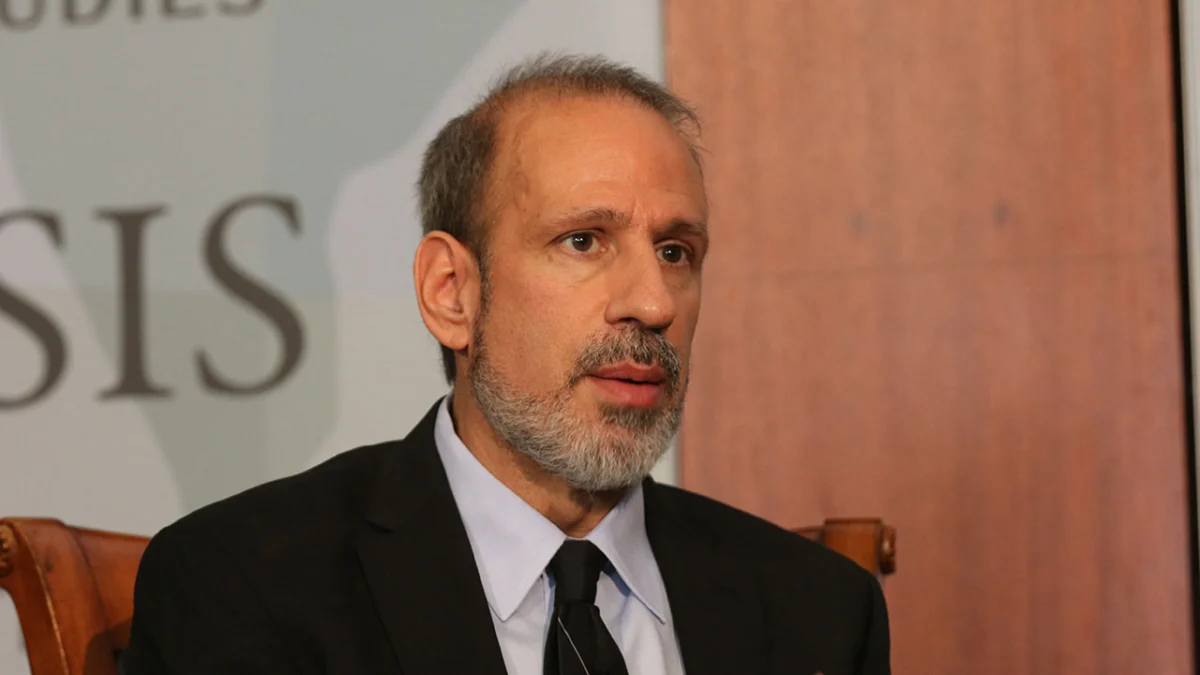
The Center for Strategic and International Studies (CSIS) hosted a high-level, half-day Defense360 conference bringing together top Pentagon officials, distinguished military analysts, and defense budget experts to dissect the newly released fiscal year 2017 defense budget request. Convened at the prominent Washington, D.C. think tank, the gathering served as a critical platform for evaluating the intersection of national security strategy, fiscal constraints, and the defense-industrial base. The event featured opening remarks by CSIS President and CEO Dr. John Hamre, followed by senior Department of Defense (DoD) leadership detailing the strategic calculus driving the administration’s funding requests, and concluded with an expert panel assessing the alignment between stated military objectives and fiscal realities.
Background Context and the Evolution of the FY2017 Defense Budget
The release of the fiscal year 2017 defense budget request occurred during a complex geopolitical and fiscal environment characterized by ongoing conflicts in the Middle East, a resurgent Russia, an increasingly assertive China, and the lingering statutory restrictions imposed by the Budget Control Act (BCA) of 2011. Often referred to as sequestration, the BCA placed strict caps on discretionary spending, forcing defense planners to continuously balance readiness, modernization, and force structure.
The FY2017 request was formulated to navigate these statutory caps while addressing what defense planners identified as a shifting security paradigm—moving away from prolonged counterinsurgency campaigns toward great-power competition. Undersecretary of Defense (Comptroller) Mike McCord, Director of Cost Assessment and Program Evaluation (CAPE) Dr. Jamie Morin, and Assistant Secretary of Defense for Strategy, Plans, and Capabilities Robert Scher faced the formidable task of explaining how the administration’s financial blueprint intended to preserve technological superiority, maintain a globally engaged force, and invest in critical research and development despite budgetary headwinds.
Chronology and Program Structure of the Conference
The morning conference was meticulously structured to provide attendees with a comprehensive view from both inside and outside the Pentagon. Proceedings commenced at 9:00 a.m. with opening remarks delivered by Dr. John Hamre, who framed the overarching strategic challenges facing the United States military and underscored the vital importance of transparent fiscal planning.
Following Dr. Hamre’s remarks, the first substantive session ran from 9:00 a.m. to 10:30 a.m. Moderated by Todd Harrison, Director of Defense Budget Analysis and Senior Fellow with the CSIS International Security Program, this session featured the core Pentagon leadership quartet: Mike McCord, Dr. Jamie Morin, and Robert Scher. These officials delved into the macro-level numbers of the defense request, outlining the administration’s priorities for procurement, personnel, operations, and maintenance. They articulated the underlying strategic rationale, explaining how finite resources were allocated to counter emerging hybrid threats, sustain the nuclear triad, and enhance cyber capabilities.
After a brief transition, the conference shifted to its second major component: an expert panel discussion held from 10:30 a.m. to 11:30 a.m. Also moderated by Todd Harrison, this panel brought together veteran policymakers and independent analysts to critique the administration’s proposals. The panel featured Tina Jonas, former Under Secretary of Defense (Comptroller) and current CSIS Senior Adviser; Andrew Hunter, Director of the Defense-Industrial Initiatives Group at CSIS; Mark Cancian, CSIS Senior Adviser; Shawn Brimley, Executive Vice President and Director of Studies at the Center for a New American Security (CNAS); and Roger Zakheim, Visiting Fellow at the American Enterprise Institute (AEI).
Supporting Data and Fiscal Realities of the Request
The FY2017 defense budget request outlined a top-line figure designed to comply with the Bipartisan Budget Act of 2015, which had temporarily eased some of the harsher sequestration cuts for fiscal years 2016 and 2017. The base budget request was complemented by Overseas Contingency Operations (OCO) funding, a funding mechanism that continued to draw scrutiny from budget watchdogs and legislators alike.
Key data points highlighted during the conference centered on the tension between readiness and modernization. For years, continuous deployments and budget caps had created a readiness deficit across various service branches, notably in military aviation and naval maintenance. The FY2017 request attempted to address these shortfalls by prioritizing funding for force readiness and training, while simultaneously protecting long-term modernization programs such as the F-35 Lightning II joint strike fighter, the Columbia-class ballistic missile submarine, and the B-21 Raider strategic bomber.
Furthermore, the integration of technology and innovation was a central data theme. Department officials emphasized investments in cyber warfare, artificial intelligence, electronic warfare, and autonomous systems—domains viewed as critical to maintaining a decisive technological edge over near-peer adversaries like Russia and China.
Official Responses and Independent Assessments
The dialogue between Pentagon officials and independent analysts revealed notable areas of consensus alongside robust debate regarding the efficacy of the defense plan.
During the primary leadership session, McCord, Morin, and Scher emphasized that the budget request was a balanced compromise. They argued that the department had made difficult choices to divest from legacy systems that no longer offered high utility in a high-end conflict, redirecting those savings toward innovation and readiness. They defended the reliance on OCO funding as a necessary, albeit imperfect, bridge to manage operational demands outside the constrained base budget caps.
Conversely, the independent panel offered a more critical lens. Analysts such as Mark Cancian and Andrew Hunter scrutinized the underlying assumptions of the budget, questioning whether the proposed funding levels were sufficient to simultaneously sustain current operations, restore full-spectrum readiness, and procure next-generation weapon systems. They pointed out that persistent global commitments risked wearing out the force faster than modernization efforts could replace aging equipment.
Shawn Brimley of CNAS and Roger Zakheim of AEI brought a broader strategic perspective to the discussion, evaluating the budget’s alignment with national security strategy documents. They debated whether the military was adequately postured to deter aggression in Europe and the Indo-Pacific while maintaining a stabilizing presence in the Middle East. Tina Jonas provided invaluable institutional insights, drawing from her extensive financial management experience within the DoD to assess the technical feasibility of the budget execution and the challenges of congressional oversight.
Broader Impact, Implications, and Defense Reform
Beyond the immediate numbers, the conference underscored the urgent need for comprehensive defense reform. The complexity of the Pentagon’s financial management systems, procurement delays, and overhead costs remained persistent challenges that eroded the purchasing power of every defense dollar. To capture stakeholder input on this critical issue, CSIS utilized the conference to promote an ongoing public survey on defense reform, encouraging military professionals, policy experts, and citizens to weigh in on structural changes needed to streamline acquisition and reduce bureaucratic waste.
The implications of the FY2017 defense budget extended far beyond Washington corridors. For the defense-industrial base, the budget signaled stability in certain priority sectors—such as aerospace, shipbuilding, and defense electronics—while posing strategic adjustments for contractors reliant on legacy platforms. For international allies and partners, the budget reaffirmed U.S. security commitments in key theaters, though questions remained regarding long-term sustainability if future fiscal impasses were to return.
Ultimately, the CSIS Defense360 conference provided an indispensable forum for dissecting the complexities of national security funding. By facilitating a direct exchange between the architects of the defense budget and independent strategic analysts, the event illuminated the delicate balance required to safeguard national security in an era of fiscal constraint and evolving global threats.