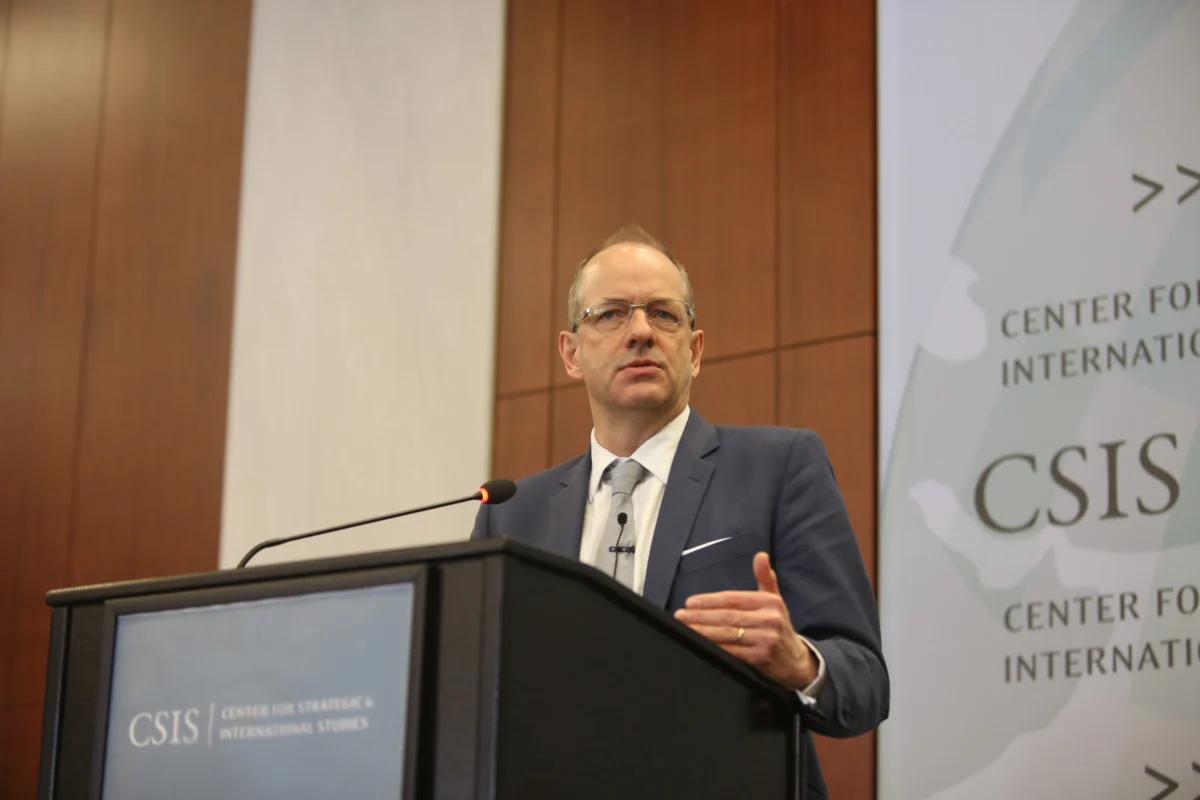
On March 17, 2016, the Center for Strategic and International Studies (CSIS) Global Health Policy Center convened a pivotal forum to examine the evolving role of private bio-pharmaceutical firms in addressing global health inequities. The event, held in Washington, D.C., served as a high-level platform to address the growing friction between corporate profitability, the necessity for medical innovation, and the urgent public demand for affordable, high-quality healthcare. Featuring a keynote address by Sir Andrew Witty, then-CEO of GlaxoSmithKline (GSK), the discussion aimed to bridge the gap between commercial interests and the societal mandate to improve health outcomes for populations in both developed and emerging markets.
The Context of the 2016 Healthcare Landscape
The mid-2010s marked a period of intense scrutiny for the global pharmaceutical industry. Concerns regarding drug pricing transparency, the ethics of clinical trials, and the accessibility of essential medicines in low-income nations had reached a boiling point. Global institutions, most notably the United Nations, were actively seeking solutions to reconcile the patent-based model of drug development with the humanitarian requirements of global health.
In November 2015, UN Secretary-General Ban Ki-moon established the High-Level Panel on Access to Medicines, a move that placed immense pressure on pharmaceutical giants to justify their pricing strategies and intellectual property (IP) policies. The panel was tasked with proposing remedies for the "policy incoherence" between the rights of inventors, international trade rules, and the human right to health. Sir Andrew Witty’s participation in this UN panel provided the backdrop for his appearance at CSIS, where he was expected to articulate a new, more transparent business model for GSK.
Chronology of Corporate Reform at GSK
Under the leadership of Sir Andrew Witty, GSK had begun a series of systemic reforms years prior to the 2016 event, signaling a departure from traditional "blockbuster" business models.
- 2009–2010: GSK initiated a shift in its business strategy, focusing on diversifying its product portfolio beyond high-margin medicines and expanding its footprint in emerging markets through a "tiered pricing" model.
- 2013: The company introduced significant changes to its sales and marketing practices, including the elimination of individual sales targets for pharmaceutical representatives in an effort to reduce the potential for aggressive or unethical promotion.
- 2014: GSK committed to greater transparency by pledging to publicly disclose clinical trial data, a move designed to restore public trust and facilitate scientific advancement through shared knowledge.
- 2016: The CSIS forum served as a public progress report on these initiatives, as Witty aimed to demonstrate that corporate profit motives could be aligned with global social welfare without sacrificing the R&D capabilities necessary for medical breakthroughs.
Keynote Insights: The Shift Toward Transparency
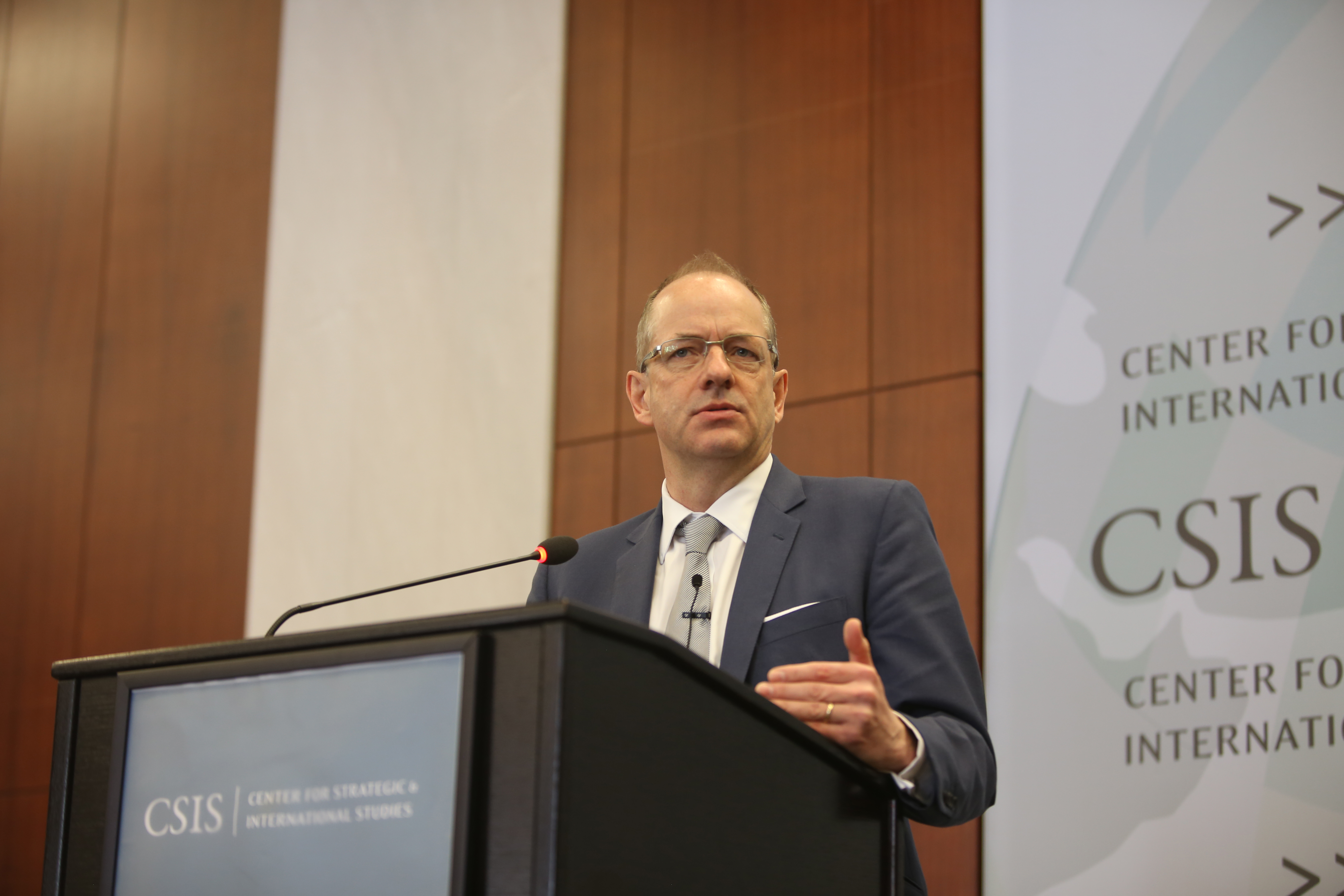
Sir Andrew Witty’s keynote address focused on the "social contract" between pharmaceutical companies and the public. He argued that the traditional perception of bio-pharma as a purely profit-driven sector was detrimental to its long-term viability. To combat this, Witty detailed GSK’s transition toward a volume-based business model rather than a purely price-based one.
A core component of his argument was the necessity of differential pricing. By lowering the cost of products in the world’s poorest nations, GSK sought to expand access while maintaining profitability through higher volumes and stable pricing in wealthier markets. Furthermore, Witty emphasized the importance of intellectual property "flexibility." He discussed the company’s support for patent pools and its willingness to allow generic manufacturers to produce versions of essential medicines for low-income countries under specific, negotiated conditions.
The disclosure of clinical trial data was framed not just as a regulatory requirement, but as a strategic asset. By making data available, Witty contended that GSK could foster a more collaborative research environment, reducing the duplication of failed experiments and accelerating the discovery of new therapeutic pathways.
Expert Perspectives: A Multidisciplinary Roundtable
Following the keynote, the conversation expanded into a roundtable discussion moderated by J. Stephen Morrison, Senior Vice President and Director of the CSIS Global Health Policy Center. The panel featured Dr. Margaret Hamburg, then-Foreign Secretary of the Institute of Medicine (now the National Academy of Medicine), and Dr. Ezekiel Emanuel, a leading expert on medical ethics and health policy from the University of Pennsylvania.
Dr. Margaret Hamburg underscored the complexity of the regulatory environment. She noted that while industry reform is vital, it must be balanced with the regulatory oversight required to ensure patient safety and drug efficacy. Her remarks highlighted the difficulty of maintaining rigorous standards while simultaneously pushing for faster access to new therapies in resource-constrained settings.
Dr. Ezekiel Emanuel brought a critical lens to the conversation, focusing on the ethical obligations of corporations within a global health framework. He challenged the industry to consider the long-term sustainability of current innovation models. Emanuel argued that the real challenge lies in creating incentives that prioritize diseases that affect the global poor—conditions often neglected by traditional R&D because they lack a lucrative commercial market.
Supporting Data and Industry Trends
Data from the period surrounding the 2016 event illustrates the magnitude of the challenge. According to the Access to Medicine Index, which tracked the efforts of the world’s largest pharmaceutical companies, the industry faced significant gaps in delivering life-saving treatments to the 2.5 billion people who lacked consistent access to essential medicines.
In 2015, global spending on medicines reached over $1 trillion, yet the disparity in access remained stark. While Western markets enjoyed rapid deployment of new therapies, many emerging economies struggled with the high cost of entry for patented drugs. The 2016 CSIS forum sought to address this by highlighting that innovation is only effective if it reaches the patient. Research suggests that for every dollar invested in pharmaceutical R&D, the potential societal return—if properly distributed—is a multiple of that figure in terms of increased labor productivity and reduced mortality. However, the mechanism of distribution remains the primary point of contention.
Implications for the Future of Bio-Pharma
The discussions held at the CSIS event in March 2016 provided a framework for what would become the "new normal" for the bio-pharmaceutical industry. The emphasis on transparency, ethics, and global equity has since become a standard expectation for companies operating on the global stage.
- Transparency as a Competitive Advantage: The move toward disclosing clinical trial results has largely become an industry standard, forcing companies to move away from "black box" research models.
- Ethics-Based Pricing: The pressure applied during the 2016 era has led to more complex, value-based pricing agreements between governments and manufacturers.
- Collaborative Research: The focus on public-private partnerships (PPPs) has grown significantly, with pharmaceutical firms increasingly working alongside NGOs and government bodies to tackle neglected tropical diseases.
The legacy of the event lies in the recognition that the bio-pharmaceutical industry cannot operate in a vacuum. As J. Stephen Morrison noted during the proceedings, the industry’s ability to "strengthen trust and confidence" is fundamentally tied to its ability to demonstrate that its innovations are for the benefit of all, not just the few.
Conclusion
The CSIS Global Health Policy Center event represented a critical inflection point in the narrative of corporate responsibility in healthcare. By bringing together industry leaders like Sir Andrew Witty with eminent policy experts like Dr. Hamburg and Dr. Emanuel, the forum moved the debate beyond simplistic critiques of drug pricing toward a more nuanced exploration of how private capital can be harnessed for public good. While the challenges of access, innovation, and affordability remain as relevant today as they were in 2016, the dialogue established at this forum set the stage for the ongoing transformation of the bio-pharmaceutical sector into a more transparent, ethically conscious, and globally integrated enterprise. As the industry continues to navigate the complexities of a post-pandemic world, the principles debated at this event—transparency, equity, and partnership—remain the essential pillars of its future success.