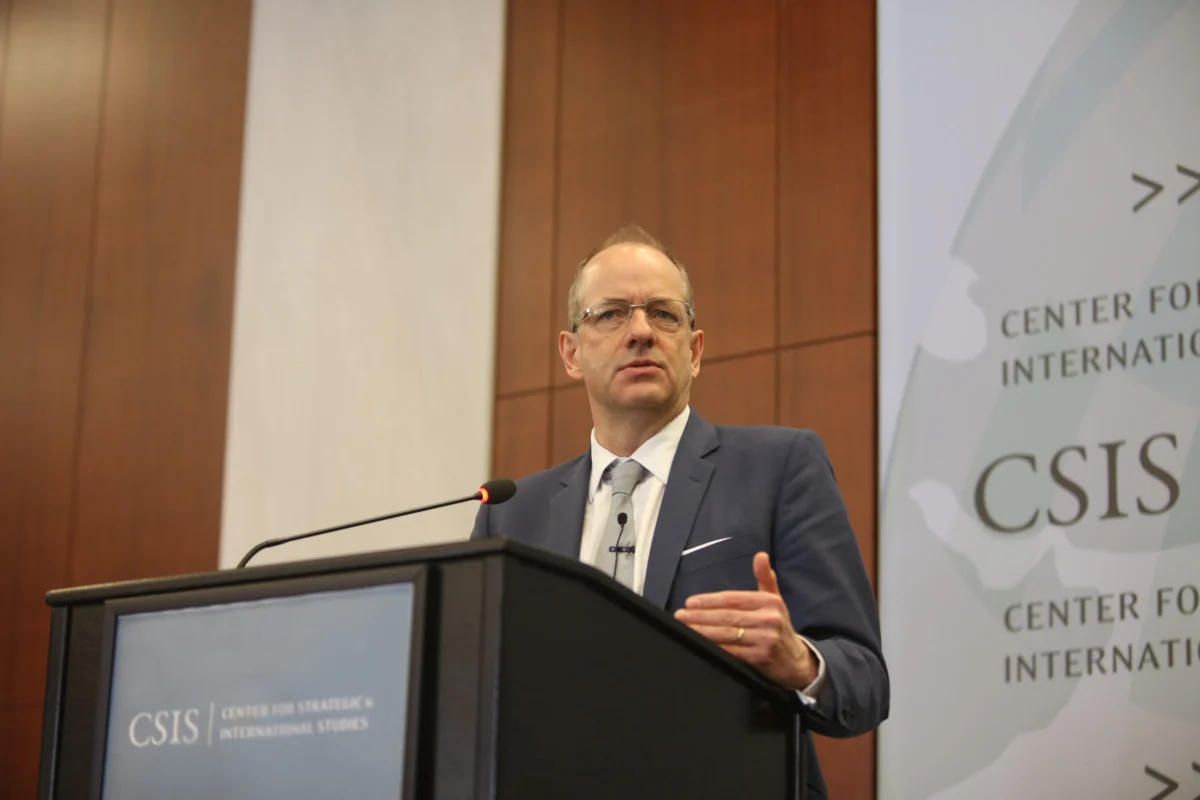
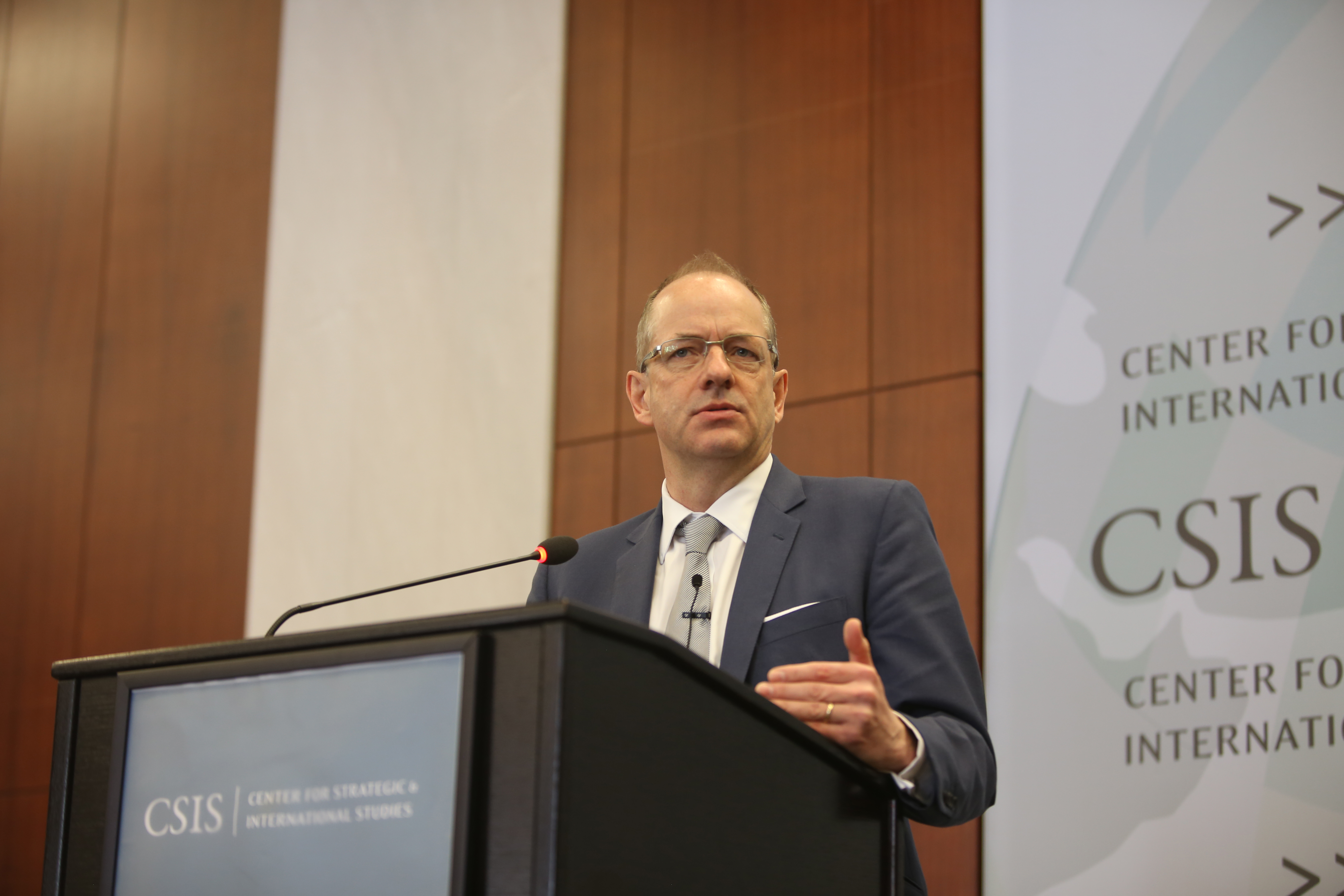
On March 17, 2016, the Center for Strategic and International Studies (CSIS) Global Health Policy Center convened a pivotal forum to address the widening chasm between the bio-pharmaceutical industry and its societal obligations. The event, held in Washington, D.C., served as a critical platform for discussing the industry’s role in balancing profit-driven innovation with the imperative of global health equity. At the center of this dialogue was Sir Andrew Witty, then-Chief Executive Officer of GlaxoSmithKline (GSK), who provided a rare, high-level glimpse into the structural reforms necessary to restore public trust in an sector often criticized for its opaque pricing, clinical data secrecy, and perceived lack of commitment to underserved populations.
The Context of the 2016 Healthcare Landscape
The 2016 forum occurred at a time of heightened scrutiny for the pharmaceutical sector. Globally, governments were grappling with the dual pressures of aging populations and the rising costs of specialty medications. In the United States, the debate over prescription drug prices had reached a fever pitch, with significant public outcry regarding the affordability of life-saving treatments. Simultaneously, the international community was looking toward the United Nations Secretary-General’s High-Level Panel on Access to Medicines, which had been established to address the policy incoherence between the rights of patent holders and the fundamental human right to health.
Sir Andrew Witty’s presence at the CSIS event was significant because he was not only representing one of the world’s largest pharmaceutical conglomerates but was also a sitting member of the UN High-Level Panel. This dual role made his keynote address a barometer for the industry’s willingness to self-regulate before facing potentially restrictive international mandates.
Chronology of Industry Reform and External Pressures
To understand the significance of the 2016 discussions, one must consider the trajectory of industry-society relations leading up to that point. In the early 2010s, the pharmaceutical industry faced intense criticism for "evergreening" patents—a practice where companies make minor modifications to existing drugs to extend their patent life and delay generic competition.
Between 2012 and 2015, major firms, including GSK, began pivoting their strategies in response to public pressure. In 2013, GSK announced a landmark commitment to disclose all clinical trial data, a move that was widely hailed by the scientific community as a necessary step toward transparency. By 2016, the conversation had shifted from simple transparency to systemic reform, focusing on how companies could decouple the necessity of high-cost R&D from the exclusionary pricing models that kept medicine out of reach for developing nations.
Keynote Insights: The GSK Transformation Model
During his keynote, Sir Andrew Witty articulated a vision for a "modernized" pharmaceutical business model. He emphasized that the long-term sustainability of the industry depended on its ability to align its commercial interests with the public good. Witty outlined four specific pillars of reform that GSK had begun implementing:
- Sales and Marketing Overhaul: GSK had moved away from individual sales targets for pharmaceutical representatives, shifting toward a model based on technical knowledge and scientific engagement. The goal was to eliminate the incentive for over-prescription and unethical marketing practices.
- Clinical Trial Transparency: Witty reaffirmed the company’s commitment to making patient-level data available to researchers, arguing that the "black box" approach to medical data was no longer tenable in an era of evidence-based policy.
- Tiered Pricing Structures: Recognizing the disparity between high-income and low-income markets, Witty championed the concept of tiered pricing, where the cost of essential medicines is adjusted based on a country’s economic development, thereby expanding reach without cannibalizing global revenue streams.
- Targeted R&D for Unmet Needs: Witty noted the necessity of investing in diseases that historically saw low R&D funding, such as malaria and tuberculosis, as part of a broader corporate social responsibility strategy.
Expert Analysis and The Roundtable Perspective
Following the keynote, a distinguished panel consisting of Dr. Margaret Hamburg, then-Foreign Secretary of the Institute of Medicine (now the National Academy of Medicine), and Dr. Ezekiel Emanuel, a renowned expert in medical ethics and health policy, engaged in a robust critique of these proposals.
Dr. Hamburg emphasized that while internal reforms by private firms were commendable, they were insufficient to address the structural issues inherent in global health systems. She pointed to the need for "regulatory convergence"—the harmonization of international standards to ensure that drugs are not only safe but accessible across borders.
Dr. Ezekiel Emanuel provided a more provocative analysis, suggesting that the industry’s focus on "social goals" was often a defensive response to the looming threat of government price controls. Emanuel argued that the real tension lay in the value-based pricing model: how do we define the value of a drug when the cost of production is disconnected from the price charged to the consumer? His contributions highlighted the complexity of the "access" debate, noting that innovation is meaningless if it is priced at a level that renders it unavailable to the majority of the population.
Data and Implications for the Future
The implications of the discussions at the CSIS event were far-reaching. At the time, data from the World Health Organization (WHO) indicated that one-third of the global population lacked regular access to essential medicines. Furthermore, a 2015 study published in The Lancet highlighted that the pharmaceutical industry’s R&D spend was heavily skewed toward lifestyle drugs, with only a fraction dedicated to the "neglected diseases" that disproportionately affected the Global South.
The 2016 CSIS forum served as a microcosm of the global health debate. The event underscored that the bio-pharmaceutical industry could no longer operate as an island of intellectual property rights. Instead, it was being forced to integrate into a global framework of social accountability. The reforms discussed by Witty—transparency, tiered pricing, and ethical sales—became the industry standard over the subsequent years, though critics argued that the progress remained incremental rather than transformative.
The Broader Impact
The legacy of this event lies in the shifting narrative of the pharmaceutical industry’s role in society. By inviting industry leaders to engage directly with policy experts and ethicists, the CSIS Global Health Policy Center facilitated a bridge between the commercial reality of drug development and the ethical mandate of global healthcare.
The themes addressed in 2016—specifically the balancing of innovation with affordability—remain the central challenge of the post-pandemic era. The COVID-19 pandemic later accelerated many of these discussions, proving that when the global stakes are high enough, the industry is capable of rapid collaboration and massive shifts in its business model. The 2016 CSIS forum was, in many ways, a precursor to the intense debates that would define the global response to the 2020 health crisis.
In summary, the session underscored that for the bio-pharmaceutical industry to maintain its social license to operate, it must treat transparency and access not as peripheral "charitable" activities, but as core components of its corporate strategy. The dialogue initiated by J. Stephen Morrison and his colleagues at CSIS continues to resonate as policymakers and health advocates navigate the ongoing tension between profit, protectionism, and the universal need for affordable, high-quality medical care. The 2016 event did not resolve these tensions, but it successfully formalized the language and the framework through which these critical issues would be negotiated for the next decade.