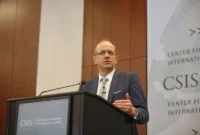

The landscape for civil society organizations (CSOs) has shifted dramatically over the past decade, moving from traditional grassroots operations to hyper-connected digital entities that hold sensitive data on vulnerable populations, political activists, and private donors. As technology integration grows, so does the risk profile of these organizations. In a recent expert discussion recorded on July 8, Filip Vagač and Lukáš Zorád from Partners for Democratic Change Slovakia (PDCS) highlighted the critical vulnerabilities currently undermining the security of the non-profit sector. Their analysis underscores a sobering reality: while software defenses are necessary, human behavior remains the primary conduit for catastrophic data breaches and financial fraud.
The Evolution of the Threat Landscape
For many civil society organizations, digital security was historically viewed as a secondary concern, secondary to mission-driven advocacy or service delivery. However, the sophistication of modern cyber threats has necessitated a shift in priorities. CSOs are increasingly targeted by state-sponsored actors, cyber-criminal syndicates, and opportunistic hackers who view them as "soft targets" with high-value data and limited cybersecurity infrastructure.
The threats identified by Vagač and Zorád include a spectrum of malicious activities, ranging from basic phishing—the practice of sending fraudulent communications that appear to come from a reputable source—to highly advanced, AI-enabled social engineering campaigns. These attacks are designed to exploit trust, a currency that is fundamental to the work of civil society. When a donor receives a fake email requesting a contribution to a familiar cause, or a staff member opens an attachment containing ransomware, the damage extends beyond the immediate loss of funds. It compromises the organization’s reputation and, in some cases, the physical safety of the individuals they support.
Chronology of Growing Risks
The urgency surrounding this issue is not theoretical. Over the last five years, several distinct trends have emerged that characterize the current risk environment for NGOs:
- 2019-2020: The rapid, unplanned shift to remote work during the COVID-19 pandemic forced many CSOs to adopt cloud-based tools and digital communication platforms overnight. This digital migration often occurred without the implementation of enterprise-grade security protocols, creating "shadow IT" environments that were rife with vulnerabilities.
- 2021-2022: The emergence of sophisticated Ransomware-as-a-Service (RaaS) models lowered the barrier to entry for cybercriminals. CSOs, particularly those involved in human rights or environmental advocacy, began to report a marked increase in targeted attacks aimed at disrupting their operations or exfiltrating sensitive donor databases.
- 2023-Present: The integration of Generative AI into the cybercrime ecosystem has fundamentally changed the game. Criminals can now use Large Language Models (LLMs) to craft perfectly articulated, personalized phishing emails that bypass traditional language-based spam filters. Furthermore, deepfake technology is being utilized to impersonate organizational leadership, leading to sophisticated financial fraud known as Business Email Compromise (BEC).
The Human Factor: The Greatest Security Variable
While technical defenses such as end-to-end encryption, firewalls, and robust network architecture are essential, Vagač and Zorád emphasized that human error remains the leading cause of security incidents. Research consistently supports this assessment. According to the Verizon Data Breach Investigations Report, the human element—including social engineering, errors, or misuse—is involved in approximately 74% of all breaches.
In the context of a civil society organization, employees and volunteers are often overworked, under-resourced, and highly trusting. This combination makes them prime targets for social engineering. An attacker does not need to crack a complex encryption algorithm if they can convince an employee to provide their login credentials via a fake login page. The PDCS discussion highlights that "digital resilience" is not merely a technical requirement; it is a cultural one. Organizations must move away from a culture of blame and toward a culture of vigilance, where reporting a suspicious email is encouraged rather than penalized.
Strengthening Organizational Resilience: Practical Steps
Strengthening an organization against these evolving threats requires a multi-layered approach. PDCS recommends several fundamental practices that any CSO, regardless of size or budget, can implement to mitigate risk:
- Mandatory Multi-Factor Authentication (MFA): This remains the single most effective barrier against account takeover. By requiring a second form of verification beyond a password, organizations can neutralize the threat of compromised credentials.
- Access Management: Adopting the "principle of least privilege" ensures that employees only have access to the specific data and systems necessary for their roles. This limits the "blast radius" should an individual account be compromised.
- Regular Staff Training: Security training should not be a one-time onboarding event. It must be continuous, engaging, and reflective of the latest threat trends. Simulated phishing exercises can help staff recognize the signs of a malicious email in a safe, controlled environment.
- Data Minimization: CSOs often hold onto data longer than necessary. Implementing strict data retention policies reduces the amount of sensitive information available to be stolen in the event of a breach.
- Incident Response Planning: Every organization should have a clear, documented protocol for what to do when a breach is suspected. Knowing who to contact, how to isolate affected systems, and how to communicate with stakeholders can mean the difference between a minor incident and a total organizational collapse.
Data Analysis: The Cost of Inaction
The implications of failing to secure digital assets are significant. Beyond the immediate financial losses—which can be devastating for organizations operating on thin, grant-based budgets—the indirect costs are often higher. Legal fees, forensic investigation costs, and the loss of institutional credibility can effectively end a CSO’s ability to function.
Furthermore, the impact on beneficiaries must be considered. In many instances, the data held by NGOs includes personal information about victims of domestic violence, political dissidents in authoritarian regimes, or marginalized communities. A breach of this data is not just a digital incident; it is a human rights violation. The responsibility to protect this data is therefore an ethical imperative, not just a technical or legal one.
Official Perspectives and Broader Implications
While the PDCS session focused on the European context, the challenges discussed are global. International organizations, including the European Union Agency for Cybersecurity (ENISA) and various civil society networks, have increasingly called for dedicated funding streams for NGO cybersecurity. There is a growing recognition that civil society serves as a pillar of democracy, and by extension, the security of the civil society sector is a matter of national and regional security.
Industry experts suggest that we are entering a phase where cybersecurity must be integrated into the core funding requirements for NGOs. Donors, whether private foundations or public entities, have a role to play in incentivizing this transition by explicitly allowing for cybersecurity expenses within grant budgets. Without this structural shift, the civil society sector remains inherently vulnerable to the escalating volatility of the digital age.
Conclusion: The Path Forward
The discussion between Filip Vagač and Lukáš Zorád serves as a critical reminder that the digital age has provided tools that are double-edged swords. While digital platforms allow NGOs to reach global audiences and mobilize support with unprecedented speed, they also provide a direct pathway for adversaries to interfere with their work.
Building resilience is an iterative, ongoing process. It requires leadership commitment, investment in training, and a fundamental shift in how organizations perceive the intersection of human behavior and technology. As the digital landscape continues to evolve, those CSOs that prioritize digital hygiene and proactive security postures will be the ones best equipped to withstand the threats of tomorrow, ensuring that their vital missions can continue without interruption or compromise. The proactive measures outlined by PDCS offer a robust starting point for any organization looking to secure its digital footprint in an increasingly hostile environment.