As Europe recalibrates its geopolitical footprint in the Indo-Pacific, the bilateral relationship between France and India stands as a singular, enduring pillar of stability. Often cited by policymakers as a gold-standard model for international cooperation, the partnership transcends mere trade agreements, evolving into a sophisticated, multi-layered alliance anchored by mutual respect for strategic autonomy. While the geopolitical landscape is characterized by volatile shifts, Paris and New Delhi have cultivated a unique rapport that balances defense-industrial integration with a shared vision for a multipolar world order. This synergy has culminated in the formal designation of a "special global strategic partnership," a status that underscores the deepening trust between the two nations despite the shifting tides of global politics.
The historical trajectory of this relationship is defined by consistency. Unlike many Western powers that frequently oscillate between alignment and confrontation, France has served as a reliable interlocutor for India since the Cold War era. A defining moment occurred in 1998, when India conducted a series of nuclear tests. While the United States and other Western nations led a push for international sanctions, France remained the notable outlier, opting for diplomatic engagement over punitive measures. This decision cemented France’s reputation in New Delhi as a "trusted, consistent, and strong" partner. This legacy of trust has provided the necessary foundation for the current era of deepened military and technological cooperation, a period punctuated by French President Emmanuel Macron’s visits and the strengthening of high-level diplomatic channels.
The cornerstone of this partnership is undoubtedly the defense sector. France is currently India’s second-largest defense supplier, a position it has occupied for decades by providing everything from fighter jets to cutting-edge submarine technology. The relationship has evolved significantly from the early post-independence era, when India’s military hardware was predominantly Soviet-sourced. Under Prime Minister Indira Gandhi in the 1980s, India initiated a deliberate policy of diversifying its defense imports, seeking a more balanced portfolio. Paris stepped into this void, establishing a long-term defense-industrial partnership that persists today.
Data from the Stockholm International Peace Research Institute (SIPRI) reflects this trend, confirming that India remains the world’s largest consumer of French defense materiel. Crucially, the nature of this collaboration is shifting. The era of a simple buyer-seller arrangement is rapidly yielding to a model of co-development and co-production. Recent initiatives, such as the localization of aeroengine production by Safran and the construction of Scorpène-class submarines within India, illustrate a commitment to the "Make in India" initiative. This willingness to share sensitive intellectual property and facilitate local manufacturing is a point of divergence between France and other major powers, often exceeding the technology-transfer thresholds offered by the United States or Russia.
Beyond hardware, the two nations have established deep-seated operational cooperation. Intelligence sharing, joint military exercises across the Indo-Pacific, and regular interaction between the French and Indian space commands suggest a level of operational integration that is rare among non-allied nations. This is underpinned by a shared, functional definition of strategic autonomy. Both nations view sovereignty as the ability to exercise foreign policy decision-making without external coercion, and both prioritize the protection of strategic assets. However, they maintain a crucial distinction: France operates within the frameworks of NATO and the European Union, while India maintains a policy of "multi-alignment," refusing to join formal military blocs. This divergence, rather than being a point of contention, serves as a pragmatic buffer that allows both nations to navigate a complex, multipolar environment.
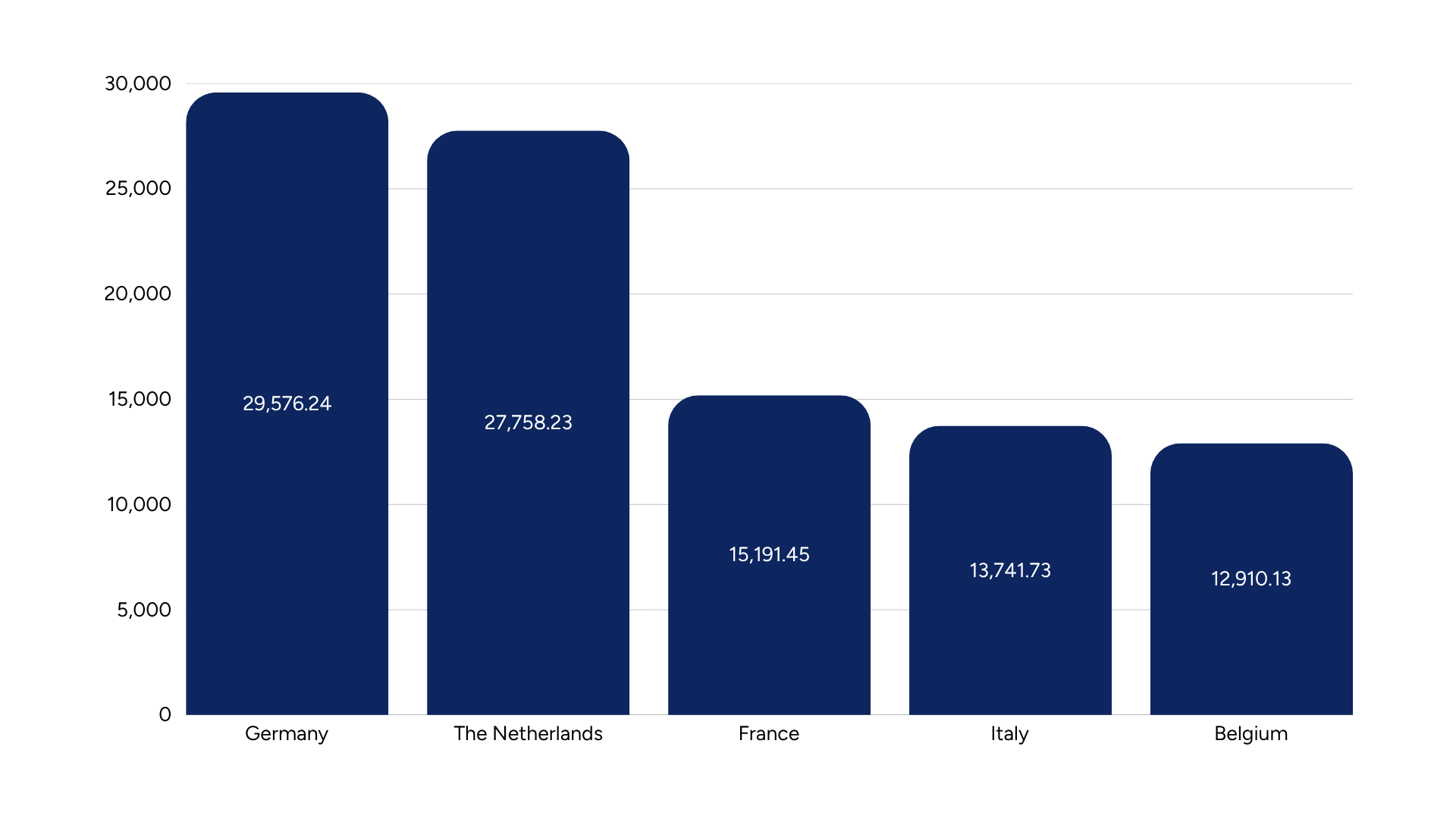
Despite the strength of the defense pillar, policymakers in both Paris and New Delhi are acutely aware of the need to broaden the base of their cooperation. Economic and trade ties, while robust, have not historically matched the intensity of military-strategic relations. Statistics indicate that French corporate presence in India—while represented by major CAC 40 firms—remains lower than that of German or Dutch counterparts. An internal assessment from the Indian Ministry of Commerce suggests that the "French brand" in India is still largely pigeonholed into luxury goods and legacy defense platforms. To rectify this, both nations have designated 2026 as the "Year of Innovation," an initiative aimed at fostering cross-pollination between India’s burgeoning start-up ecosystem and France’s high-tech sector. The "Bharat Innovates" event in Nice, which showcased 120 Indian start-ups, serves as a template for this new, tech-driven phase of the relationship.
The energy sector is another critical frontier. The implementation of the "Shanti Law," which facilitates private-sector participation in India’s nuclear energy industry, has created a significant opening for French energy giants like Total and Engie. As India seeks to diversify its energy mix and transition toward cleaner power, French expertise in nuclear and renewable energy is viewed as an essential catalyst for the country’s industrial growth.
However, the partnership is not without its occasional friction. Geopolitical realities sometimes lead to diverging responses to regional crises. A pertinent example was the situation surrounding the Strait of Hormuz. France had anticipated that India, as a major energy importer with direct equities in the region, would take a more active role in efforts to secure maritime traffic. New Delhi, conversely, opted for a more cautious approach, prioritizing its own regional diplomatic calculations. Similarly, there were quiet expectations in Paris that India might pivot more sharply toward France during periods of instability in US-India relations. Indian officials have consistently maintained that while France is a critical partner, it cannot—and should not—serve as a replacement for the United States. New Delhi’s doctrine is characterized by a "US and" model rather than a "US or" model, reinforcing its commitment to a diversified strategic portfolio.
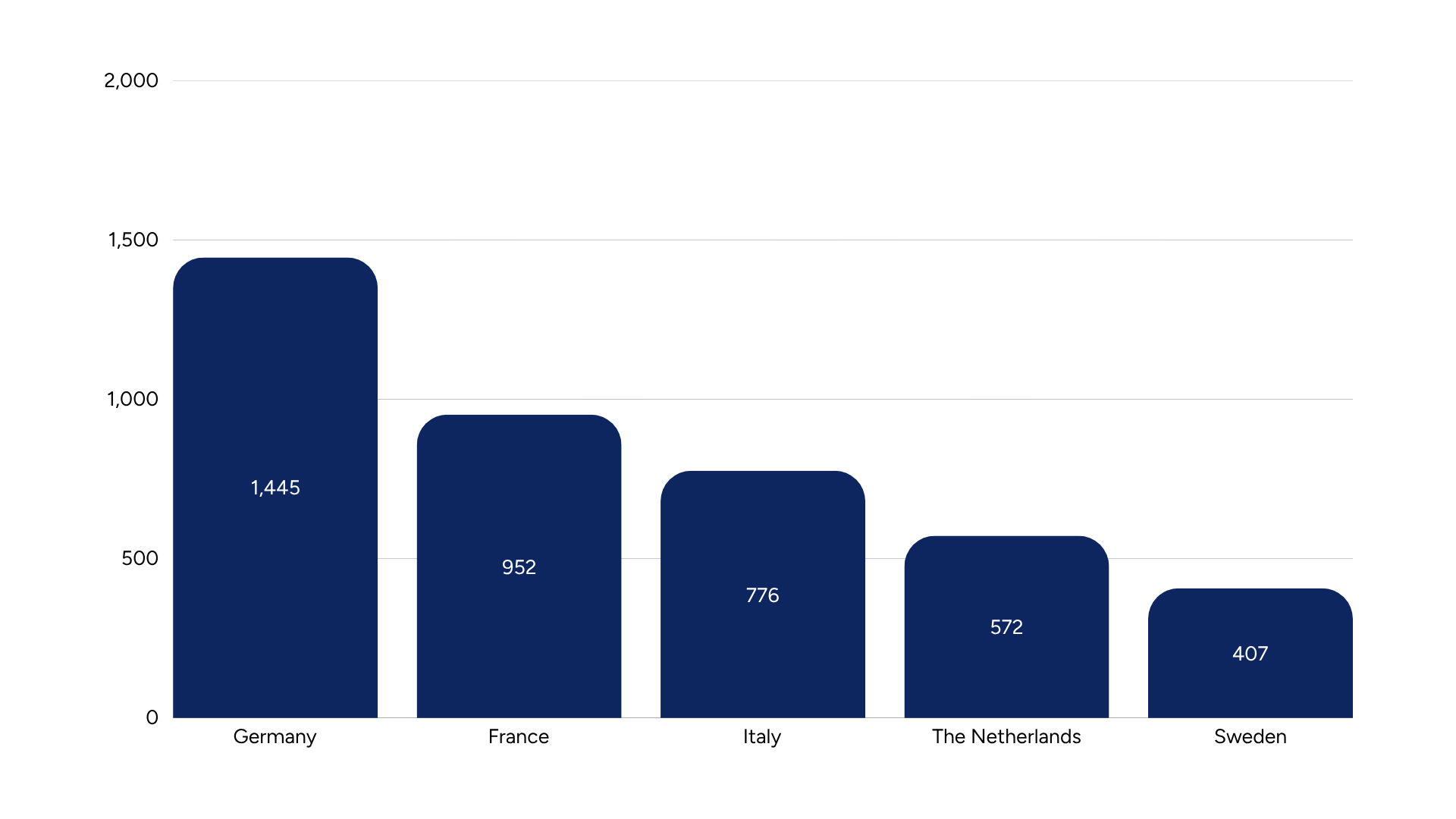
Looking toward 2027, the prospect of domestic political transitions in France introduces an element of uncertainty. With President Macron’s second term concluding, observers are questioning whether the current intensity of the bilateral relationship can survive a potential change in the French government. Historically, the France-India relationship has demonstrated remarkable resilience across different administrations. The fact that Jean-Philippe Tanguy of the Rassemblement National (RN) has served as the president of the France-India friendship group in the National Assembly suggests that there is a degree of institutionalized continuity that transcends party lines. Indian diplomatic circles remain confident, noting that New Delhi has successfully managed transitions in Paris for decades and remains well-positioned to engage with whichever political faction assumes power.
The implications of this relationship are far-reaching. As the global order shifts toward multipolarity, the India-France partnership serves as a vital bridge between the established powers of Europe and the rising influence of the Global South. By prioritizing sovereign decision-making and practical, sector-specific cooperation—ranging from AI and space security to defense manufacturing—the two nations are effectively creating a template for middle-power diplomacy. The consistency of this relationship is further highlighted by the frequent selection of French Presidents as guests of honor at India’s Republic Day parades, a symbolic gesture that reinforces the special status France holds in the Indian strategic imagination.
Ultimately, the trajectory of this partnership will be defined by its ability to scale beyond the defense-industrial core. The shift toward digital integration, energy transition, and human-capital exchange will determine whether the relationship can remain as relevant in the next two decades as it has been in the last. While challenges remain—particularly regarding trade volume and people-to-people connectivity—the foundation of trust and the shared commitment to strategic autonomy ensure that the France-India partnership will remain a critical variable in the geopolitical calculus of the 21st century. As the next phase of this engagement unfolds, the focus will likely remain on translating high-level strategic convergence into tangible, grassroots-level economic outcomes, ensuring that the "special global strategic partnership" delivers measurable dividends for both societies.