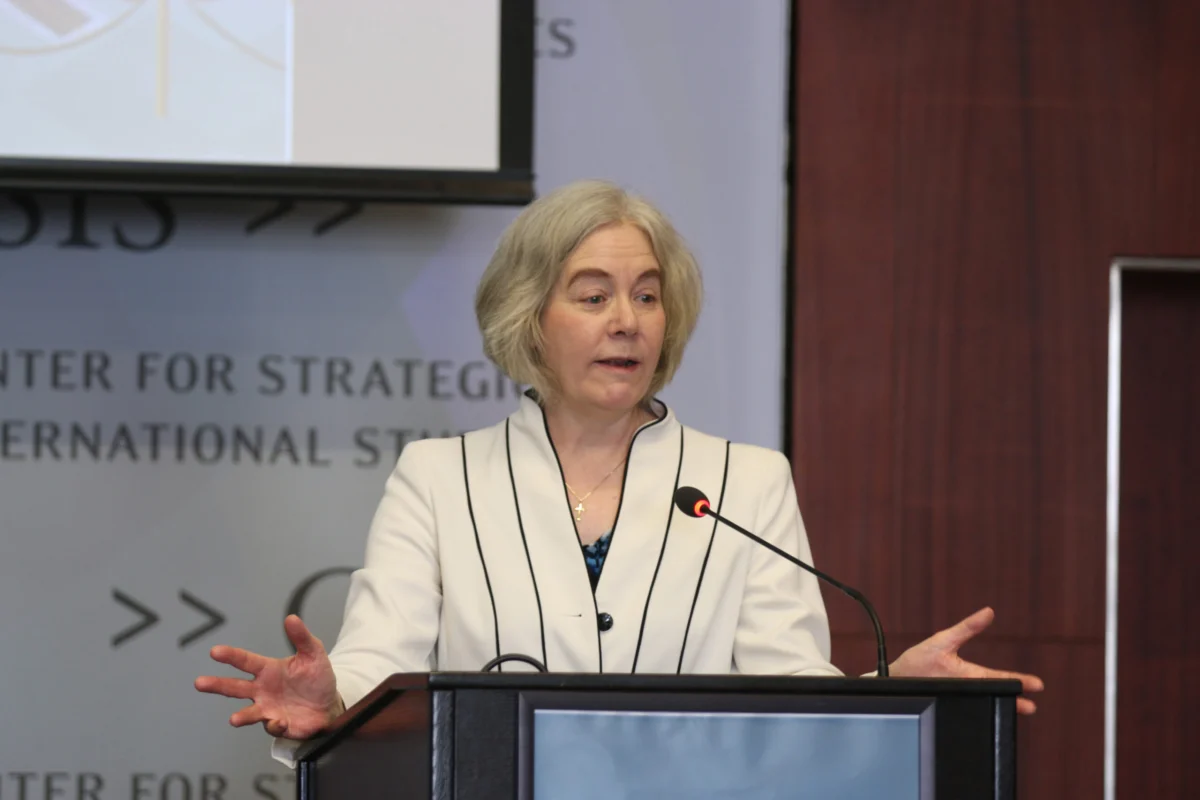
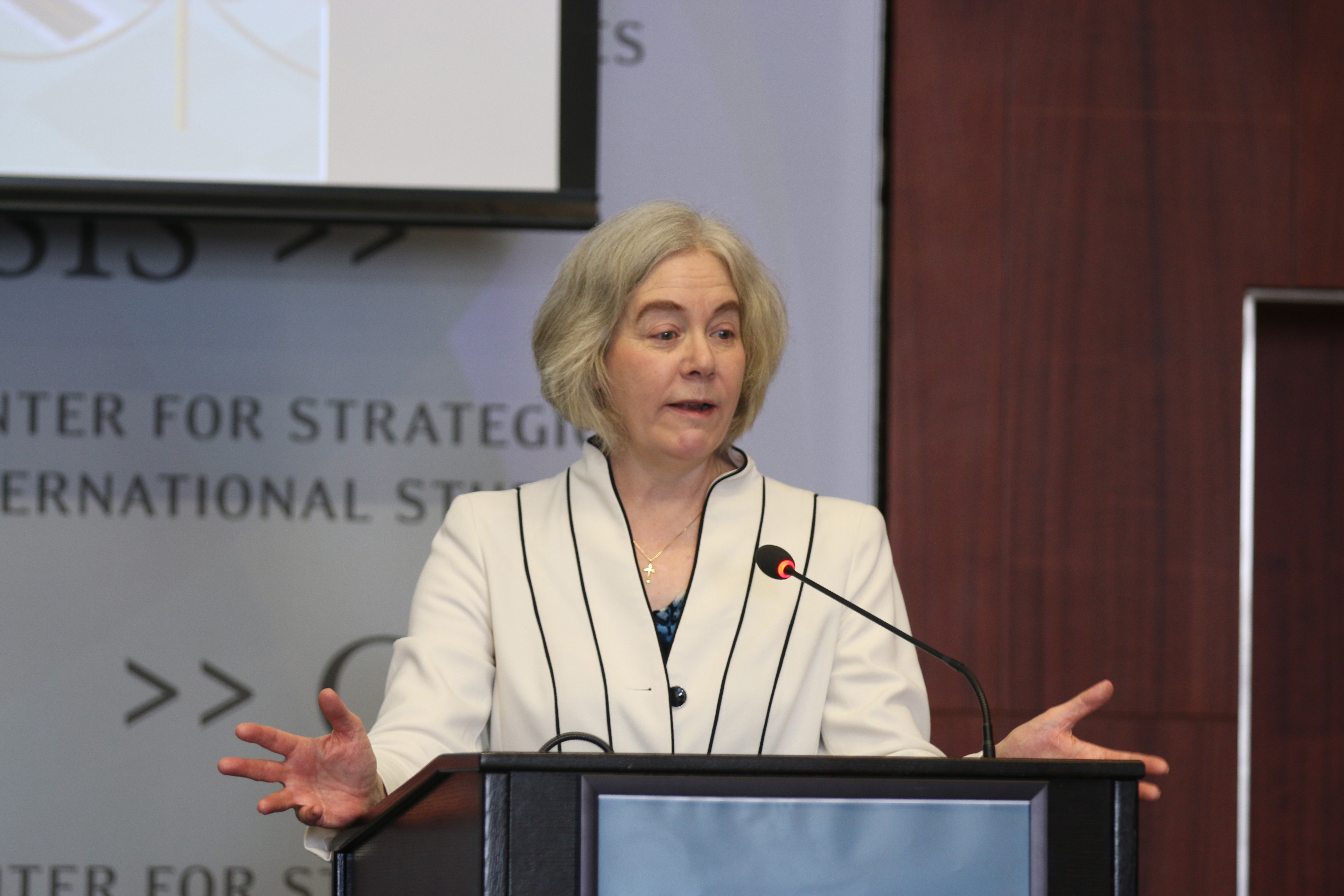
On March 10, 2016, from 10:00 to 11:30 AM EST, the Center for Strategic and International Studies (CSIS) Energy and National Security Program hosted a pivotal discussion on the evolving landscape of the electric grid, featuring Dr. Ellen Williams, the Director of the Advanced Research Projects Agency—Energy (ARPA-E). The event, moderated by Frank O’Sullivan, Senior Associate at CSIS and Director of Research and Analysis at the MIT Energy Initiative, with introductory remarks by Sarah Ladislaw, Director and Senior Fellow at CSIS, delved into ARPA-E’s strategic priorities for 2016, with a particular emphasis on grid management and energy storage technologies.
The electric grid, a complex and aging infrastructure, stands at a critical juncture, facing unprecedented challenges and opportunities. As the United States and the world grapple with increasing demand for electricity, the integration of diverse and often intermittent renewable energy sources, and the imperative to enhance grid resilience and security, the need for innovative technological solutions has never been more pronounced. ARPA-E, an agency established by Congress in 2007, operates with a mandate to identify and foster disruptive technologies that could fundamentally change the energy landscape, preventing the United States from facing a future energy crisis. Its approach is characterized by funding high-risk, high-reward projects that have the potential for transformative impact, often bridging the gap between early-stage research and commercial viability.
Dr. Williams, at the helm of ARPA-E, articulated the agency’s vision for addressing these complex issues. Her remarks underscored the significant role that technological advancements in grid management and storage play in shaping a more reliable, efficient, and sustainable energy future. The discussion was framed against the backdrop of a global push for energy innovation, highlighted by initiatives like Mission Innovation, a global endeavor launched in parallel with the Paris Agreement, which aims to double public investment in clean energy research and development over five years. ARPA-E’s focus on grid modernization aligns directly with these broader international efforts, positioning the United States at the forefront of energy technology development.
ARPA-E’s Strategic Focus on Grid Modernization
The electric grid, a cornerstone of modern society, is a vast network of power plants, transmission lines, and distribution systems that deliver electricity to homes and businesses. Its current infrastructure, largely built in the mid-20th century, is increasingly strained by the demands of the 21st century. These demands include the growing integration of distributed energy resources (DERs) such as solar panels and wind turbines, which can be intermittent and require sophisticated management; the increasing prevalence of electric vehicles, which add new load patterns; and the ever-present threat of cyberattacks and extreme weather events.
ARPA-E’s strategy, as outlined by Dr. Williams, prioritizes technologies that can address these multifaceted challenges. Key areas of focus for 2016 included:
Grid Management and Control Systems
Effective grid management is crucial for maintaining the balance between electricity supply and demand in real-time. This involves sophisticated forecasting, load balancing, and the ability to rapidly respond to disruptions. ARPA-E’s investment in this area aims to develop technologies that can enhance grid visibility, enable more precise control over power flows, and facilitate the integration of diverse energy sources. This could involve advanced sensors, data analytics, and artificial intelligence algorithms that can predict grid behavior and optimize operations. The goal is to move towards a "smarter" grid, capable of adapting to changing conditions and minimizing outages.
Energy Storage Solutions
The intermittency of renewable energy sources like solar and wind poses a significant challenge to grid stability. Energy storage technologies offer a solution by allowing excess energy generated during periods of high production to be stored and then discharged when demand is high or production is low. ARPA-E has been a significant investor in a wide range of energy storage research, from advanced battery chemistries to novel mechanical and thermal storage systems. For 2016, the focus was on scaling up promising technologies, reducing costs, and improving the performance and longevity of storage solutions. This includes exploring grid-scale storage systems that can support the entire grid, as well as distributed storage that can provide localized backup and grid services.
Interconnection and Integration of Distributed Energy Resources (DERs)
The rise of DERs, such as rooftop solar panels and small-scale wind turbines, presents both opportunities and challenges for grid operators. While they can enhance energy independence and reduce reliance on large, centralized power plants, their integration into the existing grid requires new protocols and technologies to ensure seamless operation. ARPA-E’s work in this area focuses on developing the "plumbing" and "intelligence" needed to effectively connect and manage these distributed resources, enabling them to contribute to grid stability rather than destabilizing it.
Cybersecurity for the Grid
As the grid becomes more digitized and interconnected, its vulnerability to cyberattacks increases. Protecting critical energy infrastructure from malicious actors is paramount. ARPA-E’s research in this domain seeks to develop advanced cybersecurity solutions that can detect, prevent, and mitigate cyber threats, ensuring the continued reliable operation of the grid. This involves developing resilient communication networks, secure control systems, and advanced threat detection mechanisms.
Contextualizing ARPA-E’s Role in the Energy Landscape
The establishment of ARPA-E in the wake of the 2005 energy bill was a direct response to concerns about U.S. energy security and economic competitiveness. Following the energy crises of the 1970s and a perceived slowdown in energy innovation, policymakers recognized the need for a dedicated agency focused on breakthrough energy technologies, mirroring the success of the Defense Advanced Research Projects Agency (DARPA) in fostering transformative defense technologies.
ARPA-E’s operational model is distinct from traditional research funding. It focuses on identifying high-potential, but often overlooked, areas of research and then launching specific "programs" designed to achieve ambitious technological goals within a defined timeframe. These programs are structured to encourage collaboration among universities, national laboratories, and private companies, fostering a dynamic ecosystem of innovation.
The year 2016 was particularly significant for global energy policy, marked by the landmark Paris Agreement on climate change, which committed nations to reducing greenhouse gas emissions. Initiatives like Mission Innovation, launched in conjunction with the agreement, signaled a global commitment to accelerating clean energy R&D. ARPA-E’s work in grid modernization and energy storage directly contributes to these global efforts, aiming to develop the technologies necessary for a low-carbon energy future.
Key Participants and Their Contributions
The expertise of the featured participants was central to the discussion’s depth and relevance.
Dr. Ellen Williams, as Director of ARPA-E, brought a strategic perspective on the agency’s mission and its role in driving technological innovation. Her leadership was instrumental in shaping ARPA-E’s program portfolio, including its investments in grid technologies. Her focus on incubating new energy technologies reflects a forward-looking approach to national energy challenges.
Sarah Ladislaw, Director and Senior Fellow at CSIS’s Energy and National Security Program, provided essential context for the discussion. Her work at CSIS involves analyzing energy policy, markets, and security, offering a broad understanding of the geopolitical and economic factors influencing energy transitions. Her introductory remarks likely framed the significance of grid modernization within the broader context of national security and economic stability.

Frank O’Sullivan, Senior Associate at CSIS and Director of Research and Analysis at the MIT Energy Initiative, brought a deep technical and analytical perspective to the discussion. His affiliation with MIT, a leading institution in energy research, and his role at the MIT Energy Initiative, which focuses on translating research into practical solutions, suggest a nuanced understanding of the technical challenges and market dynamics associated with grid technologies. His moderation ensured a focused and insightful exchange.
Broader Impact and Implications
The discussions held at this CSIS event have significant implications for the future of the U.S. energy sector and beyond. Investments in grid modernization and energy storage are not merely about improving the delivery of electricity; they are foundational to achieving a range of national objectives:
Enhanced Energy Security and Resilience
A modern, resilient grid is less susceptible to disruptions from natural disasters, cyberattacks, or equipment failures. This improved resilience is critical for national security, ensuring the continuous operation of essential services and the economy. The ability to quickly restore power and manage localized outages through distributed resources can significantly mitigate the impact of unforeseen events.
Economic Growth and Competitiveness
The development and deployment of advanced grid technologies can spur economic growth by creating new industries, jobs, and export opportunities. The United States has a strong track record in energy innovation, and continued investment in areas like grid management and storage can solidify its leadership in the global energy market. This also translates to lower energy costs for consumers and businesses.
Decarbonization and Climate Change Mitigation
The transition to a low-carbon energy system is heavily dependent on a modernized grid capable of integrating large amounts of renewable energy. Advanced grid management and storage technologies are essential enablers of this transition, allowing for the increased use of solar, wind, and other clean energy sources while maintaining grid stability. This directly contributes to meeting climate change goals.
Innovation and Technological Advancement
ARPA-E’s approach of funding high-risk, high-reward projects fosters a culture of innovation that can lead to unexpected breakthroughs. The technologies developed through ARPA-E programs have the potential to not only transform the energy sector but also to find applications in other industries, driving broader technological advancement. The focus on "disruptive" technologies implies a long-term vision for energy systems that are fundamentally different from today’s.
The discussion on March 10, 2016, served as a vital platform for understanding the strategic direction of ARPA-E and its critical role in shaping the future of the electric grid. As the energy landscape continues to evolve, the innovations nurtured by agencies like ARPA-E will be crucial in ensuring a secure, reliable, affordable, and sustainable energy future for the United States and the world. The event highlighted a proactive approach to addressing the complex energy challenges of the 21st century, emphasizing the power of targeted research and development to drive transformative change.