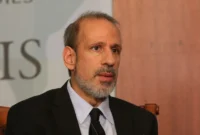
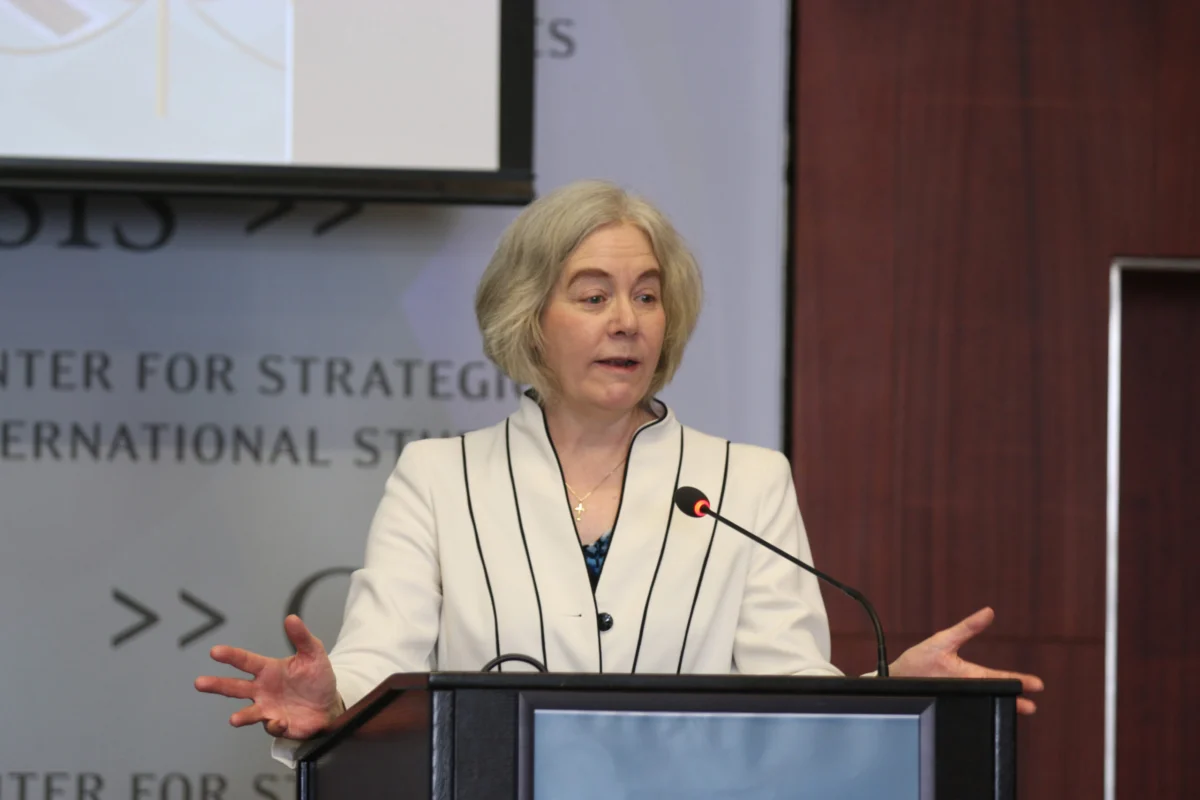
The modernization of the United States electric grid and the vital role of federal research in advancing next-generation energy technologies took center stage on March 10, 2016, during a high-profile event hosted by the Center for Strategic and International Studies (CSIS). The discussion, held at the organization’s headquarters in Washington, D.C., featured Dr. Ellen Williams, Director of the Advanced Research Projects Agency-Energy (ARPA-E) within the U.S. Department of Energy. Industry leaders, researchers, and policymakers gathered to examine how emerging technological breakthroughs can address the mounting vulnerabilities of America’s aging electrical infrastructure and accelerate the transition toward a cleaner, more resilient power sector.
The event, titled "The Future of the Grid – A View from ARPA-E," provided a comprehensive look into the strategic priorities of the federal agency tasked with funding high-risk, high-reward energy research. With global energy demands shifting and the existential threat of climate change necessitating aggressive technological deployment, the discussions underscored the urgency of bridging the gap between laboratory innovations and commercial market implementation.
Background and Context: The Imperative for Grid Modernization
The American electrical grid, largely constructed in the mid-20th century, has long been hailed as one of the greatest engineering achievements of the modern era. However, the legacy infrastructure faces unprecedented contemporary challenges. Designed primarily for unidirectional power flow—from large, centralized fossil-fuel or nuclear power plants to passive consumers—the traditional grid struggles to integrate the decentralized, intermittent nature of modern renewable energy sources such as wind and solar.
Compounding these structural challenges are rising concerns regarding cybersecurity vulnerabilities, extreme weather events driven by climate change, and steadily increasing electricity demand fueled by data centers, electric vehicles, and industrial electrification. Recognizing these systemic pressures, the U.S. government established ARPA-E in 2007 (modeled after the Defense Advanced Research Projects Agency, or DARPA) to fund transformative technologies that industry alone might deem too speculative or financially risky to pursue independently.
Against this backdrop, Dr. Williams’s address at CSIS served as a critical update on how federal funding is being deployed to tackle the most stubborn bottlenecks in energy technology, specifically focusing on grid management architecture and energy storage capacities.
Opening Remarks and Panel Dynamics
The morning event commenced at 10:00 a.m. EST with introductory remarks delivered by Sarah Ladislaw, Director and Senior Fellow of the CSIS Energy and National Security Program. Ladislaw framed the discussion within the broader context of national security and economic competitiveness, emphasizing that the resilience of the nation’s energy supply is inextricably linked to technological leadership.
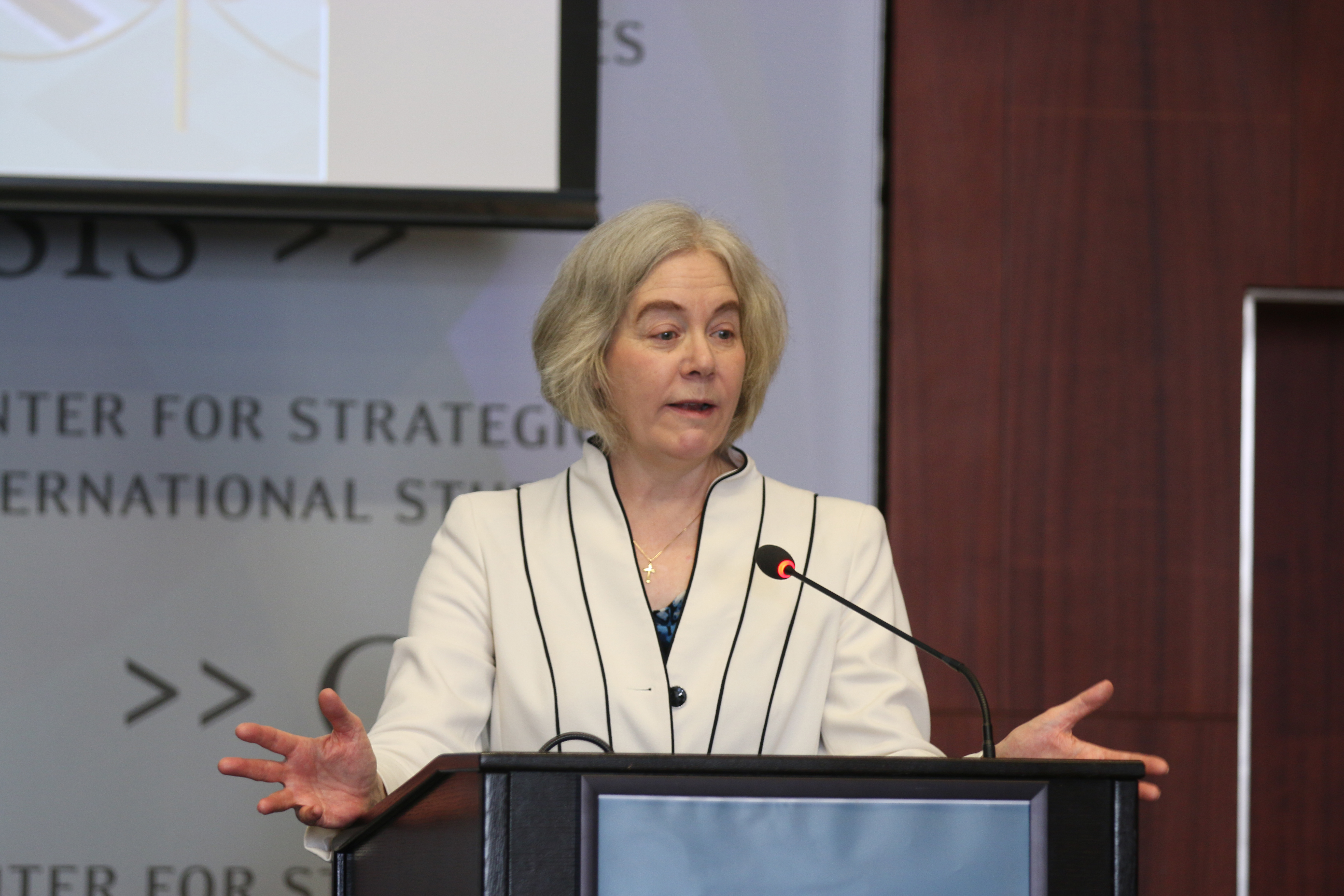
Following the introduction, Dr. Williams took the floor to outline ARPA-E’s strategic roadmap for 2016. She highlighted several focal points of the agency’s research portfolio, placing special emphasis on advanced grid management systems and scalable, cost-effective energy storage solutions. Williams noted that while generation technologies—such as photovoltaic solar panels and wind turbines—have experienced dramatic cost reductions and widespread deployment over the preceding decade, the supporting transmission and distribution infrastructure has lagged behind.
The formal presentation transitioned into a moderated discussion led by Francis O’Sullivan, Director of Research and Analysis at the MIT Energy Initiative and a Senior Associate with the CSIS Energy and National Security Program. O’Sullivan guided the conversation through complex technical and economic terrain, pressing Dr. Williams on how ARPA-E measures success in its portfolio and how the agency coordinates with private venture capital firms to commercialize federally backed breakthroughs.
Core Themes: Grid Management, Storage, and Mission Innovation
During her keynote presentation and subsequent discussion, Dr. Williams elaborated on the specific technological frontiers where ARPA-E was directing its resources in 2016.
1. Next-Generation Energy Storage
One of the most persistent hurdles in modernizing the electrical grid is the absence of cheap, durable, and highly scalable energy storage. Because electricity must be generated and consumed in real-time, the large-scale integration of intermittent renewables requires robust storage mechanisms to smooth out supply fluctuations. Williams discussed ARPA-E’s ongoing investments in novel battery chemistries, flow batteries, and thermal storage systems designed to store electricity efficiently over durations ranging from a few hours to several days. She emphasized that reducing the levelized cost of storage is the single most critical factor in enabling a high-penetration renewable grid.
2. Advanced Grid Management and Software Control
Managing a modern grid requires unprecedented levels of situational awareness and automated control. Traditional grid operators rely on supervisory control and data acquisition (SCADA) systems that, while reliable, lack the speed and agility needed to manage millions of distributed energy resources (DERs)—including rooftop solar panels, smart thermostats, and electric vehicle chargers. Williams highlighted ARPA-E programs focused on developing advanced software algorithms, high-speed sensors, and decentralized control architectures. These innovations aim to give grid operators real-time visibility and automated response capabilities to maintain stability in the face of sudden disruptions or cyber threats.

3. The Launch of Mission Innovation
A major highlight of Dr. Williams’s address was the integration of ARPA-E’s mission with international frameworks, notably the "Mission Innovation" initiative. Launched globally at the COP21 climate conference in Paris just months prior in late 2015, Mission Innovation represented a landmark commitment by 20 countries—including the United States—to double their respective government investments in clean energy research and development over a five-year period. Williams explained how ARPA-E would leverage these expanded resources to accelerate cross-border technological partnerships and drive down the cost of clean energy worldwide.
Chronology of the Event
- 10:00 AM EST: The event officially opens with introductory remarks by Sarah Ladislaw, setting the strategic and national security context for energy innovation.
- 10:15 AM EST: Dr. Ellen Williams takes the stage to deliver her keynote address, detailing ARPA-E’s 2016 priorities, including grid management, storage breakthroughs, and the implementation of Mission Innovation.
- 10:45 AM EST: A moderated discussion begins, led by Francis O’Sullivan, exploring the challenges of technology transfer, market adoption, and public-private sector collaboration.
- 11:15 AM EST: An interactive question-and-answer session engages policymakers, industry experts, and members of the press in attendance.
- 11:30 AM EST: The event concludes with final remarks from the moderators.
Supporting Data and Industry Landscape
To contextualize the urgency of ARPA-E’s mission in 2016, industry analysts frequently point to several converging macroeconomic and technical trends of the era:
- Investment Scaling: Between ARPA-E’s inception in 2007 and 2016, the agency had invested approximately $1.3 billion across more than 400 energy technology projects, spawning dozens of new startup companies and attracting billions in subsequent private-sector follow-on funding.
- Renewable Growth vs. Grid Constraints: According to U.S. Energy Information Administration (EIA) data from the mid-2010s, wind and solar generation were expanding at double-digit annual percentage rates, rapidly increasing their share of total U.S. electricity generation. However, transmission capacity additions remained relatively stagnant, growing at less than 2% annually, highlighting a widening infrastructure gap.
- Storage Cost Trajectory: In 2016, lithium-ion battery pack prices were hovering around $270 per kilowatt-hour (kWh)—a significant drop from previous decades, yet still above the threshold required for ubiquitous, cost-effective grid-scale deployment without subsidies. ARPA-E’s targeted funding aimed to bypass traditional lithium-ion limitations entirely through alternative foundational chemistries.
Broader Impact and Implications
The insights shared by Dr. Williams at CSIS underscored a fundamental shift in how federal agencies approach energy policy and infrastructure development. Rather than picking individual commercial winners or subsidizing mature technologies, ARPA-E’s mandate is explicitly designed to operate at the far edge of scientific possibility—taking high-risk bets on unproven concepts that could fundamentally alter the energy landscape if successful.
The emphasis on grid management and storage addressed a growing consensus among energy economists and engineers: that generation capacity alone is insufficient for a low-carbon future. Without a smart, resilient, and flexible transmission and distribution network, the potential of renewable energy remains severely bottlenecked. Furthermore, the alignment of ARPA-E with international frameworks like Mission Innovation signaled a recognition that climate change and energy security are global challenges requiring coordinated multilateral research efforts.
Ultimately, the March 2016 CSIS discussion provided a vital window into the mechanics of American technological innovation. By spotlighting the synergy between rigorous federal research funding and private-sector ingenuity, the event highlighted the ongoing efforts to engineer a secure, efficient, and sustainable electrical grid for the 21st century and beyond.