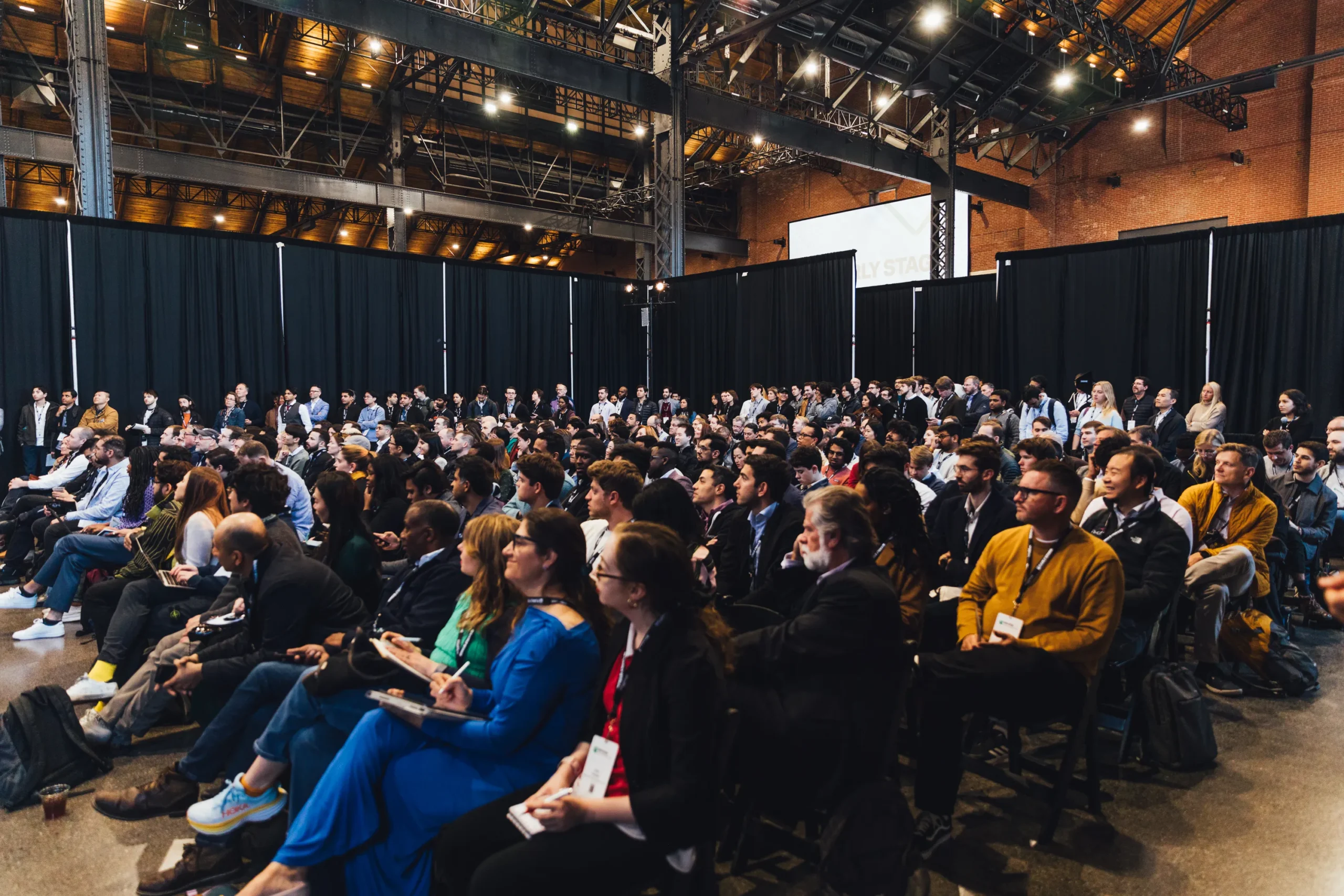
With only four days remaining until the doors open at Boston’s historic SoWa Power Station, the TechCrunch Founder Summit 2026, presented by Fidelity Private Shares, is entering its final preparatory phase. Scheduled for November 4, the event aims to disrupt traditional, haphazard networking models by introducing structured, intentional engagement formats designed to foster genuine collaboration between early-stage founders, venture capitalists, and industry operators. As ticket prices are set to rise imminently, organizers are highlighting a slate of programming that prioritizes measurable outcomes over casual encounters in crowded rooms.
The modern startup ecosystem is characterized by an overabundance of generic networking opportunities. Traditional tech conferences frequently subject attendees to large, unfocused gatherings where meaningful connections are left entirely to chance. Recognizing this inefficiency, the TechCrunch Founder Summit has structured its 2026 iteration around precision networking. The core thesis of the event posits that the trajectory of a startup can be fundamentally altered by a single targeted conversation, making the facilitation of high-intent meetings a primary operational objective.
At the center of this strategy is the Founder Summit Networking Lounge, powered by Braindate. This dedicated space moves away from passive mingling by allowing participants to proactively schedule one-on-one and small-group discussions centered on hyper-specific operational hurdles. Attendees are encouraged to arrive with defined inquiries, share their hard-earned operational insights, and seek out peers wrestling with identical market dynamics. By shifting the networking paradigm toward collaborative problem-solving, the summit attempts to replicate the intellectual rigor of a masterclass within a peer-to-peer framework.
Bridging On-Stage Content with Off-Stage Execution

A persistent critique of professional conferences is the disconnect between keynote presentations and the peripheral networking activities that follow. The TechCrunch Founder Summit seeks to bridge this gap by using on-stage programming as a direct catalyst for off-stage dialogue. Conversations initiated during keynote panels and tactical workshops are intended to flow naturally into the lounge, roundtables, and breakout rooms.
For instance, when industry leaders such as venture capitalist Kent Bennett take the stage to dissect the nuances of achieving true product-market fit, attendees immediately transition into focused environments to debate those frameworks with fellow founders facing similar scaling bottlenecks. Similarly, sessions featuring live pitch reviews, where entrepreneurs present their value propositions directly to seasoned investors, serve as practical case studies. Observers can immediately migrate to structured peer circles to compare fundraising strategies, valuation expectations, and pitch deck architectures with contemporaries currently preparing for an institutional capital raise.
Local ecosystem dynamics also occupy a prominent place on the agenda. Discussions led by figures like Chase Garbarino regarding the unique opportunities and systemic challenges of building and scaling a technology enterprise in Boston provide localized context. Founders can subsequently connect with regional peers who understand the specific talent pools, academic partnerships, and venture capital networks native to the New England tech corridor.
An Immersive Ecosystem Across Multiple Formats
The architecture of the Founder Summit extends far beyond a single networking lounge. Organizers have curated a multi-tiered environment where engagement occurs across various formats, ensuring that attendees with different communication preferences can find productive avenues for connection.

Roundtable discussions offer intimate, topic-driven forums where niche sectors—ranging from artificial intelligence infrastructure to enterprise software-as-a-service (SaaS)—can be deeply explored under the guidance of moderators. Breakout sessions provide a crucial feedback loop, allowing audience members to directly question on-stage panelists in smaller, more responsive settings. Meanwhile, the Expo Hall functions as a dynamic marketplace where founders can evaluate partner technologies, secure operational services, and interface directly with corporate sponsors.
As the formal programming concludes, the closing reception offers a transition into an unstructured environment where investors, founders, and operators can solidify relationships established throughout the day. Furthermore, the summit’s footprint extends beyond the physical boundaries of the SoWa Power Station. Official side events hosted across Boston throughout the week create an extended runway for relationship-building, maximizing the return on investment for out-of-town participants who travel to the city for the conference.
Economic Backdrop and the Importance of Strategic Capital
The timing of the 2026 Founder Summit coincides with a maturing venture capital landscape. Following years of macroeconomic volatility, rising interest rates, and a necessary market correction in startup valuations, investors have grown increasingly selective. Seed and Series A funding rounds now demand rigorous proof of capital efficiency, clear paths to profitability, and resilient product-market fit rather than raw top-line growth at all costs.
In this economic climate, the value of peer networks and direct access to seasoned investors cannot be overstated. Founders navigating compressed funding timelines require actionable intelligence on how to structure burn rates, retain top-tier talent, and navigate complex term sheets. Events that facilitate peer-to-peer mentorship provide a vital support system for entrepreneurs operating in high-pressure environments. By fostering transparency around the realities of fundraising and business building, the summit addresses the psychological and strategic isolation often experienced by early-stage founders.

Logistical Details and Final Registration Window
As the November 4 event date rapidly approaches, the window of opportunity for prospective attendees to secure preferential pricing is closing. Standard ticket rates are scheduled to increase imminently, and current promotional structures—including discounted pass options and multi-ticket incentives—will expire as the venue prepares to open its doors.
Industry analysts note that regional summits of this caliber serve as crucial barometers for startup activity in major metropolitan hubs like Boston. By anchoring the event in the historic SoWa Power Station—a venue emblematic of industrial reinvention—TechCrunch continues its tradition of aligning the physical setting with the transformative ambitions of the tech community.
Ultimately, the enduring metric of success for any founders’ conference is the durability of the relationships forged within its walls. While comprehensive notes and strategic frameworks gleaned from keynote stages are valuable, the human element remains paramount. For many participants, the single most transformative takeaway from the day will not be written on a notepad, but found in the introduction to a peer, mentor, or investor they had never met prior to walking through the doors of the summit.