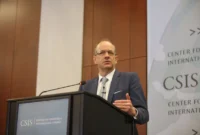
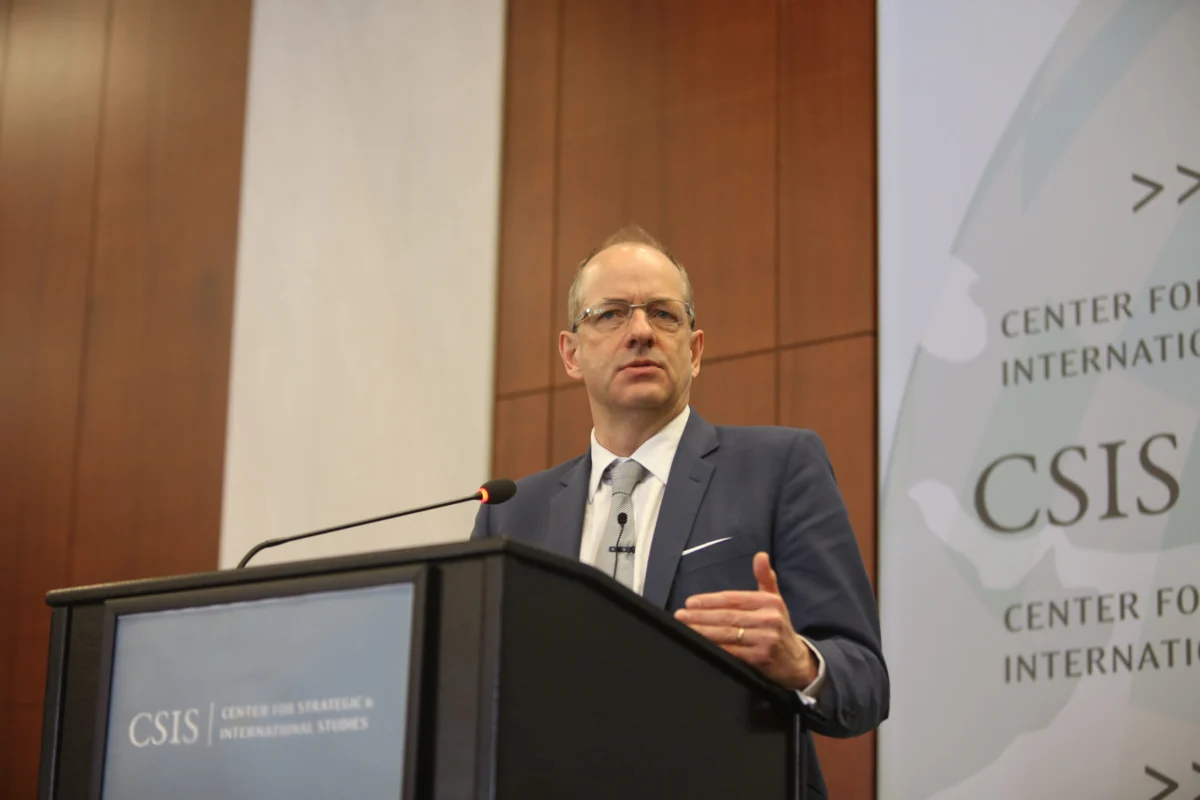
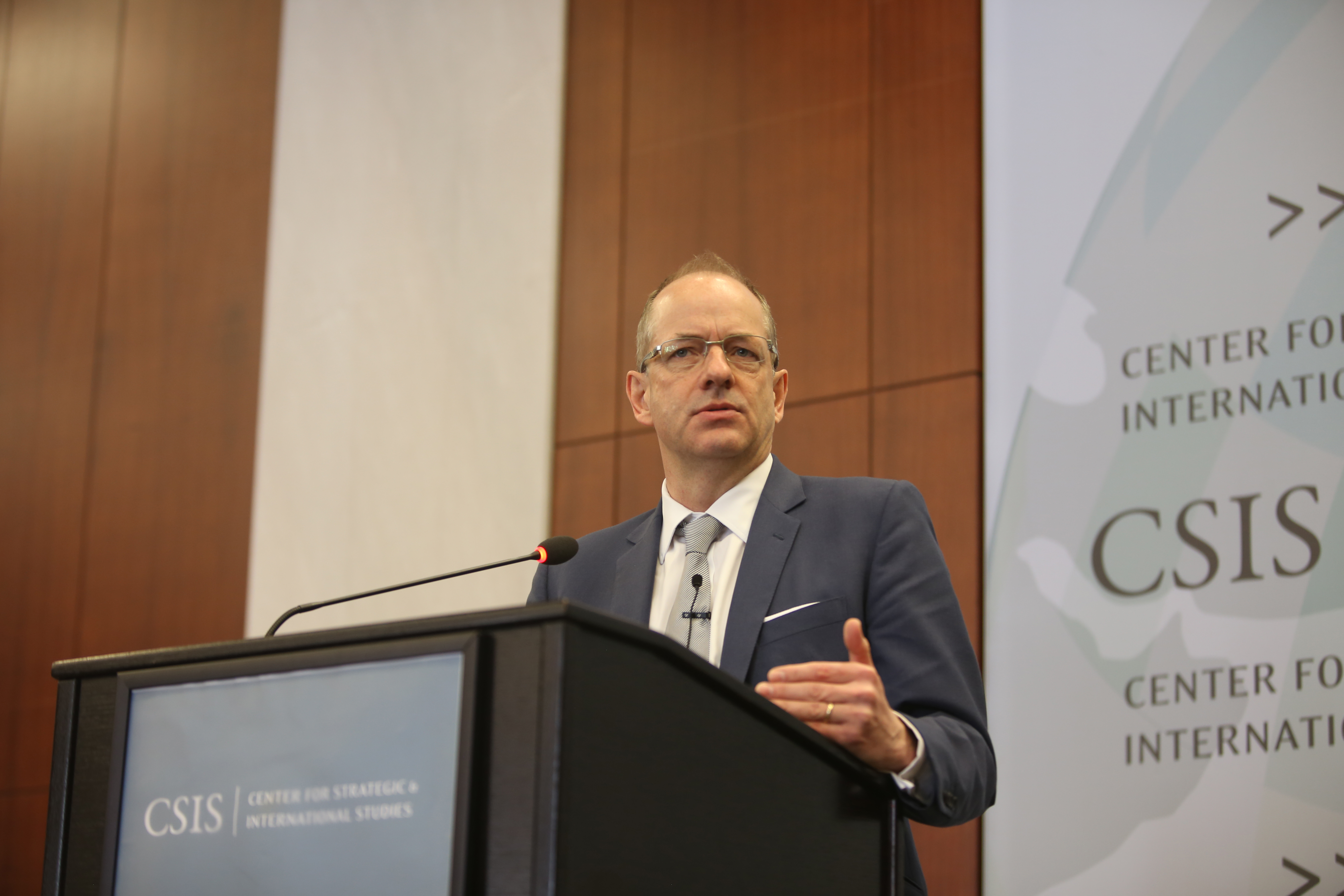
On March 17, 2016, the Center for Strategic and International Studies (CSIS) Global Health Policy Center hosted a pivotal symposium addressing the evolving relationship between the private bio-pharmaceutical sector and global societal health objectives. The event, which took place in Washington, D.C., served as a critical platform for discussing the necessity of structural reform within the pharmaceutical industry. Central to the discourse were themes of transparency, equitable access to medicine, and the ethical imperatives of research and development (R&D). The keynote address, delivered by Sir Andrew Witty, then-CEO of GlaxoSmithKline (GSK), set the stage for a high-level debate featuring prominent experts including Dr. Margaret Hamburg, former Commissioner of the U.S. Food and Drug Administration, and Dr. Ezekiel Emanuel, a leading voice in medical ethics.
Contextualizing the Industry Crisis in 2016
The 2016 symposium occurred during a period of intense international scrutiny regarding the pharmaceutical industry. Public trust in bio-pharmaceutical firms had been eroded by several converging factors: the rising costs of specialty drugs, questions regarding the transparency of clinical trial data, and the widening gap between medical innovation and the accessibility of these treatments in low- and middle-income countries.
By 2016, the United Nations Secretary-General’s High-Level Panel on Access to Medicines had become a focal point for global health policy. The panel was tasked with finding solutions to the "policy incoherence" between the rights of innovators—protected by intellectual property laws—and the human right to health. Sir Andrew Witty’s participation in this panel, alongside his leadership at GSK, made his presence at the CSIS event particularly significant. It signaled a shift in the industry’s defensive posture, as leaders began to acknowledge that the traditional business model, centered solely on patent-protected high-margin products, was no longer sustainable in a global political climate demanding greater social accountability.
Keynote Address: Sir Andrew Witty’s Vision for Reform
In his opening remarks, Sir Andrew Witty articulated a transformative vision for GlaxoSmithKline that aimed to dismantle the traditional silos between corporate profit-seeking and public health goals. He highlighted several key areas of reform that had been implemented at GSK, serving as a template for the broader industry:
- Sales and Marketing Ethics: Witty emphasized the transition away from volume-based incentive structures for sales representatives. Historically, the pharmaceutical industry faced criticism for rewarding representatives based on the number of prescriptions generated, a practice many argued led to the over-prescription of drugs. GSK moved toward a model focused on scientific engagement and doctor education, decoupling compensation from sales targets.
- Clinical Trial Transparency: A cornerstone of the reform was the commitment to make clinical trial data publicly available. By opening up the raw data from its trials, GSK sought to address the "publication bias" that often plagued the medical literature, where negative results were frequently suppressed.
- Tiered Pricing Strategies: Witty discussed the importance of differential pricing, where medicine costs were scaled according to a country’s economic development. This approach aimed to ensure that life-saving medications remained affordable in developing markets without undermining the R&D funding models required for innovation.
- Targeted R&D: The discussion touched upon the necessity of investing in diseases that historically received little attention due to lack of commercial viability, such as malaria and other neglected tropical diseases.
Expert Perspectives: The Ethics of Global Health
Following the keynote, the roundtable discussion expanded the scope of the conversation. Dr. Margaret Hamburg brought a regulatory perspective to the table, emphasizing the balance between speed to market and safety. During her tenure at the FDA, Hamburg had navigated the complexities of drug approval during public health crises, such as the Ebola epidemic. She argued that the industry must be an active partner in public health surveillance, not merely a manufacturer of products.
Dr. Ezekiel Emanuel, drawing from his expertise in medical ethics and public policy, provided a sobering analysis of the industry’s role in societal health. He raised critical questions about the valuation of innovation. Emanuel’s work often focused on whether the prices charged for new drugs were proportional to the clinical benefit provided, a topic that remains central to the pharmaceutical debate today. He posited that for the industry to regain public confidence, it needed to adopt a more rigorous evidence-based approach to pricing that aligned with the actual health outcomes delivered to patients.
Chronology of Industry Shifts (2010–2016)
The CSIS event did not exist in a vacuum; it was the culmination of years of mounting pressure on the bio-pharmaceutical sector.
- 2010–2012: Early industry pushback against emerging regulations leads to a series of high-profile lawsuits and public relations crises regarding marketing practices and safety disclosures.
- 2013: The launch of the "AllTrials" campaign gains momentum, putting pressure on major pharmaceutical companies to register and report all clinical trials.
- 2014: Ebola outbreak in West Africa highlights the systemic failure of the R&D pipeline for neglected diseases, as there was no commercially developed vaccine available when the crisis began.
- 2015: The UN Secretary-General establishes the High-Level Panel on Access to Medicines, inviting industry leaders like Sir Andrew Witty to the table.
- 2016 (March): The CSIS symposium takes place, marking a period of active industry participation in global policy dialogue.
Supporting Data and Industry Trends
Data from the period indicated that while the pharmaceutical industry remained highly profitable, the "return on investment" for R&D was declining. According to reports from the Deloitte Centre for Health Solutions, the internal rate of return for late-stage R&D in biopharma had fallen from approximately 10.5% in 2010 to roughly 3.7% by 2016. This decline reinforced the industry’s need to optimize its operations, reduce R&D failures, and better demonstrate value to payers and governments.
Furthermore, spending on pharmaceutical marketing continued to outpace spending on R&D in many large organizations. Critics at the time pointed out that if companies truly wanted to align with societal goals, they would need to invert these spending ratios to prioritize scientific breakthroughs over promotional expenditures.
Implications for Public Policy and Global Health
The dialogue at the 2016 CSIS event underscored a fundamental shift in how the industry viewed its "social license to operate." No longer could bio-pharmaceutical firms operate purely as private commercial entities; they were increasingly being treated as essential infrastructure for global security and public health.
The implications of this shift were profound. Firstly, it forced a re-evaluation of intellectual property (IP). While the industry argued that strong IP protections were the engine of innovation, the panel discussion reflected a growing consensus that these protections must not come at the cost of global health equity. Secondly, the event highlighted the necessity of public-private partnerships. The era of government-funded research handing off to private firms for development was being replaced by integrated, collaborative models where risks and benefits were shared more equitably.
Critical Analysis and Future Outlook
While the symposium provided a platform for progress, it also highlighted the limitations of voluntary reform. Critics noted that while GSK’s initiatives were commendable, they were not universal. The pharmaceutical industry remains a heterogeneous sector, and the disparity between firms with progressive social policies and those prioritizing short-term shareholder value remains a significant hurdle.
The 2016 CSIS event served as a definitive moment in the professionalization of the industry’s social responsibility efforts. It moved the conversation beyond simple philanthropy—such as donating excess medication—toward fundamental changes in how drugs are discovered, priced, and sold. The issues raised by Sir Andrew Witty and his fellow panelists remain as relevant today as they were in 2016. The COVID-19 pandemic, which would arrive four years later, ultimately tested the very foundations of the public-private partnership model discussed at the symposium. The accelerated development of vaccines demonstrated that when the public and private sectors align, they can achieve unprecedented speed and innovation. However, the subsequent challenges regarding global vaccine equity proved that the core conflict between patent protection and global accessibility, which was the focus of the 2016 discussion, remains an unfinished chapter in global health policy.
The CSIS Global Health Policy Center continues to monitor these developments, emphasizing that the health and well-being of the global population depend on the ability of the bio-pharmaceutical sector to effectively reconcile its commercial mandate with its role as a steward of human life. The 2016 symposium was not merely a retrospective on industry practices but a forward-looking roadmap for an industry attempting to navigate the complexities of a 21st-century global society. By focusing on transparency, ethical marketing, and collaborative R&D, the industry began the difficult work of rebuilding a fractured relationship with the public—a process that continues to define the landscape of global medicine to this day.