The intersection of commercial biopharmaceutical enterprises and broader societal welfare has long remained a focal point of intense global debate. On March 17, 2016, the Center for Strategic and International Studies (CSIS) Global Health Policy Center hosted a pivotal public event in Washington, D.C., titled "The Bio-Pharma Industry and Society." The convening brought together prominent pharmaceutical executives, global health policy experts, and bioethics authorities to address systemic challenges facing the sector. At the core of the discussion was an urgent imperative: how private pharmaceutical companies could fundamentally realign their corporate strategies to better support the vital societal goals of drug affordability, widespread patient access, high product quality, and sustained medical innovation.
This high-level dialogue arrived at a critical juncture for the pharmaceutical industry. Throughout the early 2010s, multinational drug manufacturers faced mounting public scrutiny, eroding consumer trust, and fierce regulatory pressures regarding high medication pricing models, transparency in research and development, and the ethical marketing of therapeutics. By examining these structural tensions, the CSIS forum sought to chart a viable path forward wherein commercial enterprise and public health imperatives could mutually reinforce one another rather than remain at loggerheads.
Chronology and Event Overview
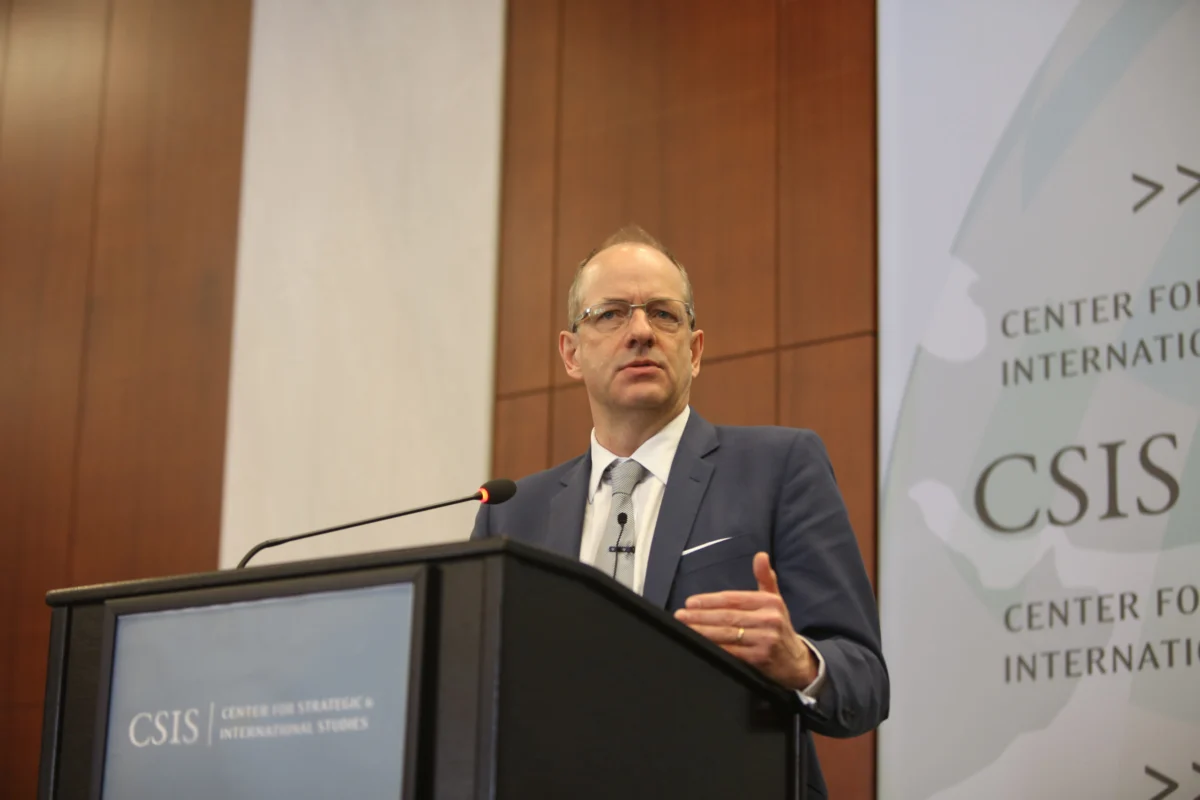
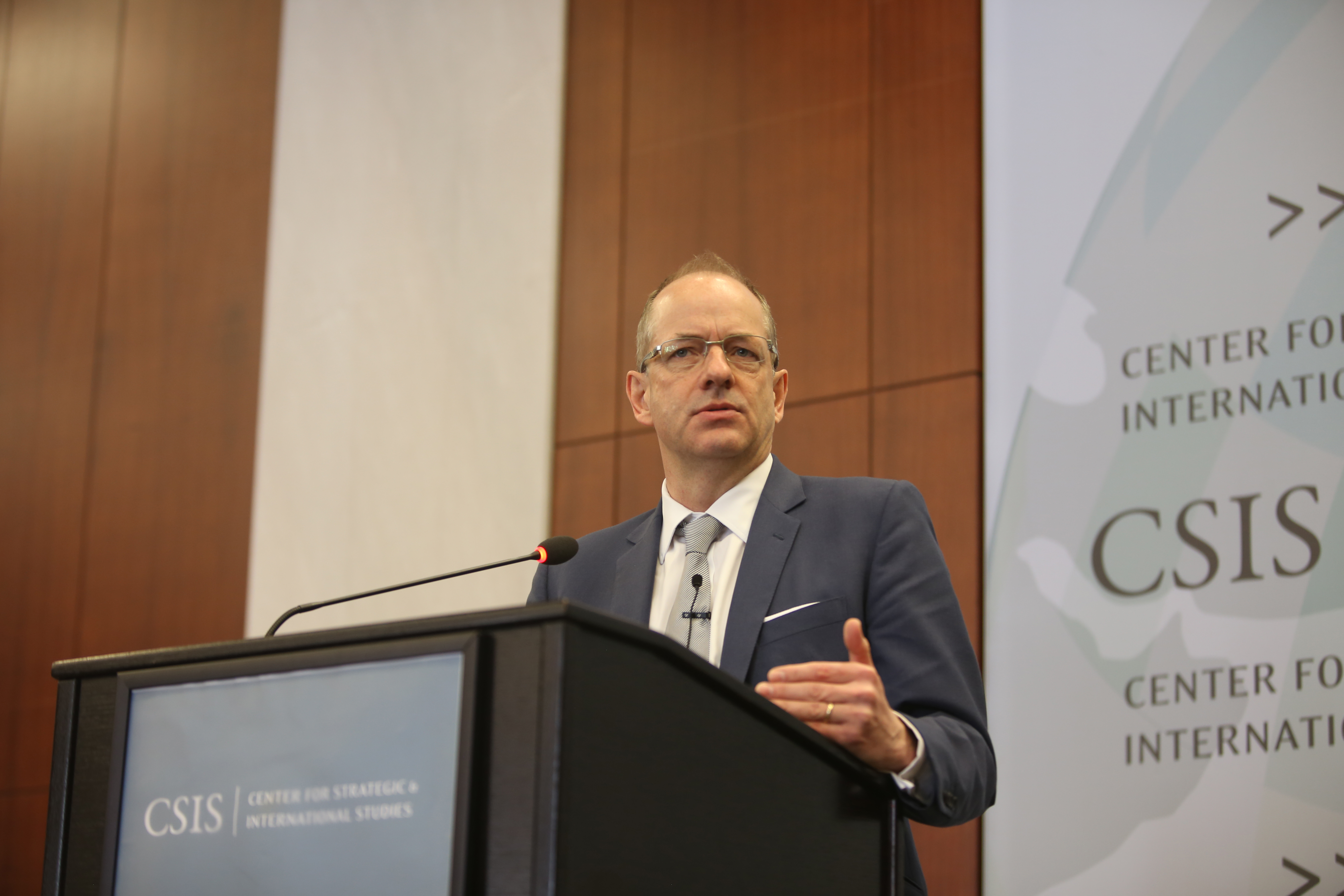
The morning symposium, scheduled from 10:00 AM to 11:30 AM EDT, was structured to transition from an individual corporate vision to a broader, multidisciplinary panel analysis. The session commenced with a keynote address delivered by Sir Andrew Witty, then the Chief Executive Officer of GlaxoSmithKline (GSK). Witty’s opening remarks served as a centerpiece for the morning, outlining sweeping reforms implemented under his leadership at GSK to transform the company’s operational footprint across diverse global markets.
Following the keynote address, the program transitioned into a moderated roundtable discussion. J. Stephen Morrison, Senior Vice President and Director of the CSIS Global Health Policy Center, moderated the conversation. He was joined on stage by a distinguished panel of healthcare leaders, including keynote speaker Sir Andrew Witty, Dr. Margaret Hamburg, Foreign Secretary of the Institute of Medicine (and former Commissioner of the U.S. Food and Drug Administration), and Dr. Ezekiel Emanuel, Vice Provost for Global Initiatives and Chair of the Department of Medical Ethics and Health Policy at the University of Pennsylvania. The panel interrogated the practical realities of implementing ethical corporate reforms, the complexities of international drug pricing, and the ethical obligations of private enterprise in addressing neglected tropical diseases and unmet medical needs.
Keynote Address: Sir Andrew Witty and the Case for Corporate Reform
In his keynote address, Sir Andrew Witty confronted head-on the reputational and operational challenges confronting the contemporary biopharmaceutical industry. He emphasized that the long-term viability of private drug development is inextricably linked to public trust. Without confidence from patients, healthcare providers, and governments, the industry risks severe regulatory backlash and diminished societal impact.
Witty detailed several major strategic shifts enacted at GlaxoSmithKline designed to recalibrate the company’s business model. Among the most significant reforms highlighted was a fundamental change in sales and marketing practices. GSK had recently eliminated sales-target-based incentive compensation for its commercial representatives, shifting instead toward rewarding technical knowledge and customer service quality. This move was widely viewed within the industry as a groundbreaking step toward reducing aggressive marketing tactics and mitigating potential conflicts of interest between sales teams and prescribing physicians.
Furthermore, Witty addressed the historical opacity surrounding clinical trials. He championed enhanced transparency, noting that GSK had taken leadership roles in making anonymized patient-level clinical trial data publicly available to independent researchers. This policy aimed to foster scientific rigor, validate efficacy claims, and build institutional credibility. On the contentious issue of pricing, Witty discussed tiered pricing strategies tailored to the economic realities of developing nations, as well as reinvestment models that channeled profits from lower-margin developing market sales into research targeting diseases predominantly affecting impoverished populations.
Crucially, Witty’s address coincided with his active service as a member of the United Nations Secretary-General’s High-Level Panel on Access to Medicines. This international panel was tasked with reviewing and recommending policy solutions to remedy the policy disconnect between international human rights obligations, trade rules, and the innovation and provision of essential medicines. Witty’s participation underscored the growing recognition among corporate leaders that industry perspectives must be actively integrated into global multilateral policy frameworks.
Multidisciplinary Panel Perspectives: Ethics, Regulation, and Access
The roundtable discussion following the keynote expanded the dialogue into a rigorous examination of domestic and international health policy. The panelists brought distinct institutional vantage points to the conversation, bridging corporate strategy, regulatory oversight, and bioethical philosophy.
Dr. Margaret Hamburg brought extensive expertise derived from her tenure at the helm of the U.S. Food and Drug Administration (FDA) and her leadership at the Institute of Medicine. Hamburg focused on the regulatory frameworks that govern drug safety, efficacy, and approval pathways. She emphasized that while regulatory agencies maintain strict standards to protect public health, industry collaboration is essential to streamline development processes without compromising safety. Hamburg highlighted the growing importance of adaptive clinical trial designs, biomarker development, and post-market surveillance as mechanisms to accelerate innovation while ensuring rigorous oversight.
Dr. Ezekiel Emanuel provided a sharp bioethical and systemic critique of the broader pharmaceutical landscape. Known for his extensive scholarship in medical ethics and health policy, Emanuel addressed the structural imbalances in drug pricing, the allocation of research and development capital toward "me-too" drugs rather than breakthrough therapies, and the ethical responsibilities of pharmaceutical firms toward vulnerable populations. Emanuel argued that while intellectual property protections are necessary to incentivize high-risk R&D investments, the current pricing mechanisms in advanced economies often place an unsustainable burden on healthcare systems and individual patients. He challenged the panel and the audience to consider innovative risk-sharing models, value-based pricing, and increased public-private partnerships to align commercial incentives with true public health value.
Moderator J. Stephen Morrison synthesized these divergent viewpoints, steering the discussion toward actionable policy recommendations. Morrison underscored the geopolitical dimensions of global health, noting that access to essential medicines remains a critical determinant of geopolitical stability and human security in the developing world.
Background Context: The Pharmaceutical Industry at a Crossroads
To fully understand the significance of the 2016 CSIS forum, it is necessary to examine the broader macroeconomic and socio-political environment in which the biopharmaceutical sector operated during that decade. The years leading up to 2016 were marked by intense public controversies regarding pharmaceutical pricing practices in the United States and Europe. High-profile incidents involving sudden, exponential price hikes on legacy drugs by specialty pharmaceutical companies galvanized public outrage and drew sharp rebukes from lawmakers on both sides of the political aisle.
Concurrently, the global health community was grappling with persistent inequities in access to life-saving therapeutics, particularly for HIV/AIDS, tuberculosis, malaria, and emerging infectious diseases. International health organizations, non-governmental organizations (NGOs), and low- and middle-income country (LMIC) governments increasingly challenged traditional intellectual property frameworks, arguing that strict patent protections erected insurmountable barriers to generic competition and affordable treatment access.
In response to these mounting pressures, some major pharmaceutical manufacturers began experimenting with voluntary licensing agreements, patent pools (such as the Medicines Patent Pool), and tiered pricing structures. However, skepticism remained widespread among patient advocates and public health experts who questioned whether voluntary corporate initiatives were sufficient to resolve systemic inequities or whether mandatory regulatory interventions were required.
Broader Impact and Implications
The dialogue hosted by the CSIS Global Health Policy Center in March 2016 contributed meaningfully to the evolving discourse on corporate social responsibility within the life sciences sector. By providing a platform for critical self-reflection from a major industry CEO alongside rigorous external critique from regulatory and ethical authorities, the event underscored several enduring principles for modern healthcare governance:
- The Imperative of Transparency: The movement toward open-access clinical trial data, initiated by pioneers like GSK and subsequently adopted more broadly across the industry, transformed the research landscape. Greater transparency enhanced scientific reproducibility and fortified public trust in regulatory approvals.
- Re-evaluating Commercial Incentives: The shift away from aggressive, volume-based sales incentives demonstrated that commercial enterprises could re-engineer internal operations to prioritize ethical engagement with healthcare providers and institutions.
- Balancing Profitability and Public Health: The tensions between intellectual property protections required to fund high-cost R&D and the moral imperative of global access remain central to healthcare policy. Forums like the CSIS symposium highlighted the necessity of ongoing dialogue between private industry, multilateral institutions, and civil society to design sustainable pricing and distribution models.
Ultimately, the event served as a milestone in the ongoing effort to harmonize commercial innovation with societal welfare, establishing benchmarks for corporate accountability that continue to resonate within global health policy discussions.