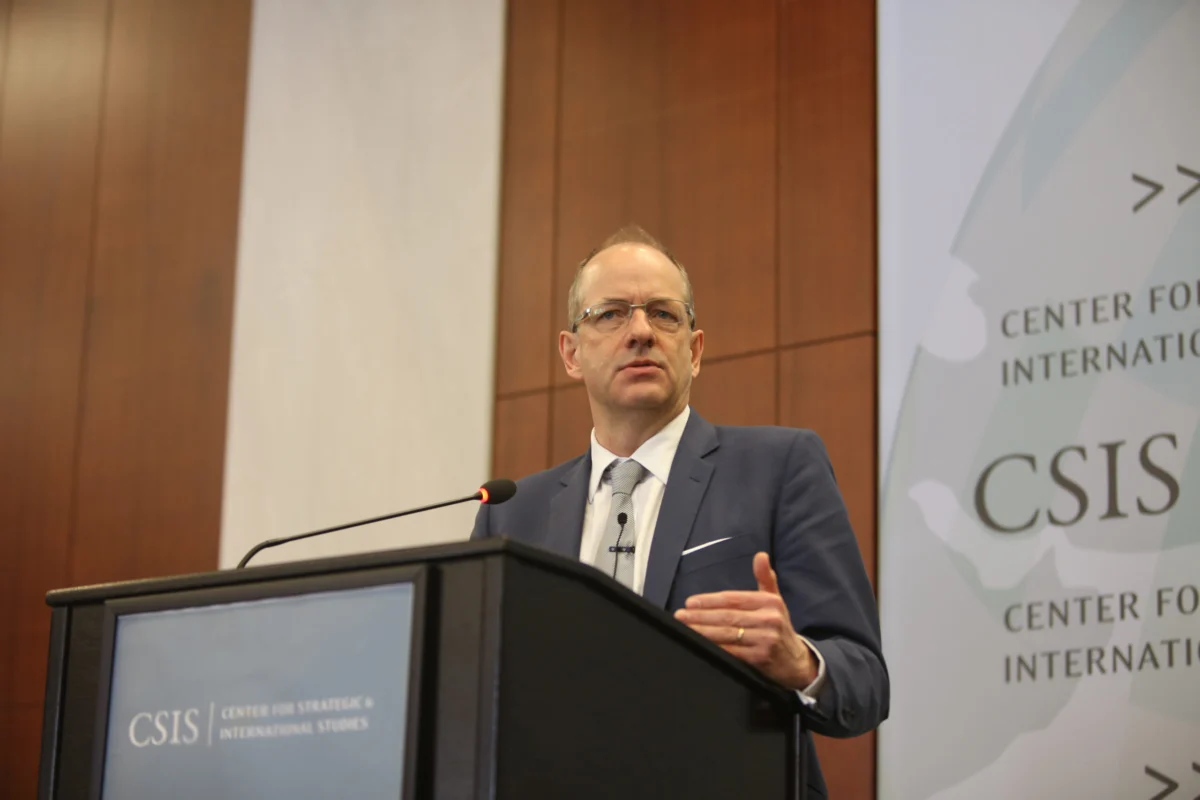
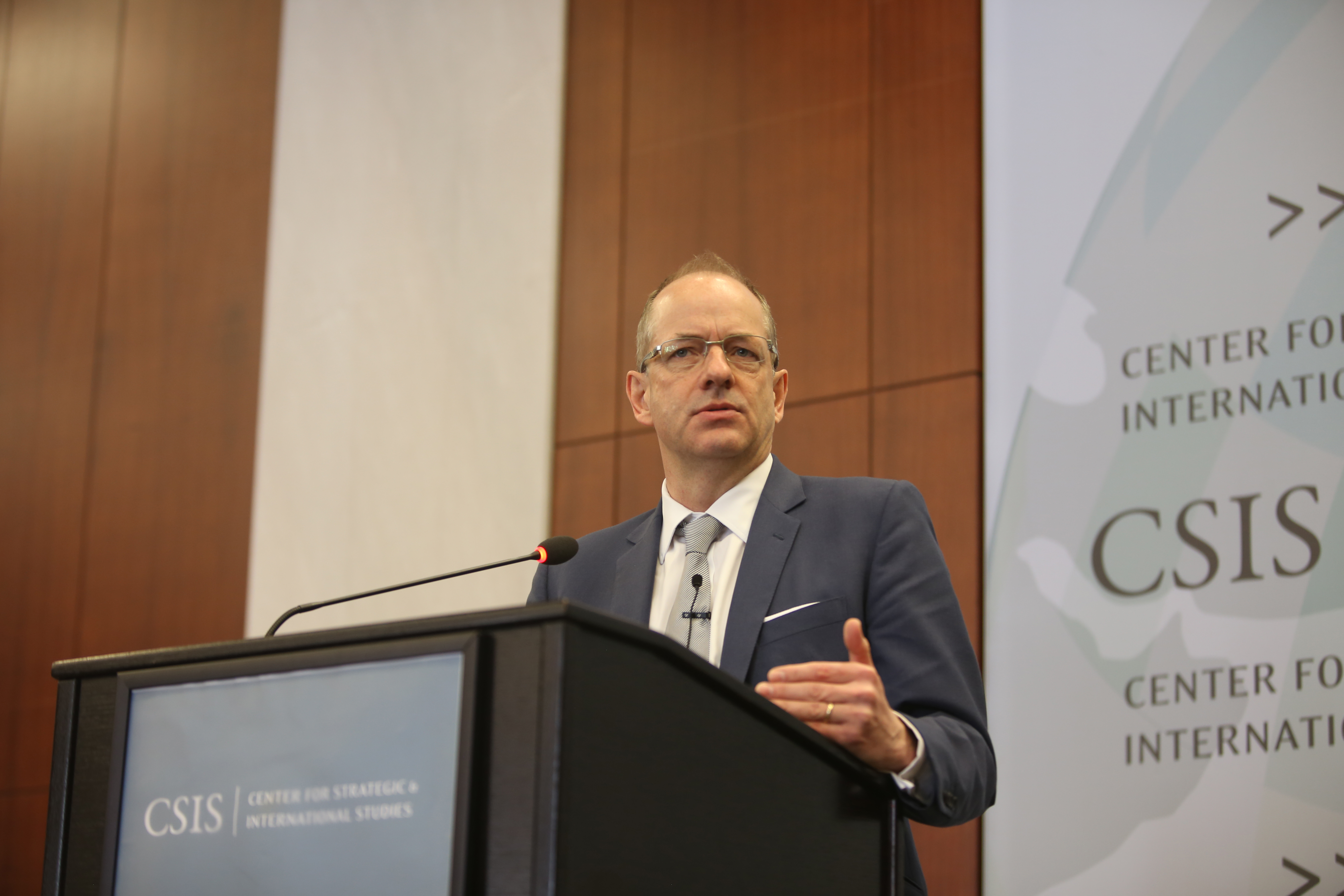
On March 17, 2016, the Center for Strategic and International Studies (CSIS) Global Health Policy Center hosted a pivotal forum titled The Bio-Pharma Industry and Society, bringing together global leaders to address the intensifying tension between pharmaceutical innovation, commercial profitability, and the moral imperative of global health equity. The event, held in Washington, D.C., centered on a keynote address by Sir Andrew Witty, then-CEO of GlaxoSmithKline (GSK), and featured a high-level roundtable discussion on the mechanisms required to align private sector interests with public health outcomes. This discourse occurred during a period of profound scrutiny regarding drug pricing, the transparency of clinical data, and the role of private enterprise in achieving the United Nations’ Sustainable Development Goals.
Context and Historical Background
The mid-2010s represented a watershed moment for the pharmaceutical industry. By 2016, the global bio-pharmaceutical sector was facing a multifaceted crisis of legitimacy. Public frustration over the rising costs of specialty medicines—particularly treatments for Hepatitis C and oncology—had begun to influence legislative agendas across the developed world. Simultaneously, global health organizations were increasingly vocal about the lack of affordable access to essential medicines in low- and middle-income countries.
Against this backdrop, the UN Secretary-General had convened a High-Level Panel on Access to Medicines, tasked with finding solutions to the policy incoherence between innovation and human rights. Sir Andrew Witty’s participation in this panel, alongside his role at the helm of one of the world’s largest pharmaceutical firms, placed him at the center of a global debate. The CSIS event served as an important platform for GSK to articulate a "new model" for pharmaceutical engagement, characterized by tiered pricing strategies and a greater emphasis on voluntary patent pooling.
Chronology of the 2016 Industry Shift
The year 2016 saw several critical shifts in how major bio-pharma companies interacted with global health systems.
- January 2016: The UN High-Level Panel on Access to Medicines formally begins its review of existing intellectual property regimes.
- March 17, 2016: The CSIS Global Health Policy Center hosts the dialogue on the bio-pharma industry’s role in society, focusing on transparency and R&D for unmet medical needs.
- May 2016: Global pressure mounts at the World Health Assembly, where member states demand greater transparency in pharmaceutical pricing structures.
- September 2016: The UN High-Level Panel releases its report, recommending that governments prioritize public health over intellectual property rights in specific emergency contexts.
This timeline underscores that the CSIS session was not an isolated event but rather a central node in a broader, sustained global negotiation between the private sector and public health advocates.
The Keynote: Sir Andrew Witty’s Vision for Reform
During his keynote address, Sir Andrew Witty detailed a series of reforms implemented by GSK that diverged from the traditional "blockbuster drug" business model. Witty argued that the long-term sustainability of the bio-pharmaceutical industry depended on its ability to build trust with patients and governments. He highlighted several key areas of change:
- Tiered Pricing: Witty advocated for a flexible pricing model that indexed the cost of medicines to the per-capita income of the purchasing nation. This approach was designed to allow access in developing markets without cannibalizing revenues in high-income economies.
- Transparency in Clinical Trials: Recognizing the growing demand for data integrity, Witty committed GSK to publishing the results of all clinical trials, including negative results that historically would have been buried to protect commercial interests.
- Research into Unmet Needs: GSK pledged to redirect resources toward diseases that disproportionately affect the global poor, such as malaria and neglected tropical diseases, often through public-private partnerships rather than traditional proprietary R&D.
Roundtable Analysis: Expert Perspectives
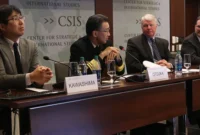
Following the keynote, a roundtable discussion moderated by J. Stephen Morrison, Senior Vice President and Director of the CSIS Global Health Policy Center, provided a rigorous critique of these proposals. The panel included Dr. Margaret Hamburg, former Commissioner of the U.S. Food and Drug Administration (FDA) and then-Foreign Secretary of the Institute of Medicine, and Dr. Ezekiel Emanuel, a prominent bioethicist and architect of the Affordable Care Act.
Dr. Hamburg emphasized the necessity of regulatory convergence. She noted that while individual firms like GSK could make significant strides, systemic change required international cooperation to streamline drug approvals and ensure that quality-assured generics could reach markets safely. Dr. Emanuel brought a focus on economic ethics, questioning whether corporate social responsibility initiatives were sufficient to offset the fundamental market failures inherent in the pharmaceutical sector. He challenged the panel to consider whether the industry’s current structure could truly support a paradigm where health outcomes—rather than volume of sales—served as the primary performance indicator for firms.
Supporting Data and Industry Implications
The implications of the 2016 dialogue are best understood through the lens of industry metrics at the time. Research by the Access to Medicine Foundation consistently showed that, prior to 2016, pharmaceutical companies were frequently failing to meet the healthcare needs of the bottom billion. Data indicated that only a small fraction of the industry’s R&D expenditure was directed toward vaccines and treatments for conditions primarily prevalent in low-income nations.
The CSIS event highlighted the burgeoning "social license to operate." As the cost of R&D continued to climb—with some estimates placing the average cost to bring a new drug to market at over $2.5 billion—the industry faced a paradox: it required strong intellectual property protection to recoup investments, yet it faced severe political backlash when those protections resulted in prohibitive costs for patients.
The reforms discussed at the 2016 forum began to influence industry norms. In the years following, more firms adopted variations of the "tiered pricing" and "data transparency" policies championed by GSK. However, analysts note that these shifts remained voluntary and inconsistent across the industry, leading to continued debates regarding the need for mandatory international frameworks.
Broader Impact and Current Relevance
The legacy of the 2016 CSIS discussion remains relevant today. The event effectively signaled the end of an era where pharmaceutical companies could operate in a "black box," prioritizing shareholder returns to the total exclusion of public health discourse. The focus on transparency in clinical data, in particular, has become a cornerstone of contemporary medical research standards.
Furthermore, the discussion on the relationship between innovation and access laid the intellectual groundwork for how the global community approached vaccine development during the COVID-19 pandemic. The lessons debated in 2016—regarding the efficacy of public-private partnerships, the role of intellectual property waivers, and the importance of global supply chain equity—were tested on an unprecedented scale beginning in 2020.
Ultimately, the 2016 CSIS forum served as a high-level recognition that the bio-pharma industry is a vital, yet volatile, partner in global governance. The dialogue between leaders like Witty, Hamburg, and Emanuel highlighted that while innovation is the engine of modern medicine, the societal value of that innovation is only realized when it is paired with equitable access. The event demonstrated that the industry’s future—and the health of global populations—hinges on a delicate, ongoing negotiation between the mandates of the boardroom and the requirements of the patient. While significant progress was mapped out during the 2016 session, the structural challenges discussed by the panelists continue to animate current debates regarding pharmaceutical policy, global health security, and the future of medical innovation.