The intersection of private enterprise and global public health has long been a subject of intense global debate. On March 17, 2016, the Center for Strategic and International Studies (CSIS) Global Health Policy Center hosted a pivotal public forum in Washington, D.C., titled "The Bio-Pharma Industry and Society." The event brought together prominent industry leaders, academic experts, and policy architects to confront some of the most pressing challenges of the modern pharmaceutical landscape: striking a sustainable balance between commercial innovation, global affordability, equitable access, and patient trust.
At a time when the pharmaceutical industry faced growing public scrutiny over drug pricing, corporate transparency, and market exclusivity, the CSIS symposium served as a critical platform for high-level dialogue. The proceedings highlighted how private sector leaders were beginning to recalibrate their operational models to align with societal expectations, particularly in developing economies and underserved therapeutic areas.
Main Facts and Key Participants
The morning seminar, held from 10:00 AM to 11:30 AM EDT, was structured around a high-profile keynote address followed by an expert roundtable discussion. The event was moderated by J. Stephen Morrison, Senior Vice President and Director of the CSIS Global Health Policy Center, a leading voice in global health diplomacy and policy analysis.
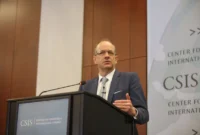
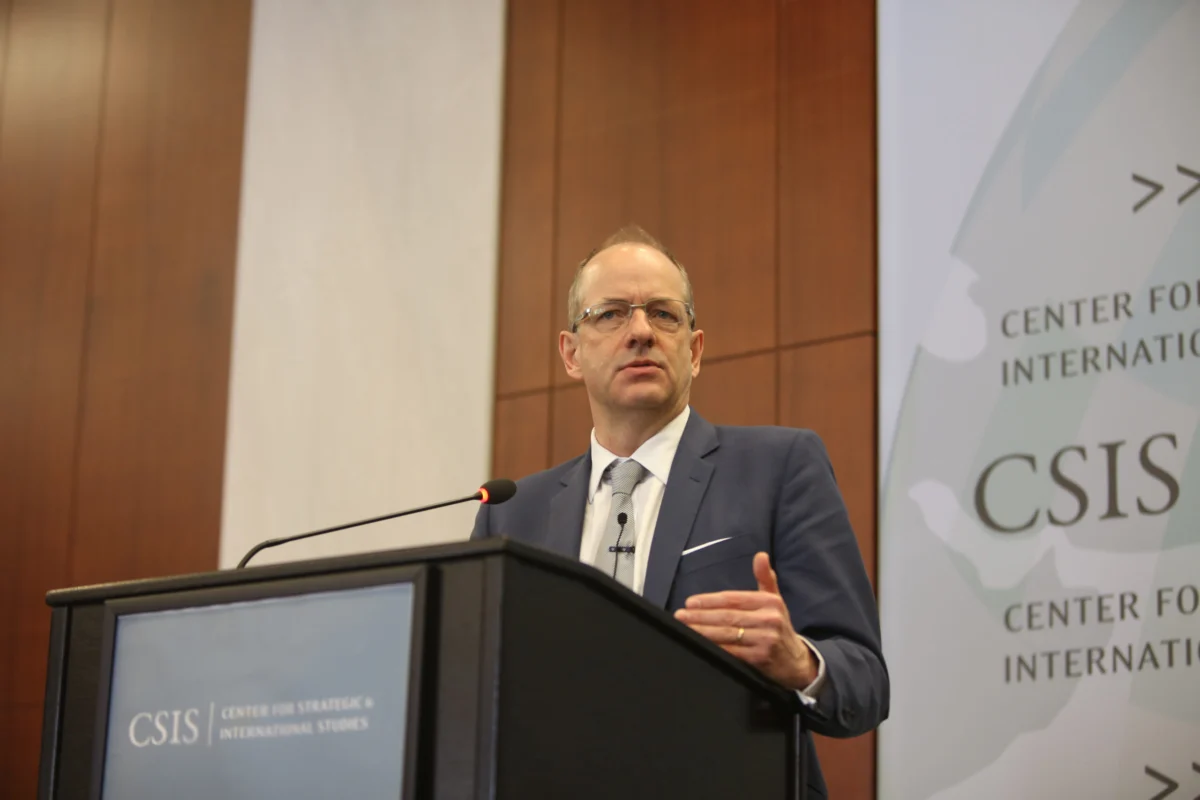
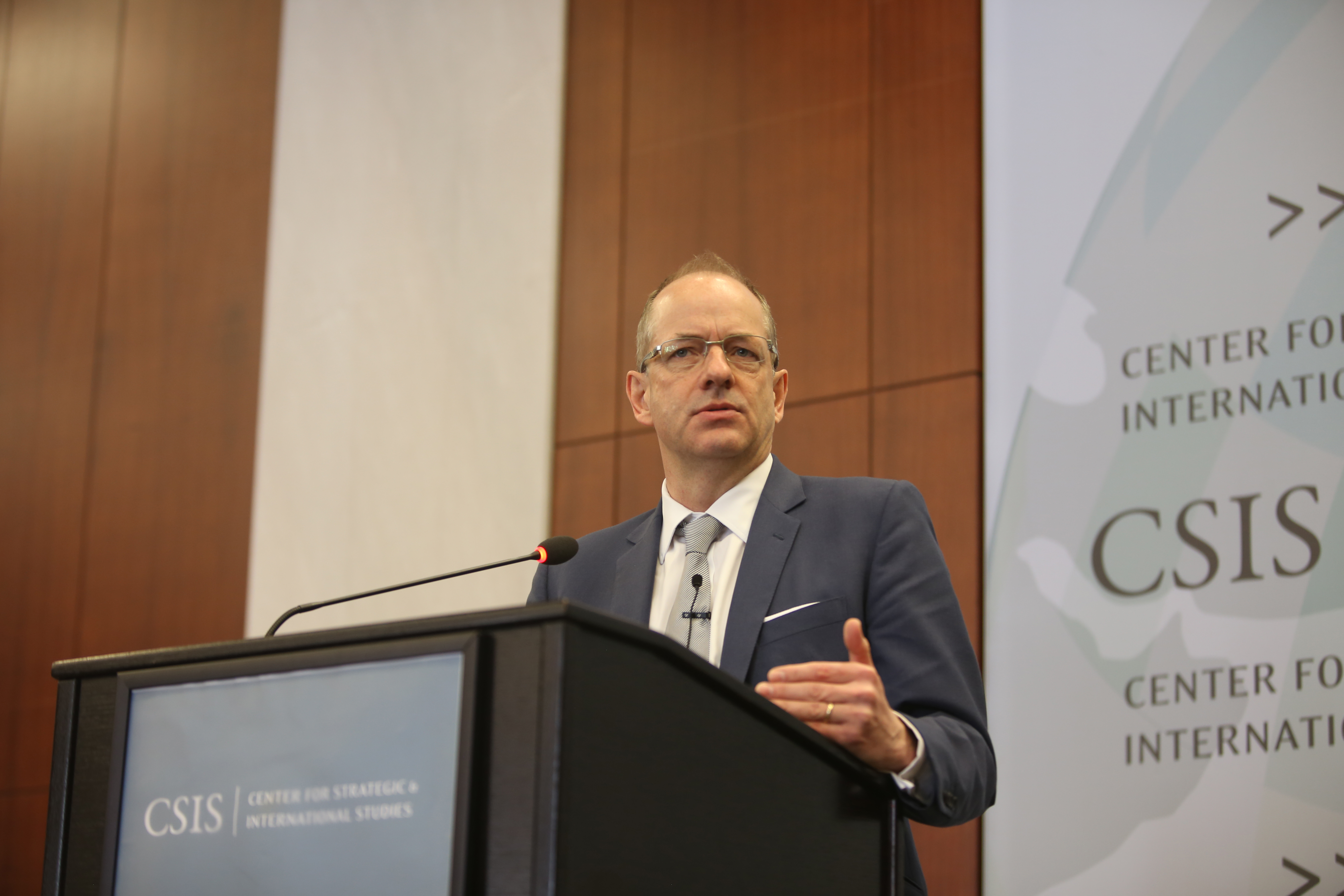
The keynote address was delivered by Sir Andrew Witty, then-Chief Executive Officer of GlaxoSmithKline (GSK), one of the world’s largest pharmaceutical companies. Witty’s address focused heavily on the structural reforms GSK was implementing to redefine its commercial footprint worldwide, particularly concerning sales practices, clinical trial transparency, progressive pricing tiers, and targeted research and development (R&D) investments aimed at addressing neglected tropical diseases and unmet medical needs.
Following the keynote, Witty was joined for a rigorous roundtable discussion by two distinguished figures in American medicine and healthcare policy:
- Dr. Margaret Hamburg, Foreign Secretary of the Institute of Medicine (and former Commissioner of the U.S. Food and Drug Administration).
- Dr. Ezekiel Emanuel, Vice Provost for Global Initiatives and Chair of the Department of Medical Ethics and Health Policy at the University of Pennsylvania.
Together, the panel dissected the complex ecosystem of drug development, evaluating how pharmaceutical manufacturers could fulfill their fiduciary responsibilities to shareholders while simultaneously serving as reliable stewards of global public health.
Background Context: The Tension Between Profit and Public Health
To fully understand the significance of the 2016 CSIS forum, one must examine the broader socioeconomic and geopolitical climate of the mid-2010s. The global pharmaceutical industry was navigating a turbulent period defined by several concurrent crises:
- The Pricing Controversy: Escalating costs for specialized medications, oncology treatments, and breakthrough therapies sparked fierce backlash from patients, insurers, and lawmakers in both developed and developing nations.
- Erosion of Public Trust: Scandals involving aggressive marketing tactics, opaque pricing structures, and delayed disclosure of negative clinical trial data severely damaged the reputation of the biopharmaceutical sector.
- The Innovation Gap: Critics frequently pointed out that vast research budgets were directed toward "me-too" drugs—minor modifications of existing medications designed to secure secondary patents—rather than addressing critical unmet medical needs in low- and middle-income countries (LMICs).
Amidst these pressures, international bodies increased their scrutiny of intellectual property frameworks. Notably, the United Nations Secretary-General established a High-Level Panel on Access to Medicines, tasked with finding solutions to the mismatch between international human rights obligations, trade rules, and medical innovation. Sir Andrew Witty’s participation in this UN panel lent profound weight to his appearance at CSIS, as global stakeholders watched to see how major manufacturers would respond to systemic calls for reform.
Chronology of the Event
The 90-minute symposium followed a carefully structured program designed to move from high-level corporate strategy to rigorous academic and regulatory critique:
- 10:00 AM – Opening Remarks: J. Stephen Morrison welcomed attendees and outlined the core thesis of the event: the urgent necessity for the biopharmaceutical industry to rebuild public trust by prioritizing societal outcomes alongside commercial viability.
- 10:10 AM – Keynote Address by Sir Andrew Witty: The GSK CEO took the podium to outline a transformative vision for corporate governance in the pharmaceutical sector. He detailed GSK’s pioneering moves toward differential pricing based on national wealth, the public disclosure of clinical trial data to independent researchers, and the decoupling of sales representative compensation from prescription volume metrics.
- 10:40 AM – Expert Roundtable Discussion: Morrison moderated a panel featuring Witty, Dr. Margaret Hamburg, and Dr. Ezekiel Emanuel. The discussion explored the practical hurdles of implementing global access strategies, regulatory bottlenecks at agencies like the FDA, and the ethical dimensions of healthcare resource allocation.
- 11:15 AM – Audience Q&A Session: Attendees—comprising diplomats, global health practitioners, industry analysts, and NGO representatives—engaged the panel on topics ranging from vaccine distribution in conflict zones to the future of antimicrobial resistance research.
- 11:30 AM – Adjournment: The formal session concluded, though informal discussions continued among policy experts regarding the long-term implications of the reforms discussed.
Key Insights and Statements from the Panel
The dialogue at CSIS moved past standard corporate public relations talking points, engaging instead with the hard operational realities of modern drug development.
Sir Andrew Witty emphasized that the traditional blockbuster business model—relying on high-volume sales of chronic disease medications in wealthy Western markets—was increasingly untenable in a rapidly changing global landscape. He argued that long-term corporate sustainability required companies to embrace transparency as a strategic asset rather than a regulatory burden. By publishing comprehensive clinical trial data, GSK aimed to foster a more collaborative scientific ecosystem. Furthermore, Witty highlighted the company’s commitment to reinvesting a percentage of its profits from developing nations directly back into local healthcare infrastructure and R&D for neglected diseases.
Dr. Margaret Hamburg brought a vital regulatory perspective to the discussion. Drawing on her extensive experience at the FDA, Hamburg emphasized that innovation is meaningless if patients cannot physically or financially access the products of that innovation. She underscored the delicate balancing act regulatory bodies must perform: maintaining rigorous safety and efficacy standards while streamlining pathways for breakthrough therapies, generic competition, and biosimilars.
Dr. Ezekiel Emanuel provided a sharp bioethical and economic critique of current industry practices. Emanuel challenged the panel and the audience to examine the underlying drivers of high drug prices, questioning whether current market exclusivity periods truly reflected the risks undertaken during the R&D phase. He advocated for more transparent pricing models and stressed that academic institutions, governments, and private industry must forge deeper, more accountable partnerships to ensure that taxpayer-funded basic science successfully translates into affordable, life-saving medicines.
Broader Impact and Implications for the Biopharmaceutical Sector
The discussions hosted by the CSIS Global Health Policy Center in March 2016 served as an early indicator of a broader cultural and operational shift within the life sciences industry. The themes raised during the event continue to reverberate across global health policy today.
1. Transparency as an Industry Standard
In the years following the symposium, the movement toward radical transparency in clinical trials gained substantial momentum. Regulatory mandates in the European Union, the United States, and through international registries have increasingly compelled pharmaceutical firms to make anonymized patient-level data accessible to independent researchers. This shift has not only improved scientific integrity but has also helped mitigate public skepticism regarding drug safety.
2. Evolving Pricing and Access Models
The dialogue surrounding differential pricing and tiered access—championed by GSK during Witty’s tenure—paved the way for more sophisticated voluntary licensing agreements, patent pools (such as the Medicines Patent Pool), and tiered pricing strategies for life-saving HIV, hepatitis C, and oncology medications. While affordability remains a central flashpoint in global healthcare policy, the acknowledgment by industry leaders that pricing strategies must account for local purchasing power established an important precedent.
3. Collaborative R&D for Neglected Diseases
The forum highlighted the efficacy of public-private partnerships (PPPs) in tackling diseases that lack lucrative commercial markets. Initiatives bringing together pharmaceutical firms, philanthropic foundations, and global health organizations have since yielded critical advancements in vaccines, diagnostics, and treatments for tuberculosis, malaria, and emerging infectious diseases.
Conclusion
The CSIS Global Health Policy Center event on March 17, 2016, captured a critical transitional moment for the biopharmaceutical industry. By openly confronting the tensions between corporate profitability and societal welfare, leaders like Sir Andrew Witty, Dr. Margaret Hamburg, and Dr. Ezekiel Emanuel helped chart a course toward a more accountable and sustainable global health architecture. As the world continues to face complex public health emergencies, the foundational questions raised at this forum—regarding trust, access, equity, and innovation—remain as vital and urgent as ever.