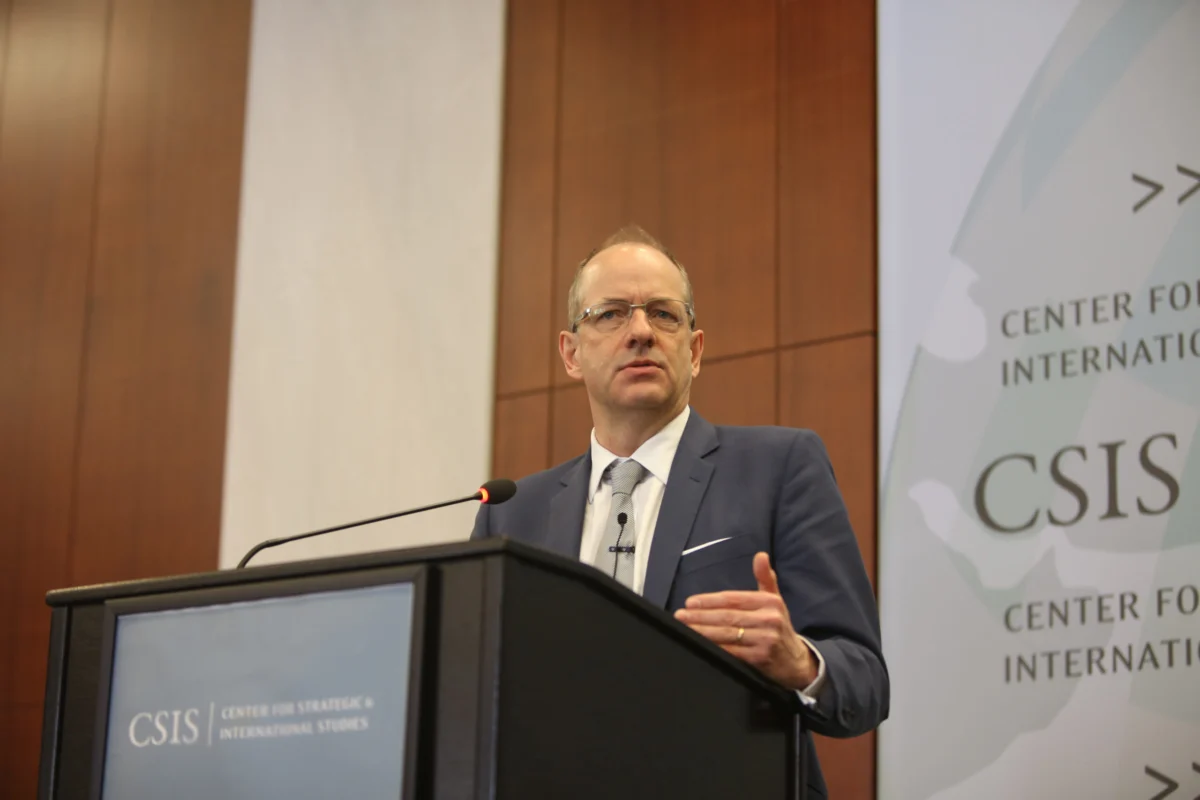
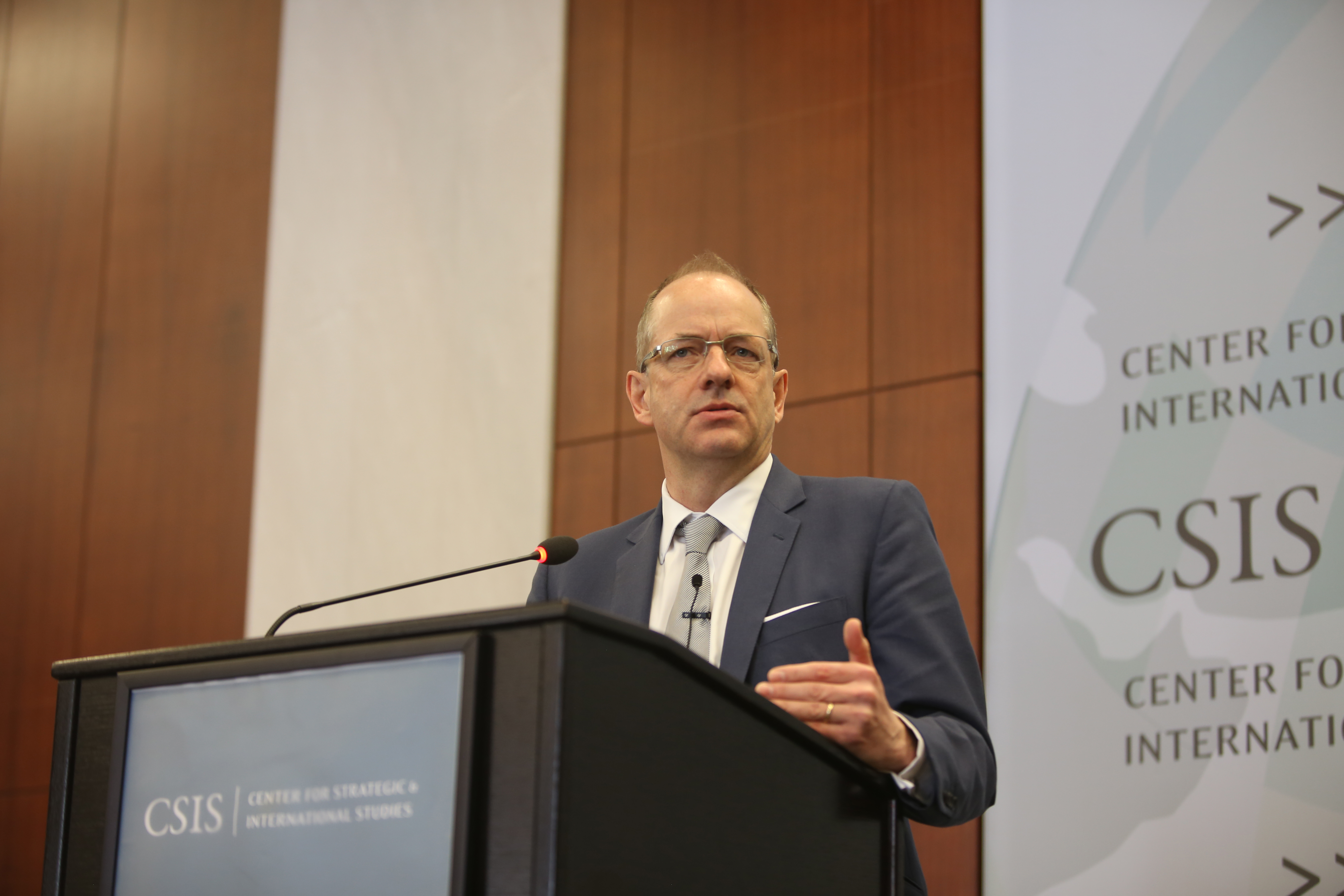
On March 17, 2016, the Center for Strategic and International Studies (CSIS) hosted a pivotal symposium titled The Bio-Pharma Industry and Society, gathering global leaders to address the intensifying tension between pharmaceutical profitability and the universal mandate for accessible, affordable, and quality healthcare. The event, held at the CSIS headquarters in Washington, D.C., served as a high-level forum to interrogate how private bio-pharmaceutical firms navigate the ethical complexities of their market presence. With the healthcare sector facing unprecedented scrutiny regarding drug pricing, transparency in clinical research, and global equity, the discussion sought to establish a new paradigm for industry-society relations.
The Context of the 2016 Healthcare Debate
The 2016 landscape for the pharmaceutical industry was marked by a distinct lack of public trust. During this period, the industry was grappling with significant headwinds, including the rapid escalation of prescription drug costs in the United States and the ongoing challenges of delivering life-saving medications to developing nations. The CSIS event was strategically timed to coincide with the deliberations of the United Nations Secretary-General’s High-Level Panel on Access to Medicines, an initiative launched in response to the growing global outcry over the prohibitive costs of treatments for diseases such as HIV, tuberculosis, and hepatitis C.
The event aimed to move beyond the traditional binary of "profit versus altruism." Instead, it focused on the systemic reforms required for the bio-pharmaceutical sector to align its business model with the Sustainable Development Goals (SDGs), which had been formally adopted by the UN only months prior in September 2015.
Keynote Address: Sir Andrew Witty and the GSK Paradigm
Sir Andrew Witty, then-CEO of GlaxoSmithKline (GSK), utilized the platform to articulate a radical departure from the industry’s status quo. His keynote address focused on the "reform agenda" he had championed at GSK, which sought to decouple profit from volume—a departure from the traditional pharmaceutical model that relies on selling the highest number of units to maximize shareholder return.
Witty outlined several core pillars of this new strategy. First, he highlighted changes in sales and marketing incentives, moving away from volume-based targets for sales representatives to reduce the pressure for over-prescription. Second, he emphasized a commitment to the radical transparency of clinical trial data. By allowing the independent scientific community access to raw patient data, GSK aimed to mitigate the "publication bias" that had historically plagued the industry, where only positive clinical outcomes were reported.
Third, Witty addressed the "tiered pricing" model. He advocated for a pricing strategy where the cost of a drug is adjusted based on a country’s economic development. Under this framework, the most impoverished nations would pay prices aligned with their purchasing power, while wealthier markets would sustain the necessary R&D investments. Witty’s presence at the forum was highly significant; as a member of the UN High-Level Panel, his views reflected the shifting internal consensus among some of the world’s largest pharmaceutical conglomerates regarding their role as global health stewards.
A Roundtable on Ethics and Global Policy
Following the keynote, the conversation transitioned into a moderated roundtable featuring Dr. Margaret Hamburg, the Foreign Secretary of the Institute of Medicine (now the National Academy of Medicine), and Dr. Ezekiel Emanuel, a preeminent authority on medical ethics and health policy from the University of Pennsylvania. The discussion was moderated by J. Stephen Morrison, Senior Vice President and Director of the CSIS Global Health Policy Center.
Dr. Hamburg emphasized the necessity of a regulatory environment that fosters innovation while protecting patient safety. She noted that the "quality" aspect of medicines was frequently overlooked in favor of pricing discussions, arguing that the global proliferation of substandard or falsified medicines remained a critical threat to public health.
Dr. Emanuel brought a rigorous analytical perspective to the panel, challenging the industry to prove that its research and development pipelines were actually addressing "unmet medical needs" rather than focusing on "me-too" drugs—minor modifications of existing medications designed to extend patent life without offering significant clinical improvement. Emanuel argued that the social contract between the bio-pharma industry and the public could only be restored through a combination of increased transparency and a genuine commitment to value-based pricing, where the price of a drug is tied to the actual health outcomes it provides.
Data and Trends in the Pharmaceutical Sector
The discussions at CSIS were grounded in a series of industry trends that had reached a boiling point by 2016. According to data from the period, global spending on medicines was projected to reach $1.4 trillion by 2020. This growth was driven by both innovative breakthroughs—such as the development of direct-acting antivirals for Hepatitis C—and the aggressive pricing strategies of legacy firms.
Furthermore, the industry was facing a "patent cliff," where a significant number of blockbuster drugs were losing patent protection. This forced firms to choose between aggressive litigation to protect intellectual property or pivoting toward high-cost specialty medicines and orphan drugs. The CSIS participants analyzed the implications of these choices, noting that while orphan drugs provide hope for rare diseases, their astronomical price tags were placing unprecedented strain on national health insurance systems and private insurers alike.
Chronology of the 2016 Healthcare Policy Environment
- January 2016: The UN Secretary-General’s High-Level Panel on Access to Medicines begins its formal work, signaling a renewed global focus on the patent system and innovation.
- March 2016: CSIS hosts the "Bio-Pharma Industry and Society" symposium, highlighting the corporate responsibility of pharmaceutical giants.
- May 2016: The World Health Assembly meets in Geneva to discuss the implementation of the Global Strategy and Plan of Action on Public Health, Innovation, and Intellectual Property.
- September 2016: The UN releases its final report on the High-Level Panel, calling for more transparency in drug pricing and R&D costs, reinforcing the themes discussed at the March CSIS event.
Implications and Broader Impact
The implications of the dialogue initiated at this 2016 event extended far beyond the walls of the CSIS auditorium. It marked a transition point in corporate governance for the bio-pharmaceutical industry. The pressure from policymakers and civil society organizations compelled many firms to reconsider their "Patient Assistance Programs" (PAPs) and to become more vocal about their philanthropic contributions to global health initiatives, such as the fight against neglected tropical diseases.
However, critics at the time—and in the years since—have argued that these voluntary commitments, while commendable, are insufficient to address the systemic nature of the pricing crisis. The debate initiated by Witty, Hamburg, and Emanuel set the stage for subsequent legislative efforts in the United States and abroad, including the eventual passage of the Inflation Reduction Act in 2022, which allowed the U.S. government to negotiate the prices of certain high-cost drugs for the first time.
Conclusion: The Continuing Challenge of Stewardship
The 2016 CSIS symposium remains a landmark event in the study of modern healthcare economics. It highlighted that the bio-pharmaceutical industry occupies a unique space in the global economy: one where the commodity being traded is not merely a product, but a fundamental human right.
The consensus reached during the event—that trust is the industry’s most valuable, and currently most fragile, asset—remains highly relevant. As the industry faces new frontiers in gene therapy, AI-driven drug discovery, and personalized medicine, the questions raised by the panelists in 2016 continue to serve as a litmus test for corporate legitimacy. The path forward for the pharmaceutical sector, as articulated in this forum, necessitates a fundamental shift from a model focused purely on shareholder value to one that integrates health equity, radical transparency, and collaborative stewardship into the core of their business identity. The legacy of this discussion is a persistent call for the industry to prove that its pursuit of innovation is, at its heart, a pursuit of the common good.