
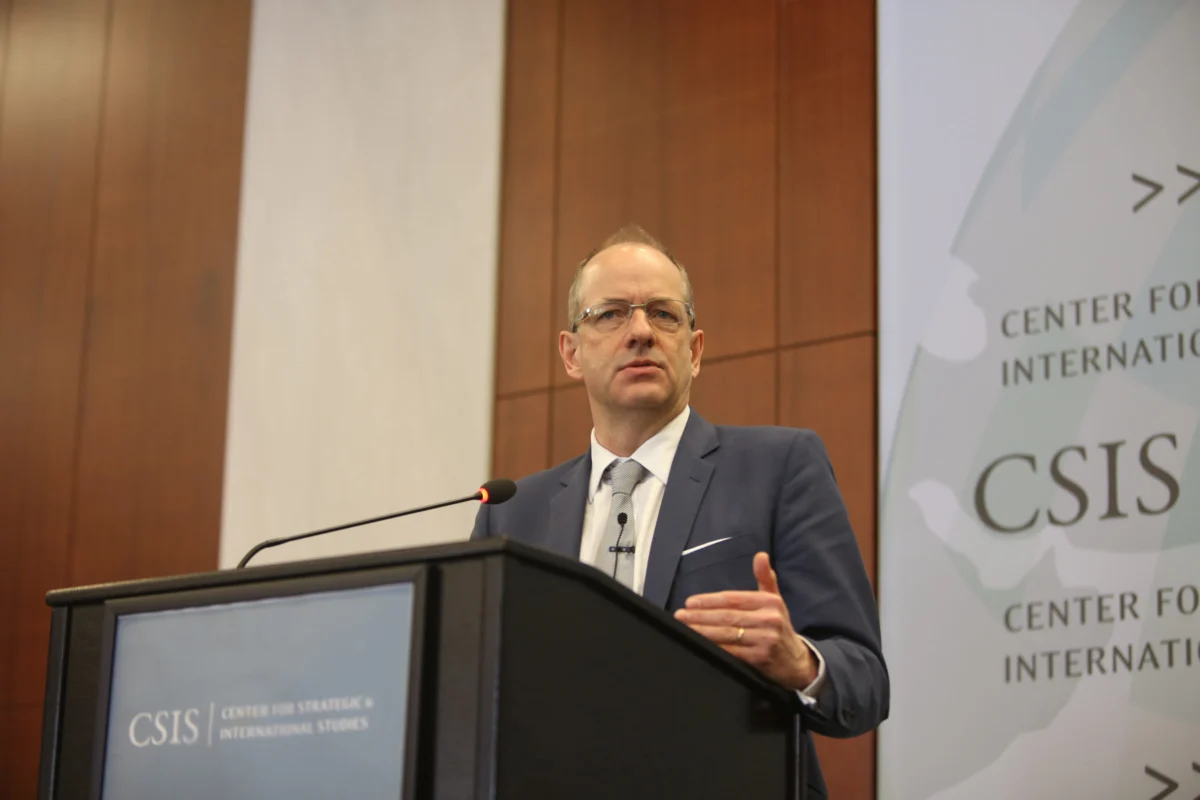
The intersection of private enterprise and global public health has long been a subject of intense scrutiny, debate, and strategic policymaking. On March 17, 2016, the Center for Strategic and International Studies (CSIS) Global Health Policy Center convened a pivotal public event in Washington, D.C., titled "The Bio-Pharma Industry and Society." The forum brought together prominent industry leaders, academic experts, and policy architects to examine how private biopharmaceutical firms could more effectively balance commercial imperatives with the critical societal goals of drug affordability, widespread access, product quality, and continuous medical innovation.
Against a backdrop of mounting public distrust, complex global health crises, and intense pricing pressures, the 90-minute morning session served as a high-profile platform for industry introspection and strategic realignment. Headlined by then-GlaxoSmithKline (GSK) Chief Executive Officer Sir Andrew Witty, the event provided a rare window into corporate reforms aimed at reshaping how multinational pharmaceutical companies operate across both high-income and developing markets.
Main Facts and Event Overview
Held from 10:00 AM to 11:30 AM EDT, the hybrid-style forum—featuring both an in-person audience and a live-streamed video broadcast—addressed the pressing imperative for the bio-pharmaceutical sector to rebuild public confidence. The central premise of the discussion was that the long-term viability and social license of the pharmaceutical industry depend fundamentally on its ability to align its core business models with human well-being and equitable health outcomes.
The event featured a keynote address by Sir Andrew Witty, followed by an expert roundtable moderated by J. Stephen Morrison, Senior Vice President and Director of the CSIS Global Health Policy Center. Joining Witty on the panel were Dr. Margaret Hamburg, Foreign Secretary of the Institute of Medicine (and former Commissioner of the U.S. Food and Drug Administration), and Dr. Ezekiel Emanuel, Vice Provost for Global Initiatives and Chair of the Department of Medical Ethics and Health Policy at the University of Pennsylvania. Together, these figures dissected the systemic challenges facing drug development, commercialization ethics, and global health equity.
Background Context: A Turning Point for Big Pharma
The timing of the CSIS forum was no coincidence. By early 2016, the global pharmaceutical landscape was navigating a period of profound turbulence. For decades, the traditional business model of major drug developers had prioritized high-margin products in affluent markets, often drawing sharp criticism from public health advocates, governments, and international organizations over the prohibitive costs of life-saving therapies.
At the same time, issues surrounding transparency—particularly the selective publication of clinical trial results and the opacity of pricing negotiations—had severely eroded public trust. Scandals involving dramatic price hikes on legacy drugs, coupled with delays in delivering treatments for neglected tropical diseases, placed pharmaceutical executives under intense public microscope.
Crucially, the event coincided with the active deliberations of the United Nations Secretary-General’s High-Level Panel on Access to Medicines, a prestigious international body on which Sir Andrew Witty served. The Panel was tasked with reviewing policy incoherence between international human rights obligations, trade rules, and public health, making the CSIS forum a timely sounding board for emerging reform-minded strategies within the industry.
Keynote Address: Sir Andrew Witty and GSK’s Blueprint for Reform
Taking the stage as the keynote speaker, Sir Andrew Witty outlined a sweeping vision of corporate self-assessment and structural change. Appointed as CEO of GSK in 2008, Witty had already earned a reputation within the industry as a progressive reformer willing to challenge conventional pharmaceutical orthodoxy. At CSIS, he detailed how GSK was actively modifying its commercial engagement across global markets to address systemic criticisms.
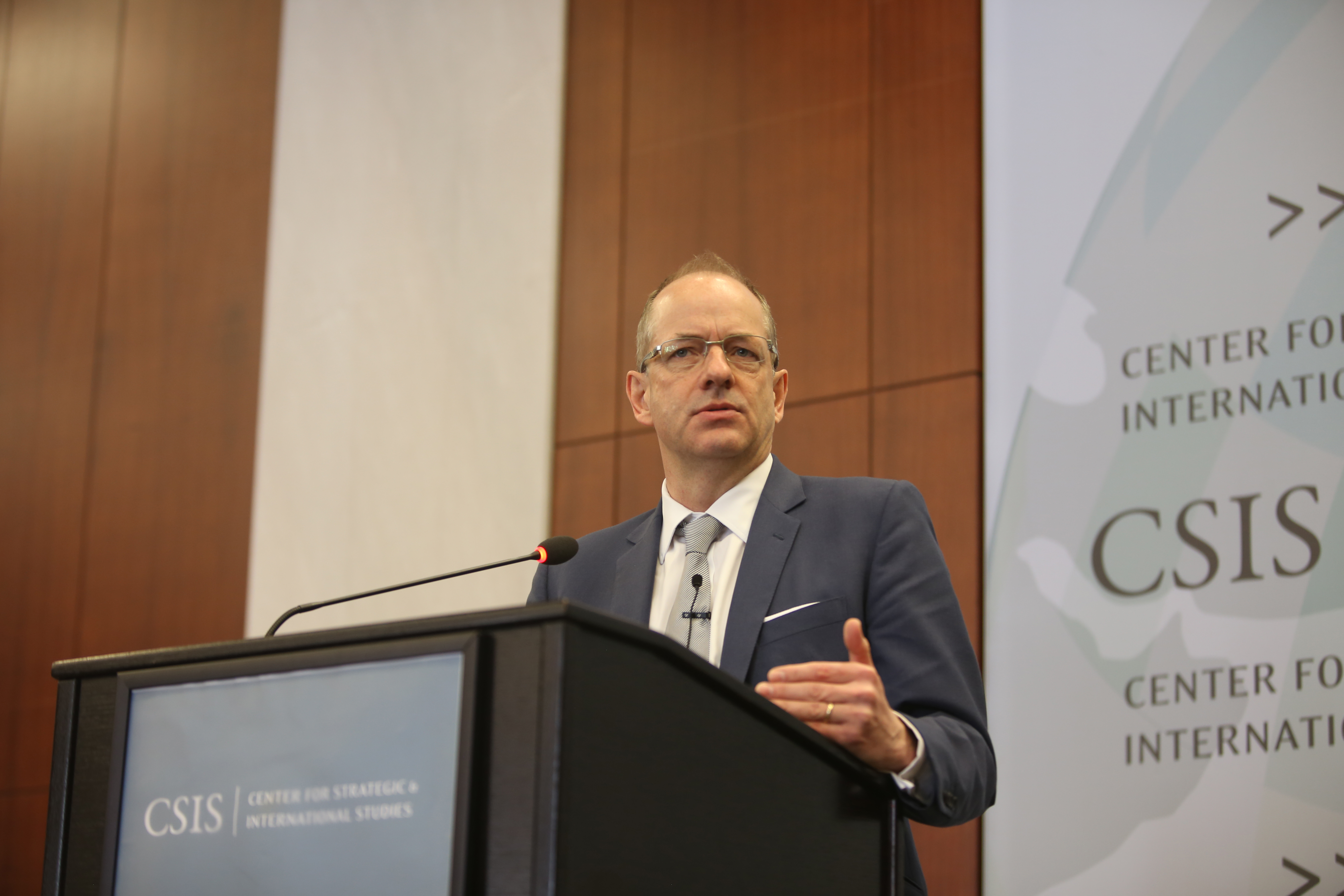
Witty’s address focused on four core pillars:
- Sales and Marketing Overhaul: GSK moved away from traditional volume-based sales incentives for its commercial representatives, tying compensation instead to technical knowledge, customer service, and ethical standards. This shift was designed to eliminate aggressive marketing tactics and realign sales practices with genuine medical needs.
- Clinical Trial Transparency: Witty championed unprecedented openness regarding clinical data. GSK committed to publicly sharing anonymized patient-level data from its clinical trials through an online portal, enabling independent researchers to verify findings and accelerating scientific progress.
- Tiered Pricing and Intellectual Property: In developing nations, GSK implemented flexible pricing models linked to local purchasing power. Furthermore, the company pioneered progressive intellectual property (IP) strategies, such as placing certain patents in patent pools (like the Medicines Patent Pool) to facilitate generic manufacturing for HIV/AIDS, tuberculosis, and malaria treatments in low-income countries.
- Targeting Unmet Medical Needs: Witty emphasized the necessity of redirecting R&D investments toward diseases that disproportionately affect the developing world, rather than focusing exclusively on lucrative lifestyle drugs or "me-too" reformulations for wealthy Western populations.
Expert Roundtable Analysis: Perspectives on Ethics, Regulation, and Access
Following the keynote, the roundtable discussion pushed the conversation deeper into the ethical, regulatory, and geopolitical dimensions of global health policy.
Dr. Margaret Hamburg brought her extensive regulatory experience to the discussion, emphasizing the indispensable role of robust regulatory authorities in ensuring product quality and safety while simultaneously accelerating pathways for breakthrough innovations. Hamburg noted that trust in the pharmaceutical industry is inextricably linked to trust in regulatory watchdogs like the FDA. When safety standards are transparent and scientific integrity is maintained, public confidence in new therapies naturally increases. Furthermore, Hamburg addressed the growing friction between rapid technological advancements—such as precision medicine and genomics—and the regulatory frameworks required to evaluate them safely and equitably.
Dr. Ezekiel Emanuel offered a rigorous bioethical critique of current pharmaceutical pricing models and market incentives. Emanuel challenged the industry’s standard defense that exorbitant drug prices are universally required to fund high-risk R&D, pointing out discrepancies between marketing expenditures and actual innovation costs. He argued that sustainable reform requires systemic structural changes, including more transparent cost-accounting from drug manufacturers, smarter use of public-private partnerships, and potentially new reimbursement structures that reward clinical value rather than mere volume. Emanuel also highlighted the ethical obligations of high-income nations to support equitable global access, warning that health disparities across borders ultimately undermine global security and economic stability.
Moderator J. Stephen Morrison steered the conversation toward actionable takeaways, prompting the panelists to consider how multilateral institutions, civil society organizations, and private corporations can forge durable coalitions to address neglected health threats. Morrison underscored that private sector leadership, as demonstrated by GSK’s policy shifts, must become an industry-wide norm rather than an isolated corporate exception.
Broader Impact and Implications
The March 2016 CSIS forum occurred at a critical inflection point for global health governance, casting a long shadow over subsequent policy debates in the pharmaceutical sector. The themes discussed—pricing transparency, intellectual property flexibility, clinical data sharing, and R&D prioritization—have only intensified in relevance in the years following the event.
While initiatives such as tiered pricing and patent pooling demonstrated that commercial profitability and social responsibility are not mutually exclusive, critics at the time and since have argued that voluntary corporate reforms fall short of what is required to achieve universal health coverage. The tension between proprietary IP rights, protected by international trade agreements like TRIPS, and the human right to health remains a central fault line in global health diplomacy.
Nevertheless, the framework articulated by Sir Andrew Witty and scrutinized by experts like Hamburg and Emanuel established an important baseline for corporate accountability. By openly engaging with public health critics on neutral, policy-oriented platforms like CSIS, pharmaceutical leaders acknowledged that the traditional, insular defense mechanisms of the past were no longer viable in an interconnected, information-driven world.
Ultimately, the event underscored a timeless reality: that the bio-pharmaceutical industry occupies a unique societal position. As both a driver of miraculous scientific breakthroughs and a steward of human life, the sector’s ultimate legitimacy rests not solely on its financial balance sheets, but on its tangible contributions to global health equity, transparency, and the alleviation of human suffering.