
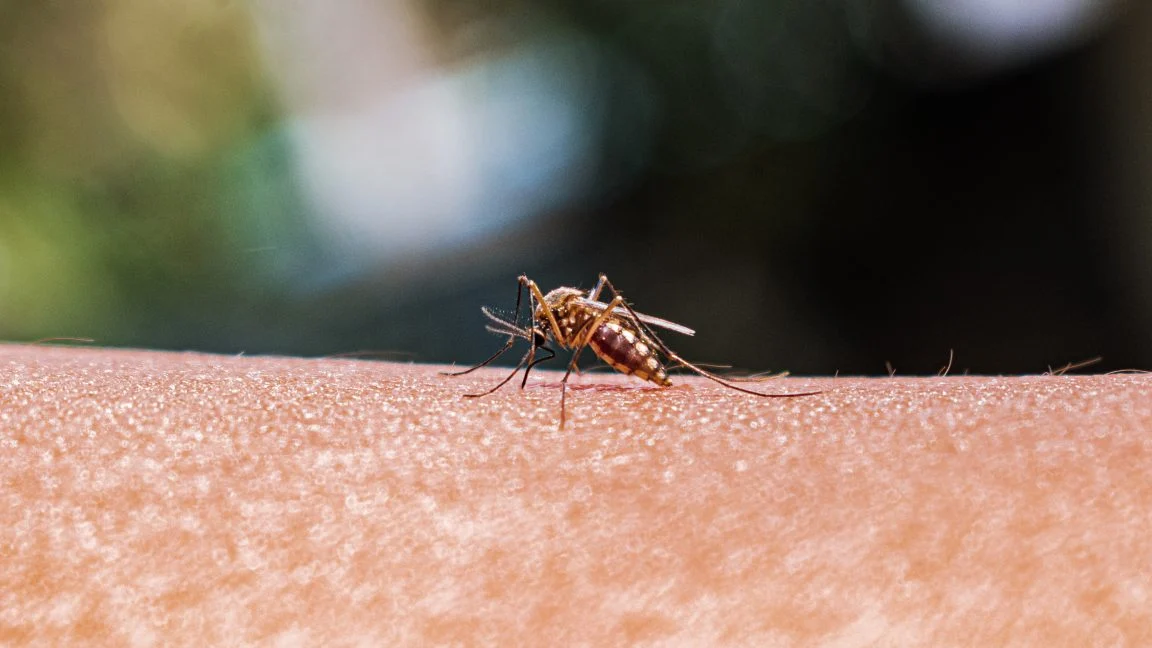
The current landscape of mosquito surveillance in New York State is characterized by a patchwork of county-level initiatives that struggle under the weight of logistical burdens, fiscal constraints, and a lack of centralized coordination. As climate change shifts the geographic range of disease-carrying insects, public health experts and state legislators are warning that the status quo—described in recent statehouse documents as a “sparse and disintegrated” system—is insufficient to mitigate the growing threat of vector-borne diseases. A bill currently moving through the New York State Legislature, S10393, seeks to rectify these gaps by establishing a comprehensive, state-integrated monitoring program designed to identify emerging risks before they manifest as public health crises.
The Logistical Hurdles of Modern Surveillance
Monitoring programs for mosquitoes are inherently resource-intensive, demanding a high degree of technical expertise and physical labor. Under existing protocols, field teams must deploy a variety of traps designed to exploit the biological instincts of different species. Some traps rely on "stinky water"—containers filled with decaying organic material that mimics the stagnant pools where female mosquitoes prefer to lay their eggs. Others require a consistent supply of carbon dioxide, typically sourced from dry ice, to simulate the breath of mammals, thereby luring host-seeking mosquitoes.
In rural New York, these logistical requirements often become operational bottlenecks. The difficulty of sourcing dry ice in remote counties is so pronounced that research teams have, at times, been forced to manufacture their own supply to maintain trap efficacy. Beyond the procurement of materials, the subsequent laboratory work is equally demanding; it requires specialists to identify species, sort thousands of specimens, and conduct viral testing—a process that is as time-consuming as it is expensive.
A Fragmented Landscape
The decentralized nature of mosquito control in New York has created significant "blind spots" in the state’s public health defenses. Because surveillance is largely managed at the county level, there is little uniformity in data collection or reporting. According to experts like Dr. Benjamin Leydet, a specialist in the field, this disjointed approach means that many counties operate in silos, failing to communicate findings or share data on invasive species movement.
This lack of data integration has allowed several invasive mosquito species to migrate across state lines and establish populations without being promptly detected. When surveillance is "hit or miss," the state effectively loses the window of opportunity required to implement early-stage interventions. The implications of this are significant: when a new species or a new viral strain is detected only after an outbreak has begun, the state is forced into a reactive stance, relying on emergency measures rather than proactive, community-based prevention.
Financial Instability and the Prevention Paradox
Funding remains the primary obstacle to developing a more robust surveillance architecture. Mosquito control programs are often the first to face budget cuts during economic downturns, as they are frequently viewed as discretionary rather than essential services. "If the county doesn’t have money or resources, these programs fade away," says Leydet. This creates a "prevention paradox": by the time an outbreak occurs, the economic and public health costs of containment—such as wide-scale pesticide spraying, hospitalizations, and loss of productivity—far exceed the cost of maintaining a consistent, year-round monitoring program.
Historically, the timeline of vector-borne disease in the Northeast has shifted significantly over the past two decades. The arrival of the West Nile Virus in the late 1990s served as a wake-up call for many states, prompting initial investments in surveillance. However, as the initial urgency faded, the funding for these programs stagnated. Now, with the introduction of new invasive species such as Aedes albopictus (the Asian tiger mosquito), which is highly efficient at transmitting viruses like Dengue, Chikungunya, and Zika, the existing infrastructure is proving to be outdated and ill-equipped for the modern environmental reality.
Legislative Intervention: The S10393 Initiative
The bill introduced in the current legislative session represents a pivot toward a more centralized, data-driven strategy. By providing a framework for a unified surveillance system, S10393 aims to standardize the methods used across all 62 counties. The legislation is not merely about increasing the number of traps; it is about establishing a statewide information-sharing network that allows health officials to monitor the migration of mosquito populations in real time.
If passed, the bill would facilitate the transition from a collection of isolated county efforts to a cohesive state network. This would enable the New York State Department of Health to issue uniform guidance on when and where to apply targeted interventions, such as the use of larvicides in identified breeding habitats or public awareness campaigns regarding the use of insect repellent and protective clothing.
Implications of Climate Change on Vector Ranges
The urgency behind this legislative push is underscored by shifting climate data. Warmer winters and more frequent, intense rainfall events have created an ideal environment for mosquito proliferation in regions of New York that were previously too cold for certain species. According to data from the National Oceanic and Atmospheric Administration (NOAA), the Northeast has experienced a significant increase in average temperatures over the last thirty years, directly impacting the life cycles of arthropod vectors.
When temperatures rise, the extrinsic incubation period—the time it takes for a mosquito to become infectious after biting an infected host—shortens, leading to a faster rate of viral transmission. As these environmental conditions evolve, the state’s inability to track these changes in real-time creates an compounding risk. The integration of climate modeling with biological surveillance is a stated goal of those advocating for the new legislation, as it would allow the state to predict "hot zones" before they become active breeding sites.
Challenges to Centralization
While there is broad bipartisan interest in bolstering public health, the practical implementation of a centralized system faces skepticism regarding the bottom line. Large states with diverse topographies—ranging from the dense urban environment of New York City to the sprawling rural landscapes of the Adirondacks—require vastly different surveillance tactics.
"There is general interest in these programs, but when you start seeing what they cost, it’s like, ‘Maybe we’re not that interested,’" Leydet notes. The challenge for legislators will be balancing the need for rigorous, state-mandated standards with the fiscal realities of individual counties. A mandate without adequate state-level funding could inadvertently place an undue burden on rural counties that are already operating on razor-thin budgets.
The Path Forward: A Multi-Layered Defense
Experts suggest that a successful program must involve a multi-layered approach that goes beyond simple trapping. This includes:
- Public Education: Expanding the reach of communication regarding the removal of standing water on private property.
- Technological Innovation: Investing in rapid molecular diagnostic tools that allow for the identification of viral pathogens in samples within hours rather than days.
- Cross-Agency Collaboration: Strengthening the link between environmental agencies, which monitor water quality and climate data, and public health agencies, which track clinical cases.
- Integrated Pest Management (IPM): Prioritizing non-chemical, source-reduction methods, such as clearing drainage ditches and promoting natural predators, to reduce the reliance on chemical spraying.
The debate surrounding S10393 is a reflection of a broader global trend where public health systems are being forced to adapt to the realities of a rapidly changing environment. Whether the state chooses to commit the necessary financial and political capital to this effort remains to be seen. However, as the lines between seasonal weather and year-round climate shifts blur, the cost of inaction is becoming increasingly clear.
As Leydet emphasizes, "Any help is better than nothing." For public health officials in New York, the upcoming legislative session may represent the last best chance to move from a reactive, crisis-management footing to a sustainable, proactive model of disease prevention. By fostering a culture of coordination and investing in the necessary infrastructure, New York could set a precedent for how states can protect their citizens against the evolving threats of a changing climate. The current "patchwork" is not merely an administrative inefficiency; it is a critical vulnerability that the state is now, for the first time, seriously attempting to close.