
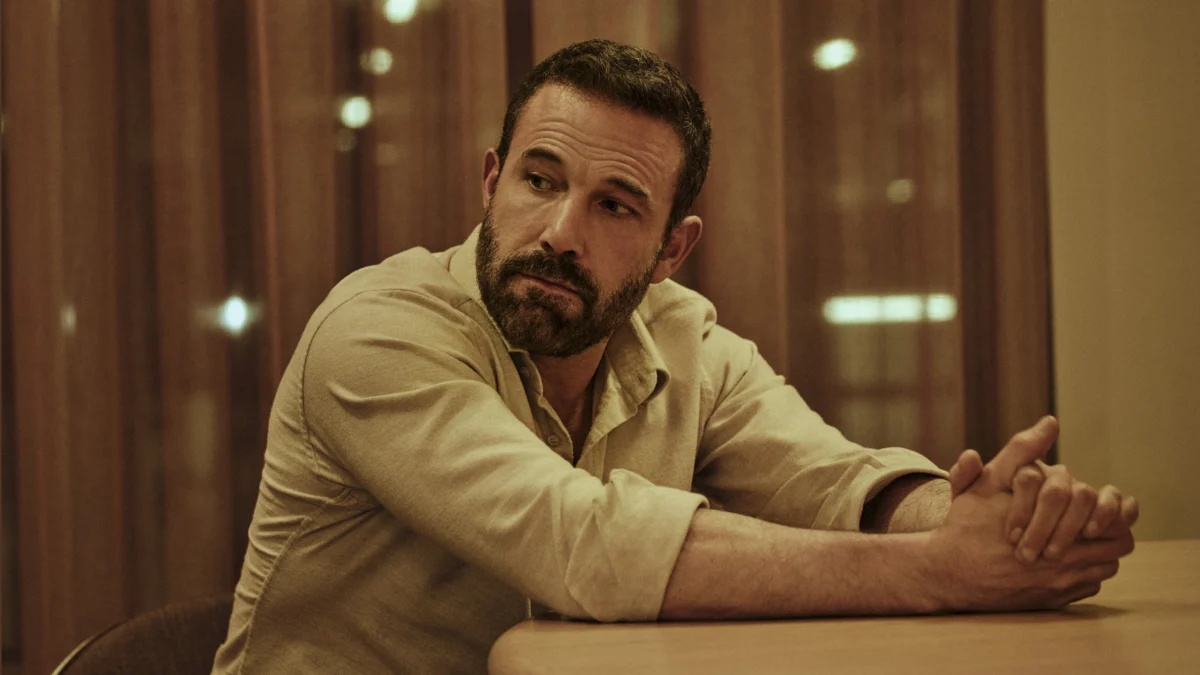
In a formal regulatory filing submitted to the Securities and Exchange Commission, Netflix has officially disclosed the final financial terms regarding its acquisition of InterPositive, an artificial intelligence startup co-founded by Academy Award-winning filmmaker Ben Affleck. The streaming giant paid $587 million in cash to bring the startup into its corporate fold, a figure that solidifies earlier industry estimates and underscores the company’s aggressive investment strategy in generative technology. The acquisition, which was first publicly announced in March 2026, represents a significant shift in how Netflix intends to streamline its post-production workflows and combat the rising costs of high-end content creation.
The integration of InterPositive into the Netflix infrastructure is part of a broader, industry-wide trend toward utilizing machine learning to solve technical bottlenecks that have historically plagued film and television productions. By absorbing the startup’s proprietary toolset, Netflix aims to leverage AI to automate complex post-production tasks that traditionally require manual intervention, effectively reducing the time and capital required to deliver finished content to its global subscriber base.
A Chronology of the Acquisition
The path to this multi-million dollar acquisition began in early 2026, though rumors of Netflix’s interest in AI-driven production tools had been circulating for months. The timeline of the deal highlights a rapid transition from internal development to full-scale corporate integration:
- Early 2026: Speculation mounts regarding Netflix’s internal R&D efforts into generative AI, specifically targeting post-production efficiency.
- March 5, 2026: Netflix officially announces the acquisition of InterPositive. The company confirms that the entire staff of the startup will transition to Netflix, with Ben Affleck assuming the role of a senior advisor to the production technology division.
- March 11, 2026: Financial reports from Bloomberg suggest the deal valuation may be in the neighborhood of $600 million, citing anonymous sources familiar with the negotiation.
- June 30, 2026: Netflix files its periodic regulatory disclosure, officially confirming the $587 million cash payout, effectively closing the book on the valuation debate.
This timeline reflects a strategic move by Netflix to secure proprietary technology before competitors could move on the same assets. By securing the InterPositive team—a group of engineers and creative professionals who understand both the technical requirements of software development and the aesthetic demands of high-budget filmmaking—Netflix has insulated itself from the potential volatility of licensing third-party AI tools.
The Technological Promise of InterPositive
At the core of the acquisition is the specific utility of InterPositive’s software. According to public statements made by Affleck at the time of the announcement, the tools are designed not to replace the human element of storytelling, but to address the "real-world production challenges" that frequently disrupt shooting schedules and inflate budgets.
These challenges include, but are not limited to, the necessity for background replacements, the correction of inconsistent lighting across multiple takes, and the filling of gaps where shots may have been missed during principal photography. In traditional filmmaking, these issues often necessitate expensive reshoots or weeks of labor-intensive work by visual effects (VFX) artists. InterPositive’s generative AI engine allows for the manipulation of footage in a way that preserves the original performances while seamlessly integrating necessary environmental or atmospheric adjustments.
Affleck’s rhetoric during the initial acquisition phase emphasized a desire to "protect the power of human creativity." This framing is significant, as it addresses the growing anxiety within Hollywood regarding the role of AI. By positioning the technology as a "filmmaker’s assistant" rather than a replacement, the company has attempted to align itself with the creative community, framing the acquisition as an empowerment tool rather than a disruptive force intended to displace labor.
Supporting Data and Industry Context
The financial magnitude of the $587 million acquisition is reflective of Netflix’s commitment to internalizing the cost of innovation. In its most recent earnings report, the company disclosed that approximately 300 of its titles released this year have utilized some form of generative AI. This statistic is critical for understanding why the company is willing to invest nearly six hundred million dollars into a single startup; the scale of implementation is already broad, and the potential for cost-saving at an enterprise level is immense.
Data from the motion picture industry suggests that the average cost of production for a prestige-level streaming title has seen a compound annual growth rate (CAGR) of nearly 8% over the last five years. Factors such as location scouting, lighting equipment, and extended post-production cycles contribute heavily to these costs. If the integration of InterPositive’s tools can reduce post-production timelines by even 15%, the return on investment for the $587 million purchase could be realized within a few years of full deployment.
Furthermore, the integration of AI into Netflix’s pipeline allows the company to maintain a higher output of content without necessarily increasing the headcount of its post-production staff. This scalability is a primary driver for the streaming industry, where the "content treadmill" requires a constant flow of high-quality material to retain subscriber engagement.
Official Responses and Strategic Implications
While the deal has been finalized, the broader implications remain a subject of analysis for industry experts and labor unions. Netflix’s management has maintained that the acquisition is purely about efficiency. "The integration of these tools will allow our creators to focus on the narrative rather than the logistics," a company representative noted during the quarterly investor call.
However, the acquisition has not been without scrutiny. Organizations representing creative workers, such as the International Alliance of Theatrical Stage Employees (IATSE) and various guilds, have expressed concern regarding the long-term impact of AI on job security. While Affleck’s presence as a senior advisor provides a bridge between the tech developers and the creative community, the industry is closely watching to see how many of the "300 titles" mentioned in the earnings report were augmented by AI in ways that might have otherwise utilized traditional unionized VFX labor.
From a market perspective, analysts see the move as a clear signal that Netflix is preparing for a new era of digital production. By owning the technology, Netflix gains a competitive advantage over legacy studios that may rely on third-party VFX vendors. The ability to deploy proprietary AI tools across its massive library of global content gives Netflix a level of vertical integration that is becoming increasingly rare in the entertainment sector.
The Future of AI in Content Creation
Looking forward, the success of the InterPositive acquisition will likely be measured by the seamlessness of the tech’s integration into upcoming flagship productions. If the software can achieve a level of realism that is indistinguishable from traditional VFX, it could set a new standard for the industry.
The acquisition also raises questions about the future of intellectual property in the age of generative AI. As Netflix begins to train its proprietary models on its own massive vault of film and television data, it is creating a feedback loop that could make its production capabilities exponentially more efficient over time.
In conclusion, the $587 million cash payment for InterPositive is not merely an investment in a software startup; it is a strategic maneuver to control the future of the digital production pipeline. Whether this move leads to a new golden age of creative efficiency or further exacerbates tensions regarding labor and technology in Hollywood remains to be seen. However, one thing is certain: Netflix has solidified its position at the forefront of the AI-driven entertainment revolution, and the industry will be watching closely to see how the partnership with Ben Affleck evolves in the coming fiscal quarters.