
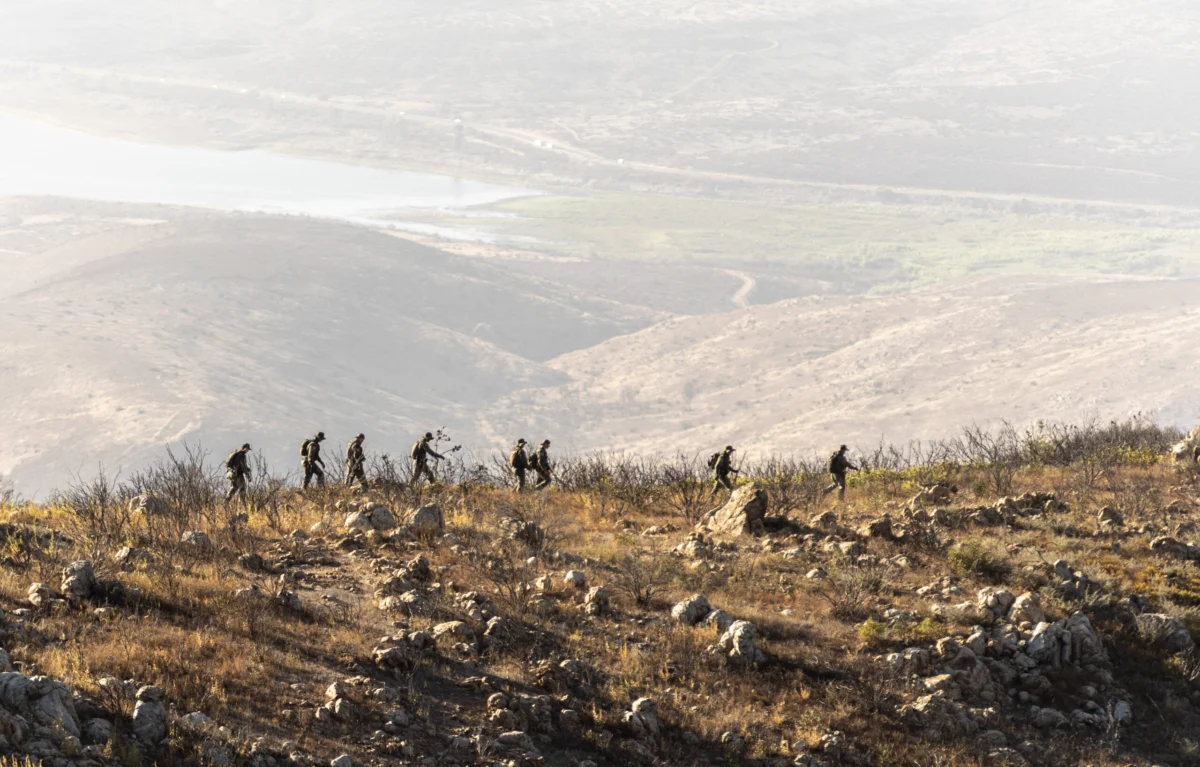
The rugged landscape of the Otay Mountain Wilderness in Southern California is among the most heavily monitored stretches of terrain on the planet. Blanketed by an intricate, interconnected web of radar, underground seismic sensors, drones, and towering artificial intelligence-enabled video poles, the region is designed to provide federal authorities with total situational awareness. Yet, beneath the gaze of millions of dollars in high-resolution optics, human lives continue to be lost in silence.
An extensive joint investigation by MIT Technology Review and Times of San Diego has revealed that over the past four years, at least 138 migrants have died within the operational range of the very surveillance cameras deployed to monitor the borderlands. Topographical analyses indicate that more than half of these remains were discovered in locations with a direct, unobstructed line of sight from a surveillance tower. The stark juxtaposition of ubiquitous high-tech oversight and recurring fatal tragedies highlights a profound humanitarian crisis at the intersection of modern border enforcement and treacherous wilderness terrain.
The Tragic Journey of Graciela Gómez Hernández

The human cost of this high-tech surveillance apparatus is epitomized by the final hours of 30-year-old Graciela Gómez Hernández. On September 14, 2025, Gómez Hernández crossed the border from Tijuana into Southern California, embarking on a desperate journey to secure financial stability for her aging parents and three children in southern Mexico. Her oldest son, 11, had recently asked for a bicycle—a simple request that helped fuel her decision to make the perilous trek.
Having paid smugglers roughly $1,150 for guidance on where and when to cross, Gómez Hernández walked the initial hillsides of the Otay Mountain Wilderness alone. As she traversed the dusty, sagebrush-covered trails, she maintained contact with her family via WhatsApp voice messages, reporting the presence of overhead helicopters and patrolling white Border Patrol trucks.
By mid-afternoon, however, the grueling terrain and oppressive heat began to take a severe toll. Between 2:00 p.m. and 3:00 p.m., Gómez Hernández whispered her final words to her mother: “I can’t do it anymore.”
Despite being within a mile of a slender gray surveillance tower operated by General Dynamics—equipped with long-range electro-optical and infrared lenses capable of tracking targets miles away—no rescue materialized. Two weeks later, forensic recovery teams found that most of her body had decomposed into the earth. Whether the automated systems failed to detect her distress or federal agents registered her presence and chose not to intervene remains an unanswered question.

A Chronology of Surveillance Expansion and Oversight
The proliferation of surveillance technology along the U.S.–Mexico border has accelerated dramatically over the past two decades. The United States government has poured more than $1 billion into deploying hundreds of autonomous surveillance towers (ASTs) manufactured by defense contractors such as Anduril and General Dynamics.
According to data compiled by the Electronic Frontier Foundation, more than 120 surveillance towers currently stand along the California border alone. Government Accountability Office (GAO) reports indicate that Customs and Border Protection (CBP) operates over 800 fielded towers across the southwestern border, with plans to expand the network to roughly 2,300 towers by 2034, backed by substantial federal funding allocations.
This technological grid has expanded to include military-grade G-BOSS(E) towers, thermal imaging, license plate readers, and, as directed by federal directives, Department of Defense spy satellites. Proponents of the infrastructure argue that these smart systems multiply the effectiveness of border personnel. Industry representatives have stated that autonomous towers have successfully identified hundreds of thousands of unauthorized crossings and directly contributed to interdiction efforts.

However, the operational reliability of these installations in rugged, mountainous environments has faced significant scrutiny. Internal memos and military reports have documented chronic technical vulnerabilities, including towers prone to tipping, vulnerable to rodent damage, and susceptible to camera optics becoming stuck in fixed zoom positions due to rough transport over dirt roads. Furthermore, a 2024 NBC News investigation revealed that approximately 30% of older surveillance towers required manual human review and were frequently non-operational due to broken or outdated components.
The Divergent Paths of Migrant Survival
The expansion of high-tech surveillance has fundamentally altered migration patterns along the Southern California border. Rather than acting strictly as a tool for apprehension or rescue, analysts and humanitarian advocates suggest that the primary effect of the tower network is deterrence—funneling migrants away from heavily monitored zones and into increasingly remote, hostile, and dangerous terrain.
Migrant rights advocates, including representatives from organizations like No More Deaths and Border Angels, point out that the density of surveillance infrastructure forces individuals to bypass traditional routes. Consequently, desperate travelers attempt perilous dashes through extreme environments, often moving at a frantic pace to avoid detection before law enforcement units can respond. This urgency frequently prevents travelers from carrying or consuming adequate water, drastically accelerating the onset of dehydration, heatstroke, or hypothermia.

Independent researchers and rescue coordinators emphasize that human resources remain a vital bottleneck in the surveillance chain. Even when AI-enabled towers successfully identify movement, apprehension and rescue depend entirely on the availability and prioritization of human agents. Advocates argue that single travelers or individuals in distress are frequently deprioritized in favor of larger groups, leaving vulnerable people stranded without emergency assistance.
Official Responses and Institutional Silence
When questioned regarding the operational status of specific towers or their protocols for utilizing surveillance data in emergency rescue operations, federal agencies have largely declined to provide substantive public commentary.
Representatives for defense contractor Anduril did not respond to media inquiries regarding tower performance in mountainous topography, while General Dynamics deferred all operational questions to the U.S. Border Patrol. The Border Patrol has similarly declined to comment on whether specific surveillance systems detected individuals like Gómez Hernández prior to their deaths.

Meanwhile, humanitarian search and rescue leaders, such as Rafael Hernández Larraenza of Desert Angels and Cesar Ortigoza of the Armadillos search group, continue their grassroots efforts to locate missing persons and recover human remains. These groups report receiving dozens of distress calls weekly from families searching for missing relatives, highlighting a persistent humanitarian crisis that transcends policy shifts and technological upgrades.
Broader Implications for Border Security and Human Rights
The intersection of advanced artificial intelligence, border enforcement, and wilderness survival raises critical questions regarding the ethical responsibilities of state surveillance infrastructure. As federal agencies move toward a fully integrated, automated border security architecture, the persistence of migrant fatalities within the nominal field of view of high-resolution cameras underscores a systemic disconnect between technological capability and humanitarian intervention.
Legal and policy analysts argue that as long as push factors—such as economic instability and systemic violence in migrants’ home countries—persist, individuals will continue to undertake deadly journeys. The ongoing expansion of surveillance towers ensures that the borderlands will remain heavily watched, yet the fundamental vulnerability of those traversing the terrain suggests that technology alone cannot resolve the humanitarian toll of modern migration.