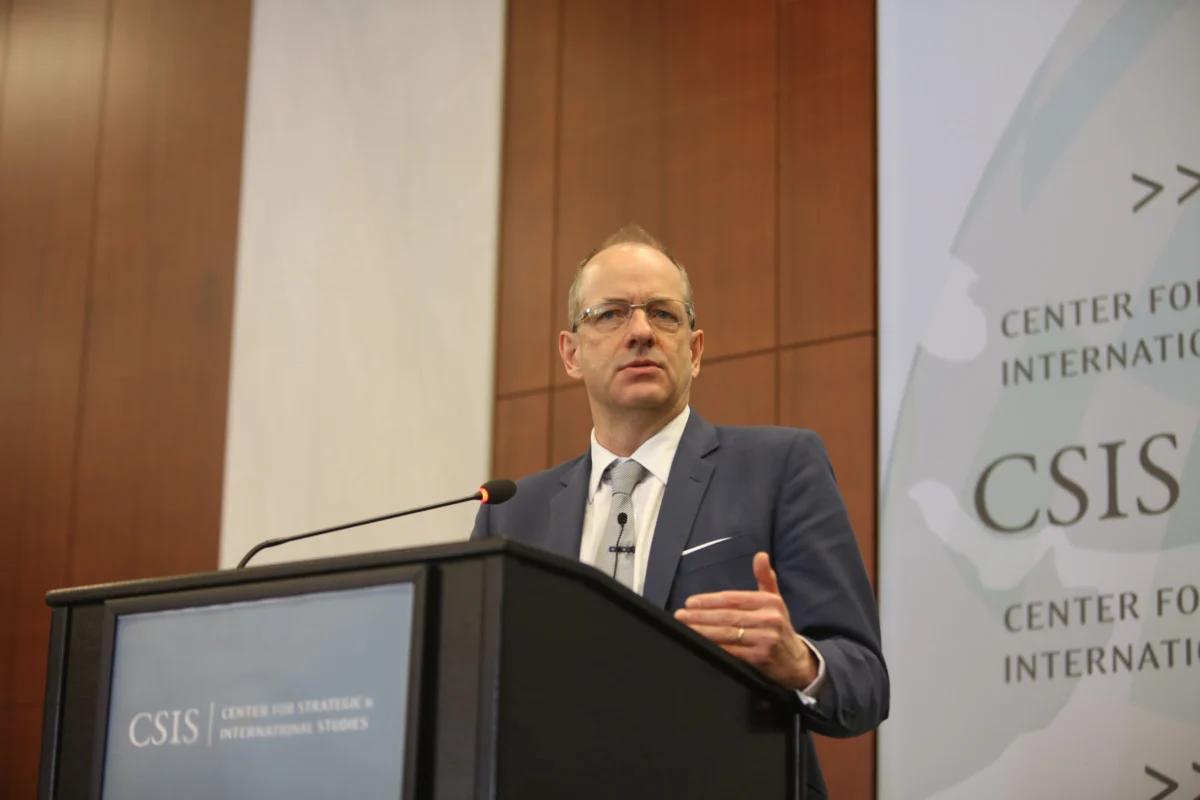
On March 17, 2016, the Center for Strategic and International Studies (CSIS) hosted a landmark policy forum titled "The Bio-Pharma Industry and Society," bringing together global health experts and private sector leadership to confront the growing tension between corporate profitability and public health accessibility. The event, held in Washington, D.C., served as a critical nexus for debating the responsibilities of the bio-pharmaceutical sector in an era defined by rising drug prices, the need for increased transparency, and the global imperative to address unmet medical needs.
The Context of the 2016 Policy Landscape
The forum occurred during a period of intense scrutiny for the global pharmaceutical industry. By early 2016, the sector was facing a multifaceted crisis of confidence. Public outcry regarding the pricing of specialty medicines, such as those for Hepatitis C and oncology, had reached a fever pitch. Concurrently, the international community was looking toward the United Nations Secretary-General’s High-Level Panel on Access to Medicines, which was tasked with reconciling the rights of innovators with the public’s right to health.
The CSIS event was designed to move beyond the binary of "industry versus advocate" and instead foster a constructive dialogue on structural reforms. The central thesis of the discussion was that for bio-pharmaceutical firms to remain viable long-term partners in global health, they must actively participate in building trust through radical transparency and sustainable pricing models.
Keynote Address: Sir Andrew Witty and the GSK Reform Agenda
Sir Andrew Witty, then-CEO of GlaxoSmithKline (GSK), opened the proceedings with a keynote address that highlighted his firm’s proactive shift in business strategy. Recognizing that the "blockbuster" model of the late 20th century—which often prioritized volume and aggressive marketing—was increasingly incompatible with modern public expectations, Witty outlined a multi-pillar reform strategy.
His presentation focused on four key areas:
- Sales and Marketing: Witty discussed the transition away from individual sales representative incentives based solely on prescription volume, a practice that had historically drawn criticism for fueling over-prescription.
- Clinical Trial Transparency: GSK committed to the public disclosure of clinical trial data, a move intended to combat "publication bias," where negative results are buried, potentially harming patient safety and scientific integrity.
- Pricing Tiers: A cornerstone of Witty’s address was the concept of "tiered pricing" based on a country’s economic development. This approach aimed to ensure that life-saving medicines were not priced out of reach for lower-middle-income nations while maintaining commercial viability in more affluent markets.
- R&D Focus: Witty highlighted the redirection of resources toward "unmet medical needs," particularly those affecting the developing world, such as neglected tropical diseases and pediatric health.
Roundtable Discussion: Interdisciplinary Perspectives
Following the keynote, a panel discussion moderated by J. Stephen Morrison, Senior Vice President and Director of the CSIS Global Health Policy Center, provided a broader academic and regulatory perspective. The panelists included Sir Andrew Witty, Dr. Margaret Hamburg, the Foreign Secretary of the Institute of Medicine (now the National Academy of Medicine), and Dr. Ezekiel Emanuel, a preeminent voice in medical ethics and the former advisor to the White House on health policy.
Dr. Margaret Hamburg underscored the necessity of robust regulatory frameworks. She argued that the pharmaceutical industry’s role is inherently tied to the strength of the public health infrastructure in which it operates. Without a stable, transparent regulatory environment, innovation cannot reach the populations that need it most.
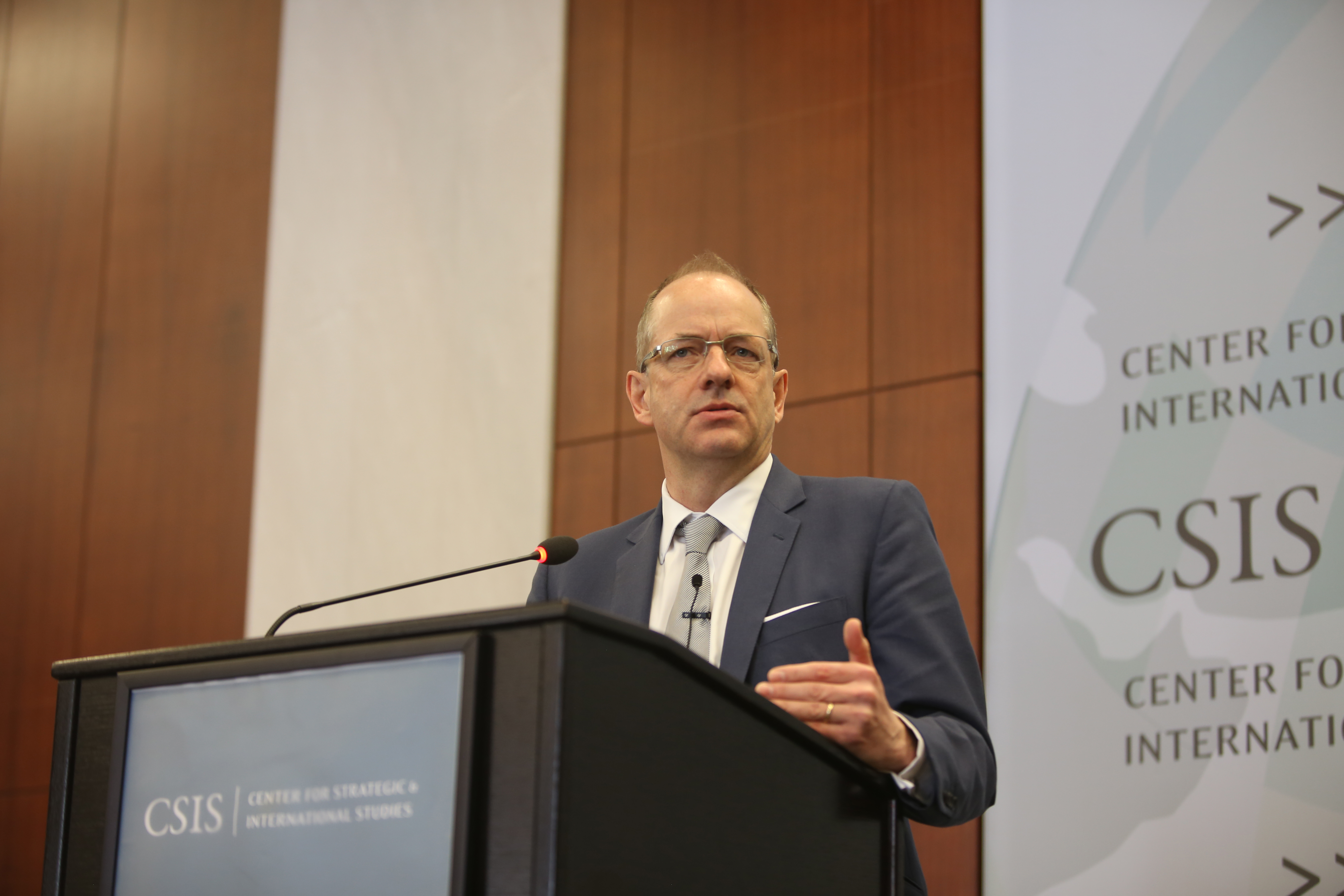
Dr. Ezekiel Emanuel provided a rigorous critique of the industry’s current economic incentives. He noted that while innovation is essential, the "value-based" pricing model is still in its infancy. He challenged the panel to consider whether current R&D investments are truly aligned with the greatest burden of disease or if they are disproportionately skewed toward "me-too" drugs—minor variations of existing treatments that offer little clinical benefit but generate significant profit.
Chronology of the 2016 Global Health Policy Shift
The CSIS event was part of a broader chronology of policy shifts occurring in 2016:
- February 2016: The UN Secretary-General’s High-Level Panel on Access to Medicines formally begins its investigation into the policy incoherence between intellectual property rights and human rights.
- March 2016: The CSIS symposium serves as a primary platform for industry leaders to respond to the criticisms fueling the UN Panel’s mandate.
- May 2016: The World Health Assembly addresses the growing concerns of drug pricing and procurement, citing the need for greater transparency in the pharmaceutical supply chain.
- September 2016: The UN High-Level Meeting on Antimicrobial Resistance occurs, highlighting the shared responsibility of pharmaceutical firms in maintaining the efficacy of existing antibiotics.
Supporting Data and Industry Implications
At the time of the conference, the global pharmaceutical market was valued at over $1 trillion. However, the disparity in access remained stark. According to data available in 2016, approximately one-third of the world’s population lacked regular access to essential medicines.
The implications of the discussions held at CSIS were profound for the industry. The consensus among the experts was that the "Social License to Operate" for pharmaceutical companies was becoming contingent upon three factors:
- Evidence-based pricing: Moving away from "what the market will bear" toward pricing that reflects the therapeutic value of the innovation.
- Collaborative R&D: Participating in "open science" initiatives, such as the sharing of compound libraries for neglected diseases, which GSK had pioneered.
- Ethical Marketing: Ensuring that pharmaceutical promotion is rooted in clinical data rather than aggressive sales tactics that may compromise physician-patient trust.
Broader Impact and Future Outlook
The "Bio-Pharma Industry and Society" event was more than a mere policy discussion; it acted as a catalyst for a shift in corporate governance within the sector. By engaging directly with critics like Dr. Emanuel and institutional leaders like Dr. Hamburg, industry executives were forced to address the ethical implications of their business models in a public forum.
The impact of this dialogue can be seen in the subsequent years, as many large pharmaceutical firms adopted more stringent transparency policies. While the tensions surrounding drug pricing persist today, the 2016 CSIS forum established a framework for how these issues must be addressed: through multi-stakeholder collaboration, a commitment to global equity, and a rigorous adherence to scientific transparency.
The discourse fostered by the CSIS Global Health Policy Center served as a reminder that the bio-pharmaceutical industry does not operate in a vacuum. It is a critical component of the global social contract. The success of the industry is no longer measured solely by quarterly earnings or the number of patents filed, but by the tangible improvements in health outcomes across diverse populations. As the participants concluded in 2016, the path toward a more accessible future requires a fundamental realignment of incentives, where the pursuit of medical innovation is inextricably linked to the pursuit of the public good.
Conclusion
The CSIS forum on March 17, 2016, remains a significant case study in institutional diplomacy. It highlighted that while the private sector is the engine of medical innovation, the public sector and civil society are the essential governors of that innovation’s reach. By bridging the gap between boardroom strategy and clinical ethics, the participants at this event helped define the standards of corporate responsibility that continue to guide the conversation on global health access today. The legacy of the discussion is a clear mandate: the bio-pharmaceutical industry must remain an ally to the public, prioritizing human health alongside its fiduciary responsibilities.