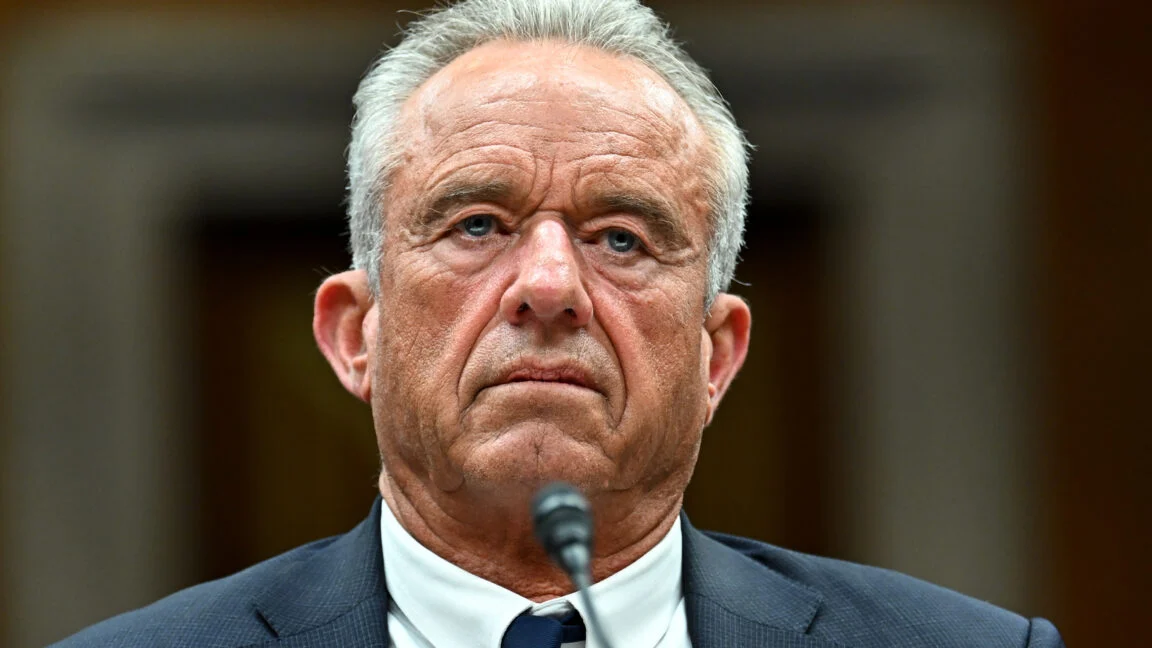
The Department of Health and Human Services (HHS) confirmed on Thursday that the ordering process for COVID-19 vaccines has officially reopened, ending a period of unexplained delays that had raised significant concerns among public health advocates and medical providers. Despite this resolution, the department declined to provide specific details regarding the root cause of the interruption or the technical steps taken to rectify the system, leaving stakeholders with questions regarding the stability of the federal immunization distribution infrastructure. This administrative silence occurs against a backdrop of intensifying friction between federal health agencies and the current leadership of the Department of Health and Human Services under Secretary Robert F. Kennedy Jr.
A Pattern of Administrative Friction
The current climate of regulatory instability traces back to a broader shift in federal policy toward immunization. Secretary Kennedy has, for years, maintained a public platform characterized by intense skepticism toward COVID-19 vaccines. His rhetoric has included labeling the shots the "deadliest vaccines ever made," a claim that contradicts the consensus of major global health organizations and the body of peer-reviewed literature regarding vaccine safety and efficacy.
This ideological opposition has manifested in tangible policy changes. Last year, Secretary Kennedy took the unilateral step of revoking the Centers for Disease Control and Prevention’s (CDC) universal recommendations for COVID-19 vaccination. This move effectively dismantled the standardized messaging that had guided public health practice since the vaccines were first authorized for pediatric use. The revocation created a regulatory vacuum, forcing healthcare providers to navigate a fragmented landscape of guidance that diverged sharply from the recommendations provided by established medical associations.
Judicial Intervention and the Current Regulatory Landscape
The instability reached a tipping point in March of this year, when a federal judge issued an order halting various regulatory changes that Kennedy and his allies had implemented regarding CDC vaccine recommendations. This intervention effectively froze the guidelines in place, reverting them to the status held in July 2025.
Under these reinstated guidelines, the scope of the recommendation for children aged 6 months to 17 years is notably narrow. The CDC currently recommends vaccination primarily for children in this age group who are moderately to severely immunocompromised. For healthy children within that same demographic, the official recommendation is dictated by “shared clinical decision-making.” In practical terms, this requires parents to initiate a consultation with a pediatrician or pharmacist to weigh the risks and benefits of the vaccine, rather than relying on a blanket recommendation for the general pediatric population.
In a recent update to its clinical guidance, the CDC explicitly acknowledged the legal volatility surrounding these protocols. The agency noted: “Because of legal uncertainties and inquiries, the CDC states the recommendations for COVID-19 vaccination from the July 2025 immunization schedule remain in effect for the 2026-2027 respiratory illness season.” This language underscores the extent to which litigation and administrative policy shifts have complicated the agency’s ability to provide clear, consistent messaging to the public.
Discrepancies Between Federal and Professional Guidance
The current federal guidelines stand in stark contrast to the recommendations issued by leading medical organizations, such as the American Medical Association (AMA) and various pediatric professional societies. These groups have published distinct guidance for the 2026-2027 respiratory virus season, advocating for a broader approach to pediatric immunization.
According to the recommendations from these professional medical bodies, all infants between the ages of 6 months and 23 months should receive a COVID-19 vaccine to ensure baseline protection. For children aged 2 to 18, these organizations recommend vaccination for those at higher clinical risk, while also emphasizing that the vaccine should be made readily available to any child in that age range if the family desires it.
The divergence between these professional guidelines and the current federal posture creates a complex environment for practitioners. Physicians are now tasked with reconciling the CDC’s narrow, legally-bound recommendations with the more proactive stance favored by clinical experts. This dissonance can lead to confusion among patients and caregivers, potentially affecting vaccination rates during the critical fall and winter months when respiratory viruses are most prevalent.
Chronology of Recent Events
- Early 2025: Secretary Kennedy implements wide-reaching changes to CDC immunization recommendations, effectively withdrawing universal guidance for pediatric COVID-19 vaccination.
- March 2026: A federal judge issues a preliminary injunction halting the implementation of these policy changes, citing procedural concerns and requiring the CDC to revert to the July 2025 framework.
- Late 2026: The CDC updates its clinical guidance to explicitly reference the legal mandates keeping the July 2025 recommendations in effect for the current respiratory season.
- November 2026: A technical disruption in the HHS vaccine ordering system occurs, leading to a temporary halt in the distribution of doses to providers.
- Thursday: HHS confirms that ordering has been restored, though it provides no explanation for the prior outage.
Supporting Data and Public Health Implications
The impact of these policy shifts is reflected in broader health data trends. Historically, the CDC’s universal recommendations served as the bedrock for the Vaccines for Children (VFC) program, which provides immunizations to families who might otherwise face barriers to access. By moving away from universal recommendations, the current administration has inadvertently complicated the distribution logic of the VFC program.
Epidemiological models suggest that reduced uptake of COVID-19 vaccines in the pediatric population could lead to higher rates of pediatric hospitalizations during peak winter months. Data from the 2024-2025 season showed that while severe outcomes were less frequent in healthy children compared to immunocompromised cohorts, the vaccine remained a critical tool for mitigating community transmission and protecting vulnerable populations, including the elderly and those with chronic illnesses, through reduced secondary exposure.
Public health analysts have pointed out that the current uncertainty is unprecedented. Historically, federal agencies have maintained a consistent, apolitical stance on vaccine safety and distribution, even during changes in executive leadership. The current situation marks a departure from that norm, where the administration’s stated goals are in direct conflict with the traditional mission of the federal health apparatus.
Official Responses and Lack of Transparency
The lack of transparency regarding the vaccine ordering delay has drawn criticism from healthcare provider groups. Several professional associations expressed frustration at the inability to restock supplies during the hiatus, noting that the delay hampered their ability to plan for seasonal demand.
When queried regarding the cause of the system failure, HHS representatives remained non-committal. The department’s refusal to elaborate on whether the delay was a result of technical glitches, supply chain adjustments, or administrative bottlenecks has fueled speculation. Some industry observers suggest that the delay could be a symptom of the ongoing reorganization of HHS functions, while others worry it reflects a lack of institutional focus on vaccine logistics.
Future Outlook and Analytical Implications
The ongoing legal battle and the resulting policy paralysis suggest that the 2026-2027 respiratory season will remain highly unpredictable. With the federal guidelines tethered to a 2025 framework and professional medical societies advocating for broader coverage, the burden of decision-making has shifted significantly toward individual families and their healthcare providers.
From an institutional perspective, the situation highlights the vulnerability of federal public health infrastructure to political interference. When clinical guidance is dictated by administrative directives rather than evolving scientific consensus, the public’s trust in federal health institutions is often eroded. As the legal challenges continue to move through the courts, the medical community will likely continue to rely on the guidance of professional associations, further distancing the practice of medicine from the official federal stance.
The resumption of vaccine ordering is a necessary step, but it does not resolve the deeper questions surrounding the integrity of the nation’s immunization strategy. As the respiratory season progresses, the challenge for health providers will be to navigate these conflicting signals while ensuring that patients have access to the preventative care they require. The reliance on “shared clinical decision-making” effectively places the responsibility for navigating this complex regulatory landscape on the shoulders of the public, a development that will likely have long-term consequences for vaccine literacy and uptake in the United States.