
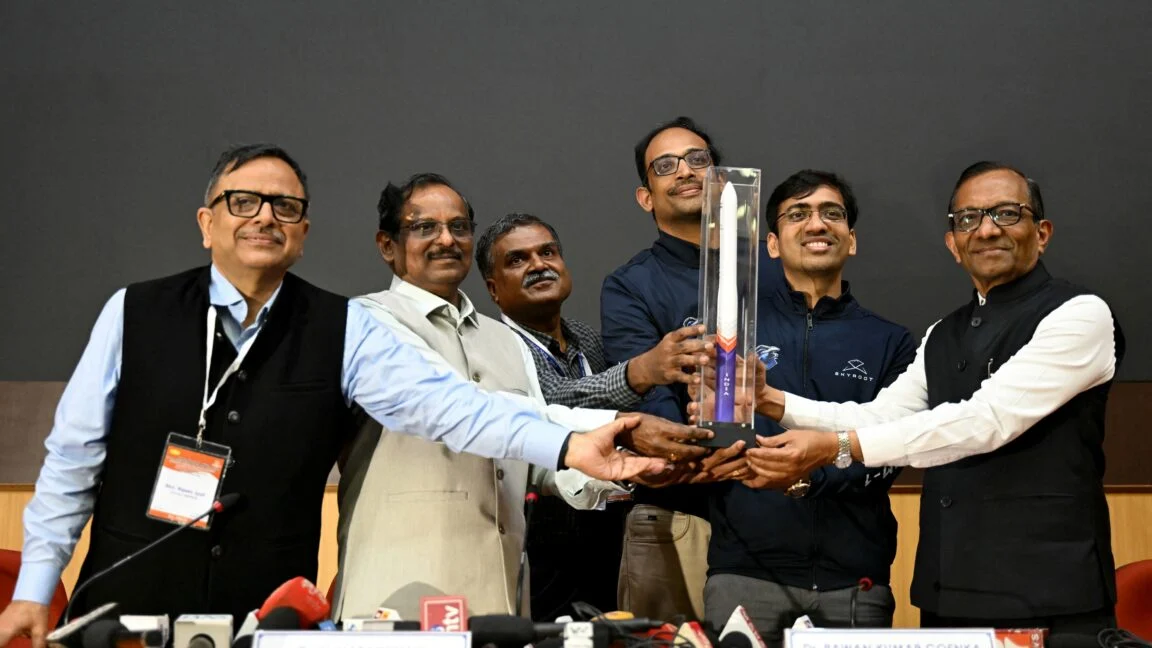
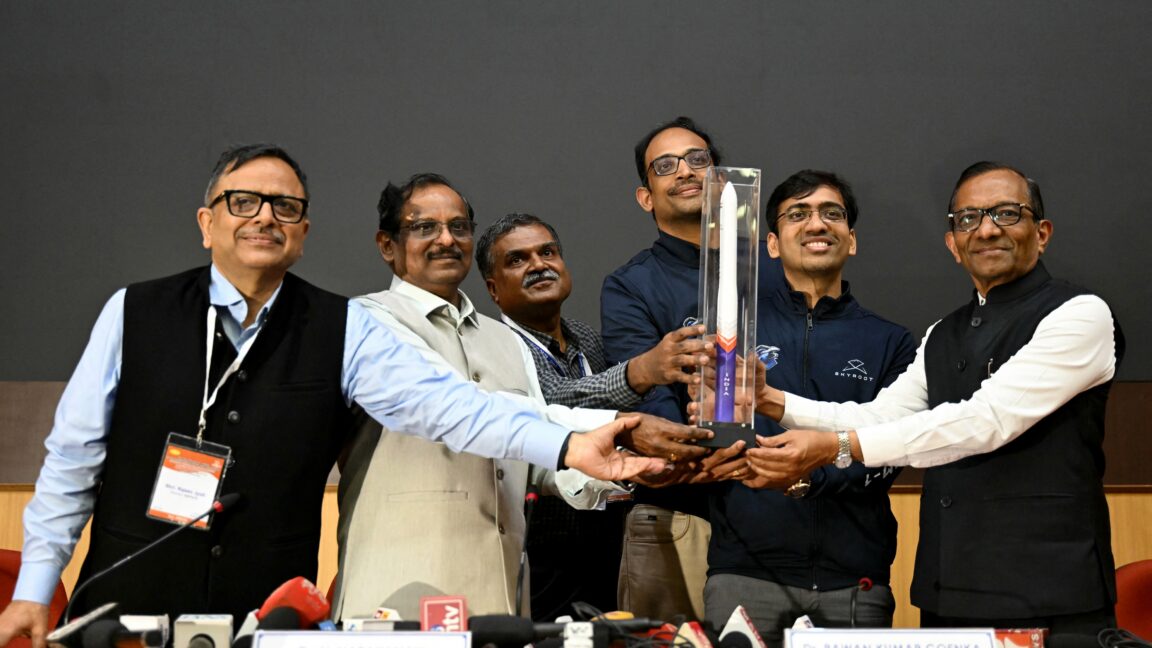
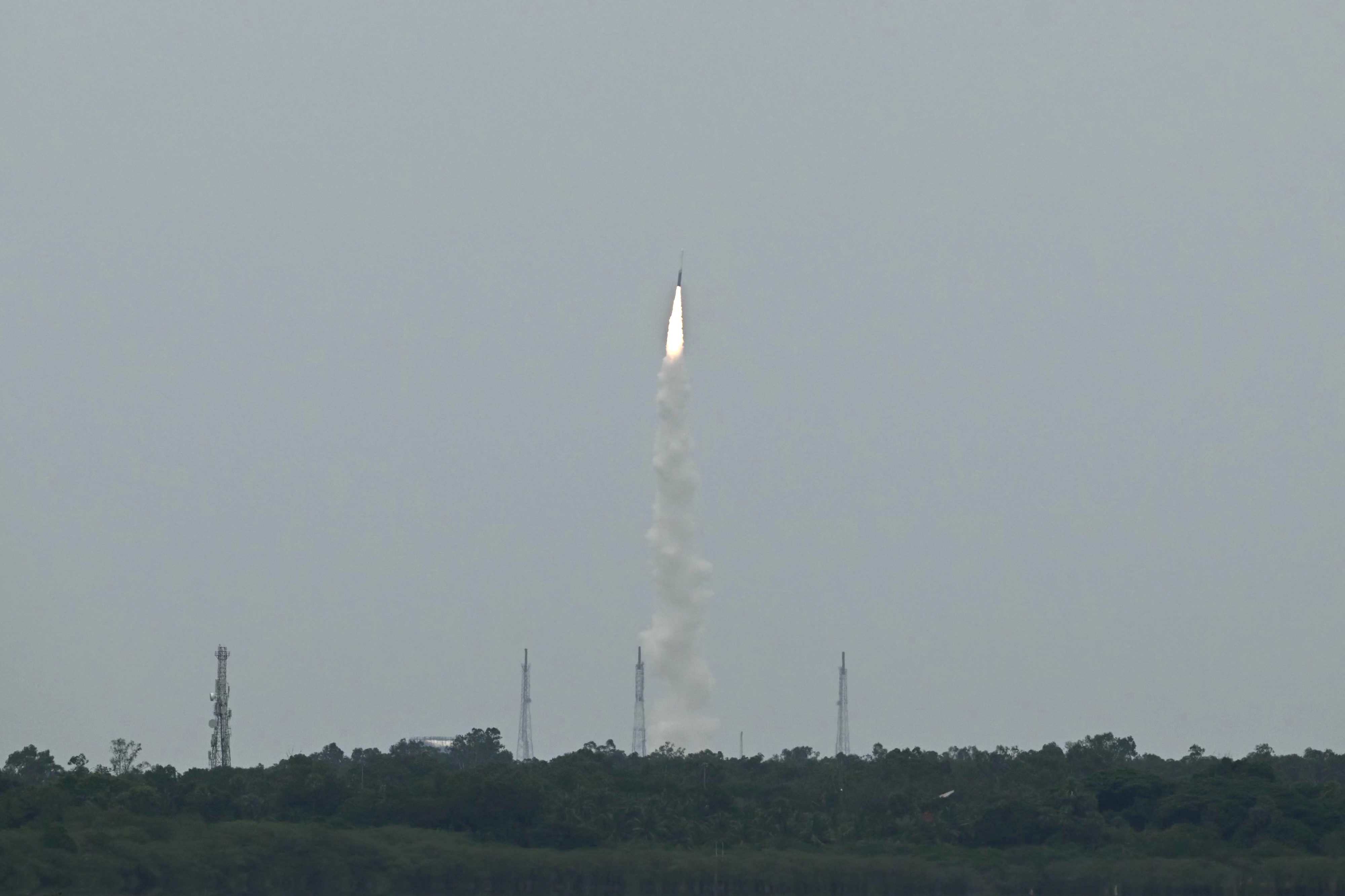
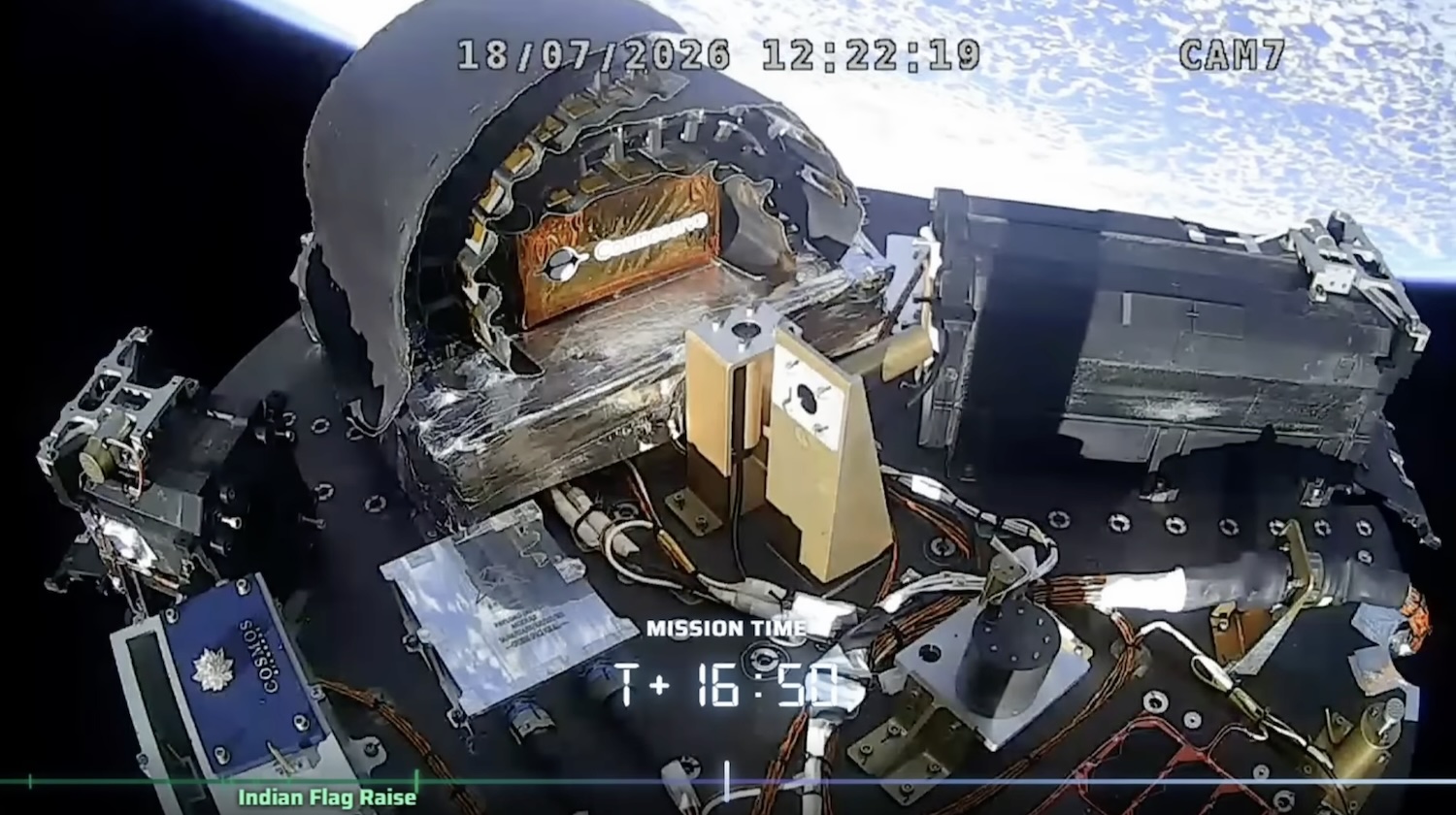
In a landmark achievement for the burgeoning private aerospace sector in Asia, the Indian startup Skyroot Aerospace successfully placed its Vikram-1 launch vehicle into orbit this past Saturday. The mission, which lifted off from the Satish Dhawan Space Center on the island of Sriharikota, marks a historic turning point for India, as it becomes the first nation outside of the United States and China to witness a private entity successfully reach orbital velocity on its maiden attempt. The flight successfully deployed several small satellites, validating the company’s engineering approach and solidifying India’s status as a formidable player in the global space economy.
The launch, which occurred at 1:35 am EDT (06:35 UTC), was the culmination of years of rigorous design, testing, and regulatory navigation. While the initial countdown faced a brief, nerve-wracking delay of approximately 30 minutes due to a technical anomaly, the ground team—composed of engineers with an average age of just 28—successfully resolved the issue, allowing the mission to proceed. As the solid-fueled stages burned through their sequences, the Vikram-1 reached an altitude of 280 miles (450 kilometers) at an inclination of 60 degrees, precisely where flight planners had intended.
The Engineering Feat of Vikram-1
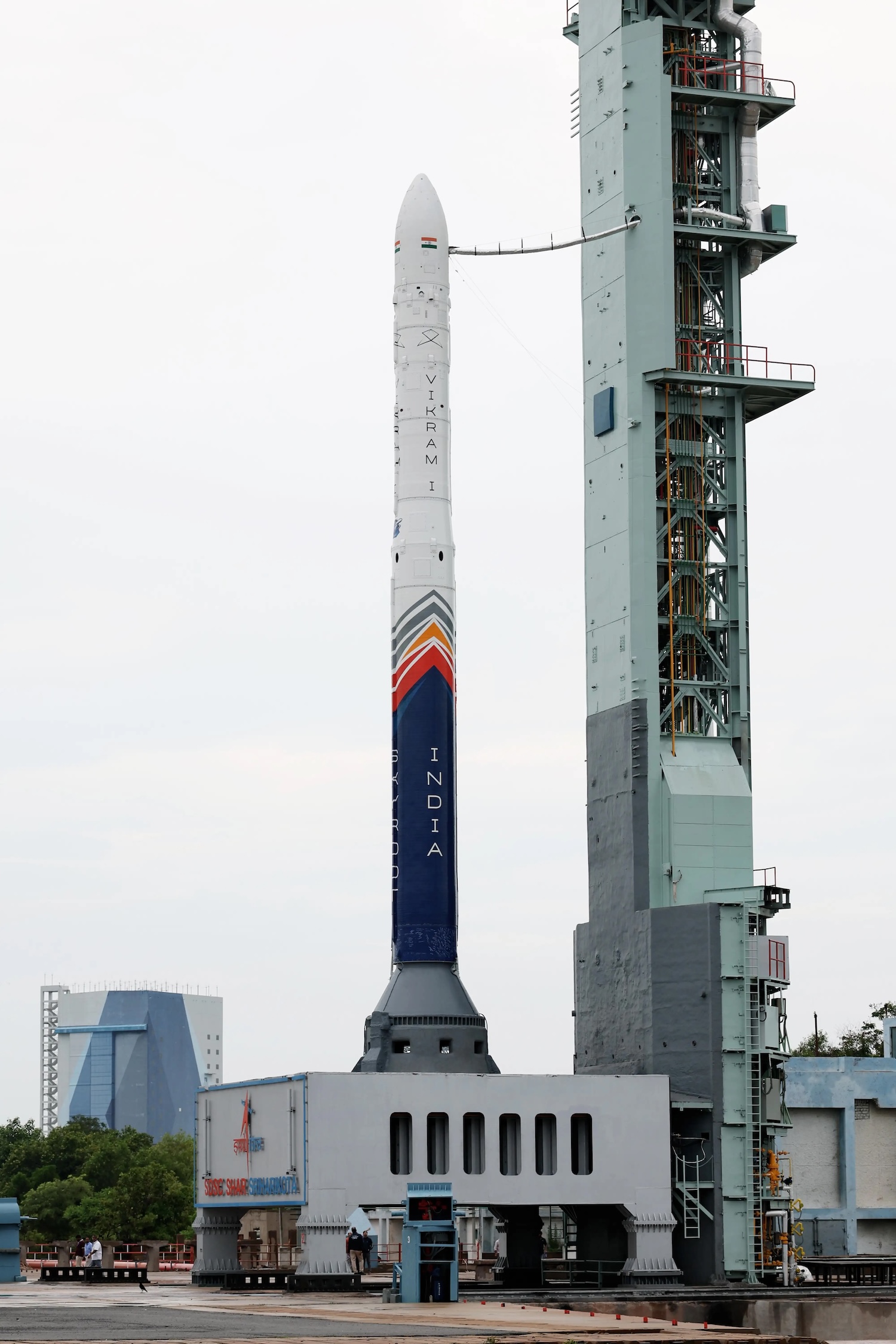
The Vikram-1 stands as a testament to modern manufacturing techniques. Standing 72 feet (22 meters) tall, the rocket is constructed primarily from lightweight carbon composite materials, reflecting the industry’s shift toward high-strength, low-mass structural solutions. Capable of lofting payloads up to 770 pounds (350 kilograms) into low-Earth orbit, the vehicle is designed to compete directly with established small-satellite launchers like Rocket Lab’s Electron.
The launch profile involved a multi-stage process. Three solid-fueled rocket motors provided the initial thrust required to clear the dense layers of the atmosphere. Following this, a sophisticated liquid-fueled fourth stage—featuring a 3D-printed engine—ignited to provide the final, precise velocity required for orbital insertion, reaching speeds of approximately 17,000 mph. Despite a minor telemetry concern regarding the separation of the third stage, which appeared to linger briefly before backing away, the fourth stage executed its burn flawlessly. US military tracking assets independently verified the rocket’s successful arrival in the planned orbit, confirming the mission’s overall success.
A History of Private Aerospace Challenges
The success of Skyroot is particularly notable given the statistical hurdles facing new launch providers. The history of private spaceflight is littered with initial failures. SpaceX, now the industry titan, required four attempts before the Falcon 1 successfully reached orbit in 2008. Similarly, Rocket Lab’s Electron failed to reach its target orbit on its 2017 maiden flight. Blue Origin, while successful with the New Glenn’s debut, benefited from decades of institutional knowledge and prior suborbital flight experience with the New Shepard program.
By succeeding on the very first try, Skyroot has bypassed the typical "failure tax" that delays commercial viability for most space startups. Pawan Kumar Chandana, the CEO and co-founder of Skyroot, expressed his astonishment during the post-launch debrief. "On the first attempt, reaching orbit, I never thought it was possible," he told his team. "Skyroot’s team made it possible. A big, big, big shoutout to this phenomenal team, which made it happen. In fact, this launch was nothing short of a suspense movie."
The Role of ISRO and Government Synergy
The success of the Vikram-1 mission was not achieved in a vacuum. It was the result of a deliberate, long-term strategy by the Indian government to liberalize its space sector. The creation of IN-SPACe (Indian National Space Promotion and Authorization Center) in 2020 served as the catalyst for this collaboration.
The Indian Space Research Organization (ISRO), which has long been the backbone of India’s space program, provided critical "handholding and support" to Skyroot. This included granting access to ISRO’s state-of-the-art solid rocket motor casting facilities and testing infrastructure at the Sriharikota spaceport. Furthermore, the agency allowed the startup to utilize one of its two active launch pads, a significant gesture of trust that streamlined the path to flight.
Pawan Goenka, chairman of IN-SPACe, highlighted the significance of the event, noting that the primary goal was simply to ensure the rocket cleared the launch tower safely. That the vehicle far exceeded this, reaching 450 kilometers and deploying its payloads, underscores the technical maturity the team achieved prior to liftoff.
Economic and Strategic Implications
The implications of this success extend far beyond a single flight. With $160 million in capital raised and a company valuation reaching $1.1 billion, Skyroot is now firmly positioned among the world’s leading private aerospace firms. The company currently employs over 1,000 people at its headquarters in Hyderabad, reflecting a massive investment in human capital.
For India, the success of Vikram-1 aligns with Prime Minister Narendra Modi’s ambitious goal of expanding the nation’s launch cadence from approximately five missions per year to 50 by the end of the decade. Following the launch, the Prime Minister issued a congratulatory statement, calling it a "defining moment" for India’s space journey and emphasizing that the private sector’s involvement is critical to accelerating innovation and inspiring the next generation of engineers and scientists.
Future Roadmap and Technological Evolution
Skyroot is already looking toward the future. The Vikram-1 is only the first member of a broader family of launch vehicles. The company’s roadmap includes:
- Vikram-1U: A variant featuring additional strap-on solid rocket boosters to accommodate heavier satellite payloads.
- Vikram-2: A more advanced vehicle that will incorporate a cryogenic upper stage, significantly increasing its payload capacity to 2,000 pounds (900 kilograms) to low-Earth orbit.
Beyond these vehicles, CEO Pawan Kumar Chandana has articulated a vision for fully reusable, liquid-fueled rockets. The ultimate goal is to achieve a "daily cadence" of launches from multiple global sites, transforming space access into a commodity that is as reliable and routine as commercial aviation.
The Global Context of Small-Sat Launchers
The global demand for small-satellite launch services is skyrocketing as companies deploy massive constellations for broadband, Earth observation, and climate monitoring. Skyroot’s ability to provide "dedicated and responsive" launch services places it in a competitive position. By focusing on solid-fueled, cost-optimized architectures, the company has minimized its time-to-market, allowing it to move from a suborbital test flight of the "Vikram-S" in November 2022 to a full orbital success in less than four years.

This achievement serves as a wake-up call to other emerging space nations. It demonstrates that with the right combination of private innovation, government support, and focused engineering, the barriers to entry in the orbital launch market are becoming increasingly porous. As the world watches, Skyroot is poised to move toward its second Vikram-1 launch before the end of the calendar year, signaling that the company is not just a one-hit wonder, but a sustainable operator in the new space age.
In conclusion, the successful debut of Vikram-1 is a victory for the "Make in India" initiative, proving that Indian technology can stand toe-to-toe with global competitors. By leveraging the deep reservoir of talent within its young workforce and the institutional support of ISRO, Skyroot has secured its place in the history books and set a new standard for what private aerospace companies in emerging economies can achieve.