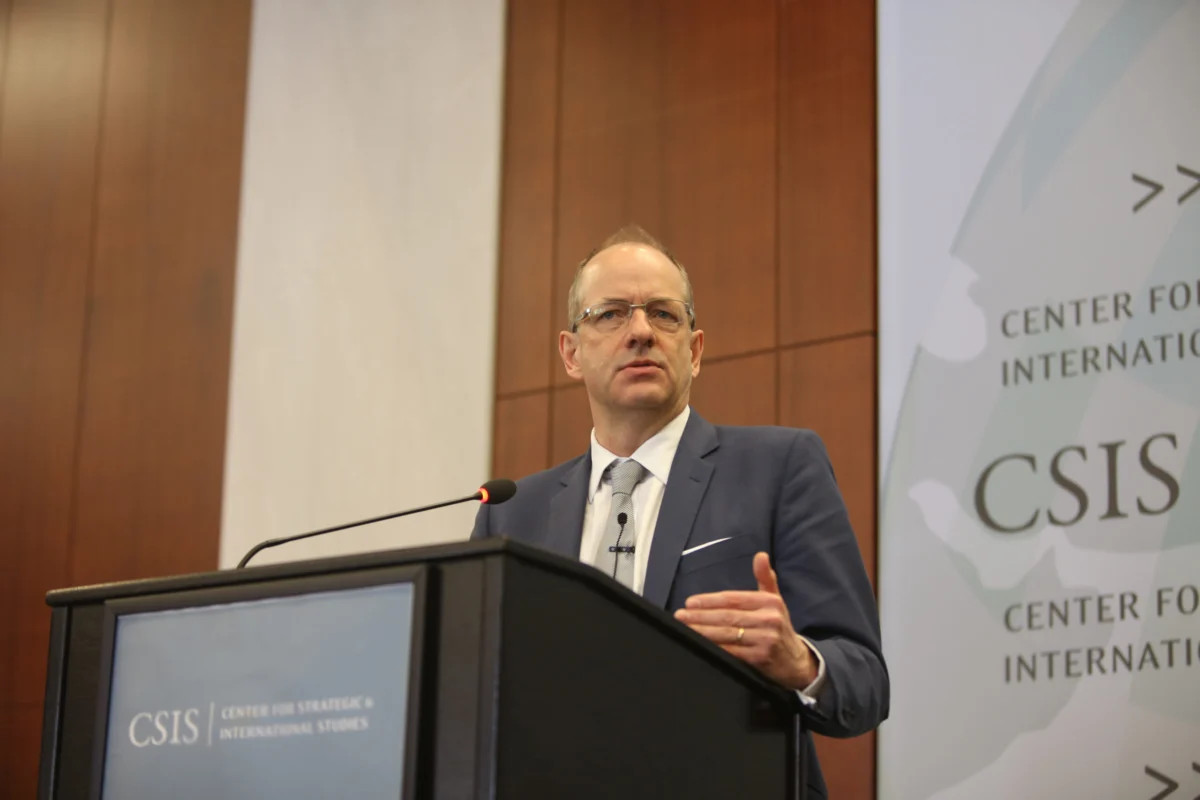
The Center for Strategic and International Studies (CSIS) Global Health Policy Center convened a pivotal discussion on March 17, 2016, exploring the critical intersection of the bio-pharmaceutical industry and societal well-being. The event, held from 10:00 AM to 11:30 AM EDT, aimed to dissect how private bio-pharmaceutical firms can proactively contribute to enhancing affordability, accessibility, quality, and innovation in healthcare globally. This dialogue was particularly pertinent given the industry’s ongoing efforts to rebuild public trust and ensure the health and prosperity of individuals worldwide.
A Call for Enhanced Trust and Responsibility
The bio-pharmaceutical sector stands at a critical juncture, facing increasing scrutiny regarding its pricing strategies, research priorities, and overall societal impact. In an era where global health challenges are escalating and equitable access to life-saving treatments remains a persistent concern, the industry’s role in fostering trust and demonstrating a commitment to public good is paramount. The CSIS event provided a platform for leading figures to articulate visions for a more responsible and impactful bio-pharmaceutical landscape.
The session commenced with a keynote address by Sir Andrew Witty, then Chief Executive Officer of GlaxoSmithKline (GSK). Sir Andrew detailed the significant reforms undertaken by GSK, emphasizing how these changes were reshaping the company’s engagement across diverse global markets. He outlined new strategies in sales and marketing, the imperative of transparency in clinical trial data, evolving pricing models, and a renewed focus on research and development (R&D) aimed at addressing unmet medical needs. His address was particularly timely, coinciding with the deliberations of the UN Secretary-General’s High-Level Panel on Access to Medicines, on which Sir Andrew served.
Keynote Address: Sir Andrew Witty’s Vision for GSK
Sir Andrew Witty’s keynote provided an in-depth look into GSK’s strategic recalibration. He articulated a vision where commercial success is intrinsically linked to societal benefit. This involved a fundamental rethinking of GSK’s operational ethos, moving away from practices that had previously drawn criticism.
- Sales and Marketing Reforms: Witty highlighted GSK’s commitment to disengaging from practices that could create conflicts of interest. This included ending payments to doctors for promoting medicines and shifting towards a model focused on providing value and evidence-based information. The goal was to ensure that prescribing decisions were driven by patient needs and scientific evidence, not commercial incentives.
- Transparency in Clinical Trial Data: A cornerstone of GSK’s reform agenda was a commitment to greater transparency in clinical trial data. Witty emphasized that sharing this data, where appropriate and ethically permissible, would accelerate scientific understanding, facilitate independent research, and ultimately lead to better patient outcomes. This move was seen as a significant step towards building confidence in the research process itself.
- Pricing Strategies: The issue of drug pricing is a perennial point of contention. Sir Andrew discussed GSK’s efforts to develop more sustainable and equitable pricing models, particularly for low- and middle-income countries. This included exploring tiered pricing structures and partnerships to ensure that essential medicines were accessible to those who needed them most, irrespective of their economic status.
- Research and Development for Unmet Needs: Witty underscored GSK’s dedication to R&D that targets diseases and conditions that disproportionately affect vulnerable populations or are neglected by other industry players. This involved investing in areas with high unmet medical need, even if the immediate commercial returns were less certain, demonstrating a commitment to global health equity.
Roundtable Discussion: Panelists Delve Deeper
Following Sir Andrew’s insightful presentation, a distinguished panel convened to further explore the multifaceted themes of affordability, access, quality, and innovation. The roundtable offered a dynamic exchange of perspectives, bringing together diverse expertise to address the complex challenges facing the bio-pharmaceutical sector.
The panel comprised:
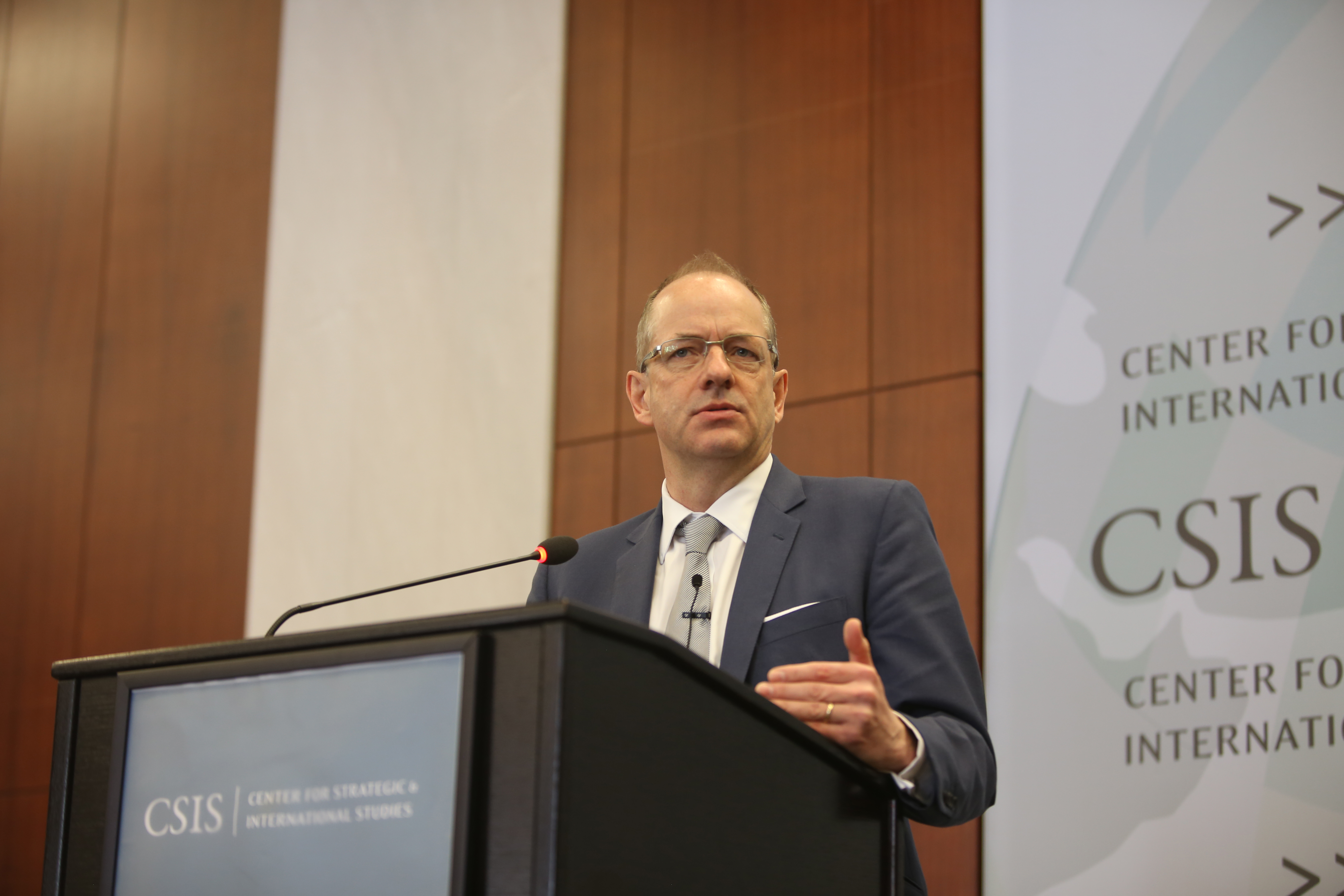
- Sir Andrew Witty: Chief Executive Officer of GlaxoSmithKline, providing the industry perspective on reform and responsibility.
- Dr. Margaret Hamburg: Foreign Secretary of the Institute of Medicine (now the National Academy of Medicine), bringing a high-level public health and policy perspective. Dr. Hamburg’s tenure as Commissioner of the U.S. Food and Drug Administration (FDA) provided invaluable insights into regulatory oversight and public health protection.
- Dr. Ezekiel Emanuel: Vice Provost for Global Initiatives and Chair of the Department of Medical Ethics and Health Policy at the University of Pennsylvania. Dr. Emanuel is a leading bioethicist whose work often examines the ethical dimensions of healthcare policy, research, and resource allocation.
The discussion was expertly moderated by J. Stephen Morrison, Senior Vice President and Director of the CSIS Global Health Policy Center. Dr. Morrison, a seasoned expert in global health policy, guided the conversation, ensuring a comprehensive exploration of the issues at hand.
Context and Background: The Evolving Landscape of Global Health
The early to mid-2010s marked a period of intense global health diplomacy and policy evolution. Several key developments set the stage for the discussions at CSIS:
- The Millennium Development Goals (MDGs) and the Rise of the Sustainable Development Goals (SDGs): As the MDGs neared their conclusion in 2015, the global community was actively shaping the post-2015 development agenda. The SDGs, adopted in September 2015, placed renewed emphasis on health (SDG 3) and access to medicines, underscoring the interconnectedness of health with broader development objectives. This created a policy imperative for industries, including pharmaceuticals, to align their strategies with global development priorities.
- Increased Scrutiny of Pharmaceutical Pricing: High drug prices in developed markets, coupled with persistent access gaps in developing countries, fueled public and governmental pressure on the pharmaceutical industry. Debates around intellectual property rights, patent evergreening, and the cost-effectiveness of new therapies intensified.
- The UN Secretary-General’s High-Level Panel on Access to Medicines: The establishment of this panel in 2015 signaled a significant global effort to address the complex issues surrounding access to medicines, including innovation, pricing, and intellectual property. Sir Andrew Witty’s participation underscored the industry’s engagement in these high-level discussions.
- Emerging Infectious Diseases: The Ebola epidemic in West Africa (2014-2016) highlighted vulnerabilities in global health security and the urgent need for rapid development and equitable distribution of diagnostics, therapeutics, and vaccines. This event underscored the importance of R&D and the role of the private sector in responding to public health emergencies.
Against this backdrop, the CSIS event was a timely forum for dialogue, seeking to bridge the perceived gap between industry imperatives and public health goals. The inclusion of a leading industry CEO alongside prominent public health and ethics experts offered a unique opportunity for a balanced and constructive conversation.
Supporting Data and Industry Trends
To contextualize the discussion, it’s important to consider relevant data and industry trends from the period:
- Global Pharmaceutical Market Size: In 2015, the global pharmaceutical market was valued at approximately $1.1 trillion, with significant growth driven by emerging markets and the development of novel biologics and specialized therapies.
- R&D Investment: The pharmaceutical industry consistently invests heavily in R&D, with global expenditure often exceeding $100 billion annually. However, debates persist regarding the efficiency and focus of these investments, particularly concerning neglected diseases.
- Access Gaps: Despite advancements, a significant portion of the global population, particularly in low-income countries, lacks access to essential medicines. The World Health Organization (WHO) estimates that billions of people still do not have regular access to the medicines they need.
- Pricing Pressures: In the United States, pharmaceutical spending had been a major driver of healthcare cost increases, leading to calls for price regulation and greater transparency. Similar concerns were voiced across Europe and other developed nations.
- Emerging Markets: Companies were increasingly looking to emerging markets for growth, but faced challenges related to affordability, regulatory hurdles, and local healthcare infrastructure. This made strategies for adapting pricing and access models crucial.
Analysis and Implications: The Path Forward
The CSIS event illuminated several key implications for the bio-pharmaceutical industry and global health policy:
- The Imperative of Proactive Engagement: Sir Andrew Witty’s presentation signaled a growing recognition within the industry that proactive engagement with societal concerns is not merely a matter of corporate social responsibility but a strategic necessity for long-term sustainability and legitimacy. Companies that demonstrate a genuine commitment to affordability and access are better positioned to navigate regulatory landscapes and maintain public trust.
- The Interplay of Innovation and Access: The panel discussion highlighted the inherent tension between the need to incentivize innovation through intellectual property and the imperative of ensuring broad access to medicines. Finding a sustainable balance requires innovative approaches to pricing, tiered access schemes, and potentially new models for R&D funding and product development.
- The Role of Transparency: The emphasis on transparency in clinical trial data and pricing reflects a broader societal demand for accountability. Companies that embrace openness are likely to foster greater trust among patients, healthcare providers, and policymakers. This can lead to more informed decision-making and a more collaborative approach to addressing health challenges.
- Bridging the Trust Deficit: The bio-pharmaceutical industry has historically grappled with a trust deficit. The reforms discussed by GSK, and the broader dialogue at CSIS, represent efforts to address this deficit by demonstrating a commitment to ethical practices and societal well-being. The success of these initiatives will depend on sustained action and consistent delivery on promises.
- The Future of Global Health Policy: The discussions at CSIS provided valuable insights for policymakers as they continue to grapple with issues of drug pricing, R&D incentives, and equitable access. The willingness of industry leaders to engage in such dialogues is crucial for developing effective and sustainable global health policies.
Broader Impact and Future Considerations
The dialogue initiated at CSIS on March 17, 2016, contributed to a growing global conversation about the responsibilities of the bio-pharmaceutical industry. The principles articulated by Sir Andrew Witty and discussed by the esteemed panel continue to resonate. As the world confronts ongoing health crises and strives for universal health coverage, the lessons from this event remain relevant:
- Sustained Commitment to Affordability and Access: Efforts to make medicines more affordable and accessible must be ongoing and adapt to the evolving needs of different populations. This includes exploring innovative financing mechanisms, promoting generic competition where appropriate, and engaging in partnerships with governments and non-governmental organizations.
- Prioritizing Public Health in R&D: The industry’s R&D pipeline should be increasingly aligned with global health priorities, including infectious diseases, non-communicable diseases, and conditions that disproportionately affect the poor. Incentives and collaborations may be necessary to steer R&D towards these areas.
- Strengthening Global Health Governance: International cooperation and robust governance frameworks are essential to ensure that the benefits of pharmaceutical innovation are shared equitably. This involves continued dialogue between industry, governments, civil society, and international organizations.
- The Evolving Role of Transparency: The push for greater transparency in clinical trials, pricing, and marketing practices is likely to continue. Companies that embrace this trend will be better positioned to build trust and foster a more collaborative environment.
The event at CSIS served as a crucial moment for reflection and forward-looking strategy within the bio-pharmaceutical sector. By convening key stakeholders and facilitating candid discussion, the Center played a vital role in advancing the understanding of how the industry can best serve society while continuing to drive innovation in healthcare. The ongoing pursuit of affordability, access, quality, and innovation remains a collective endeavor, requiring sustained commitment and collaborative action from all parties involved.