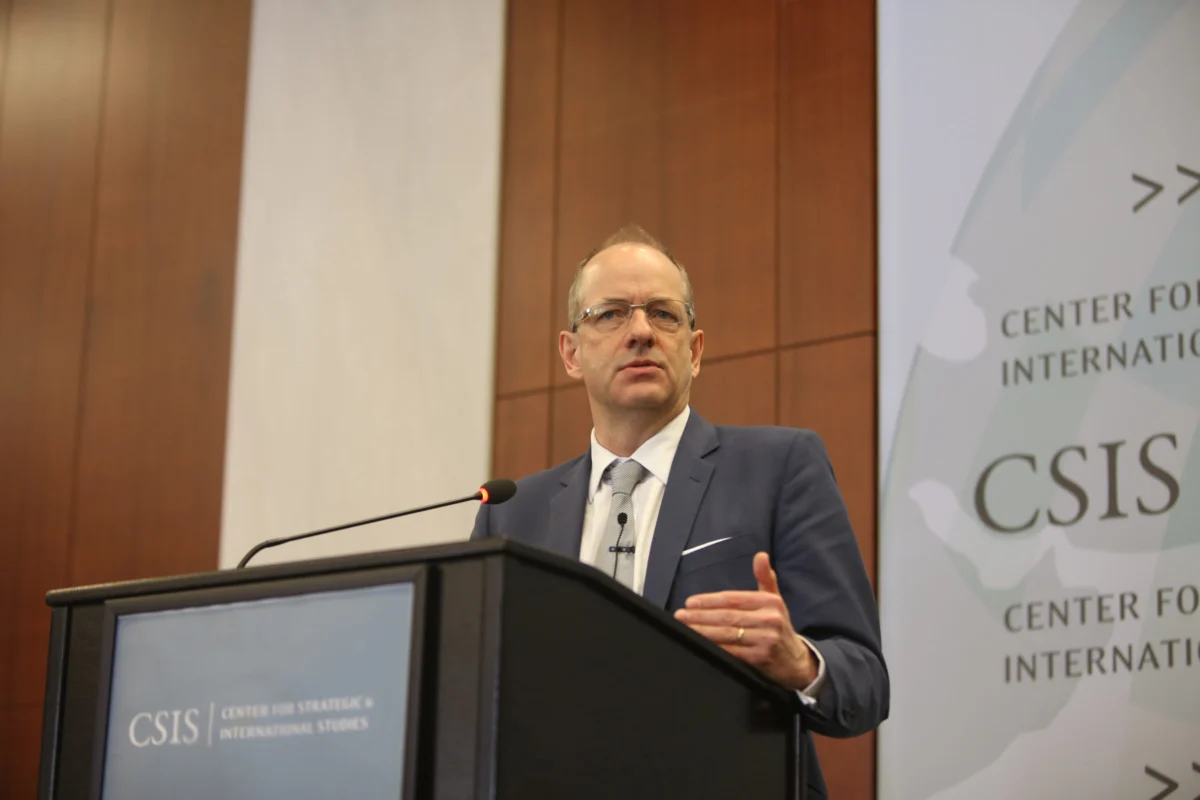
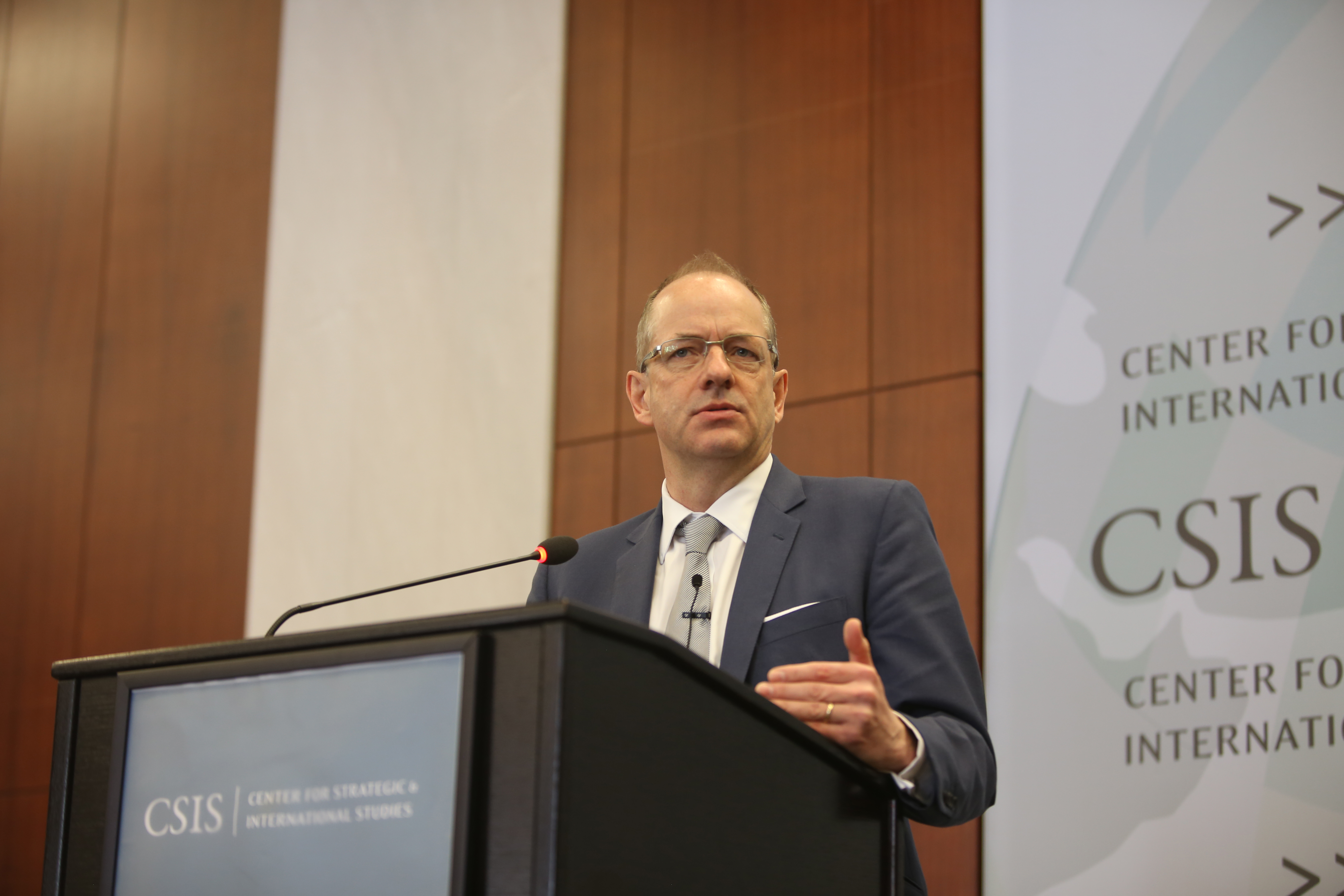
On March 17, 2016, the CSIS Global Health Policy Center convened a pivotal discussion addressing the critical need for private bio-pharmaceutical firms to align more closely with societal goals of improved affordability, access, quality, and innovation. Held from 10:00 am to 11:30 am EDT, the event underscored the bio-pharmaceutical industry’s imperative to strengthen public trust and confidence, ultimately enhancing the health and well-being of individuals globally. The session featured a keynote address by Sir Andrew Witty, then Chief Executive Officer of GlaxoSmithKline (GSK), followed by a distinguished roundtable conversation with leading experts in global health and medical ethics.
The Evolving Landscape of Global Health and Pharmaceutical Responsibility
The mid-2010s marked a period of escalating scrutiny for the global pharmaceutical industry. Public concern over soaring drug prices, particularly for new and specialty medicines, had reached a fever pitch. Debates raged concerning the ethics of pharmaceutical marketing practices, the transparency of clinical trial data, and the equitable distribution of life-saving drugs across different income levels and geographical regions. This environment of increasing public and political pressure necessitated a fundamental re-evaluation of the industry’s business models and its social contract. Organizations like the Center for Strategic and International Studies (CSIS), through its Global Health Policy Center, provided a crucial platform for such dialogues, aiming to bridge the gap between corporate interests and public health imperatives.
The CSIS Global Health Policy Center, renowned for its independent, non-partisan analysis, regularly convenes policymakers, industry leaders, academics, and civil society representatives to address complex global health challenges. Its focus on evidence-based policy solutions made it an ideal host for a discussion on an issue as multifaceted as pharmaceutical industry reform. The center’s mission to shape effective strategies for U.S. engagement in global health positioned it to facilitate a dialogue that not only highlighted problems but also explored concrete, actionable solutions.
Sir Andrew Witty’s Keynote: A Vision for Corporate Responsibility
Sir Andrew Witty, at the time a prominent figure leading one of the world’s largest pharmaceutical companies, opened the session with a keynote address detailing GlaxoSmithKline’s progressive reforms. His presentation outlined GSK’s innovative approaches aimed at reshaping its engagement across diverse markets worldwide, moving beyond traditional profit-driven models to embrace a more socially responsible framework. These reforms, initiated under his leadership, were presented as a strategic imperative to regain public trust and ensure long-term sustainability for the industry.
Key areas of GSK’s new approach included:
- Sales and Marketing: GSK had embarked on a significant overhaul of its sales and marketing practices. Instead of incentivizing sales representatives based on individual prescription volumes, which often led to accusations of aggressive or unethical promotion, GSK shifted towards remuneration linked to broader business objectives and the ethical conduct of its employees. This included a move away from paying healthcare professionals to speak about GSK products. The intent was to foster a more patient-centric approach and ensure that medical information was delivered objectively.
- Transparency of Clinical Trial Data: Recognizing the critical importance of open science and public accountability, GSK committed to enhanced transparency regarding its clinical trial data. This involved making anonymized patient-level data, as well as study reports, publicly available to researchers through platforms like its dedicated data sharing portal. This initiative aimed to accelerate scientific discovery, reduce research waste, and build greater confidence in the safety and efficacy profiles of its medicines. This move was particularly significant given widespread concerns about the selective publication of trial results and the suppression of negative findings across the industry.
- Pricing Strategies: Acknowledging the global disparities in healthcare access and affordability, GSK pioneered differentiated pricing models. This meant tailoring drug prices to the economic capacity of different countries, making essential medicines more accessible in low-income settings while maintaining sustainable pricing in wealthier markets. Sir Witty emphasized a focus on volume and broad access, particularly in developing countries, rather than solely pursuing high margins. GSK was also actively involved in patent pooling initiatives for certain HIV medicines, further demonstrating its commitment to access.
- Research and Development into Unmet Medical Need: GSK dedicated substantial resources to addressing neglected diseases and conditions predominantly affecting the world’s poorest populations, often those with limited commercial appeal. This included investments in R&D for diseases like malaria, tuberculosis, and various neglected tropical diseases. The company also embraced open innovation models, sharing its research compounds and intellectual property with external researchers to foster collaborative drug discovery, particularly in areas where traditional R&D pipelines had failed.
Sir Witty’s speech was particularly timely given his concurrent service on the UN Secretary-General’s High-Level Panel on Access to Medicines. This appointment highlighted the global relevance of GSK’s reforms and positioned him as a leading voice advocating for a more equitable and responsible pharmaceutical industry on the international stage.
The United Nations High-Level Panel on Access to Medicines: A Global Mandate
The context of the UN Secretary-General’s High-Level Panel on Access to Medicines provided significant weight to the CSIS discussion. Established in November 2015 by UN Secretary-General Ban Ki-moon, the panel’s mandate was to review and assess proposals for reconciling intellectual property rights with public health objectives, specifically concerning access to medicines, vaccines, and diagnostics. The panel was tasked with identifying and recommending solutions to promote R&D and facilitate access to health technologies for all. Its formation reflected a growing international consensus that current models were failing to adequately address global health needs, particularly in resource-limited settings.
Comprising eminent individuals from diverse fields, including former heads of state, public health experts, economists, and legal scholars, the panel’s deliberations were closely watched by governments, industry, and civil society alike. Sir Andrew Witty’s participation brought an invaluable industry perspective to these discussions, demonstrating a willingness from at least one major pharmaceutical leader to engage constructively with the complex issues at hand. The panel’s work aimed to produce a final report with concrete recommendations, setting the stage for potential international policy shifts and renewed efforts to achieve universal health coverage. The CSIS event thus served as an important public forum to discuss the very principles and practices that the UN panel was scrutinizing.
Roundtable Discussion: Multidisciplinary Perspectives on Industry Transformation
Following Sir Andrew Witty’s address, the event transitioned into a dynamic roundtable conversation, delving deeper into the themes of pharmaceutical responsibility, innovation, and access. Moderated by J. Stephen Morrison, Senior Vice President and Director of the CSIS Global Health Policy Center, the panel brought together a formidable trio of experts: Sir Andrew Witty himself, Dr. Margaret Hamburg, Foreign Secretary of the Institute of Medicine (now the National Academy of Medicine), and Dr. Ezekiel Emmanuel, Vice Provost for Global Initiatives and Chair of the Department of Medical Ethics and Health Policy at the University of Pennsylvania.
Dr. Margaret Hamburg brought a wealth of experience from her tenure as Commissioner of the U.S. Food and Drug Administration (FDA) from 2009 to 2015. Her insights likely centered on the regulatory landscape surrounding drug development, approval, and post-market surveillance. As FDA Commissioner, she championed initiatives to streamline drug approval processes while maintaining rigorous safety and efficacy standards, promoted global regulatory harmonization, and emphasized the importance of public health preparedness. Her perspective would have been crucial in discussing how regulatory frameworks could be adapted to encourage responsible innovation, ensure data transparency, and facilitate equitable access, particularly in emergency situations or for neglected diseases. Her role at the Institute of Medicine further highlighted her commitment to independent scientific advice and policy recommendations.
Dr. Ezekiel Emanuel, a distinguished bioethicist and health policy expert, offered a critical lens on the ethical dimensions of pharmaceutical innovation and access. Known for his work on healthcare reform, medical ethics, and the value of healthcare, Dr. Emanuel’s contributions would have likely focused on the moral obligations of pharmaceutical companies, the societal value of different types of medical innovations, and the need for systemic changes in healthcare financing and delivery to ensure equitable access. He has often advocated for transparent pricing, outcomes-based payment models, and a re-evaluation of the incentives driving pharmaceutical R&D, pushing for a greater focus on public health needs rather than purely commercial viability. His academic background at the University of Pennsylvania provided a robust framework for ethical inquiry into industry practices.
The combined expertise of these panelists offered a comprehensive, multi-faceted exploration of the challenges and opportunities facing the bio-pharmaceutical industry. Sir Andrew Witty presented the industry perspective, outlining practical reforms and the business case for social responsibility. Dr. Margaret Hamburg provided insights into the regulatory and public health policy environment, emphasizing the need for robust oversight and global collaboration. Dr. Ezekiel Emanuel offered a crucial ethical and health policy critique, pushing for greater accountability and patient-centered approaches. J. Stephen Morrison’s role as moderator was to skillfully navigate these diverse perspectives, synthesize complex ideas, and facilitate a productive dialogue aimed at identifying tangible pathways forward.
Broader Industry Trends and Challenges in 2016
The discussion at CSIS took place against a backdrop of several significant trends and persistent challenges within the pharmaceutical sector:
- Escalating Drug Prices: In 2016, the average annual cost of a specialty drug in the U.S. was over $50,000, and many new cancer drugs exceeded $100,000. Controversies surrounding price hikes for established drugs, such as Turing Pharmaceuticals’ Daraprim, and the high cost of breakthrough therapies like hepatitis C treatments, fueled public outrage and political calls for price controls. This put immense pressure on companies to justify their pricing models.
- R&D Productivity and Innovation Gap: Despite massive investments in R&D (global pharmaceutical R&D spending was projected to exceed $150 billion in 2016), concerns lingered about declining R&D productivity, the high failure rate of clinical trials, and an innovation gap for certain critical areas, particularly antibiotics and diseases of poverty. The industry was often criticized for focusing on "me-too" drugs or lifestyle medications rather than truly transformative therapies for significant unmet needs.
- Global Access Disparities: Millions worldwide still lacked access to essential medicines due to high costs, inadequate supply chains, and weak health systems. The UN Sustainable Development Goals, adopted in 2015, prominently featured universal health coverage and access to medicines, underscoring the international community’s commitment to addressing these disparities.
- Transparency Demands: There was a growing global movement advocating for greater transparency across the pharmaceutical value chain, from R&D costs and clinical trial results to drug pricing and lobbying expenditures. This push for openness was seen as essential for restoring public trust and enabling evidence-based policy decisions.
Implications and Future Outlook
The CSIS event, featuring such influential voices, offered a significant moment for dialogue on the future direction of the bio-pharmaceutical industry. GSK’s reforms, as presented by Sir Andrew Witty, represented a bold attempt by a major player to proactively address the industry’s ethical and social responsibilities. While some viewed these initiatives as a potential paradigm shift towards a more patient-centric and socially conscious business model, others questioned whether they were merely strategic adaptations to public pressure, or if they would be broadly adopted across the competitive pharmaceutical landscape.
The discussions at CSIS, coupled with the ongoing deliberations of the UN High-Level Panel, carried significant implications for future policy and industry practices. The insights shared could inform:
- National and International Policy: Governments and international organizations could draw upon these discussions to formulate policies that balance intellectual property rights with public health needs, promote R&D for neglected diseases, and ensure equitable access to essential medicines.
- Regulatory Frameworks: Regulatory bodies like the FDA could explore mechanisms to encourage greater transparency in clinical trials and pricing, potentially through incentives or mandatory requirements.
- Industry Best Practices: Other pharmaceutical companies might be encouraged to evaluate and adopt similar reforms in sales and marketing, pricing, and R&D strategies, fostering a broader industry-wide movement towards corporate social responsibility.
- Public-Private Partnerships: The event highlighted the continued importance of collaboration between governments, NGOs, academia, and industry to tackle complex global health challenges that no single entity can solve alone.
Ultimately, the long-term impact of such dialogues is measured in their ability to translate ideas into action and to foster a sustained commitment to ethical and equitable practices within the bio-pharmaceutical sector. Rebuilding public trust is a continuous process, requiring ongoing transparency, accountability, and a demonstrated dedication to improving global health outcomes for all, not just for profit. The 2016 CSIS event served as a critical waypoint in this ongoing journey, emphasizing that the health and well-being of society must remain at the forefront of pharmaceutical innovation and business strategy.