
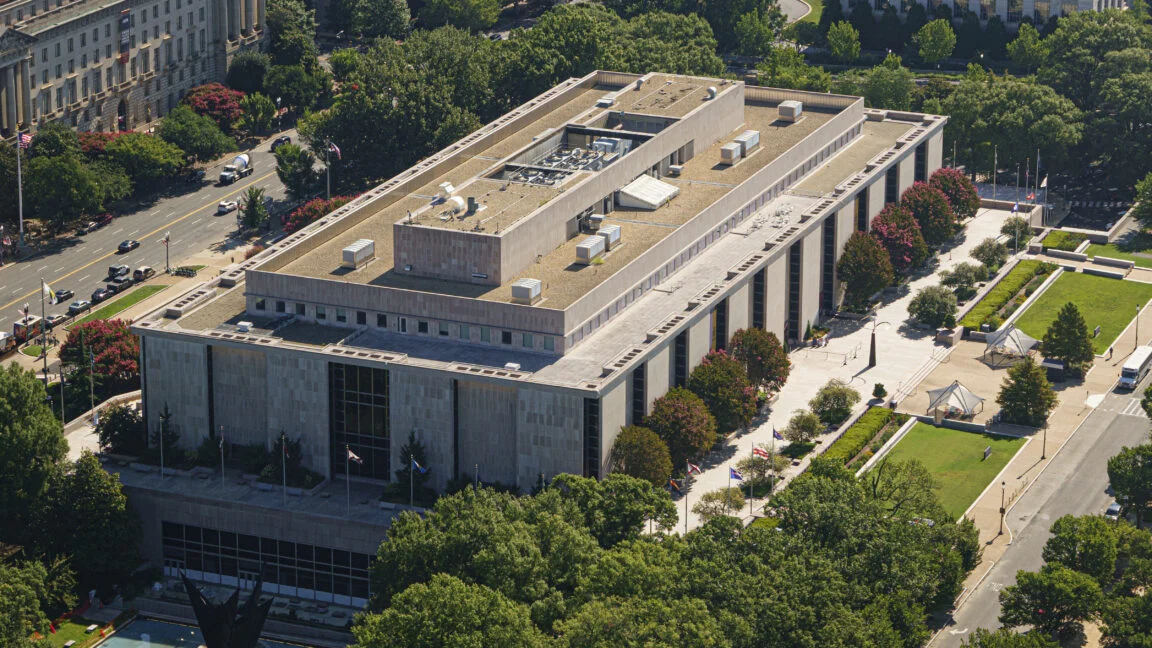
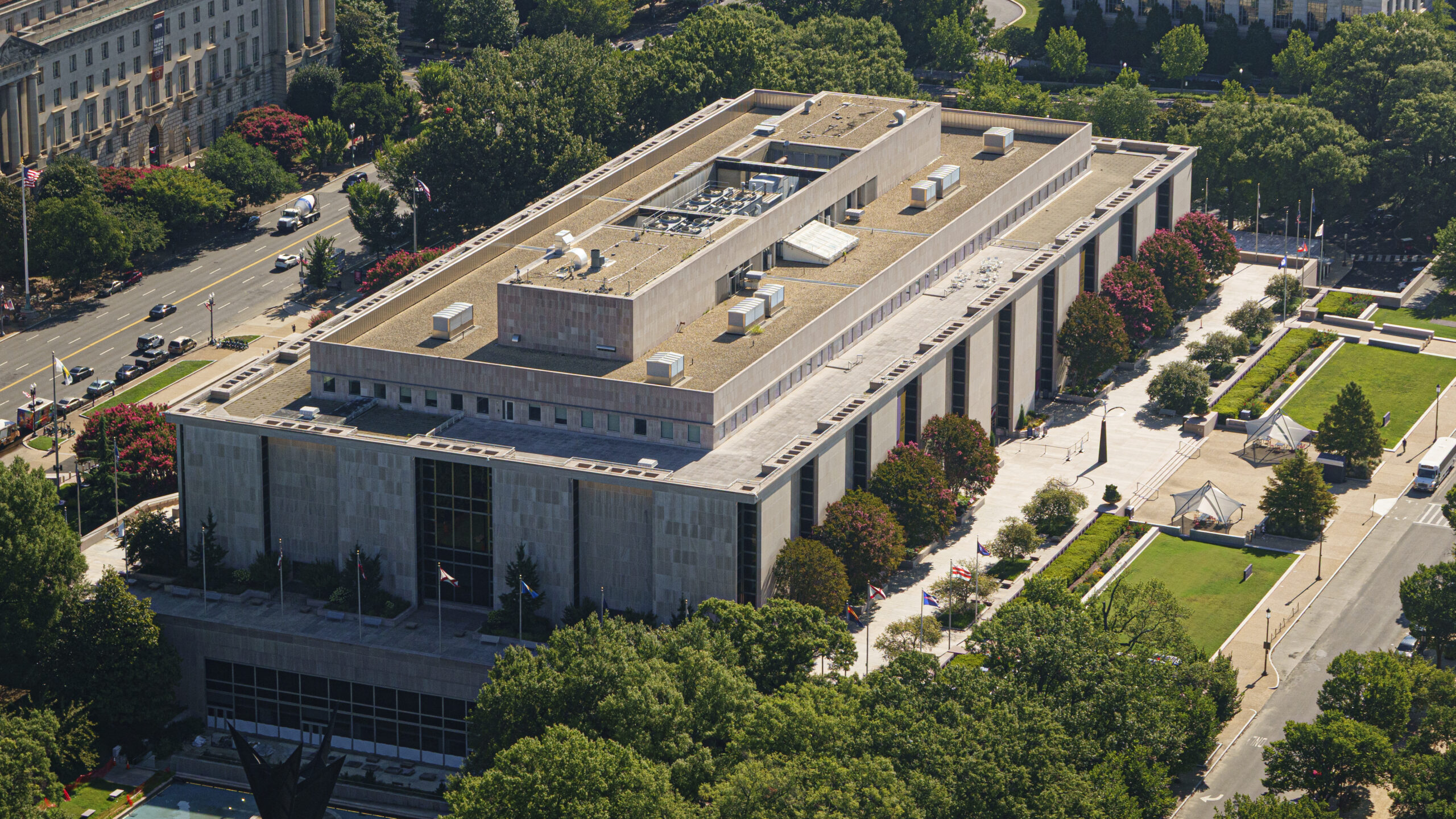
The Smithsonian Institution, a sprawling network of 21 museums and research centers that serves as the preeminent custodian of American heritage, is currently navigating the most precarious period in its 180-year history. Once viewed as a bipartisan bastion of historical preservation, the institution has become a central battleground in a national debate over how the United States should interpret its own history. Following a series of executive actions by the Trump administration and a formal inquiry into its curatorial practices, the Smithsonian is now confronting a fundamental crisis of identity, funding, and leadership.
A Shifting Institutional Landscape
For decades, the Smithsonian maintained a position of institutional exceptionalism, largely insulated from the cyclical volatility of Washington politics. While specific exhibitions, such as the 1995 controversy surrounding the Enola Gay, occasionally drew intense public scrutiny, the institution generally operated under a bipartisan consensus. This era of relative stability, however, underwent a marked transformation following the societal upheavals of 2020. In response to the COVID-19 pandemic and the national reckoning regarding racial injustice, Smithsonian leadership—led by then-secretary Lonnie Bunch—sought to align the institution’s mission with evolving academic standards regarding diversity, equity, and inclusion.
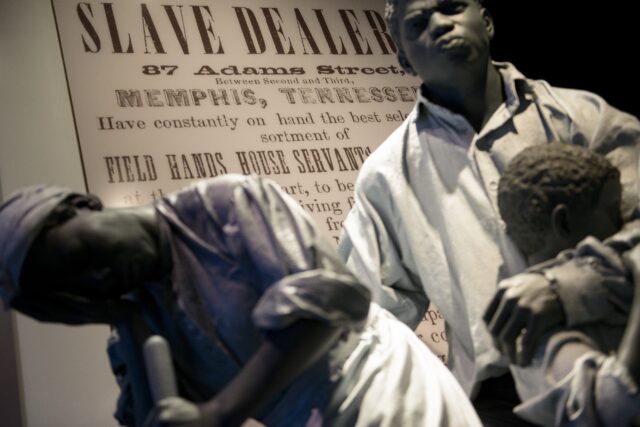
This pivot manifested in a series of administrative changes, including the creation of new diversity-focused initiatives and a rigorous re-examination of how the museum presented the lives of Founding Fathers and other historical figures. By 2021, the National Museum of American History began incorporating more nuanced narratives into its exhibits, such as the "Electric Dr. Franklin" display, which highlighted Benjamin Franklin’s history as a slaveholder and speculated on his use of enslaved people in electrical research. While intended to provide a more holistic view of history, these shifts were viewed by some critics as a departure from the museum’s traditional mission of promoting a unifying national narrative.
The White House Intervention
The conflict escalated significantly following the inauguration of the second Trump administration in 2025. In March of that year, an executive order was signed alleging that the Smithsonian had succumbed to a "divisive, race-centered ideology." This directive initiated a top-down review of the institution’s operations, culminating in a 162-page White House report released on July 4, 2026. The report leveled severe criticisms against the institution, accusing it of "ideological capture" and arguing that it had prioritized political activism over scholarship.
The report cited several specific exhibits as evidence, including the "Girlhood (It’s Complicated)" exhibit—which featured sensitive discussions of gender identity—and the display of an item described as a "chrome and rubber crotch harness" within a collection focused on LGBTQ history. Furthermore, the report scrutinized the use of the "Museums as a Site for Social Action Toolkit," a document used for staff training that explicitly critiques concepts such as "white supremacy" and "hetero-patriarchy." The administration’s critique centered on the assertion that these materials were inherently alienating and unrepresentative of the American public’s values.
Congressional Hearings and the War of Narratives
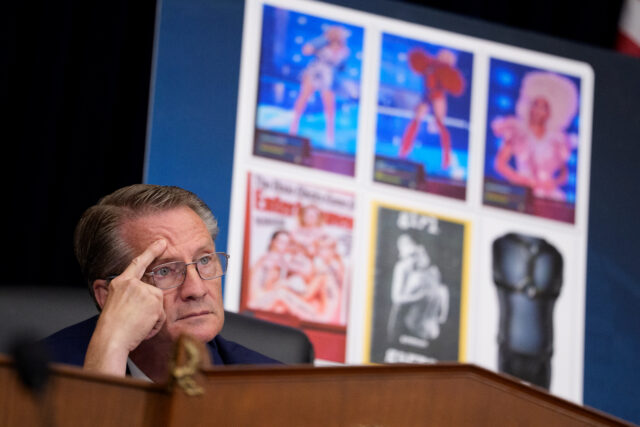
The intensity of the dispute was on full display during back-to-back House committee hearings in July 2026. Anthea Hartig, the director of the National Museum of American History, was called to testify before a hostile panel of Republican lawmakers. The hearings were characterized by sharp questioning, with members of Congress focusing on the appropriateness of specific artifacts and the ideological leanings of the museum’s staff.
Chair Tim Burchett of the House Oversight Subcommittee on Delivering on Government Efficiency played video clips of Hartig delivering land acknowledgments, questioning the institutional implications of such rhetoric. In response, Hartig maintained that the Smithsonian serves as a steward of the nation’s complex history and that the White House report did not fairly represent the totality of the museum’s educational mission.
Conversely, Democratic lawmakers and academic allies, such as Yale historian David Blight, framed the administration’s actions as an attempt to exert political control over a nonpartisan entity. The hearings underscored a total breakdown in the bipartisan support that had previously protected the Smithsonian from such direct political interference.

The Financial and Structural Stakes
The implications for the Smithsonian are both immediate and structural. The institution relies on the federal government for approximately 62 percent of its $1 billion annual budget. As political tensions rise, the prospect of deep budget cuts or the imposition of legislative conditions on funding has become a realistic threat.
The leadership vacuum has only added to the institutional instability. Lonnie Bunch, the first African American secretary of the Smithsonian, announced his resignation in September 2026, citing the intense stress of the ongoing political environment. His departure leaves a critical vacancy at the top of the organization at a time when three of the nine citizen slots on the Board of Regents are also vacant. The composition of this board, which includes high-ranking officials such as the Vice President and the Chief Justice of the Supreme Court, will be instrumental in determining the institution’s future trajectory.
Historical Context and the Search for Unity
The current controversy is not entirely without precedent. Throughout the early 2000s, the Smithsonian faced recurring criticisms that it lacked a cohesive narrative strategy. A 2002 blue-ribbon commission, led by former Republican aide Richard Darman, recommended that the institution adopt a more chronological approach to history to avoid the perception of "multicultural grievance."
However, implementing these recommendations proved difficult. Curatorial trends in the museum field had shifted toward episodic, object-focused storytelling, making the transition to a "great-man" or traditional chronological history model a challenge for professional staff. The resulting exhibits, while rich in individual artifacts like the Star-Spangled Banner or the Greensboro lunch counter, were often criticized for lacking a unified conceptual framework. This lack of a clear, coherent strategy made the museum vulnerable to external critiques when the political winds shifted.
The Path Forward
The Smithsonian is now at a crossroads. Supporters of the current curatorial direction argue that museums must evolve to reflect modern historical consensus, which includes acknowledging the darker aspects of the nation’s past. Critics, including those in the current administration, contend that the institution has a responsibility to foster national pride and provide a consensus-based, non-ideological narrative that avoids the politicization of history.
As the nation approaches the conclusion of its 250th anniversary year, the question of who owns the story of America is being contested with unprecedented fervor. For the millions of visitors who walk through the doors of the Smithsonian each year, the debate over labels, artifacts, and administrative policies represents a fundamental clash between two visions of American identity. Whether the institution can navigate this "day of reckoning" without sacrificing its independence remains the most significant question in the American cultural landscape.

The future of the Smithsonian will likely be decided in the coming months as new regents are appointed and a successor to Bunch is identified. If the institution is to survive this era of extreme polarization, it must find a way to reconcile its commitment to rigorous historical scholarship with the diverse and often conflicting expectations of the American public. As former Portrait Gallery director Kim Sajet noted, the American people will ultimately be the ones to decide what they want from their national museum—a decision that will likely echo through the halls of Washington for generations to come.