
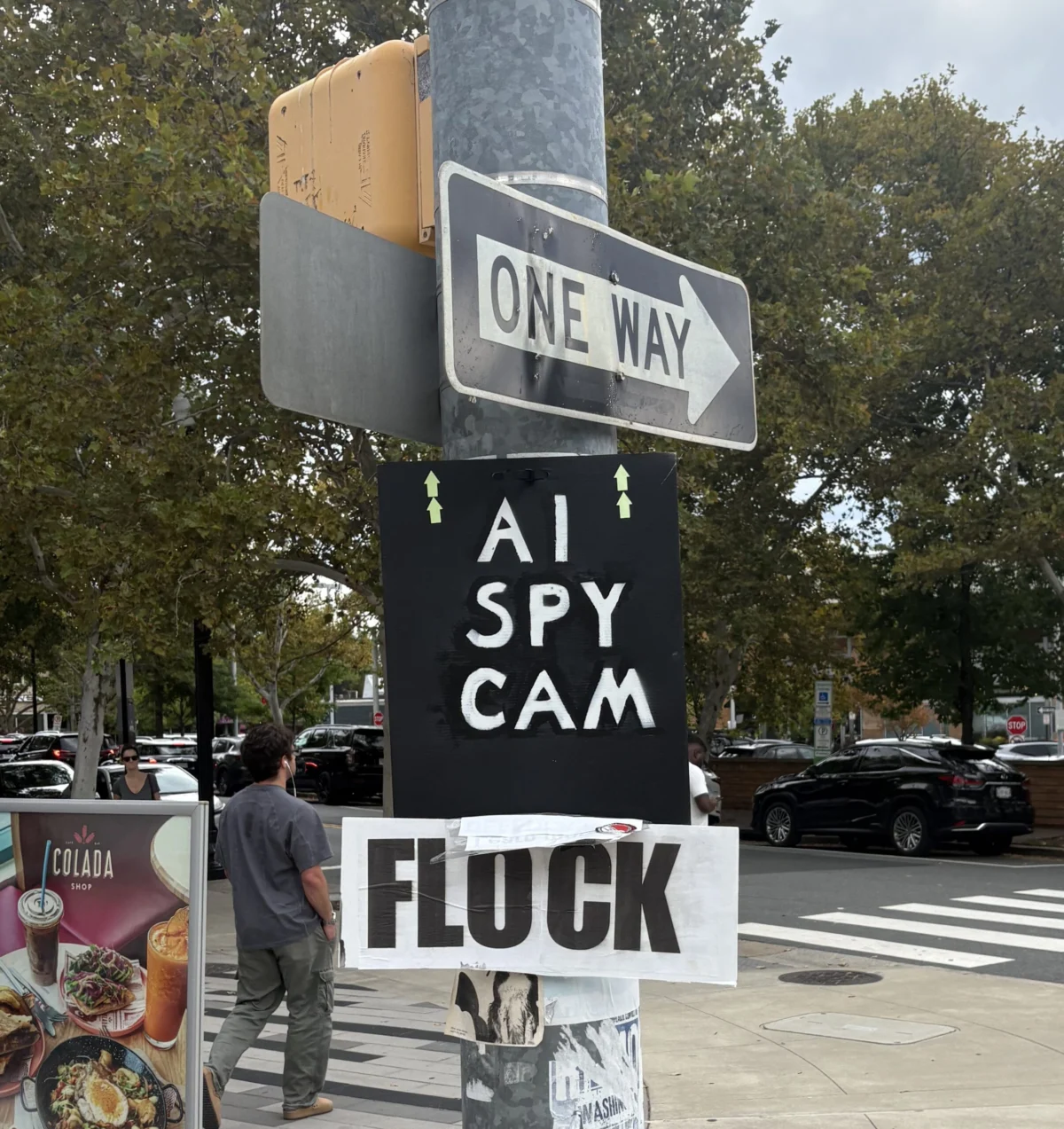
Flock Safety, the prominent automated license plate recognition (ALPR) and public safety technology company, has introduced a substantial voluntary severance program for its workforce. According to internal communications reviewed by media outlets, the company has described the buyout package as the most generous in its corporate history. This strategic pivot comes at a critical juncture for the 1,500-person firm, which is currently navigating a severe public relations crisis, declining internal morale, and a mounting wave of municipal contract terminations driven by profound privacy and data misuse concerns.
The initiative, announced to employees on a Friday, targets a workforce increasingly strained by the intense national scrutiny directed at Flock Safety’s camera networks. Industry insiders and reporting from technology publications indicate that the company anticipates significant participation from its employees. Furthermore, leadership has signaled that a majority of those who apply for the buyout will be approved. Analysts suggest that by facilitating voluntary departures, Flock Safety aims to preemptively manage its headcount, mitigate the necessity for involuntary layoffs, and gracefully exit employees who have become demoralized by the persistent public backlash.
The Origins and Rapid Expansion of Flock Safety
Founded with the mission of eliminating crime through the deployment of networked cameras and machine learning, Flock Safety experienced meteoric growth over the preceding years. The company’s core product relies on fixed, solar-powered cameras that capture images of passing vehicles, logging license plates and vehicle characteristics such as make, model, color, and specific modifications. This data is then aggregated into a searchable database utilized by thousands of law enforcement agencies across the United States.
Law enforcement proponents of the technology have historically praised its utility in solving property crimes, locating missing persons, and tracking vehicles associated with violent offenses. By creating a collaborative network among neighborhoods, private businesses, and police departments, Flock positioned itself as an indispensable modern policing tool. However, the rapid expansion of these networks—often installed on public thoroughfares and private properties alike—set the stage for a dramatic collision between municipal efficiency and civil liberties advocacy.
A Summer of Disclosures and Surging Controversy
The current crisis enveloping Flock Safety escalated sharply during the summer months, catalyzed by investigative reporting and subsequent political pushback. In early August, an investigation published by The Washington Post brought national attention to the vulnerabilities inherent in the company’s vast surveillance apparatus. The report identified 46 documented instances in which law enforcement officers allegedly abused their access to Flock’s camera network.
The misuse cases detailed in the report involved police officers using the technology to track romantic partners, stalk ex-spouses, and conduct unauthorized surveillance on citizens outside of official law enforcement duties. These revelations transformed an abstract debate over algorithmic privacy into a tangible scandal concerning personal safety, stalking, and the lack of robust institutional guardrails governing police data access.
The fallout was swift and multifaceted. Civil rights organizations, privacy advocates, and local communities mobilized against the unvetted expansion of automated surveillance. In August alone, an anti-surveillance advocacy group documented approximately 90 cities nationwide that abruptly canceled or declined to renew their contracts with Flock Safety. This represented a staggering fourfold acceleration compared to the cancellation rates observed in the previous month.
State-Level Pushback and Legislative Actions

Beyond municipal defections, the backlash quickly metastasized to state-level governance. Recognizing the mounting political liability and deep public concern over constitutional rights, major states began taking aggressive legislative and executive actions to curtail the deployment of the startup’s hardware.
Notably, officials in both Florida and Texas announced formal initiatives to block, restrict, or outright terminate the use of Flock cameras within state jurisdictions. Lawmakers in these states pointed to the absence of stringent statewide oversight, insufficient data retention limits, and the potential for scope creep as primary drivers behind the policy reversals. As two of the largest markets for public safety technology in the United States, the loss of traction in Florida and Texas deals a severe blow to Flock Safety’s long-term commercial viability and growth projections.
The Human Toll: Internal Morale and Executive Response
While the external threats to Flock Safety’s business model are substantial, leadership has acknowledged that the internal ramifications may be equally damaging. Garrett Langley, the chief executive officer and co-founder of Flock Safety, addressed the unfolding crisis during an appearance on the All-In podcast. During the interview, Langley candidly admitted that the most acute damage sustained during the controversy has been to internal corporate morale.
The stark contrast between the company’s stated mission of keeping communities safe and the damaging headlines regarding police stalking created an environment of cognitive dissonance and professional fatigue among many employees. Software engineers, sales representatives, and support staff found themselves targets of public ire, campus protests, and intense media scrutiny.
By structuring the voluntary buyout program, Flock Safety leadership is attempting to provide an off-ramp for personnel who no longer wish to be associated with the brand or its controversial product ecosystem. Industry analysts note that without this voluntary mechanism, the company would almost certainly have been forced to institute sweeping involuntary layoffs to adjust for plummeting revenues resulting from the mass municipal cancellations. Offering a generous financial severance package allows the firm to frame the workforce reduction as an employee-driven choice rather than a sign of corporate insolvency or distress.
Economic and Operational Implications
The implementation of the buyout program underscores a precarious moment for the broader law enforcement technology sector. For years, venture capital firms heavily funded startups operating at the intersection of municipal governance and predictive AI, assuming a frictionless adoption curve predicated on public safety imperatives. The Flock Safety episode challenges this thesis, demonstrating that public backlash and civil liberties litigation can rapidly erode enterprise value.
As the company works to process voluntary departures, it faces the monumental task of restructuring its operations around a shrinking client base. Retaining top-tier engineering and product talent while attempting to rebuild trust with municipal governments will require a fundamental overhaul of corporate governance, transparency measures, and data access protocols.
Whether Flock Safety can successfully rehabilitate its reputation remains an open question. Industry observers will be watching closely to see if the company can implement strict technological safeguards—such as multi-factor authentication, mandatory auditing of searches, and transparent accountability frameworks—to prevent future misuse by law enforcement. Until such measures are universally adopted and verified by independent auditors, the company’s trajectory is likely to remain defined by the fallout from the summer of 2026.