WASHINGTON, D.C. — In an era marked by rapid scientific breakthroughs, escalating healthcare costs, and a growing erosion of public confidence, the intersection of the biopharmaceutical industry and societal welfare has never been more critical. On March 17, 2016, the Center for Strategic and International Studies (CSIS) Global Health Policy Center hosted a high-level public forum in Washington, D.C., titled "The Bio-Pharma Industry and Society." The event brought together global health leaders, pharmaceutical executives, and prominent ethicists to dissect the delicate balance between corporate profitability, pharmaceutical innovation, and the fundamental human right to accessible, affordable healthcare.
The symposium, which ran from 10:00 a.m. to 11:30 a.m. EDT, served as a timely platform for evaluating how private-sector pharmaceutical firms can modernize their business models to better address global public health priorities. Amid intensifying scrutiny from governments, civil society organizations, and international bodies, the conference underscored an urgent imperative: for the biopharmaceutical sector to secure long-term sustainability, it must actively rebuild trust through radical transparency, equitable pricing frameworks, and a renewed dedication to addressing neglected diseases and unmet medical needs.
Main Facts: Redefining Corporate Responsibility in Life Sciences
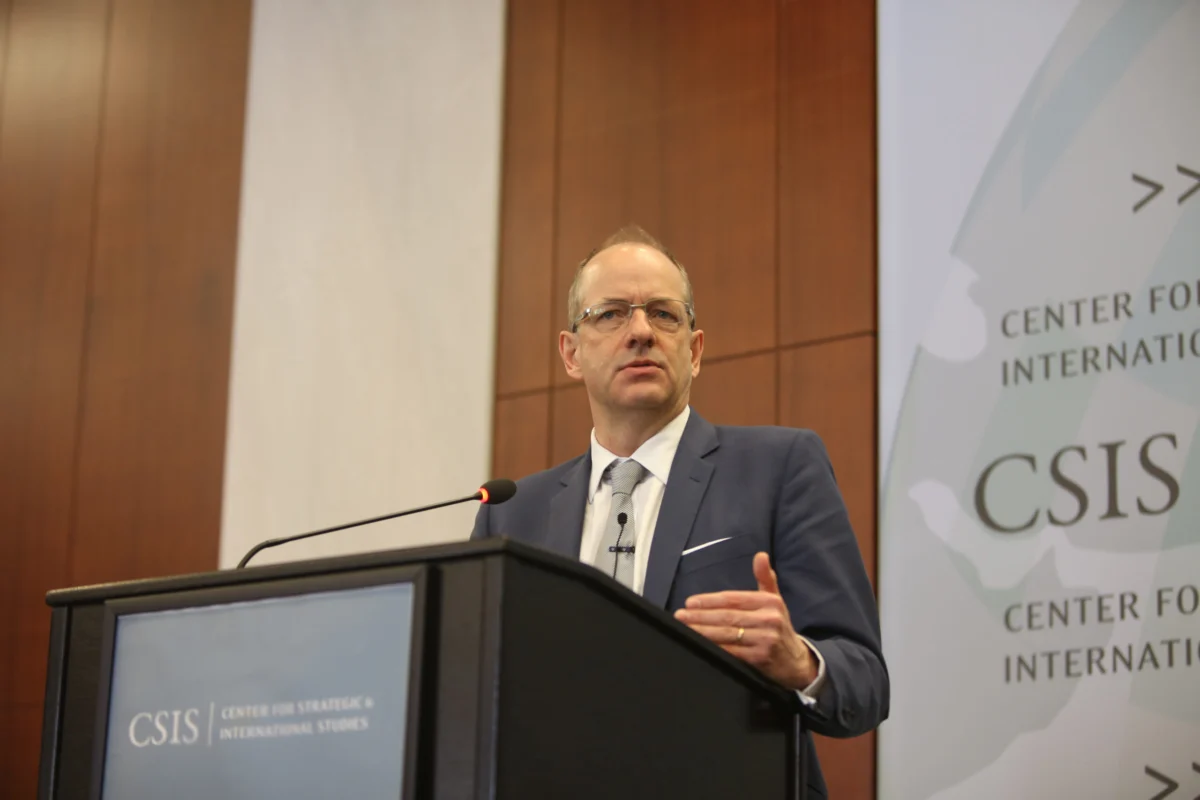
The core focus of the March 17 forum centered on the evolving obligations of private biopharmaceutical enterprises in shaping global health outcomes. Convened by J. Stephen Morrison, Senior Vice President and Director of the CSIS Global Health Policy Center, the event featured a keynote address by Sir Andrew Witty, then-Chief Executive Officer of GlaxoSmithKline (GSK). Witty’s address laid bare the operational shifts occurring within one of the world’s largest pharmaceutical conglomerates, offering a blueprint for how legacy drugmakers might pivot toward socially responsible commercial practices without stifling research and development (R&D).
Joining Witty for an exhaustive roundtable discussion were two towering figures in public health and medical ethics: Dr. Margaret Hamburg, Foreign Secretary of the Institute of Medicine (and former Commissioner of the U.S. Food and Drug Administration), and Dr. Ezekiel Emanuel, Vice Provost for Global Initiatives and Chair of the Department of Medical Ethics and Health Policy at the University of Pennsylvania.
Together, the panel scrutinized the systemic challenges facing modern medicine, including escalating drug prices in developed economies, barriers to access in low- and middle-income countries, the opacity of clinical trial data, and the financial incentives that often dictate which diseases receive robust R&D investment.
Chronology and Context: The Geopolitical and Economic Backdrop
To fully understand the weight of the CSIS discussions, one must examine the macroeconomic and geopolitical landscape of 2016. The global pharmaceutical industry was navigating a complex web of converging pressures:
- The Post-Financial Crisis Pricing Backlash: In the years following the 2008 global financial crisis, healthcare expenditures in both industrialized and developing nations faced unprecedented budgetary constraints. Outrage over astronomical price tags for novel oncology treatments and hepatitis C therapies began dominating legislative hearings and mainstream media headlines.
- The Rise of Transparency Demands: Civil society groups, patients, and research institutions were increasingly vocal about the lack of public access to clinical trial results. Critics argued that withholding negative trial data or keeping clinical methodologies confidential compromised patient safety and hindered scientific progress.
- Global Health Governance Milestones: The event coincided with the active deliberations of the United Nations Secretary-General’s High-Level Panel on Access to Medicines, established to address the policy incoherence between international human rights obligations, trade rules, and health innovation. Sir Andrew Witty’s participation on this high-profile panel lent immediate global policy relevance to his remarks at CSIS.
Keynote Address: Sir Andrew Witty Outlines the GSK Reform Agenda
Taking the podium at the CSIS headquarters, Sir Andrew Witty delivered a candid assessment of the pharmaceutical sector’s historical shortcomings and presented a case study in corporate self-correction. Witty argued that the traditional pharmaceutical business model—heavily reliant on blockbuster drugs in wealthy markets and rigid intellectual property protections—was no longer tenable in a fractured, hyper-connected world.
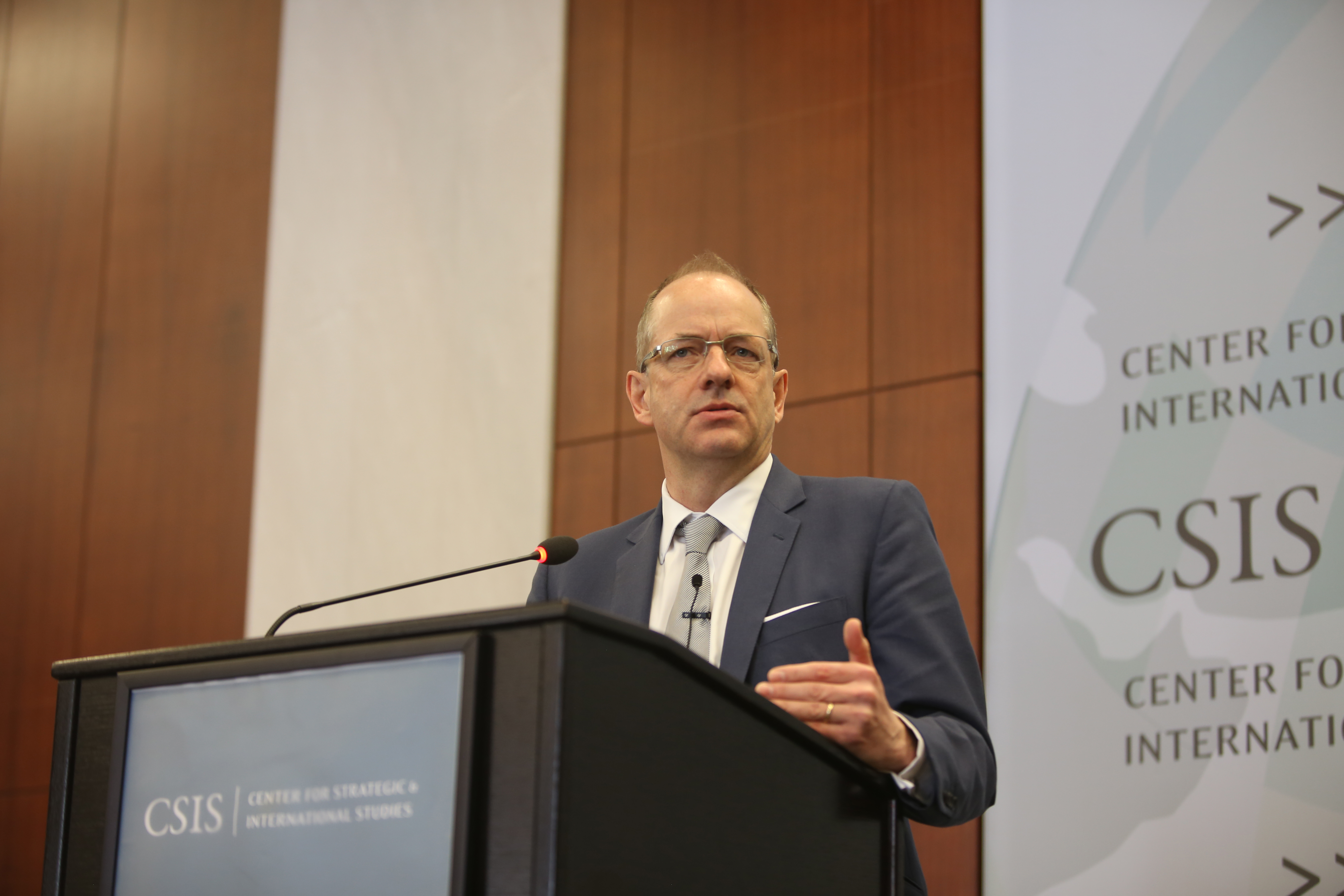
Witty outlined several structural reforms that GSK had implemented under his leadership:
- Overhauling Sales and Marketing Practices: GSK sought to decouple sales representative compensation from prescription volume targets, moving instead toward metrics that rewarded technical knowledge, ethical engagement, and customer service. This shift was designed to eliminate aggressive marketing tactics that critics argued drove over-prescription.
- Clinical Trial Transparency: Witty highlighted GSK’s commitment to publishing detailed anonymized patient-level data from its clinical trials on an open-access platform, allowing independent researchers worldwide to scrutinize safety and efficacy findings.
- Tiered Pricing and Intellectual Property Flexibility: To address access disparities in the developing world, GSK introduced tiered pricing models and adopted progressive patent strategies, such as patent pooling and licensing agreements with the Medicines Patent Pool, to facilitate the production of affordable generic treatments for HIV, tuberculosis, and malaria in developing nations.
- Targeted R&D for Unmet Medical Needs: Witty emphasized the necessity of channeling corporate scientific capabilities toward neglected tropical diseases and antimicrobial resistance (AMR), areas historically neglected by private capital due to low commercial return.
Expert Perspectives: Hamburg and Emanuel on Systemic Reform
Following the keynote, the roundtable moderated by J. Stephen Morrison expanded the dialogue into a rigorous critique of regulatory frameworks, ethical boundaries, and the economic realities of drug development.
Dr. Margaret Hamburg brought her extensive regulatory experience to the discussion, emphasizing that while innovation must be protected, regulatory agencies and private industry share a joint responsibility to ensure that products are safe, effective, and accessible. Hamburg noted that modern science—characterized by genomics, personalized medicine, and biologics—presents staggering regulatory complexities. She stressed that restoring public trust requires regulatory bodies to remain fiercely independent while fostering collaborative partnerships with industry to accelerate life-saving breakthroughs.
Dr. Ezekiel Emanuel offered a characteristically provocative ethical analysis, challenging the pharmaceutical industry to fundamentally rethink how drug prices are justified. Emanuel argued that the standard industry defense—that high prices are necessary to fund speculative R&D—often masks inflated marketing budgets, administrative bloat, and excessive profit margins. He called for greater transparency regarding the true costs of drug discovery and advocated for value-based pricing models that tie financial rewards directly to therapeutic breakthroughs rather than minor variations of existing compounds (so-called "me-too" drugs).
Supporting Data and Industry Realities
The discussions at CSIS were grounded in sobering economic and public health data concerning the global pharmaceutical landscape in the mid-2010s:
- R&D Expenditure vs. Revenue: According to industry estimates, major pharmaceutical companies typically reinvest between 15% and 20% of their annual revenues into research and development. However, critics frequently point out that marketing and administrative expenditures often equal or exceed R&D budgets.
- The Global Access Gap: World Health Organization (WHO) data from the era indicated that approximately two billion people lacked regular access to essential medicines, with the burden falling disproportionately on populations in sub-Saharan Africa and South Asia.
- The Antimicrobial Resistance Crisis: By 2016, the looming threat of antimicrobial resistance was gaining urgent traction among global health authorities. Projections warned that drug-resistant infections could cause up to 10 million deaths annually by 2050 if private industry did not aggressively invest in the discovery of novel antibiotics—a market failure exacerbated by low profitability and short treatment durations.
Broader Impact and Implications
The 2016 CSIS symposium on the bio-pharma industry and society captured a pivotal transitional moment for the global life sciences sector. By providing a neutral, analytical forum for industry leaders, regulators, and ethicists to confront uncomfortable truths, the event helped catalyze a broader industry reckoning that continues to reverberate today.
The themes explored during the event—equitable pricing, open-science initiatives, regulatory agility, and the ethical obligation to serve vulnerable populations—laid essential groundwork for subsequent policy frameworks. In the years following the forum, the pressure on pharmaceutical firms to demonstrate corporate social responsibility intensified, accelerated further by the global COVID-19 pandemic and the unprecedented public-private partnerships required to develop and distribute diagnostics, therapeutics, and vaccines at scale.
Ultimately, the CSIS Global Health Policy Center forum underscored a profound reality: the biopharmaceutical industry is uniquely situated at the crossroads of commerce and humanitarian imperative. As scientific innovation continues to unlock new frontiers in human health, the enduring challenge for industry leaders, policymakers, and civil society remains ensuring that the fruits of scientific genius are shared equitably across all strata of global society.