On March 17, 2016, the Center for Strategic and International Studies (CSIS) Global Health Policy Center convened a pivotal discussion in Washington, D.C., centered on the evolving relationship between the private bio-pharmaceutical sector and the public interest. The event, titled "The Bio-Pharma Industry and Society," brought together global health leaders and industry executives to address a growing crisis of confidence regarding drug pricing, innovation, and equitable access. As the industry faced mounting pressure from international governing bodies and civil society, the discourse focused on how pharmaceutical firms might reconcile the pursuit of profit with the fundamental mandate of improving global health outcomes.
The Context: A Industry Under Pressure
By early 2016, the global pharmaceutical landscape had reached a critical inflection point. For years, the industry had been scrutinized for high drug prices in developed markets and a persistent lack of access to essential medicines in developing nations. Public trust in pharmaceutical giants had reached record lows, exacerbated by debates over clinical trial transparency and the ethics of patent protection.
The event was held against the backdrop of the United Nations Secretary-General’s High-Level Panel on Access to Medicines. This panel was established to identify and implement coherent solutions for addressing the policy incoherence between the justifiable rights of inventors, international human rights law, and the requirements of public health. Sir Andrew Witty, the then-Chief Executive Officer of GlaxoSmithKline (GSK), served as a prominent member of this UN panel, making his participation at the CSIS event a significant signal of the industry’s willingness to engage with international regulatory oversight.
Keynote Address: Sir Andrew Witty’s Reform Agenda
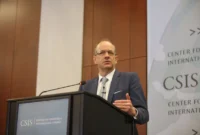
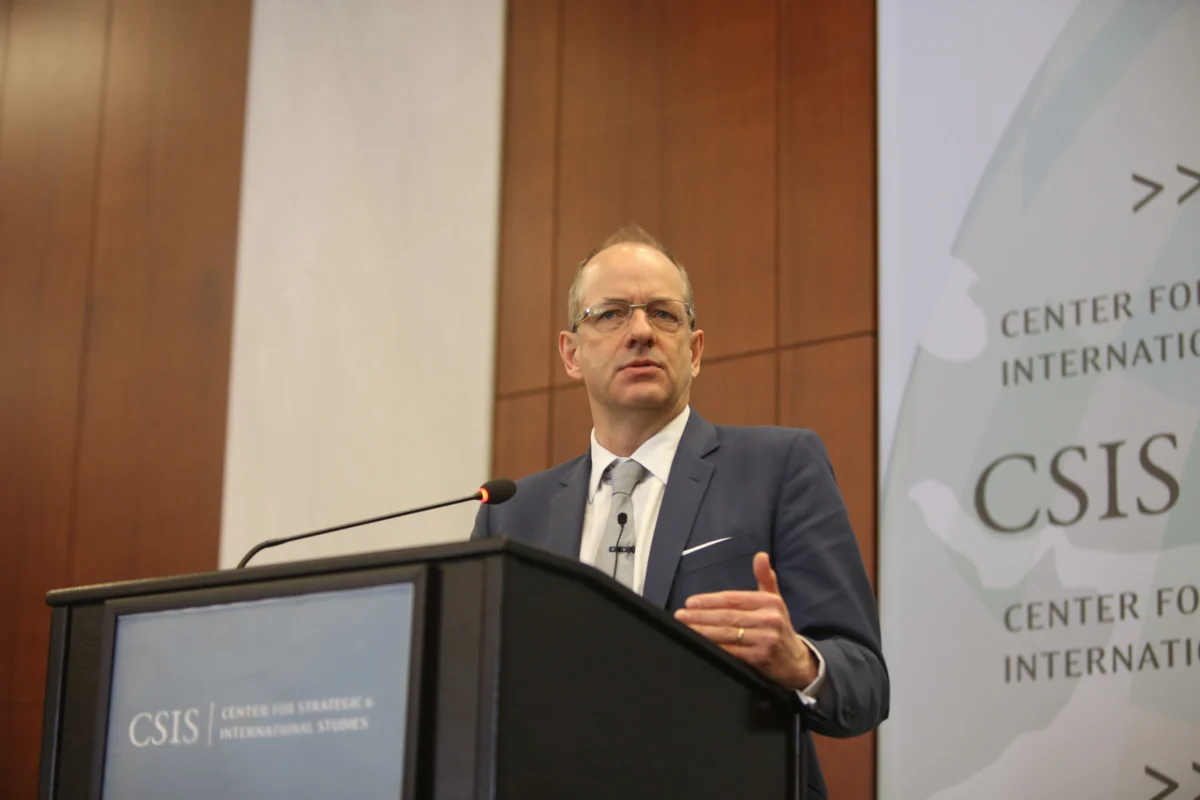
Sir Andrew Witty utilized the CSIS platform to articulate a "new model" for pharmaceutical engagement. His keynote address focused on four core pillars: sales and marketing reform, clinical trial data transparency, tiered pricing models, and research and development (R&D) directed toward unmet medical needs.
Witty acknowledged that the industry had historically operated behind a veil of opacity that fueled public suspicion. He proposed a shift in sales and marketing incentives, moving away from volume-based targets for sales representatives—a practice often criticized for encouraging the over-prescription of drugs. Furthermore, he emphasized GSK’s commitment to the public disclosure of clinical trial data, arguing that scientific advancement depends on the collective scrutiny of findings, not just the successful commercialization of a product.
On the issue of pricing, Witty highlighted the complexity of global markets. He argued that a "one-size-fits-all" pricing strategy was obsolete. Instead, he advocated for tiered pricing structures that accounted for the economic development of the recipient nation. This approach was designed to make life-saving treatments accessible in lower-income countries without completely eroding the R&D budgets necessary for innovation in the developed world.
The Panel Discussion: Expert Perspectives
Following the keynote, the conversation transitioned into a moderated roundtable featuring Dr. Margaret Hamburg, former Commissioner of the U.S. Food and Drug Administration (FDA) and then-Foreign Secretary of the Institute of Medicine, and Dr. Ezekiel Emanuel, a noted bioethicist and Vice Provost for Global Initiatives at the University of Pennsylvania. J. Stephen Morrison, Senior Vice President and Director of the CSIS Global Health Policy Center, moderated the session.
Dr. Margaret Hamburg addressed the regulatory complexities of the debate. She noted that while innovation requires strong intellectual property protections, the regulatory environment must also evolve to ensure that safety and efficacy data are not just private commodities but public goods. She underscored the necessity of harmonizing global regulatory standards to streamline the delivery of medicines across borders.
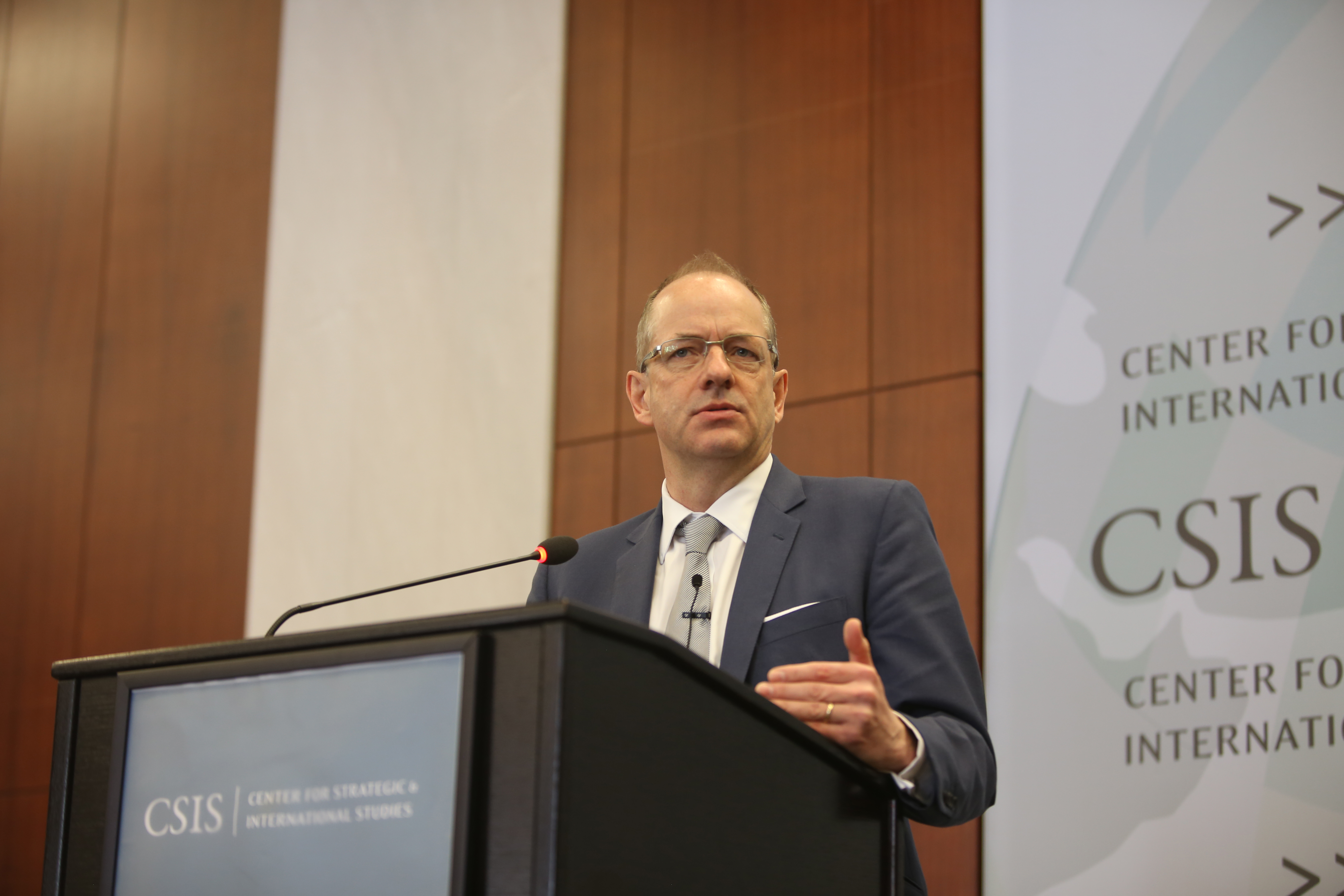
Dr. Ezekiel Emanuel provided a rigorous ethical framework for the discussion. He challenged the audience to consider the "social contract" of the pharmaceutical industry. Emanuel argued that because the industry relies on basic scientific research often funded by public tax dollars, there is an inherent moral obligation to ensure that the resulting therapies are accessible to the public at large. His analysis focused on the "value-based" pricing model, suggesting that the industry must demonstrate measurable improvements in patient outcomes rather than relying on legacy pricing strategies.
Supporting Data and Industry Trends
To understand the gravity of the 2016 discourse, one must look at the fiscal and operational data defining the era. Between 2010 and 2015, the cost of R&D for a single new drug had ballooned, with estimates from the Tufts Center for the Study of Drug Development suggesting costs could exceed $2.5 billion per successful molecule. This reality served as the industry’s primary defense for high pricing.
Conversely, data from the World Health Organization (WHO) at the time highlighted that approximately one-third of the global population lacked regular access to essential medicines. In the poorest parts of Africa and Asia, this figure rose to over 50%. The gap between the rising costs of production and the inability of populations to pay created a market failure that the CSIS event aimed to address.
The 2016 event also occurred during a period of high volatility in global drug pricing. The emergence of high-cost therapies for Hepatitis C and oncology had triggered a series of legislative inquiries in the United States, placing unprecedented pressure on pharmaceutical CEOs to justify their pricing strategies before Congress.
Chronology of Global Health Reform (2015–2017)
The event at CSIS was part of a broader timeline of international policy shifts:
- November 2015: The UN Secretary-General announces the creation of the High-Level Panel on Access to Medicines, signaling a global push for reform.
- March 2016: The CSIS symposium provides a venue for industry leaders to test new transparency and access initiatives.
- September 2016: The UN High-Level Panel releases its report, recommending that governments prioritize public health needs over trade agreements, a controversial stance that drew sharp rebuke from some industry trade groups.
- January 2017: A new administration in the United States signals a potential pivot toward domestic pricing controls, forcing multinational firms to reconsider their long-term R&D strategies.
Implications for the Future of Bio-Pharma
The implications of the arguments presented at the 2016 CSIS symposium continue to resonate in modern health policy. The shift toward "transparency as a business model" has become an industry standard rather than an optional corporate social responsibility initiative. Most major firms now maintain public databases for clinical trials, and tiered pricing has become a standard feature of global vaccine distribution efforts, most notably seen during the subsequent COVID-19 pandemic.
However, the core tension remains: how to incentivize the high-risk, high-cost endeavor of drug discovery while ensuring that the benefits of that innovation reach the most vulnerable. The 2016 CSIS event succeeded in framing this not merely as a technical problem of supply chains or patent law, but as a fundamental question of trust.
As the industry looks forward, the legacy of the 2016 discourse serves as a reminder that the social license to operate is fragile. The push for equity, once viewed as a radical demand from NGOs, has been integrated into the institutional strategies of the world’s largest pharmaceutical companies. The debate has moved from "if" these companies should engage in public health reform to "how" they can do so while maintaining the financial viability required to tackle the next generation of global health threats.
In conclusion, the CSIS event served as an essential clearinghouse for ideas during a volatile transition period. By inviting industry leadership to speak directly with ethicists and public health regulators, the session helped define the parameters of a modern, more accountable pharmaceutical industry. While the debate over drug pricing and access is far from settled, the engagement initiated at this event paved the way for more robust dialogues between the private sector and the global health community.