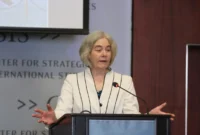
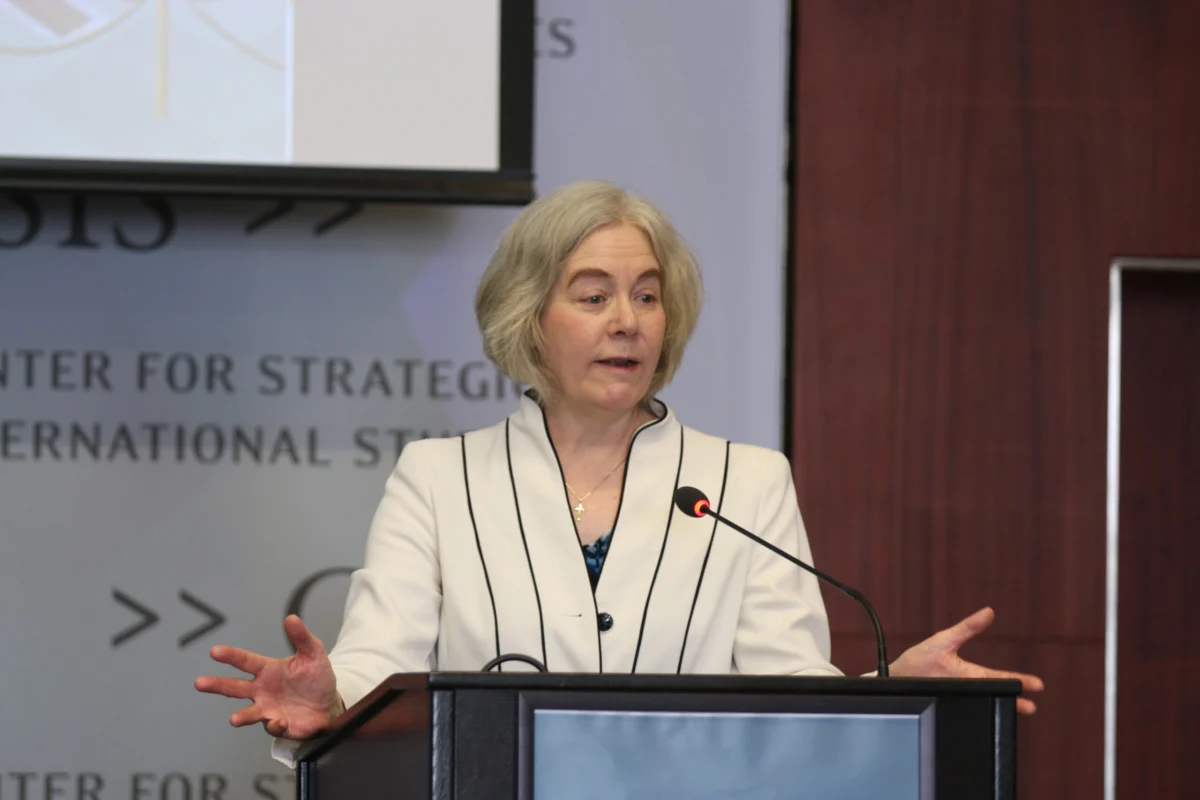
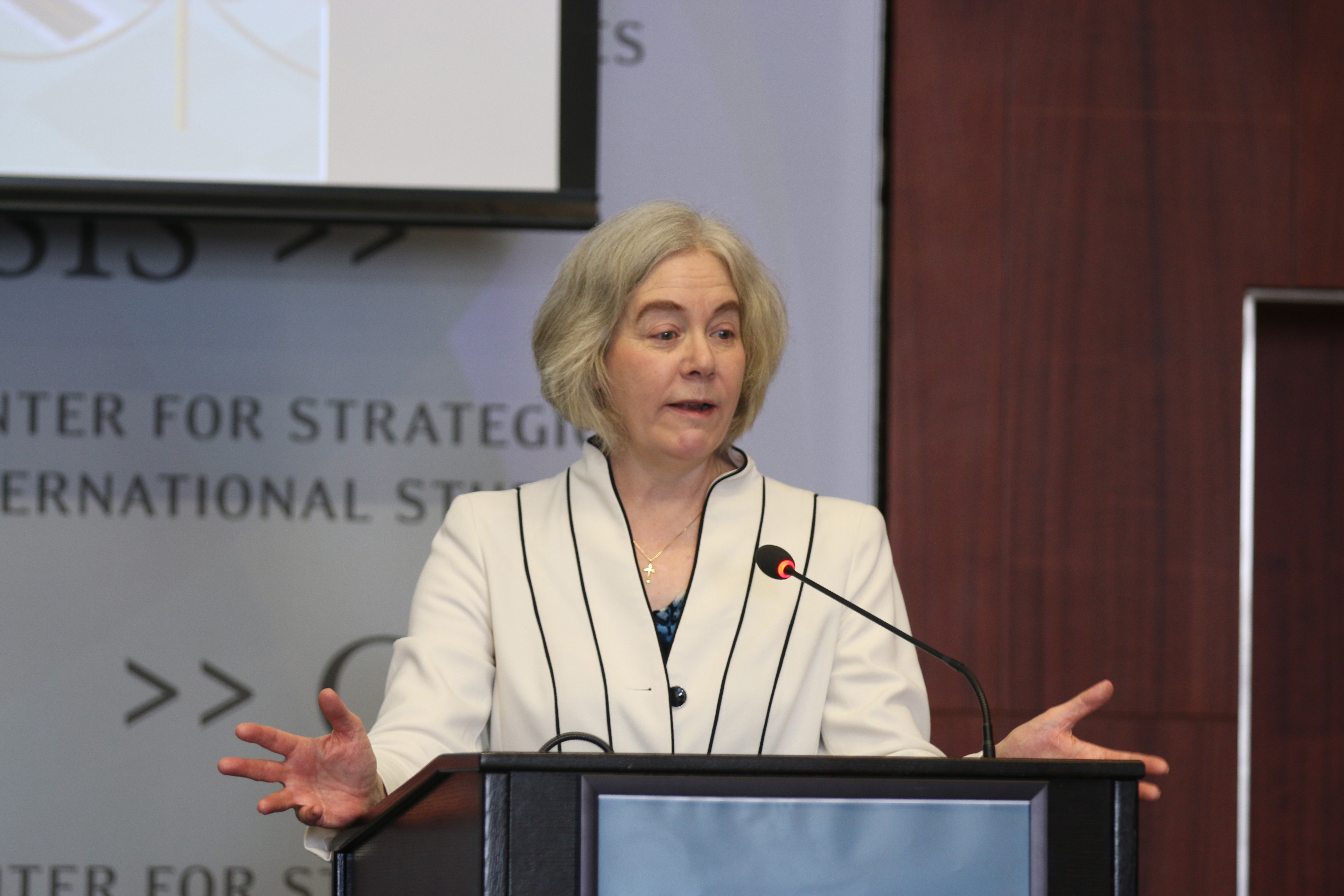
The Center for Strategic and International Studies (CSIS) hosted a pivotal discussion on March 10, 2016, examining the future of American energy technology, grid modernization, and the critical role of federal research initiatives. The event, titled "The Future of the Grid — A View from ARPA-E," featured Dr. Ellen Williams, Director of the Advanced Research Projects Agency-Energy (ARPA-E) within the U.S. Department of Energy. The conversation shed light on the technological frontiers required to transform the United States power sector, addressing pressing challenges in grid management, energy storage, and international commitments such as Mission Innovation.
Sarah Ladislaw, Director and Senior Fellow of the CSIS Energy and National Security Program, provided the introductory remarks, framing the discussion around the ongoing evolution of energy markets and national security infrastructure. The conversation was subsequently moderated by Frank O’Sullivan, Senior Associate with the CSIS Energy and National Security Program and Director of Research and Analysis at the MIT Energy Initiative. Through a comprehensive dialogue, the panel explored how targeted federal investments can bridge the gap between early-stage technological breakthroughs and widespread commercial deployment.
The Mandate of ARPA-E and the Imperative for Grid Modernization
Established to fund high-risk, high-reward research that traditional venture capital and private R&D cycles often bypass, ARPA-E serves as the federal government’s premier incubator for disruptive energy concepts. During her keynote address, Dr. Williams emphasized that while significant strides had been made in generation technologies—such as solar photovoltaic cells and wind turbines—the backbone of the American energy system, the electric grid, remained in urgent need of modernization.
The traditional electrical grid, largely built over the course of the 20th century, was designed for a centralized, unidirectional flow of power from large fossil-fuel and nuclear power plants to passive consumers. However, the rapid proliferation of distributed energy resources (DERs), variable renewable generation, and electric vehicles has upended this paradigm. Dr. Williams noted that modernizing the grid requires advanced software, real-time sensing, decentralized control architectures, and robust cybersecurity protocols to manage bidirectional power flows efficiently and securely.
Furthermore, Dr. Williams highlighted energy storage as the single most critical technological frontier for unlocking the full potential of renewable energy. Without cost-effective, scalable, and long-duration energy storage solutions, grid operators face severe limitations in balancing supply and demand instantaneously. ARPA-E’s ongoing portfolio investments target breakthroughs in novel battery chemistries, thermal storage systems, and mechanical storage technologies designed to drive down costs and enhance performance metrics well beyond current commercial standards.
Mission Innovation and the Global Clean Energy Landscape
A major focal point of Dr. Williams’ presentation was the launch and implementation of Mission Innovation, a landmark global initiative announced at the 2015 United Nations Climate Change Conference (COP21) in Paris. Participating countries, including the United States, committed to doubling their respective governmental clean energy research and development budgets over a five-year period.
As a key agency tasked with executing advanced energy R&D in the United States, ARPA-E was positioned to play an instrumental role in scaling up funding for transformative projects. Dr. Williams explained that Mission Innovation provides a vital framework for international collaboration, allowing participating nations to share best practices, align research priorities, and accelerate the commercialization of clean energy technologies. By injecting substantial public capital into high-risk research, the initiative aims to catalyze private sector investment, ensuring that laboratory innovations successfully transition into market-ready solutions capable of reducing global greenhouse gas emissions.
The alignment of ARPA-E’s strategic goals with Mission Innovation underscored the broader geopolitical and economic stakes of energy technology leadership. Policymakers and industry analysts increasingly view clean energy innovation not only as an environmental imperative but as a core component of economic competitiveness and national security.
Expert Perspectives and Analytical Context
The discussion underscored the complex interplay between federal research priorities and market adoption dynamics. Sarah Ladislaw’s opening remarks established the macroeconomic context, pointing out that energy transitions historically require decades of sustained capital investment, regulatory adaptation, and infrastructure replacement. Ladislaw noted that federal entities like ARPA-E are uniquely situated to absorb the technical risks that private enterprises cannot justify to their shareholders, thereby de-risking novel technologies to the point where venture capital and corporate entities can safely step in.
Moderator Frank O’Sullivan steered the conversation toward the practical challenges of deploying these innovations within established regulatory frameworks. Drawing on his expertise from the MIT Energy Initiative, O’Sullivan emphasized that technical feasibility alone does not guarantee market success. Regulatory structures governing electricity markets, utility rate-making procedures, and legacy operational practices often lag behind technological advancements. Consequently, bridging the gap between ARPA-E’s laboratory breakthroughs and commercial deployment requires active engagement with state public utility commissions, grid operators, and market participants.
The dialogue also touched upon the historical evolution of energy research in the United States. Following the energy crises of the 1970s, federal backing of energy R&D fluctuated significantly. The establishment of ARPA-E in 2007, drawing inspiration from the Defense Advanced Research Projects Agency (DARPA), marked a structural shift toward a more agile, milestone-driven funding model. By empowering program directors with high autonomy to design focused research programs, ARPA-E cultivated an environment capable of producing paradigm-shifting discoveries.

Broader Implications for the Future of Energy Infrastructure
The insights shared during the CSIS event resonate deeply within the broader trajectory of modern energy policy. The challenges articulated by Dr. Williams—particularly concerning grid resilience, variable generation integration, and long-duration storage—remain central to contemporary policy debates regarding decarbonization and grid reliability.
As extreme weather events driven by climate change increasingly test the physical resilience of transmission and distribution networks, the demand for smart, self-healing grid architectures has intensified. ARPA-E’s historical focus on advanced power electronics, grid-edge controls, and predictive analytics laid foundational capabilities that utilities and grid operators continue to leverage in the 21st century.
Moreover, the emphasis on public-private collaboration highlighted in the 2016 forum illustrates the enduring necessity of government-backed R&D. While private venture capital markets experience cyclical fluctuations in risk appetite, sustained federal investment ensures a continuous pipeline of foundational scientific discoveries. These efforts ultimately protect consumers from energy price volatility, enhance national security by diversifying energy sources, and secure American leadership in the burgeoning global clean energy economy.
The CSIS event with Dr. Ellen Williams provided a comprehensive window into the strategic vision guiding American energy innovation. By confronting the structural bottlenecks of the electric grid and aggressively investing in next-generation storage and management technologies, agencies like ARPA-E continue to shape the trajectory of a more resilient, efficient, and sustainable energy future.