
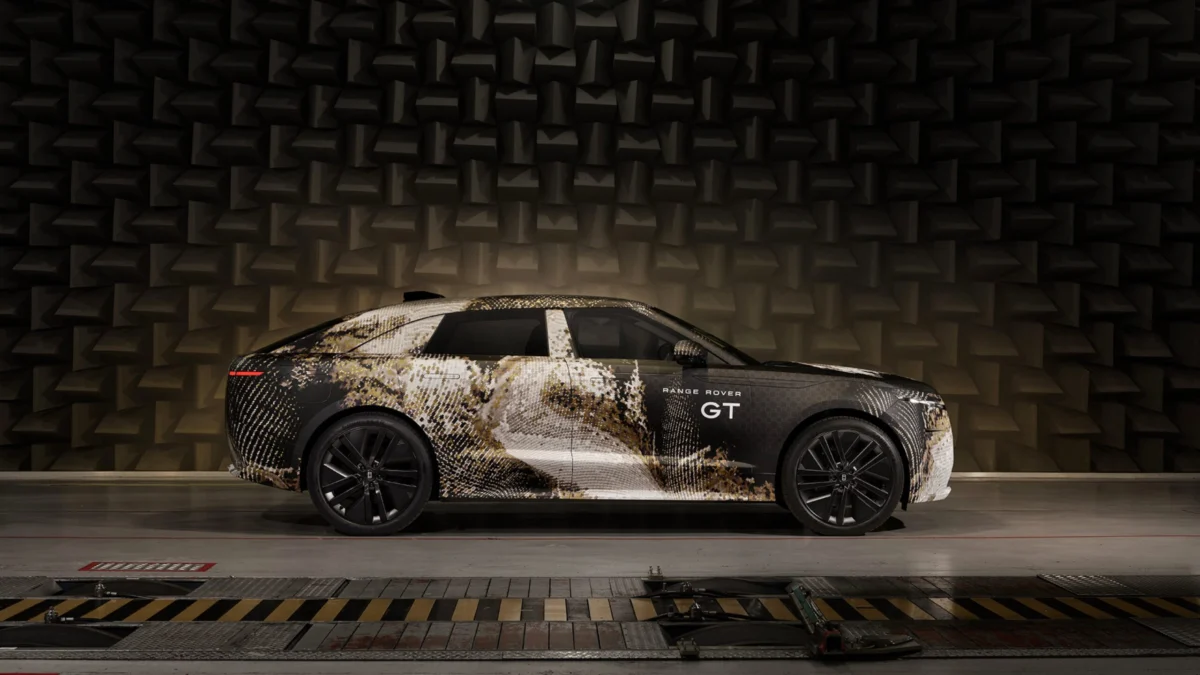
The automotive landscape is undergoing a profound transformation as luxury manufacturers pivot away from traditional internal combustion dominance toward modular, electrified platforms. At the vanguard of this shift is Range Rover, which has officially announced its intent to expand its portfolio with a new four-door grand tourer (GT). This vehicle represents more than a mere addition to the lineup; it signifies a strategic departure from the brand’s traditional high-riding SUV identity, leveraging the newly deployed Electrified Modular Architecture (EMA) to bridge the gap between long-haul refinement and sustainable performance.
A New Architectural Foundation
The technical backbone of this upcoming model is the EMA platform, a dedicated electric architecture designed to offer flexibility across different vehicle segments. This marks the third pillar in the company’s current electrification strategy, joining the existing Modular Longitudinal Architecture (MLA) and the forthcoming JEA platform, which is currently being engineered specifically for Jaguar’s highly anticipated Type 01.
The EMA platform is engineered to support a variety of battery configurations and motor placements, allowing Range Rover to maintain its hallmark all-terrain capabilities while adopting a lower, more aerodynamic silhouette. By moving to this architecture, the brand is positioning itself to compete directly with high-performance electric saloons and GTs that dominate the premium EV market. The transition to the EMA platform is not just a technological upgrade but a structural one, enabling the engineers to optimize weight distribution and cabin space in ways that were previously inhibited by the chassis requirements of traditional off-road SUVs.
Redefining the Cabin Experience
A significant point of interest regarding the new GT is its interior philosophy. Recent previews provided to industry observers indicate a departure from the traditional, button-heavy dashboard layouts common in high-end SUVs. Instead, Range Rover has opted for an ultraminimalist aesthetic. This design choice is a response to the evolving expectations of luxury consumers who prioritize clean lines and intuitive digital integration.
However, this minimalism is tempered by a pragmatic approach to safety and usability. Despite the trend toward screen-only interfaces, Range Rover has ensured that the new GT remains compliant with tightening safety regulations in Europe and international markets, which increasingly mandate the inclusion of physical controls for critical safety functions. By integrating physical switchgear into an otherwise seamless design, the brand avoids the common pitfalls of digital over-reliance.
The display suite itself is centered on high-resolution OLED technology for both the primary instrument cluster and the central infotainment interface. Notably, the design team has elected to bypass the industry trend of adding a dedicated third screen for the front passenger, opting instead to focus on the driver’s interface and a comprehensive, standard-issue head-up display (HUD). This decision suggests an emphasis on driver engagement and a reduction in cabin clutter, reinforcing the vehicle’s identity as a driver-centric grand tourer.
The Evolution of the Range Rover Brand
The development of the GT is the culmination of several years of focused research into the fundamentals of the grand tourer formula. Martin Limpert, managing director of Range Rover, has framed this project as a reinterpretation of the brand’s core values through a sophisticated, modern lens.
"We have spent the last few years working obsessively on the fundamentals of the GT formula, reinterpreted in a sophisticated, uniquely Range Rover way," Limpert stated. "The result is the most car-like, yet unmistakably capable, Range Rover ever created, now possible on our electrified EMA architecture—complementing our existing powertrain portfolio to deliver a complete set of options for every customer need. Its blend of effortless EV performance, first-class long-haul refinement and all-terrain capability is pure Range Rover; while its calming interior previews our vision of a modern grand tourer."
This statement highlights the balancing act the company must perform: maintaining the brand’s legendary "go-anywhere" reputation while delivering the performance and handling characteristics expected of a luxury GT. The "car-like" description is particularly telling, as it signals a willingness to sacrifice the high driving position that defined the brand for decades in favor of better drag coefficients and improved range—metrics that are critical for success in the electric vehicle market.
Chronology and Strategic Context
The journey toward this GT began in earnest with the announcement of the Reimagine strategy, an organizational pivot intended to position the company as a leader in modern luxury. The rollout of platforms has been methodical:
- 2021: The Reimagine strategy is unveiled, emphasizing the electrification of the Range Rover, Discovery, and Defender brands.
- 2023: Continued refinement of the MLA platform, which currently underpins the latest generation of luxury SUVs.
- 2024: Confirmation of the EMA platform’s capabilities and the initial teasing of the GT concept.
- Late 2024 (Projected): Expected full reveal of the production-ready GT, alongside the debut of the Jaguar Type 01.
The simultaneous development of the Range Rover GT and the Jaguar Type 01 demonstrates the synergy within the corporate umbrella. While the Range Rover will focus on the traditional pillars of comfort and versatility, the Jaguar model is expected to lean into the brand’s heritage of performance and sporting pedigree. By staggering the releases, the manufacturer can effectively cover two distinct segments of the premium electric market without cannibalizing its own sales.
Supporting Data and Market Implications
The decision to introduce a GT model comes at a time when the luxury electric vehicle segment is seeing intense competition. According to recent industry reports, the demand for high-end EVs is shifting from pure utility toward high-performance, long-range luxury cruisers. The EMA platform’s ability to offer a "complete set of options" is vital, as it allows for the integration of both battery-electric and potential range-extender or hybrid systems, depending on the specific regional requirements.
From a manufacturing perspective, the reliance on three distinct platforms (MLA, EMA, and JEA) is a capital-intensive strategy, but one that provides the necessary specialized engineering to meet the demands of different vehicle classes. The MLA platform remains the heavy lifter for the flagship SUVs, while the EMA is designed for efficiency and high-volume production. This modular approach is intended to streamline the supply chain and reduce assembly times as the company scales its electrification efforts.
The Broader Impact on the Industry
The shift toward a more car-like Range Rover indicates that the brand is confident in its ability to translate its off-road legacy into a new context. For years, the "Range Rover" moniker was synonymous with rugged, boxy silhouettes capable of crossing deserts and mountains. By applying the same engineering rigor to a sleek GT, the company is effectively challenging the dominance of established players in the grand tourer space, such as Porsche and Mercedes-Benz.
Furthermore, the emphasis on OLED displays and the careful balance between digital and physical controls reflects a broader industry trend. Manufacturers are increasingly realizing that while connectivity is paramount, user experience (UX) is the new battleground. By adhering to international safety standards while maintaining a high-tech interior, Range Rover is signaling that it understands the regulatory headwinds that many other tech-heavy automotive designs are currently facing.
Looking Ahead
As the year progresses, the automotive industry will be watching closely for the unveiling of the final production version of the GT. The camouflage that currently hides the vehicle’s bodywork is expected to come off later this year, at which point the aerodynamic efficiency and styling cues will be fully revealed.
The successful launch of this vehicle will be a litmus test for the EMA platform and a definitive statement on the future of the Range Rover brand. If the manufacturer can successfully marry the "effortless EV performance" promised by Limpert with the brand’s long-standing reputation for luxury and refinement, the new GT could redefine the expectations of what a Range Rover can be. The forthcoming release, coupled with the Jaguar Type 01, represents the most significant product transition in the company’s history, setting the stage for a new decade of electrified, high-performance motoring.